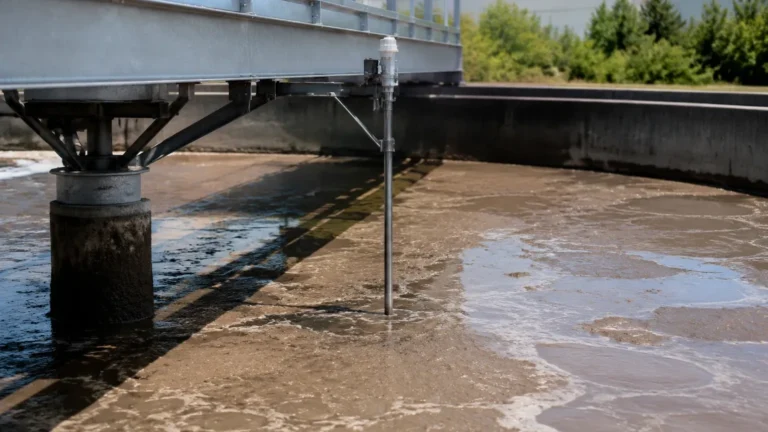
Water Hardness Analyzer
Water Hardness Analyzer
In industrial water treatment, monitoring water hardness is a critical process requirement to prevent scale formation, ensure equipment longevity, and maintain the efficiency of heat exchange systems. A water hardness analyzer is an automated instrument designed to measure the concentration of calcium (Ca²⁺) and magnesium (Mg²⁺) ions in a water sample. For engineers and plant managers, understanding the technical nuances of these analyzers is essential for selecting a system that balances accuracy with operational costs.
Understanding Water Hardness and Measurement Principles
Water hardness is typically categorized into two types: temporary (carbonate) hardness and permanent (non-carbonate) hardness. Total hardness is the sum of both, expressed as the molar concentration of multivalent cations. In most industrial contexts, this is reported in milligrams per liter (mg/L) or parts per million (ppm) of Calcium Carbonate (CaCO₃) equivalent.
Before selecting a water hardness analyzer, it is necessary to understand the primary measurement principles utilized in modern instrumentation:
1. Colorimetric Titration (Photometric Method)
This is the most widely used principle for high-precision industrial applications. The analyzer automatically draws a sample and adds a specific amount of reagent, typically EDTA (Ethylenediaminetetraacetic acid) and a color indicator (such as Eriochrome Black T). The instrument monitors the color change using a light source and a photodetector. The volume of reagent required to reach the colorimetric endpoint determines the hardness concentration.
2. Ion-Selective Electrode (ISE) Method
ISE sensors function similarly to pH probes but are specifically sensitive to calcium and magnesium ions. When the electrode is immersed in the sample, a potential difference is generated across a selective membrane, which is proportional to the ion activity. This method allows for continuous, real-time monitoring without the frequent consumption of chemical reagents, though it may require more frequent calibration and is sensitive to ionic interference.
3. Spectrophotometric Analysis
This method involves measuring the absorbance of light at specific wavelengths after a reagent has reacted with the hardness ions. Unlike titration, which looks for a transition point, spectrophotometry measures the intensity of the color formed, which correlates directly to the concentration.
Key Evaluation Criteria for Industrial Water Hardness Analyzers
Selecting the right analyzer requires an assessment of the specific process environment. Engineers should evaluate the following factors:
* Measurement Range and Resolution: Industrial boilers often require ultra-low range detection (0.1–10 mg/L), while raw water intake monitoring might require ranges up to 500 or 1,000 mg/L.
* Analysis Frequency: Determine if the process requires continuous monitoring (ISE) or if batch analysis at 10-minute intervals (Titration) is sufficient.
* Reagent Stability and Consumption: Colorimetric analyzers require chemical consumables. Evaluate the shelf life of reagents, especially in high-temperature environments, and the ease of replacement.
* Data Integration: Modern analyzers should provide 4-20mA analog outputs or digital protocols like Modbus RS485 to communicate with the plant's PLC or SCADA system.
Practical Selection and Comparison Table
The following table summarizes the differences between the two primary technologies used in industrial water hardness analyzers:
| Feature | Colorimetric Titration | Ion-Selective Electrode (ISE) |
| :— | :— | :— |
| Accuracy | High (±1-3% of reading) | Moderate (±5-10% of reading) |
| Maintenance | Monthly reagent replacement | Frequent calibration required |
| Response Time | 5–15 minutes (Batch) | Continuous / Real-time |
| Interference | Low (Compensated by chemistry) | High (Sensitive to other ions) |
| Typical Application | Boiler feed water, Softener exit | Cooling towers, Wastewater |
| Operating Cost | Higher (Consumables) | Lower (No reagents) |
Installation Considerations and Best Practices
To ensure the reliability of a water hardness analyzer, the installation must account for the physical and chemical properties of the sample stream. Poor installation is the leading cause of inaccurate readings and premature sensor failure.
1. Sample Conditioning: Most analyzers require the sample to be within a specific temperature range (typically 5°C to 40°C) and pressure (usually below 2 bar or 29 psi). If the process water is steam condensate or high-pressure feed water, a sample cooler and pressure-reducing valve are mandatory.
2. Bypass Line Configuration: It is recommended to install the analyzer on a bypass loop rather than the main process line. This allows for maintenance and calibration without interrupting the primary flow. The bypass should include a fast-loop design to ensure the sample reaching the analyzer is representative of the current process state.
3. Filtration: If the water source contains suspended solids, a 50-100 micron pre-filter should be installed. Particulates can clog the small-bore tubing in titration systems or foul the membrane of an ISE sensor.
4. Waste Disposal: Colorimetric analyzers produce a small amount of chemical waste (sample mixed with reagent). Ensure the installation site has appropriate drainage that complies with local environmental regulations.
Common Risks and Limitations in Hardness Monitoring
While automated analyzers significantly reduce the labor required for manual testing, they are not without limitations:
* Chemical Interference: High levels of iron, manganese, or copper can interfere with the colorimetric reaction, leading to false-positive hardness readings. In such cases, specialized masking agents must be added to the reagents.
* Fouling and Scaling: Ironically, the very hardness the instrument measures can scale the internal components of the analyzer if the sample remains stagnant or if the internal cleaning cycle fails.
* Reagent Degradation: Reagents are sensitive to light and temperature. Storing reagents in an unconditioned outdoor cabinet can lead to rapid degradation, resulting in significant measurement drift.
* Air Bubbles: In ISE systems, air bubbles trapped against the electrode membrane can cause erratic readings. Proper flow cell design and debubblers are often necessary.
Integrating Hardness Analysis with Level Control Systems
In a comprehensive water treatment facility, hardness analyzers do not operate in isolation. They are part of a broader control loop that includes chemical dosing pumps and storage tanks. For instance, in a water softening plant, the hardness analyzer monitors the effluent quality. When hardness breakthrough is detected, the system triggers a regeneration cycle for the resin beds.
Effective management of these processes also requires precise volume measurement. Monitoring the levels of raw water tanks, brine tanks, and treated water storage is essential for calculating the total loading on the treatment system. Utilizing reliable Main Page instrumentation ensures that the plant has accurate data on the volume of water being treated, which allows for more precise reagent dosing and better prediction of when a softener will reach capacity based on hardness concentration.
Frequently Asked Questions (FAQs)
Q: How often should a water hardness analyzer be calibrated?
A: For titration-based systems, calibration is typically performed monthly or whenever a new batch of reagents is installed. ISE-based systems may require weekly calibration check-ups due to potential electrode drift.
Q: Can a hardness analyzer measure calcium and magnesium separately?
A: Standard industrial hardness analyzers measure "total hardness." However, specialized dual-channel analyzers or those using specific ISE probes can differentiate between Ca²⁺ and Mg²⁺ if the process requires it.
Q: What is the typical lifespan of a hardness sensor?
A: In titration systems, the optical components can last 5-10 years, while the peristaltic pump tubing should be replaced every 6-12 months. ISE electrodes typically have a functional life of 12 to 24 months, depending on water quality.
Q: How does temperature affect hardness measurement?
A: Temperature affects the chemical reaction rate in titration and the ion activity in ISE sensors. Most modern analyzers include internal temperature compensation, but it is still best practice to maintain a stable sample temperature.
By adhering to these engineering principles and selection criteria, facilities can implement a water hardness monitoring strategy that protects critical infrastructure and optimizes chemical usage.