Level Sensor York
Level Sensor York
In the realm of industrial HVAC, refrigeration, and process cooling, the term "level sensor york" typically refers to the critical components used to monitor and control fluid levels—specifically oil and refrigerants—within York-branded chillers and compressors. However, from a broader engineering perspective, these sensors represent a specialized subset of industrial level measurement technology. Ensuring the reliability of these systems requires a deep understanding of the underlying measurement principles, the environmental constraints of the application, and the selection criteria for high-performance replacements or OEM integrations.
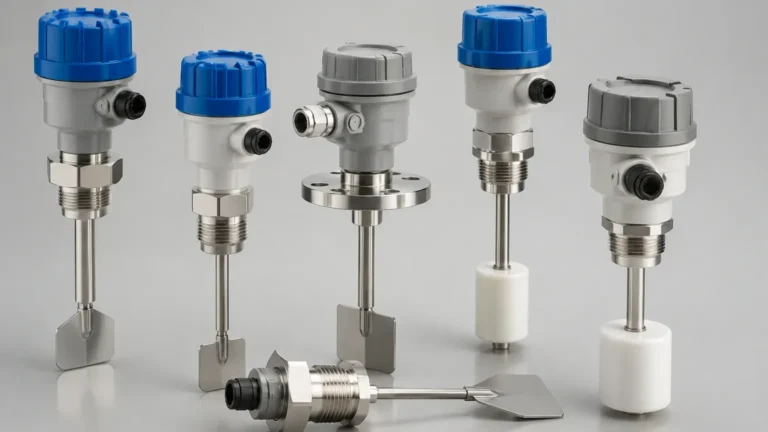
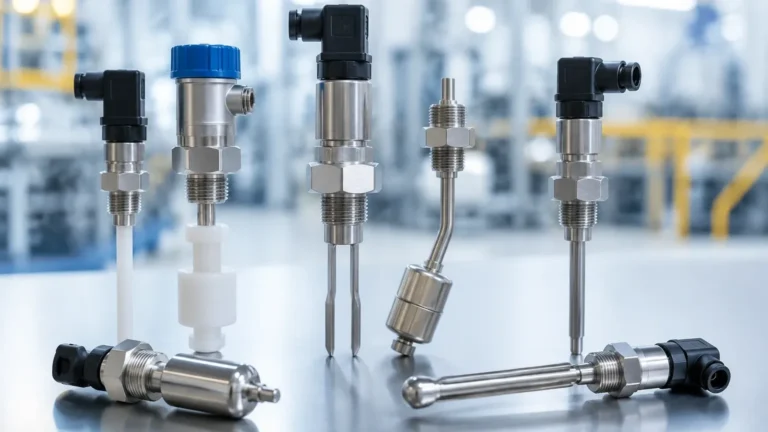
Industrial systems rely on precise level detection to prevent compressor damage, optimize heat exchange, and ensure safety. Whether managing oil return in a screw compressor or monitoring the liquid line in a centrifugal chiller, selecting the appropriate Level Switches is fundamental to system longevity. This guide explores the technical landscape of level sensing, focusing on the technologies most relevant to high-demand industrial environments.
Core Measurement Principles for Level Switches
Before selecting a level sensor for a York system or any industrial process, it is essential to understand how different technologies interact with the medium. Level switches are designed to provide a discrete output (on/off) when a liquid reaches a specific height.
Optical Level Sensing
Optical sensors are frequently used in refrigerant and oil management. They operate on the principle of infrared light refraction. The sensor contains an IR LED and a light receiver housed within a conical prism.
- In Air/Gas: The IR light reflects off the internal surface of the prism and returns to the receiver.
- In Liquid: When the liquid covers the prism, the refractive index changes, causing the light to escape into the fluid. The receiver detects the loss of signal and triggers the switch.
This technology is valued for its compact size and lack of moving parts, making it ideal for the tight tolerances of compressor housings.
Float-Based (Mechanical) Sensing
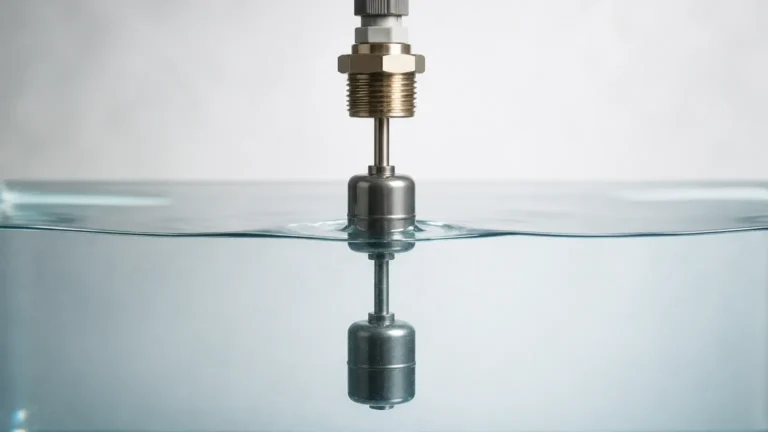
Float switches utilize buoyancy. A float containing a magnet moves along a stem as the liquid level rises or falls. Inside the stem, a reed switch is hermetically sealed. When the magnet aligns with the reed switch, the circuit closes (or opens). While simple, these are highly reliable for clean liquids, though they can be susceptible to mechanical wear or sticking if the fluid contains debris or high-viscosity oil.
Ultrasonic Level Detection
Ultrasonic sensors emit high-frequency sound waves that reflect off the surface of the liquid. The sensor measures the "time of flight" to determine distance. For point-level switching, an ultrasonic gap sensor may be used. In this configuration, the signal is transmitted across a small gap; when liquid fills the gap, the signal transmission changes, indicating the presence of the fluid. This is particularly useful for non-contact requirements or highly corrosive media.
Capacitive Level Sensing
Capacitance sensors treat the probe and the tank wall (or a reference probe) as two plates of a capacitor. The liquid acts as a dielectric material. As the level rises, the capacitance increases. This change is processed by the electronics to trigger a switch point. These sensors are robust but require calibration based on the dielectric constant of the specific oil or refrigerant being measured.
Selecting the Right Level Sensor for York-Style Applications
When sourcing a level sensor York-compatible or for similar industrial refrigeration applications, several technical parameters must be prioritized. These systems often operate under high pressure and varying temperatures, which can quickly degrade sub-standard components.
Media Compatibility
In refrigeration, the sensor must be chemically compatible with both the refrigerant (e.g., R134a, R410A, or ammonia) and the lubricant (POE, PAG, or mineral oils). Stainless steel (316L) and specific polymers like Polysulfone or PTFE are standard choices for wetted parts to prevent corrosion and seal failure.
Pressure and Temperature Ratings
Industrial chillers can operate at pressures exceeding 25 bar (362 psi) and temperatures ranging from -40°C (-40°F) in evaporator stages to over 100°C (212°F) in oil discharge lines. A level switch must be rated to withstand these extremes without leaking or losing signal integrity.
Electrical Integration
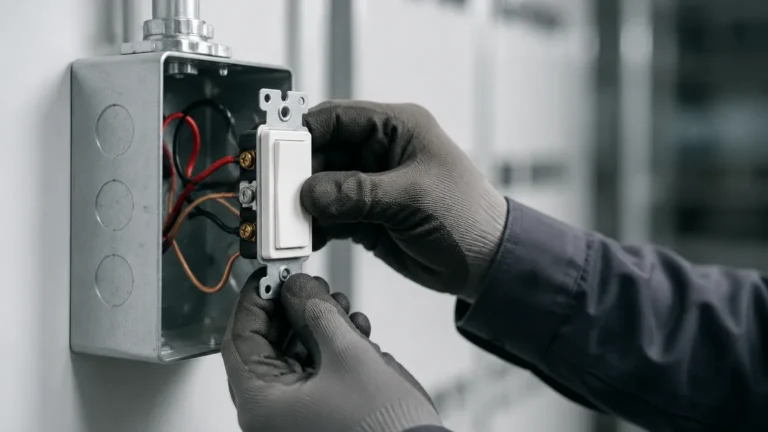
Most industrial level switches provide a NPN/PNP transistor output or a dry contact relay. It is vital to match the voltage (typically 24V DC for modern controls) and the switching logic (Normally Open vs. Normally Closed) to the existing control board or PLC requirements.
Selection Table: Level Sensing Technologies
| Technology | Typical Application | Max Pressure (Approx.) | Temperature Range | Pros | Cons |
| :— | :— | :— | :— | :— | :— |
| Optical | Refrigerant/Oil Level | 40 bar (580 psi) | -40°C to +125°C | Compact, no moving parts | Sensitive to coating/bubbles |
| Float | Water/Oil Tanks | 20 bar (290 psi) | -20°C to +120°C | Low cost, simple | Moving parts can stick |
| Capacitance | Viscous Liquids | 30 bar (435 psi) | -40°C to +150°C | Robust, handles foam | Requires calibration |
| Ultrasonic | Non-contact/Gap | 10 bar (145 psi) | -30°C to +80°C | No contact with media | Sensitive to turbulence |
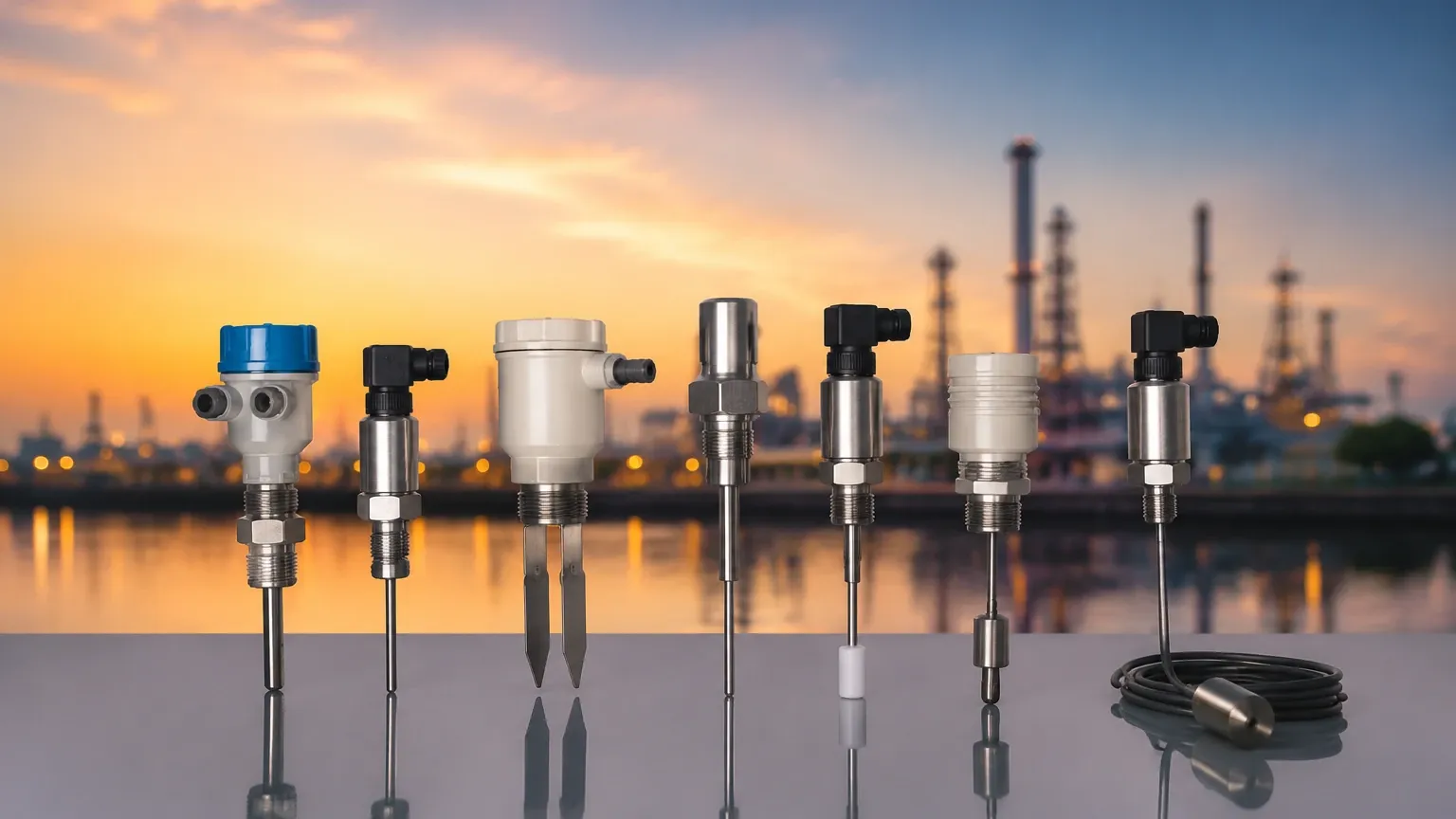
Installation and Maintenance Guidelines
Proper installation is as critical as the sensor technology itself. For a level sensor York application, the following engineering practices should be observed:
1. Orientation: Optical and capacitive sensors are often mounted horizontally into the side of a vessel or pipe. Ensure the sensing element is positioned to avoid "trapping" liquid, which could cause a false positive reading.
2. Turbulence and Foam: In oil separators, turbulence can be significant. If using a float switch, a stilling well may be necessary to prevent the float from bouncing. For optical sensors, the prism should be oriented to allow bubbles to escape easily.
3. Wiring and Sealing: Use high-quality cable glands and ensure the IP rating (typically IP65 or IP67) is maintained. In refrigeration systems, moisture ingress due to condensation is a leading cause of sensor failure.
4. Testing: Before charging the system with refrigerant, perform a manual test of the switch. For optical sensors, this can often be done by covering the tip with a finger or a damp cloth to simulate liquid presence.
Limitations and Operational Constraints
While modern level switches are highly advanced, they are not universal solutions. Engineers must account for the following limitations:
- Coating and Scaling: In systems with heavy oil or mineral deposits, optical and capacitive sensors may suffer from "coating," where a film remains on the sensor tip, indicating liquid is present even when the level has dropped.
- Dielectric Changes: If a system switches from one type of oil to another, a capacitive sensor may require recalibration to account for the new dielectric constant.
- Ambient Light: In rare cases, extremely bright external light can interfere with unshielded optical sensors if the vessel has sight glasses nearby.
- Vibration: High-vibration environments, common near large screw compressors, can cause premature failure in mechanical float switches. In these scenarios, solid-state technologies like optical or ultrasonic gap sensors are preferred.
Frequently Asked Questions
How do I troubleshoot a false "Low Oil Level" alarm?
First, verify the actual level through a sight glass if available. If the level is sufficient, check the sensor for coating or debris. For optical sensors, clean the prism. For float switches, ensure the float moves freely. Finally, verify the electrical supply and signal continuity to the controller.
Can I replace a mechanical float switch with an optical sensor?
Yes, provided the thread size (often 1/2" or 3/4" NPT) and electrical specifications match. Optical sensors are often preferred as replacements because they offer higher reliability in high-vibration environments.
What is the typical lifespan of an industrial level switch?
In a well-maintained system, a solid-state level switch (optical or capacitive) can last 10 years or more. Mechanical float switches typically have a shorter lifespan of 5 to 7 years due to the wear of the reed switch and mechanical components.
Are these sensors compatible with ammonia (R717)?
Compatibility depends on the materials. For ammonia, sensors must avoid copper or brass components. Stainless steel housings and specialized seals are required. Always verify the material data sheet before installation in ammonia systems.
For engineers and facility managers maintaining York equipment or designing new process cooling loops, the precision of Level Switches is non-negotiable. By selecting the correct measurement principle and adhering to rigorous installation standards, you can ensure the continuous, safe operation of your industrial assets. Welk provides a range of robust solutions designed to meet these exacting standards, offering the accuracy and durability required for the most demanding level measurement applications worldwide.