Level Switch Besta
Level Switch Besta
In the field of industrial automation and process safety, point level detection remains a cornerstone of reliable operation. Among the various technologies available, the Level Switch Besta represents a specific modular approach to magnetic float-based level detection. These instruments are engineered to provide high-reliability switching for liquids under diverse pressure and temperature conditions. Understanding the engineering principles, modular configurations, and selection criteria for these switches is essential for process engineers tasked with liquid level management.
Industrial Level Switches function as binary sensors, triggering an electrical contact when a liquid reaches a predetermined height. This functionality is critical for overfill prevention, pump protection, and tank level signaling. The Besta-style level switch is particularly noted for its modular design, which allows for a high degree of customization to meet specific process requirements.
Measurement Principles of Magnetic Level Switches
The operation of a level switch besta is primarily based on the principle of magnetic coupling. This design ensures a hermetic separation between the process medium and the electrical switching element, which is a significant advantage in high-pressure or hazardous environments.
The Magnetic Coupling Mechanism
The switch consists of a float attached to a lever arm, which contains a permanent magnet. As the liquid level rises or falls, the float moves accordingly. When the float reaches the switching point, its internal magnet interacts with another magnet located inside the switch housing (on the atmospheric side).
Because the two magnets are separated by a non-magnetic diaphragm or housing wall, there is no physical connection between the process and the switch. This "snap-action" magnetic coupling ensures that the electrical contact is toggled cleanly, even with slow-moving liquid levels. This mechanism eliminates the need for seals or bellows that could leak or fail over time.
Point Level Detection
Unlike continuous level transmitters (such as radar or ultrasonic sensors), a level switch besta is designed for point level detection. It identifies whether the liquid is above or below a specific horizontal or vertical threshold. This makes it an ideal choice for high-high (HH) or low-low (LL) alarm systems where a definitive action, such as shutting down a pump or closing a valve, is required.
Modular Design and Components
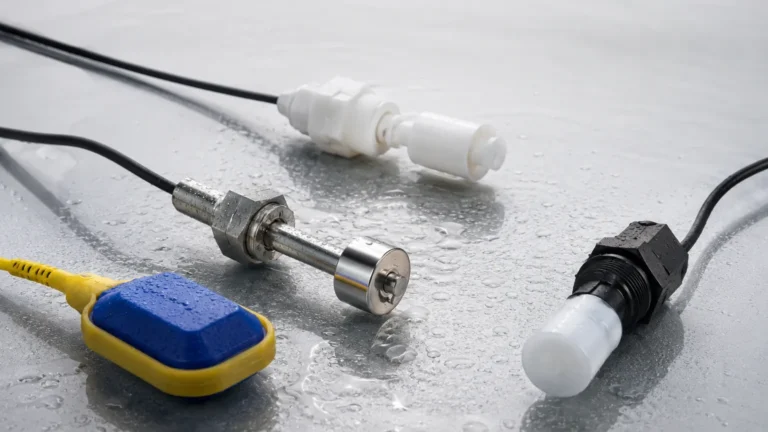
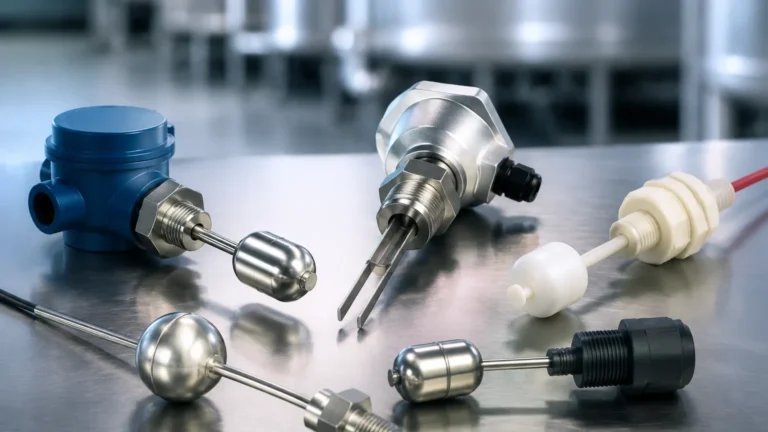
One of the defining characteristics of the level switch besta is its modularity. The system is typically divided into three functional groups, allowing users to mix and match components based on the application's chemical, thermal, and mechanical demands.
1. The Switch Module: This contains the electrical contacts (microswitches or pneumatic valves) and the housing. Housings are often available in aluminum or stainless steel, with various IP (Ingress Protection) ratings and explosion-proof certifications (ATEX/IECEx).
2. The Flange (Process Connection): This is the interface between the tank and the switch. Standard flanges (such as ANSI, DIN, or JIS) or square flanges are used depending on the vessel's requirements.
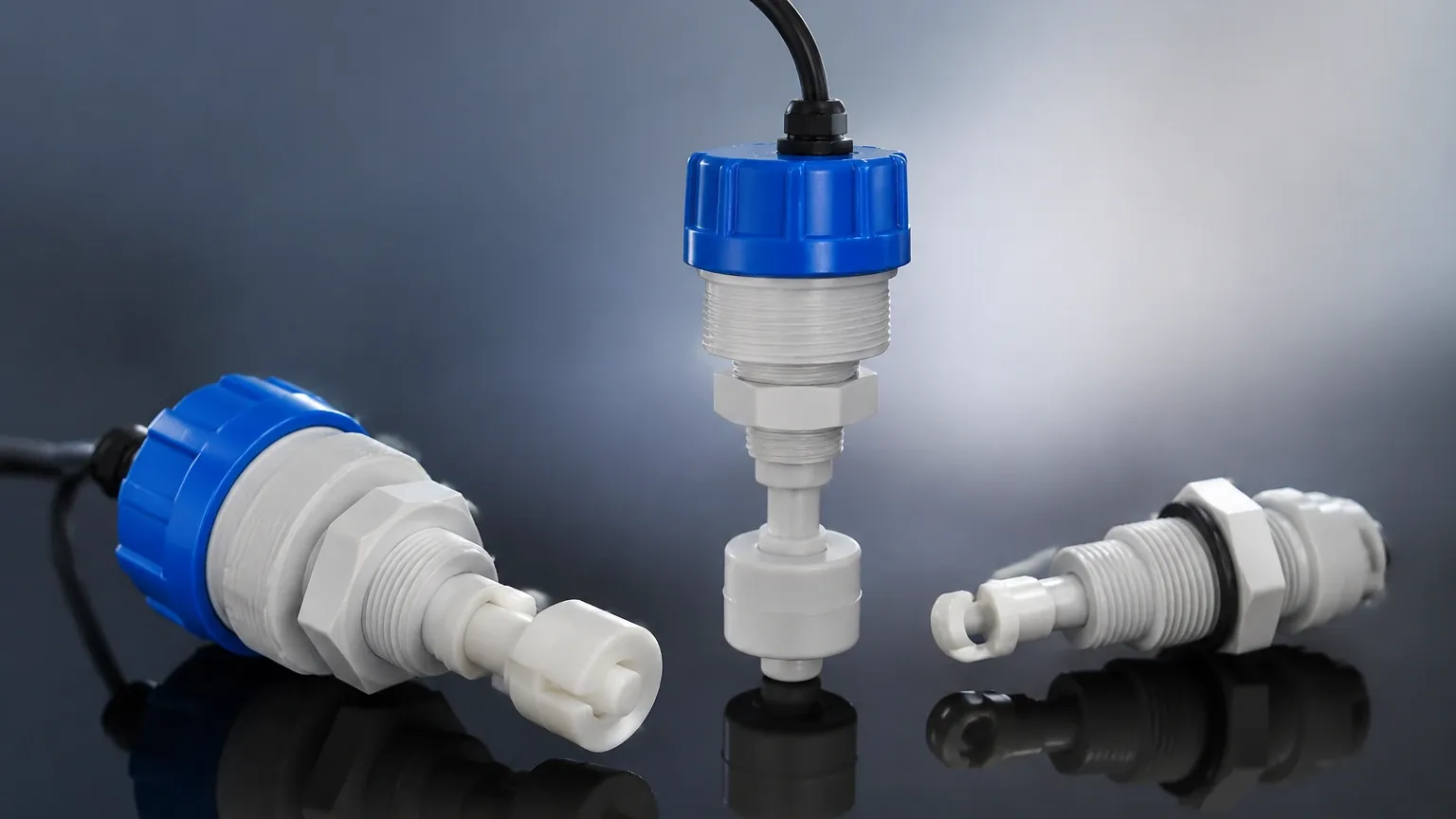
3. The Float and Rod: This component is in direct contact with the medium. It must be selected based on the liquid's density (specific gravity), temperature, and chemical compatibility. Materials often include 316L stainless steel, Hastelloy, or various plastics like PP or PVDF.
Technical Selection Criteria
Selecting the correct configuration for a level switch besta requires a detailed analysis of the process environment. Failure to account for density or pressure can lead to instrument malfunction.
Liquid Density (Specific Gravity)
The float must be buoyant enough to rise with the liquid. Most standard magnetic float switches require a minimum density of 0.7 g/cm³ (700 kg/m³). For lighter liquids, such as liquefied gases or certain hydrocarbons, specialized high-buoyancy floats or displacement-type switches may be required.
Pressure and Temperature Limits
Standard industrial level switches can handle temperatures ranging from -50°C to +400°C, provided the correct switch module and cooling fins are utilized. Pressure ratings often extend up to 250 bar (25 MPa), depending on the flange and float design. It is vital to verify that the float will not collapse under the maximum operating pressure of the vessel.
Material Compatibility
For corrosive media, such as acids or seawater, the wetted parts must be resistant to degradation. While 316L stainless steel is the industry standard, aggressive chemicals may necessitate the use of PTFE coatings or exotic alloys.
Comparison of Level Switch Technologies
While the level switch besta is a robust choice for many applications, it is helpful to compare it with other point level technologies offered by manufacturers like Welk to ensure the best fit for a specific project.
| Technology | Principle | Best For | Limitations |
| :— | :— | :— | :— |
| Magnetic Float (Besta) | Magnetic coupling | High pressure/temp, clean liquids | Sensitive to build-up and debris |
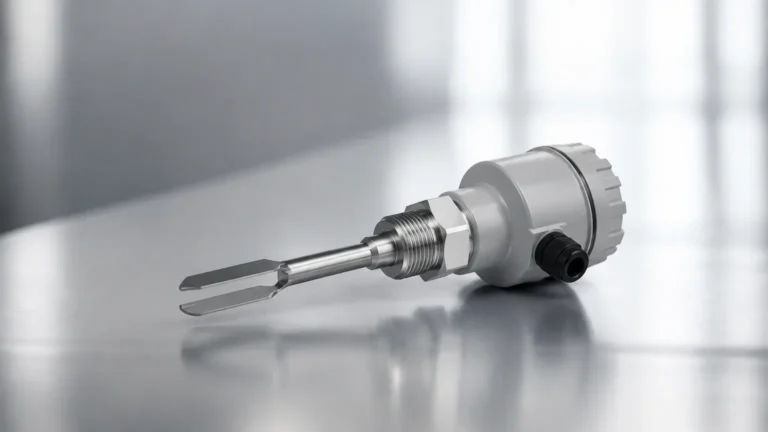
| Tuning Fork | Vibration frequency shift | Slurries, powders, liquids | Not suitable for highly viscous media |
| Ultrasonic Switch | Sound wave attenuation | Non-contact, clean liquids | Affected by foam and heavy vapor |
| Conductivity Switch | Electrical circuit completion | Conductive liquids (water-based) | Only works with conductive media |
| Displacement Switch | Buoyancy force change | Low density liquids, interface | Large footprint inside the tank |
Installation and Maintenance Considerations
Proper installation is critical to the longevity and accuracy of a level switch besta. Engineers should follow these guidelines to ensure optimal performance.
Mounting Positions
* Side Mounting: This is the most common installation method for modular magnetic switches. The switch is mounted horizontally on the side of the tank. The float movement is perpendicular to the tank wall.
* Top Mounting: If side access is restricted, vertical mounting is possible using a 90-degree rod extension or a displacement-style configuration.
Clearance and Turbulence
The float requires sufficient clearance to move through its full arc without striking the tank wall or internal structures like baffles. In tanks with high turbulence or agitation, a stilling well (a perforated pipe) should be installed around the float to prevent mechanical damage and false switching.
Wiring and Safety
For applications in hazardous areas, the switch must be wired according to local electrical codes. If the switch is used in a Safety Instrumented System (SIS), the SIL (Safety Integrity Level) rating of the device must be verified. Most high-quality Level Switches provide SPDT (Single Pole Double Throw) or DPDT (Double Pole Double Throw) contacts to allow for both a local alarm and a signal to a PLC or DCS.
Limitations and Risks
Despite their robustness, magnetic float switches have specific limitations:
1. Build-up and Scaling: If the liquid is prone to crystallization or contains heavy solids, these materials can accumulate on the float or the pivot point, causing the switch to stick. In such cases, a non-contacting method or a vibrating fork switch is preferred.
2. Magnetic Particles: If the process fluid contains ferromagnetic particles (e.g., iron filings), they may adhere to the internal magnet of the float, interfering with the magnetic coupling or weighing down the float.
3. Mechanical Wear: While the magnetic coupling reduces wear, the pivot point of the lever arm is a mechanical component that can eventually wear out after hundreds of thousands of cycles, especially in high-vibration environments.
Practical Selection Table for Besta-Style Switches
When specifying a switch, use the following table to align process requirements with component materials.
| Process Condition | Recommended Float Material | Recommended Housing |
| :— | :— | :— |
| General Water/Oil | 316L Stainless Steel | Aluminum IP65 |
| Corrosive Chemicals | Hastelloy C or PTFE Coated | Stainless Steel IP67 |
| High Temperature (>250°C) | 316L with Cooling Fins | Aluminum with Heat Shield |
| Food & Beverage | Polished 316L (Sanitary) | Stainless Steel (Easy Clean) |
| Offshore/Marine | 316L or Titan | Salt-water resistant Aluminum |
Frequently Asked Questions (FAQ)
Q: Can a level switch besta be used for liquid-liquid interface detection?
A: Yes, provided there is a sufficient density difference between the two liquids (typically at least 0.1 g/cm³). The float is weighted so that it sinks in the upper, lighter liquid but floats on the lower, heavier liquid.
Q: How do I test the switch without filling the tank?
A: Many modular switches feature a manual test actuator. This allows an operator to mechanically move the float or the internal mechanism from the outside to verify that the electrical circuit triggers correctly.
Q: What is the difference between a microswitch and a proximity switch in these units?
A: A microswitch provides a physical contact closure and can usually handle higher current loads. A proximity switch (like a Reed switch) is often used for lower power signals or in environments where a completely sealed switching element is required to prevent oxidation of the contacts.
Q: Are these switches suitable for cryogenic applications?
A: Yes, but they require specific materials that remain ductile at extremely low temperatures and specialized housings to prevent ice formation from interfering with the switch mechanism.
Conclusion
The level switch besta remains a preferred choice for industrial point level detection due to its modularity and the inherent safety of its magnetic coupling principle. By carefully matching the float material, flange type, and switch module to the specific process conditions, engineers can ensure a long service life with minimal maintenance. For applications involving complex media or extreme environments, consulting with a professional manufacturer like Welk can provide customized solutions that exceed standard specifications. Whether for simple pump control or critical safety shutdowns, selecting the right Level Switches is a fundamental step in robust process design.