Level Switch Kasuga
Level Switch Kasuga
In the realm of industrial automation and fluid management, the name Kasuga is frequently associated with robust electrode-type level control systems. A level switch Kasuga system typically utilizes the conductivity of the liquid to complete an electrical circuit, triggering a relay to start or stop pumps, open valves, or activate alarms. This technology is a staple in water treatment, building services, and general industrial tank management due to its simplicity and high reliability in conductive media.
Understanding the nuances of these systems is essential for plant engineers and maintenance professionals. While many modern facilities are transitioning toward non-contact technologies, the electrode-based level switch remains a cost-effective and durable solution for applications where the liquid is conductive and relatively free of heavy fouling. This guide explores the measurement principles, selection criteria, and installation requirements for these systems, while also contextualizing them within the broader market of industrial Level Switches.
Understanding the Measurement Principle of Electrode Level Switches
The fundamental principle behind a level switch Kasuga system—and similar electrode-based sensors—is the conductivity of the liquid being measured. This is often referred to as a conductive level switch or a liquid level relay system.
The Conductive Circuit
The system consists of a level relay (the controller) and a set of electrodes (the probes) suspended in the tank. The controller applies a low-voltage Alternating Current (AC) to the electrodes. When the liquid level rises and touches an electrode, a small current flows through the liquid from the sensing electrode back to the "common" or ground electrode. This completes the circuit, which the relay detects and converts into a switching signal.
Why Use Alternating Current?
It is critical to note that these systems use AC rather than Direct Current (DC). Using DC would cause electrolysis, leading to the rapid corrosion of the electrodes and the potential decomposition of the liquid. By using a low-voltage AC signal (typically between 8V and 24V), the system prevents chemical buildup on the probes and ensures a longer operational lifespan.
Multi-Point Detection
By using multiple electrodes of varying lengths, a single level switch Kasuga controller can manage complex logic, such as:
* High-Level Alarm: Triggered when the liquid reaches the shortest electrode.
* Pump Start/Stop: Utilizing two electrodes to create a hysteresis loop (differential control), preventing the pump from "chattering" or cycling too rapidly as the surface ripples.
* Low-Level Protection: Ensuring pumps do not run dry by cutting power when the liquid falls below a specific probe.
Technical Specifications and Selection Criteria
Selecting the right level switch Kasuga components requires an evaluation of the liquid properties, tank environment, and the required control logic. The system is generally divided into the relay unit (internal to the control panel) and the electrode holder/probes (exposed to the process).
1. Liquid Conductivity
The most important factor is the conductivity of the medium. The liquid must have a minimum conductivity (often measured in microsiemens per centimeter, µS/cm) to allow the relay to sense the circuit.
* Suitable Liquids: Tap water, seawater, sewage, acids, and alkaline solutions.
* Unsuitable Liquids: Pure distilled water, oils, gasoline, and most organic solvents, as these do not conduct electricity sufficiently.
2. Electrode Materials
The choice of material for the probes depends on the chemical aggressiveness of the fluid.
| Material | Application | Temperature Limit |
| :— | :— | :— |
| SUS304 Stainless Steel | General tap water, clean industrial water | Up to 100°C |
| SUS316 Stainless Steel | Wastewater, mildly corrosive chemicals | Up to 100°C |
| Titanium / Hastelloy | Highly corrosive acids or seawater | Varies by holder |
| Resin-Coated Probes | Preventing false triggers from foam or splashing | 70°C – 90°C |
3. Number of Poles
Kasuga systems are often categorized by the number of electrodes they support. A 3-pole system is standard for simple pump control (High, Low, Common), while 4-pole or 5-pole systems allow for additional high/low alarms or dual-pump alternation.
Installation Best Practices for Electrode Systems
Proper installation is the difference between a system that lasts decades and one that fails within months. When installing a level switch Kasuga system, follow these engineering guidelines:
Electrode Length and Spacing
Probes are typically supplied in 1-meter lengths and can be connected using threaded couplers to reach greater depths.
* Separators: For probes longer than 1 meter, ceramic or plastic spacers (separators) must be used every 500mm to 1000mm to prevent the electrodes from touching each other due to liquid turbulence, which would cause a false signal.
* The Common Electrode: The "Common" electrode (often labeled E3 in a 3-pole system) must always be the longest probe to ensure the circuit has a return path at all levels.
Mounting and Environment
* Verticality: Electrodes must be mounted perfectly vertical. If the tank has an agitator or high inflow turbulence, the probes should be installed inside a stilling well (a perforated pipe) to protect them from mechanical stress and surface waves.
* Venting: Ensure the tank is properly vented. If a vacuum or pressure builds up, it can affect the electrode holder seals, though these systems are generally designed for atmospheric tanks.
* Wiring Distance: The distance between the electrode holder and the relay unit in the control panel should not exceed the manufacturer's specification (typically 100m to 1000m depending on the sensitivity of the relay) to avoid the effects of cable capacitance.
Comparative Analysis: Electrode vs. Alternative Level Switches
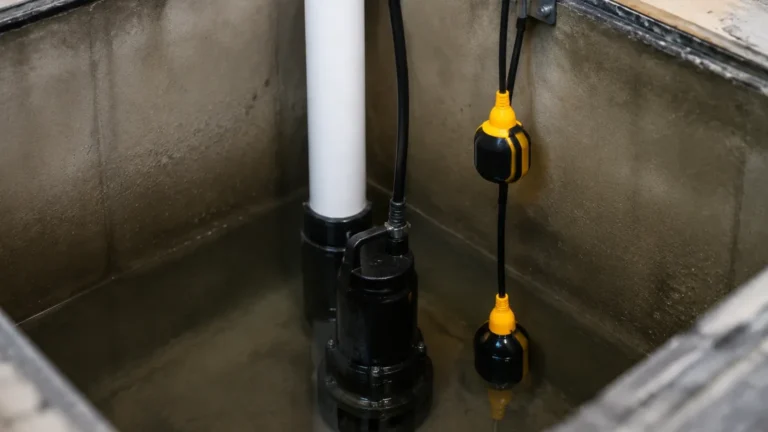
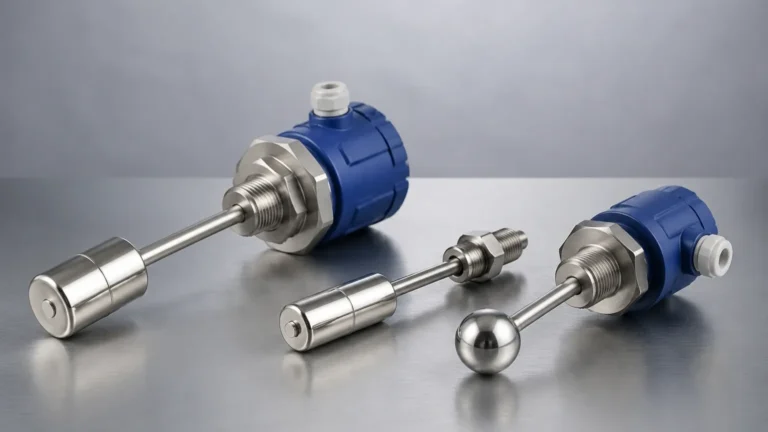
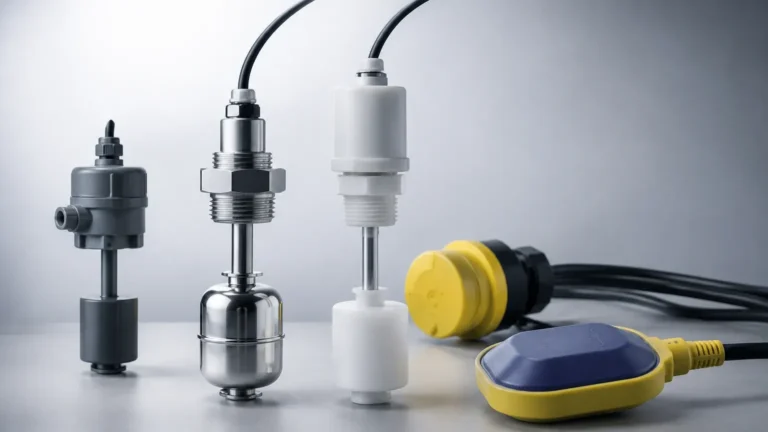
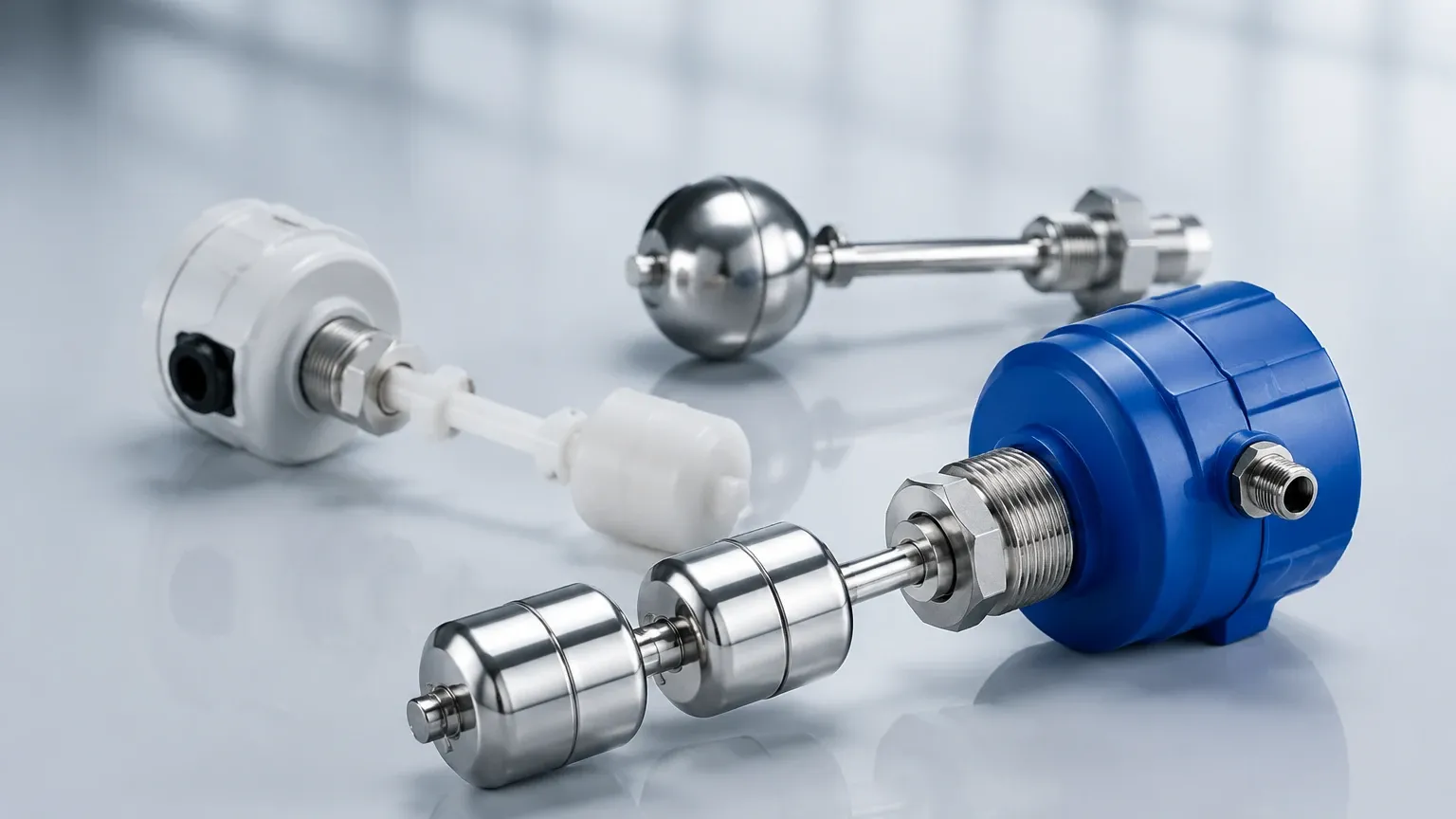
While the level switch Kasuga is a reliable choice for many, it is important to compare it against other Level Switches available in the industrial market, such as those manufactured by Welk.
| Feature | Electrode (Kasuga Type) | Float Switch | Ultrasonic Sensor |
| :— | :— | :— | :— |
| Moving Parts | None | Yes (Mechanical) | None |
| Media Type | Conductive Liquids Only | Most Liquids | Most Liquids/Solids |
| Maintenance | Low (Clean probes) | Moderate (Float fouling) | Very Low |
| Cost | Low | Low to Moderate | High |
| Accuracy | Point Detection | Point Detection | Continuous/Point |
| Limitations | No non-conductive fluids | Mechanical wear | Affected by foam/vapor |
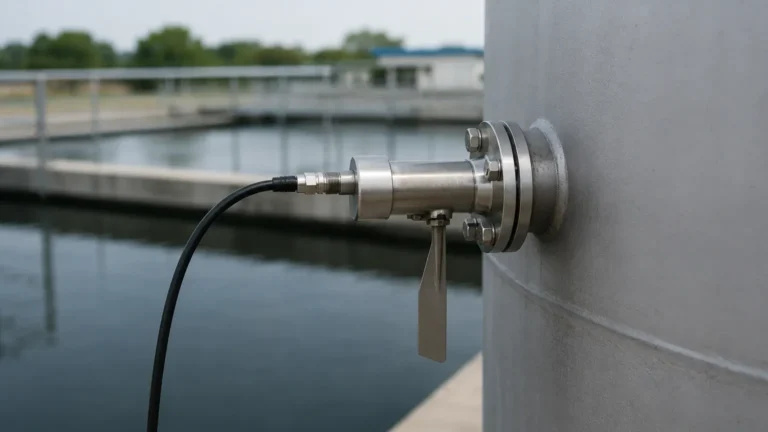
Electrode switches excel in dirty water applications where a mechanical float might get stuck by debris. However, for non-conductive oils or highly viscous sludge that might coat the probes and create a permanent conductive bridge, a tuning fork or ultrasonic switch may be preferred.
Maintenance and Troubleshooting Procedures
One of the primary advantages of the level switch Kasuga system is its ease of maintenance. However, certain environmental factors can lead to system errors.
Common Issues and Solutions
1. False High Signal: This often occurs due to "bridging." If the liquid is oily or contains debris, a film can form across the electrode spacers or the holder base, conducting electricity even when the water level is low.
* *Solution:* Periodically clean the electrodes and spacers with a mild detergent or abrasive cloth.
2. Pump Won't Start: This may be caused by oxidation on the probe tips, especially in harsh chemical environments.
* *Solution:* Sand the tips of the electrodes to reveal fresh metal or replace the probes if they have thinned significantly due to corrosion.
3. Relay Chattering: If the relay rapidly switches on and off, it is likely due to surface turbulence.
* *Solution:* Increase the distance between the "Start" and "Stop" electrodes or install a stilling well.
Routine Inspection Checklist
* Check for tightness in the electrode couplers.
* Ensure the relay unit in the panel is free of dust and the terminal screws are tight.
* Verify that the electrode holder cover is secure to prevent moisture ingress into the wiring terminals.
Frequently Asked Questions (FAQs)
Q: Can I use a level switch Kasuga for wastewater with heavy grease?
A: While possible, grease is non-conductive and can coat the electrodes, leading to a loss of signal. In these cases, it is recommended to use resin-shrouded electrodes or consider a non-contact ultrasonic sensor.
Q: How do I extend the electrodes if my tank is 5 meters deep?
A: You can use stainless steel electrode rods and connect them using specialized threaded connecting nuts. It is vital to use ceramic separators every meter to maintain the gap between the rods.
Q: Is it safe to touch the electrodes while the system is powered?
A: While the voltage is low (8V-24V AC) and generally considered safe, it is standard safety practice to de-energize the control relay before performing maintenance on the electrodes to prevent any risk of electrical shock or accidental equipment startup.
Q: Can these switches be used in pressurized tanks?
A: Standard electrode holders are designed for atmospheric pressure. For pressurized applications, you must select a high-pressure electrode holder with specialized hermetic seals.
Conclusion
The level switch Kasuga remains a cornerstone of conductive liquid management. Its lack of moving parts and straightforward electrical logic make it an ideal choice for municipal water projects, cooling tower management, and industrial sumps. By understanding the requirement for conductivity and adhering to strict installation standards regarding electrode spacing and material selection, engineers can ensure a high-performance level control solution. For applications involving non-conductive media or requiring high-precision continuous measurement, exploring the wider range of Level Switches and sensors is recommended to find the optimal fit for specific process conditions.