Level Switch Pump
Level Switch Pump
In industrial fluid management, the integration of a level switch with a pump system is a fundamental requirement for automation, safety, and efficiency. Whether managing a wastewater sump, a chemical storage tank, or a cooling tower, the "level switch pump" configuration ensures that liquid levels remain within specified boundaries without manual intervention. This guide examines the technical principles, selection criteria, and installation practices necessary for implementing reliable pump control using various level sensing technologies.
Measurement Principles for Pump Automation
Before selecting a level switch for pump control, it is essential to understand the physical principles that govern how these devices detect the presence or absence of liquid. Different technologies offer varying degrees of reliability based on the properties of the medium.
Mechanical Float Switches
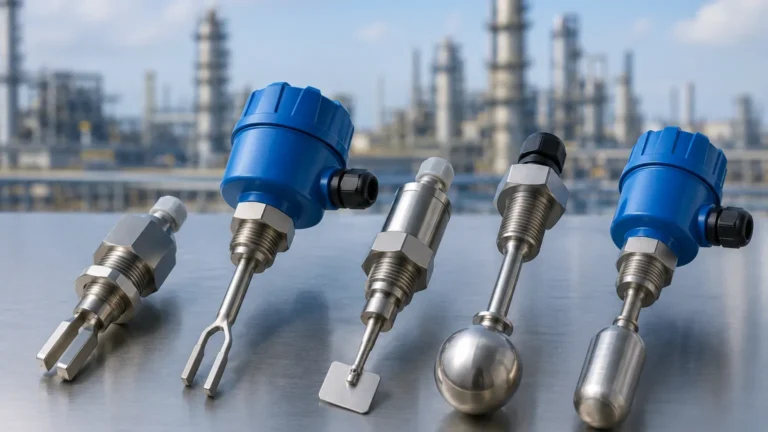
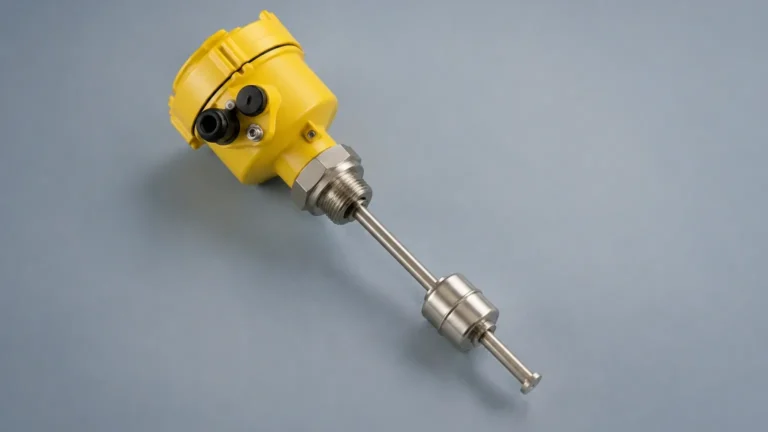
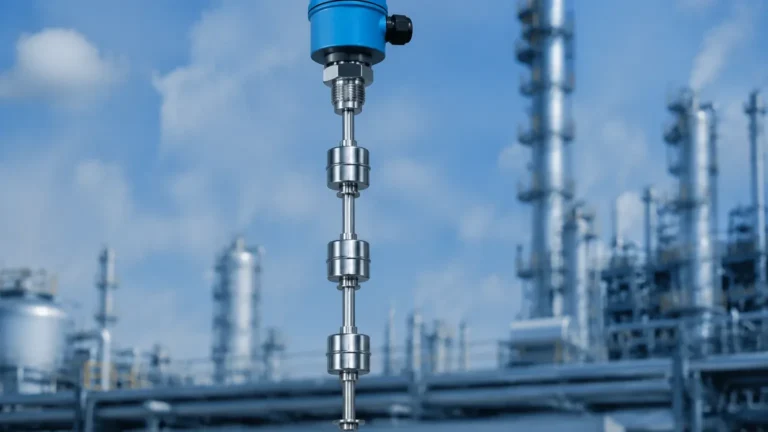
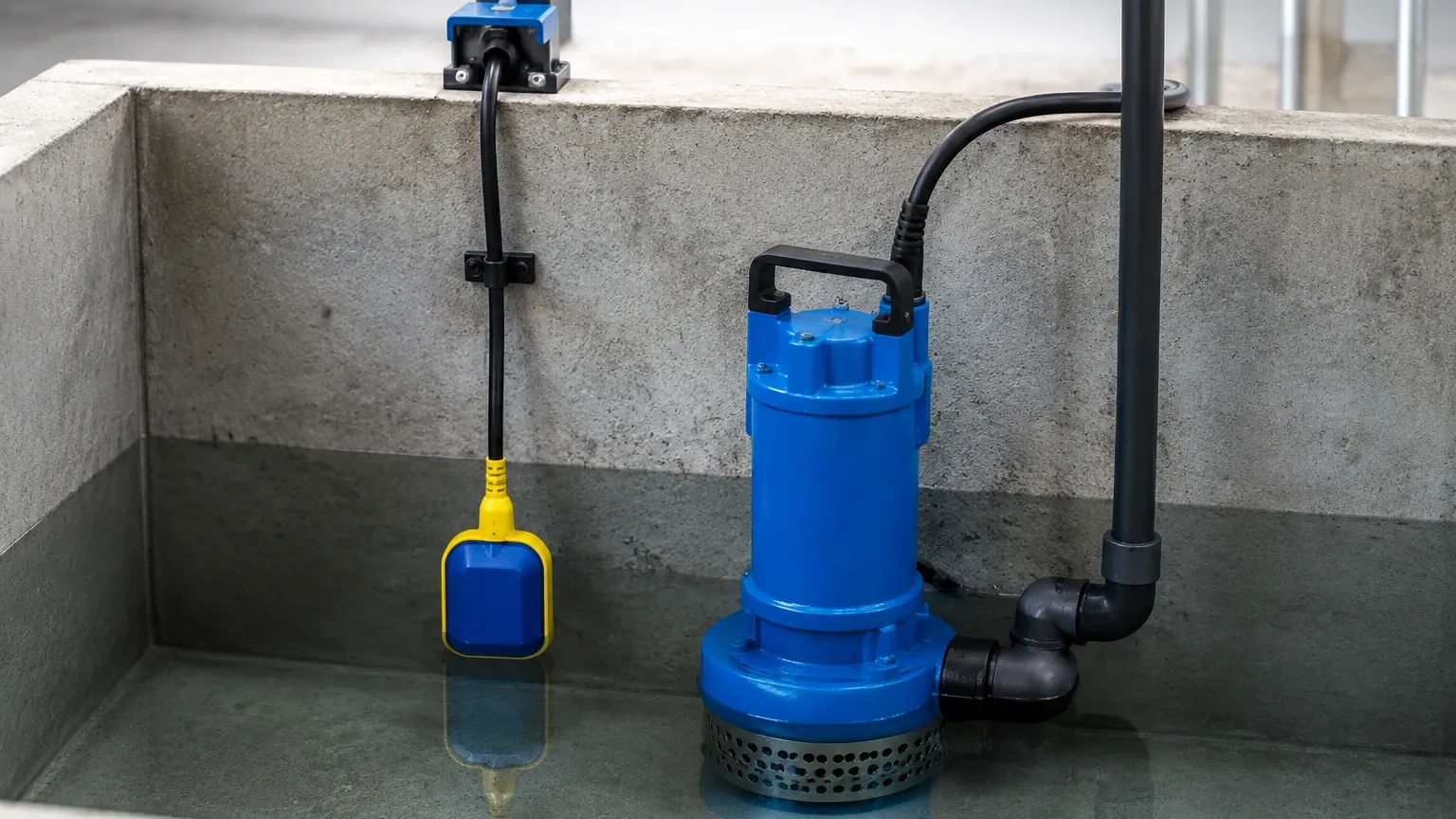
Mechanical float switches operate on the principle of buoyancy. A hollow float, often containing a magnet or a microswitch, rises and falls with the liquid level. In a magnetic float switch, the float moves along a stem; when it reaches a predetermined point, the internal magnet actuates a reed switch. For pump applications, these are frequently used in "tethered" configurations where the cable length determines the switching differential (the distance between the pump-on and pump-off points).
Vibrating Tuning Fork Switches
The tuning fork level switch utilizes piezoelectric crystals to vibrate a metal fork at its natural frequency in the air. When the liquid covers the fork, the frequency changes or the vibration is dampened. This change is detected by the electronics and converted into a switching signal. These switches are highly resistant to changes in flow, turbulence, bubbles, and foam, making them ideal for high-level or low-level pump protection.
Ultrasonic Level Switches
Ultrasonic switches use high-frequency sound waves. A transducer emits a pulse that reflects off the liquid surface. While often used for continuous measurement, ultrasonic point level switches detect the presence of liquid when the sound wave is interrupted or reflected at a specific gap. Because they are non-contact, they are excellent for corrosive or viscous liquids that might foul a mechanical float.
Capacitive Level Switches
These switches measure the change in capacitance between two electrodes (or one electrode and the tank wall) as the liquid level rises. Since liquids have a different dielectric constant than air, the presence of the medium changes the circuit's capacitance, triggering the switch. These are effective for detecting liquids with high dielectric constants, such as water-based solutions.
The Relationship Between Level Switches and Pump Logic
A level switch pump system typically functions in one of two primary modes: emptying (sump control) or filling (tank replenishment). Understanding the electrical logic is critical for preventing pump damage and ensuring process continuity.
Emptying Logic (Sump/Drainage)
In an emptying application, the goal is to prevent a vessel from overflowing while ensuring the pump does not run dry.
1. High Level (Start): When the liquid reaches the upper switch, the pump is energized.
2. Low Level (Stop): When the liquid drops to the lower switch, the pump is de-energized to prevent cavitation and dry-running.
Filling Logic (Storage/Header Tanks)
In a filling application, the pump maintains a minimum volume of liquid in a tank.
1. Low Level (Start): When the liquid falls below the lower switch, the pump starts to refill the tank.
2. High Level (Stop): Once the liquid reaches the upper switch, the pump stops to prevent overfilling.
Hysteresis and Differential Control
To prevent "chattering"—where a pump rapidly cycles on and off due to surface ripples—engineers use two separate switches or a single switch with a built-in differential (hysteresis). By setting a distinct gap between the start and stop points, the system allows the pump to run for a meaningful duration, extending the lifespan of the motor and contactors.
Technical Selection Criteria for Level Switch Pump Applications
Choosing the correct Level Switches requires an analysis of the operating environment and the fluid characteristics. Welk provides a range of industrial-grade sensors designed to meet these specific challenges.
| Criteria | Float Switch | Tuning Fork | Ultrasonic | Capacitive |
| :— | :— | :— | :— | :— |
| Viscosity | Low (Avoid sticky media) | Moderate | High | Moderate |
| Pressure Range | Up to 40 bar | Up to 64 bar | Atmospheric | Up to 25 bar |
| Temperature | Up to 150°C | Up to 250°C | Up to 80°C | Up to 200°C |
| Foam Resistance | Good | Excellent | Poor | Moderate |
| Maintenance | Moderate (Moving parts) | Low | Low | Low |
| Cost | Low | Moderate | High | Moderate |
Medium Properties
* Density: Mechanical floats must be lighter than the liquid they displace. If the liquid density changes significantly, the float may fail to rise.
* Corrosiveness: For aggressive chemicals, PTFE or PVDF coatings are required. Non-contact ultrasonic sensors are often preferred here.
* Conductivity: Conductive level switches are simple and cost-effective but only work with conductive liquids like water or acids.
Environmental Factors
* Turbulence: In tanks with heavy agitation, a stilling well should be used to protect the switch from mechanical stress and false triggers.
* Build-up: If the medium is prone to scaling or coating (like wastewater or slurry), tuning forks or capacitive switches with "active shield" technology are necessary to ignore coating on the sensor.
Installation and Wiring Considerations
Proper installation is as important as sensor selection. A poorly placed level switch can lead to pump failure or environmental hazards.
1. Mounting Position: Switches can be mounted top-down, side-entry, or bottom-up. For pump control, side-entry switches are often used to define specific high and low points. Ensure that the switch is not located directly in the path of the falling liquid from an inlet pipe, as this will cause false readings.
2. Cable Protection: In submerged applications, the cable should be chemical-resistant and secured to prevent it from being sucked into the pump intake.
3. Electrical Isolation: Level switches typically handle low currents. When controlling a high-power pump motor, the switch should trigger a relay or a motor starter rather than switching the pump load directly. This protects the delicate contacts within the switch.
4. Dry Run Protection: It is a best practice to install a redundant low-level switch. This "safety low" acts as a hard-stop for the pump, independent of the primary control logic, to ensure the pump never runs without fluid.
Limitations and Risk Mitigation
While level switches are highly reliable, they are not infallible. Engineers must account for the following risks:
* Mechanical Fatigue: Float switches have moving parts that can wear out or become stuck due to debris. Regular inspection intervals are necessary.
* Air Pockets: In tuning fork applications, if the fork is mounted in a way that traps air (an "air pocket"), it may fail to detect the liquid. Mounting the fork at a slight downward angle (typically 15-20 degrees) allows air to escape and liquid to drain.
* Dielectric Changes: Capacitive switches may require recalibration if the fluid composition changes significantly, as the dielectric constant affects the trigger point.
Frequently Asked Questions (FAQ)
Q: Can I use a single level switch to start and stop a pump?
A: Yes, if the switch has a wide hysteresis or is a tethered float switch where the "swing" of the float provides enough distance between the on and off positions. However, for most industrial tanks, two separate switches (High and Low) are preferred for precise control.
Q: How do I handle pump control in a tank with heavy foam?
A: Avoid ultrasonic and capacitive switches, as foam can cause false triggers. A vibrating tuning fork switch is the most reliable option for foamy environments because it detects the density of the liquid rather than the surface of the foam.
Q: What is the benefit of a non-contact switch for pump control?
A: Non-contact switches, like ultrasonic or radar-based point switches, do not touch the medium. This eliminates issues related to corrosion, material build-up, and mechanical wear, significantly reducing maintenance costs in harsh chemical applications.
Q: At what distance should the level switch be placed from the pump intake?
A: The switch should be far enough to avoid the vortex created by the pump intake, which can cause the liquid level to drop locally around the sensor. A minimum distance of 0.5 to 1 meter is generally recommended, depending on the pump's flow rate.
By carefully matching the measurement principle to the specific fluid and environmental conditions, a level switch pump system can provide years of maintenance-free service. For complex applications involving high temperatures or aggressive media, consulting with a manufacturer like Welk ensures that the selected instrumentation meets the necessary safety and accuracy standards.