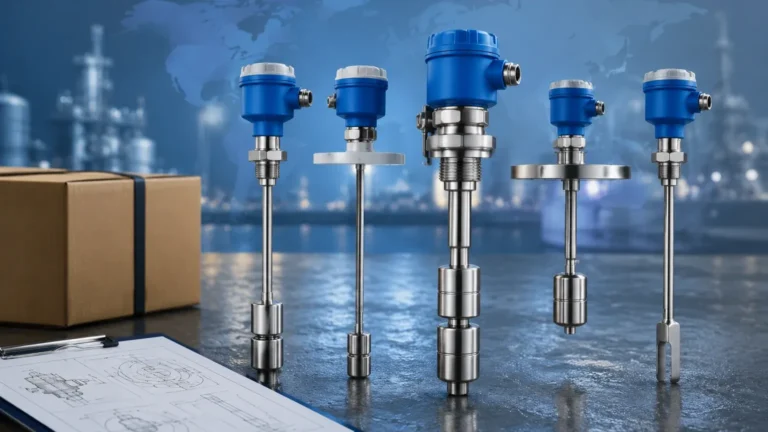
Level Switch Xylem
Level Switch Xylem
In the realm of industrial water management and wastewater treatment, the term level switch xylem often refers to the robust, tilt-activated float switches and point-level sensors associated with Xylem’s portfolio of brands, such as Flygt. These devices are fundamental components in pump control, lift station automation, and tank level monitoring. Understanding the engineering principles behind these switches, as well as the broader category of Level Switches, is essential for process engineers and facility managers who require high reliability in demanding environments.
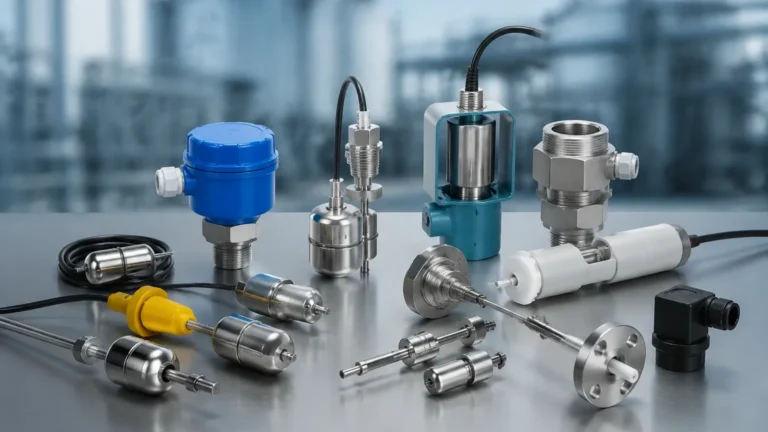
Level switches serve as the "eyes" of an automated system, providing discrete signals to start or stop pumps, trigger high-level alarms, or prevent dry-running of equipment. While the "teardrop" float switch is a classic example of the level switch xylem style, modern industrial applications often demand a variety of sensing technologies—including vibrating forks, ultrasonic switches, and hydrostatic sensors—to ensure accuracy across different media and vessel geometries.
Measurement Principles of Level Switches
Before selecting a specific device, it is critical to understand the physical principles that govern point-level detection. Level switches operate on several distinct mechanisms, each suited to specific fluid characteristics.
Mechanical Tilt and Float Principles
The most common level switch xylem configuration is the tilt-activated float. These devices consist of a buoyant housing (often polypropylene) containing a microswitch or a mercury-free proximity sensor. As the liquid level rises, the float tilts. Once it reaches a specific angle (typically around 45 degrees), the internal ball or weight moves, toggling the switch state. These are favored in wastewater because their smooth, rounded shape prevents the accumulation of "ragging" or solid debris.
Vibrating Tuning Fork Principle
For applications requiring higher precision or those involving clean liquids and powders, vibrating fork switches are preferred. An electronic circuit excites a metal fork to vibrate at its natural resonance frequency. When the fork is submerged in a medium, the frequency changes. The electronics detect this shift and switch the output. This technology is highly resistant to changes in pressure, temperature, and dielectric constants.
Conductivity and Capacitance
Conductive level switches use the liquid itself to complete an electrical circuit between two electrodes. This is highly effective for water-based media but unsuitable for oils or non-conductive hydrocarbons. Capacitive switches, on the other hand, measure the change in capacitance between a probe and the tank wall, making them versatile for both liquids and solids, though they may require calibration for different media.
Key Evaluation Criteria for Selection
Choosing between a standard level switch xylem float and a more advanced electronic switch requires a detailed analysis of the process conditions. Engineers must confirm the following parameters before procurement:
1. Media Density and Viscosity: Float switches require a specific gravity (SG) lower than the liquid to function correctly. High-viscosity fluids may impede the movement of mechanical floats, whereas tuning forks might be dampened by thick sludge.
2. Chemical Compatibility: The housing material (PP, PVC, or Stainless Steel) and the cable jacket (PVC, Neoprene, or TPE) must be resistant to the chemicals present in the tank. In wastewater, H2S gas and hydrocarbons are common concerns.
3. Temperature and Pressure: Standard plastic float switches are often limited to 60°C (140°F) and atmospheric pressure. For high-pressure boilers or chemical reactors, stainless steel switches or non-contact ultrasonic sensors are necessary.
4. Switching Logic: Determine whether the application requires Normally Open (NO) or Normally Closed (NC) logic. Many modern switches offer SPDT (Single Pole Double Throw) contacts to allow for both configurations.
Practical Selection Table
| Feature | Tilt Float (Teardrop) | Vibrating Tuning Fork | Ultrasonic Point Switch | Conductive Probe |
| :— | :— | :— | :— | :— |
| Best Application | Wastewater, Sump Pumps | Chemical Processing | Corrosive Liquids | Conductive Water/Acids |
| Solids Handling | Excellent (Anti-fouling) | Moderate | Good (Non-contact) | Poor (Fouling risk) |
| Precision | Low (±50mm) | High (±1mm) | High (±2mm) | Moderate |
| Max Temperature | 60°C | 150°C+ | 80°C | 100°C+ |
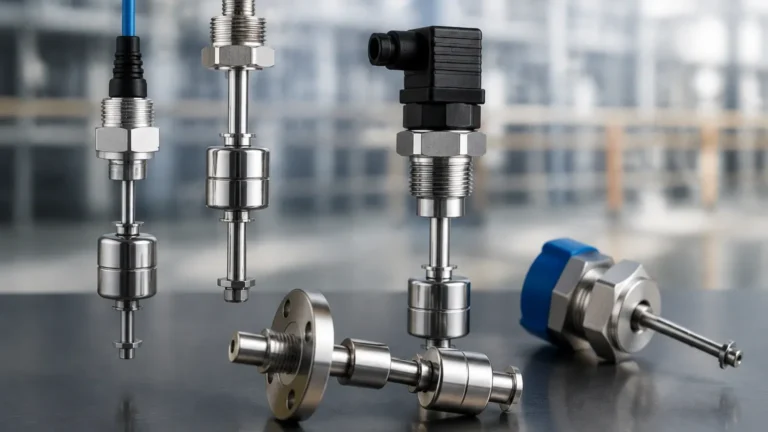
| Installation | Suspended by cable | Threaded/Flanged | Top-mounted | Threaded |
Installation Considerations and Best Practices
Proper installation is the single most important factor in the longevity of Level Switches. Even the highest quality level switch xylem components will fail if subjected to improper mechanical stress.
Cable Positioning and Weighting
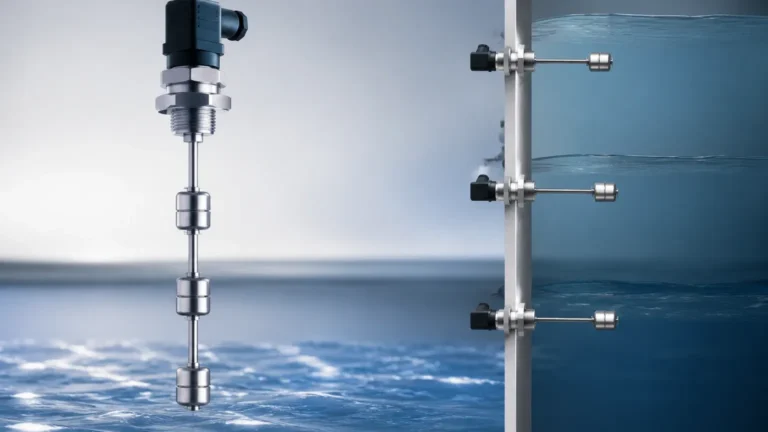
For suspended float switches, the "tether length" determines the switching differential (the distance between the start and stop levels). A weight is often attached to the cable to act as a pivot point. It is essential to ensure that the weight is securely fastened and that the cable has enough slack to tilt freely without getting caught on pump hardware or ladders.
Avoiding Turbulence
In tanks with high inflow or agitators, level switches should be installed in a stilling well or protected by a baffle. Turbulent water can cause "chatter"—rapid cycling of the switch—which can lead to premature failure of the contactor and the pump motor.
Electrical Protection
Level switches are often located in wet environments. Ensuring a watertight seal at the junction box is paramount. Use of cable glands with the appropriate IP rating (IP68 for submersion) and drip loops in the wiring will prevent moisture from traveling down the cable into the electronics.
Limitations and Common Risks
While robust, level switches are not "set and forget" devices. Engineers should be aware of the following risks:
* Mechanical Wear: The internal microswitch in a float has a finite number of cycles. In high-frequency switching applications, electronic sensors (like ultrasonic or radar) may offer a longer service life.
* Material Fatigue: Constant flexing of the cable in tilt switches can eventually lead to jacket cracking, allowing water to ingress and short the circuit. Regular inspection of the cable integrity is required.
* Buildup and Scaling: In lime-softening or mineral-heavy processes, scale can build up on the sensor. While a teardrop float is designed to shed debris, a thick layer of scale can eventually increase its weight, preventing it from floating.
* Environmental Hazards: In explosive atmospheres (Class I, Div 1), switches must be used with intrinsically safe barriers or be rated as explosion-proof.
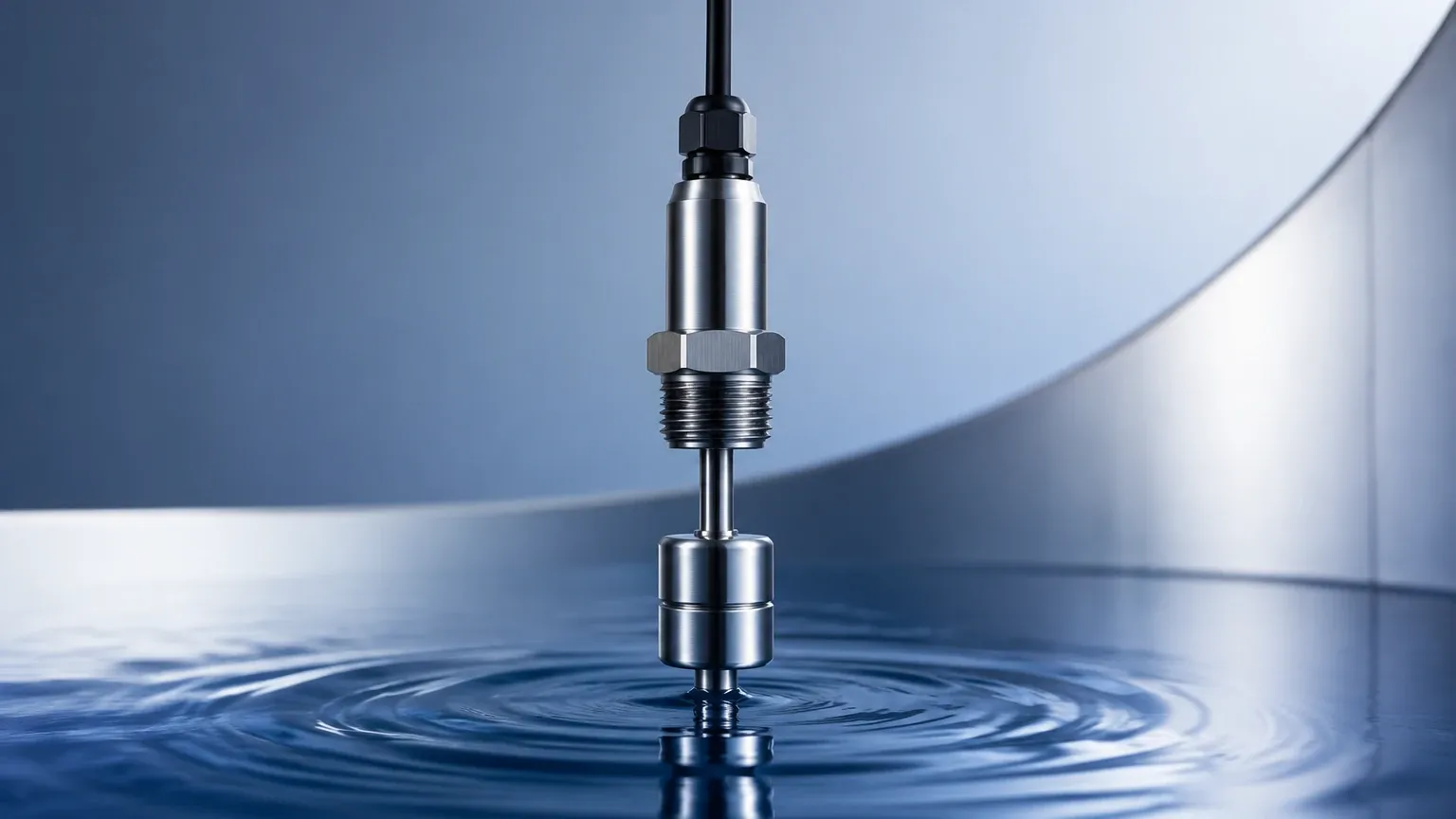
Comparison: Welk Solutions vs. Industry Standards
As a professional manufacturer, Welk provides a comprehensive range of industrial level measurement instruments that complement or replace traditional level switch xylem setups. While Xylem-associated brands focus heavily on the municipal water sector, Welk’s portfolio extends into industrial automation with advanced radar level meters and ultrasonic sensors that provide continuous data rather than just point-level switching.
For users looking for Level Switches, Welk offers customized OEM/ODM services, ensuring that the materials and switching thresholds are tailored to specific industrial requirements, often providing a more cost-effective solution for large-scale deployments in chemical and oil and gas sectors.
Frequently Asked Questions (FAQ)
Q: Can a level switch xylem float be used in potable water?
A: Yes, provided the housing is made of food-grade materials and the internal components are mercury-free. Always check for certifications like NSF/ANSI 61 for drinking water applications.
Q: How do I test if my level switch is functioning correctly?
A: For a float switch, manually tilt the device while measuring continuity across the leads with a multimeter. For electronic switches like tuning forks, most have a built-in LED indicator or a test button to simulate a covered state.
Q: What is the advantage of a dual-point level switch?
A: A dual-point switch (or using two separate switches) allows for hysteresis. For example, one switch turns the pump on at a high level, and the second turns it off at a low level. This prevents the pump from "short-cycling," which can burn out the motor.
Q: Are there wireless versions of these switches?
A: While most industrial level switches are hard-wired for reliability, wireless transmitters can be integrated into the junction box to send the switch state to a PLC or SCADA system over LoRaWAN or Cellular networks.
Summary of Confirmations for Project Success
Before finalizing a purchase or installation plan for a level switch xylem system, project teams should confirm:
* The exact chemical composition of the liquid.
* The required switching differential (distance between on/off).
* The electrical load (voltage and amperage) the switch will handle directly, or if it will trigger a relay.
* The physical constraints of the tank, including the presence of internal piping or agitators.
By following these engineering guidelines and considering both traditional mechanical switches and modern electronic Level Switches, operators can ensure a reliable, long-term solution for their level control needs.