Liquid Level Float Switches
Liquid Level Float Switches
In the landscape of industrial automation and process control, liquid level float switches remain one of the most reliable and cost-effective methods for point-level detection. These devices are engineered to open or close an electrical circuit as the liquid level rises or falls to a specific point. Because of their mechanical simplicity and high degree of reliability, they are widely deployed in industries ranging from water treatment and chemical processing to oil and gas and food production.
This guide provides a comprehensive technical overview of liquid level float switches, detailing their operating principles, selection criteria, and installation requirements to assist engineers and procurement professionals in choosing the correct instrumentation for their specific applications.
Understanding the Measurement Principle of Float Switches
The operation of liquid level float switches is fundamentally based on Archimedes' Principle of buoyancy. A float—a hollow or low-density component—is placed in a liquid. As the liquid level changes, the float moves vertically or pivots along with the surface.
The Reed Switch Mechanism
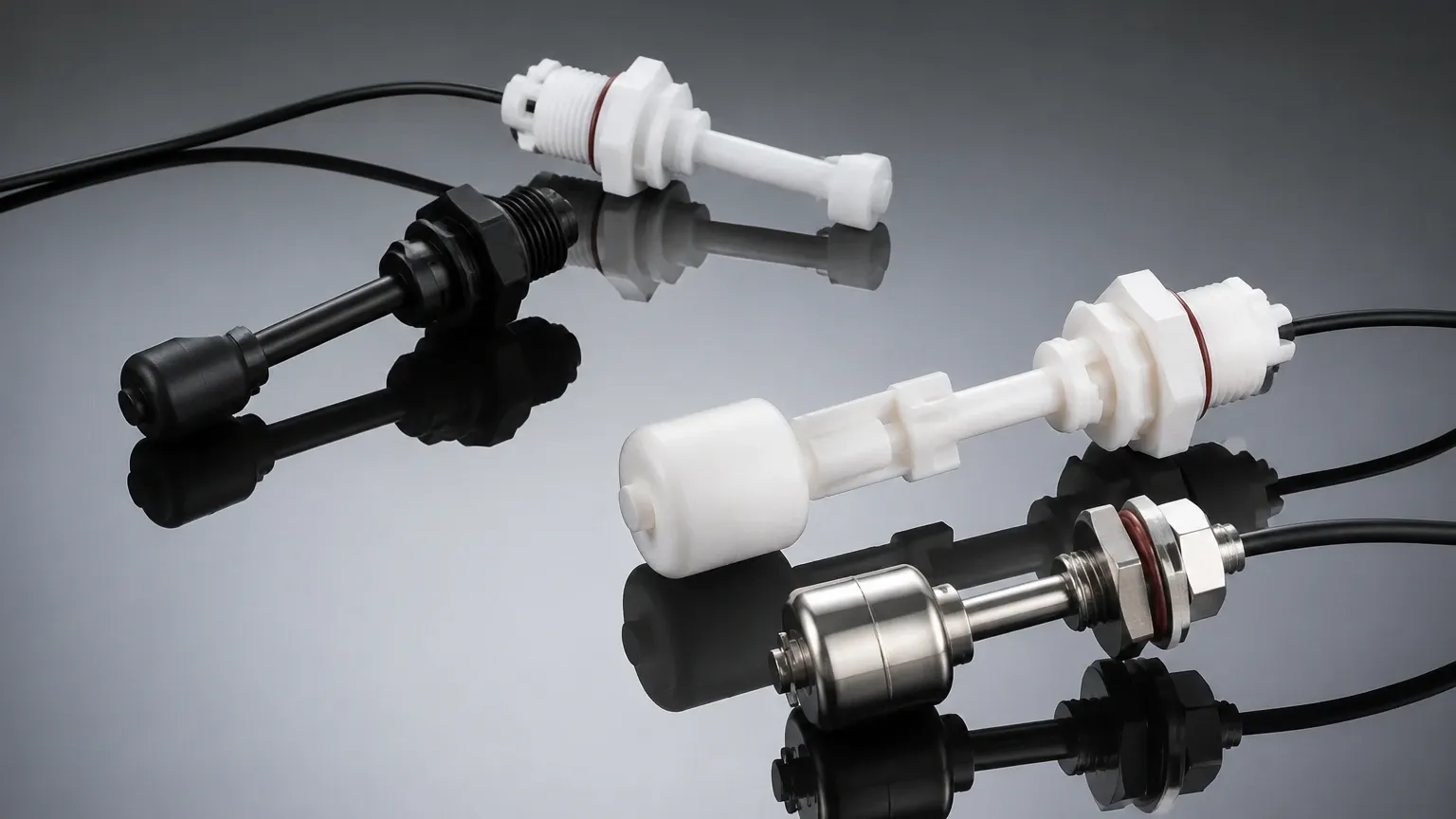
Most modern industrial float switches utilize a magnetic reed switch mechanism. Inside the stationary stem or housing of the switch is a hermetically sealed reed switch, which consists of two overlapping, ferromagnetic blades (reeds). The float itself contains a permanent magnet.
When the liquid level moves the float into proximity with the reed switch, the magnetic field pulls the reeds together (closing the circuit) or pushes them apart (opening the circuit). Because the switch components are sealed within a stem—often made of stainless steel or plastic—they are protected from oxidation, corrosion, and the liquid itself, ensuring a long operational lifespan.
Mechanical Microswitches
In larger or heavy-duty applications, such as cable-suspended float switches used in wastewater pits, a mechanical microswitch or a rolling ball mechanism may be used. As the float tilts beyond a certain angle, the internal ball moves to actuate the switch. These are typically used for high-current applications where a reed switch might be insufficient without an intermediate relay.
Common Configurations of Liquid Level Float Switches
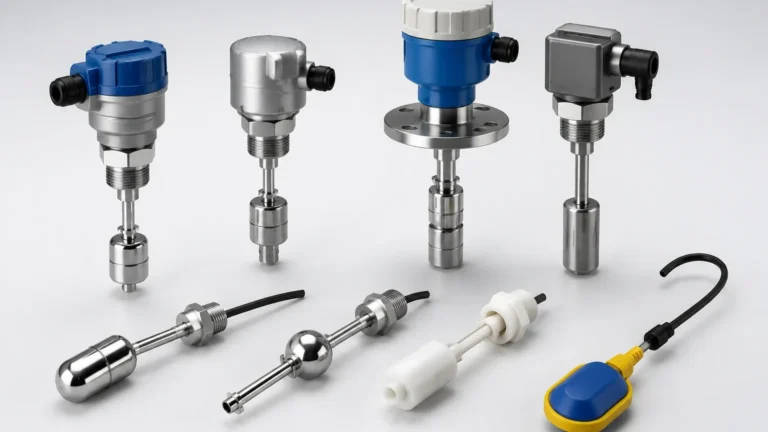
Depending on the tank geometry and the specific process requirements, Level Switches are available in several distinct configurations. Selecting the right mounting style is critical for both performance and ease of maintenance.
1. Vertical Top-Mounted Switches
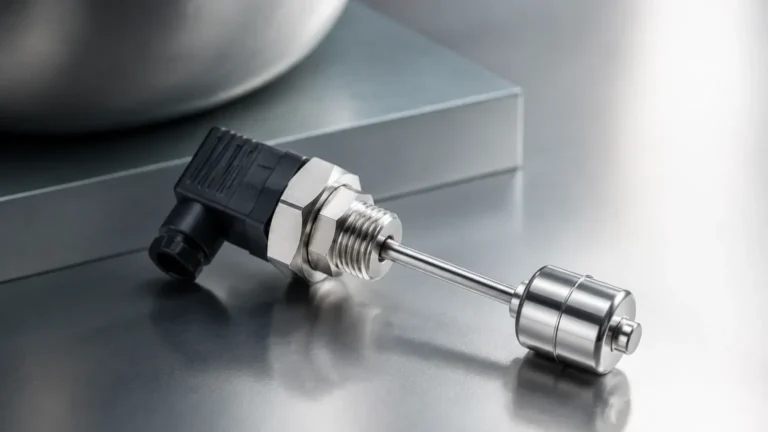
These are installed through the top of a tank or vessel. They can feature a single float for one-point detection (e.g., high-level alarm) or multiple floats on a single stem to provide multi-point detection (e.g., pump start, pump stop, and high-level alarm). They are ideal for deep tanks where side access is restricted.
2. Side-Mounted (Horizontal) Switches
Side-mounted switches are installed through the wall of a tank via a threaded or flanged connection. They typically use a hinged float that moves in an arc. When the liquid reaches the float, it pivots upward, triggering the internal switch. These are excellent for space-constrained environments or for providing redundant high/low alarms in small process vessels.
3. Cable-Suspended Float Switches
Commonly referred to as "tethered" switches, these consist of a weighted float attached to a flexible cable. They are primarily used in open sumps, wells, and large water treatment basins. The switching point is adjusted by changing the length of the cable or moving a counterweight. They are highly resistant to turbulence and debris, making them the standard for sewage and wastewater applications.
Material Selection and Chemical Compatibility
The longevity of a liquid level float switch is heavily dependent on its material compatibility with the process media. Industrial manufacturers like Welk provide a variety of materials to suit different chemical environments.
* Stainless Steel (304 or 316L): The industry standard for high-pressure and high-temperature applications. It is suitable for oils, fuels, and many chemicals. 316L offers superior corrosion resistance in marine or acidic environments.
* Polypropylene (PP): A cost-effective choice for general-purpose water applications and many acids or alkalis. However, it has lower temperature and pressure limits compared to metals.
* Polyvinylidene Fluoride (PVDF) / Teflon (PTFE): Used for highly aggressive chemicals and ultra-pure water applications where contamination must be avoided.
* Buna-N (Nitrile Rubber): Often used for the float material in oil and fuel applications due to its excellent buoyancy and resistance to petroleum products.
Engineering Selection Table for Level Switches
When specifying a switch, engineers must compare the physical properties of the liquid against the mechanical limits of the device. The following table provides a general comparison of common configurations.
| Feature | Vertical Stainless Steel | Side-Mounted Plastic | Cable-Suspended (Tether) |
| :— | :— | :— | :— |
| Max Temperature | Up to 200°C | Up to 80°C | Up to 60°C |
| Max Pressure | Up to 4.0 MPa (40 bar) | Up to 0.5 MPa (5 bar) | Atmospheric |
| Min. Specific Gravity | 0.45 – 0.80 | 0.60 – 0.90 | 0.90 – 1.05 |
| Mounting | Top / Bottom (Thread/Flange) | Side (Threaded) | Suspended by Cable |
| Typical Application | High-pressure boilers, oil tanks | Chemical dosing, small tanks | Sumps, wastewater, basins |
| Durability | Excellent | Moderate | High (for solids/debris) |
Key Evaluation Criteria: Specific Gravity and Pressure
One of the most common mistakes in selecting liquid level float switches is overlooking the Specific Gravity (SG) of the liquid. For a float to function, its own density must be lower than the density of the liquid it is intended to measure.
If a float is designed for water (SG 1.0) and is placed in a light hydrocarbon (SG 0.7), the float may not rise, leading to a failure to switch. Always confirm that the float's minimum SG rating is lower than the lowest expected SG of the process fluid, accounting for temperature fluctuations which can lower liquid density.
Furthermore, Operating Pressure must be considered. In high-pressure vessels, thin-walled hollow floats may collapse. For high-pressure applications (exceeding 2.0 MPa), heavy-duty stainless steel floats with reinforced walls are required.
Installation Guidelines and Best Practices
Proper installation ensures the accuracy of the switch and prevents premature mechanical failure. Consider the following engineering requirements during the design phase:
1. Avoid Turbulence: If the tank has an agitator or high-velocity inlet flow, the float may bounce, causing "chatter" in the electrical signal. In such cases, a stilling well (a perforated pipe surrounding the switch stem) should be installed to dampen the liquid movement.
2. Orientation and Polarity: For vertical switches, ensure the stem is perfectly vertical (within ±30 degrees for most models). For magnetic switches, ensure the float is installed with the correct side up; many floats are marked with an arrow or "Top" to ensure the internal magnet aligns correctly with the reed switch.
3. Switch Logic (NO/NC): Most float switches allow the user to change the logic from Normally Open (NO) to Normally Closed (NC) by simply removing a retaining clip and flipping the float upside down. This should be verified before the tank is filled.
4. Electrical Protection: Reed switches are sensitive to current spikes. If the switch is controlling a motor or a high-power solenoid directly, an intermediate relay or a suppression circuit (such as a varistor or RC snubber) must be used to prevent the contacts from welding shut.
Operational Limitations and Environmental Factors
While liquid level float switches are robust, they are not suitable for every environment. Understanding their limitations is key to avoiding process downtime.
* Viscosity and Coating: High-viscosity liquids or fluids that tend to crystallize or form scales can "stick" the float to the stem. In these applications, non-contact methods like ultrasonic or radar level meters may be more appropriate.
* Magnetic Particles: Since many float switches use internal magnets, any metallic or magnetic particles in the liquid can accumulate on the float, eventually weighing it down or jamming the mechanism.
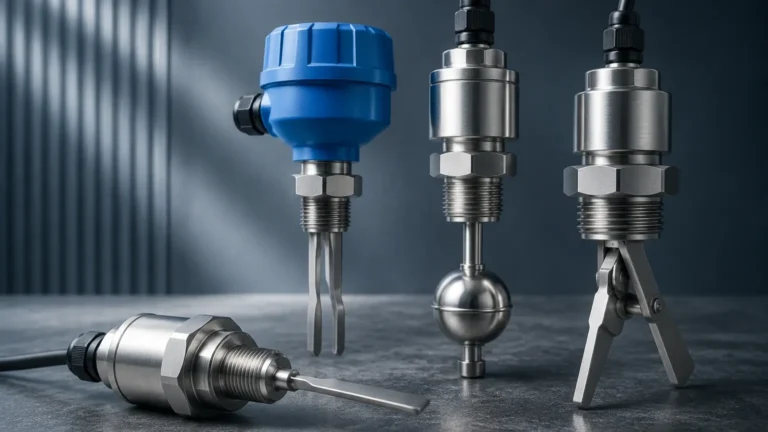
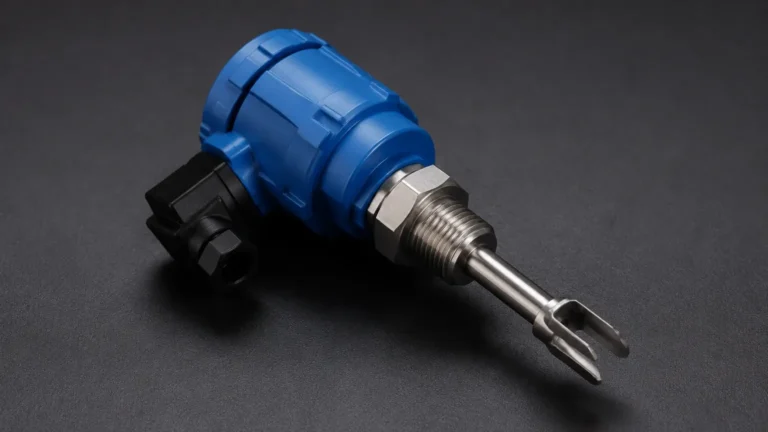
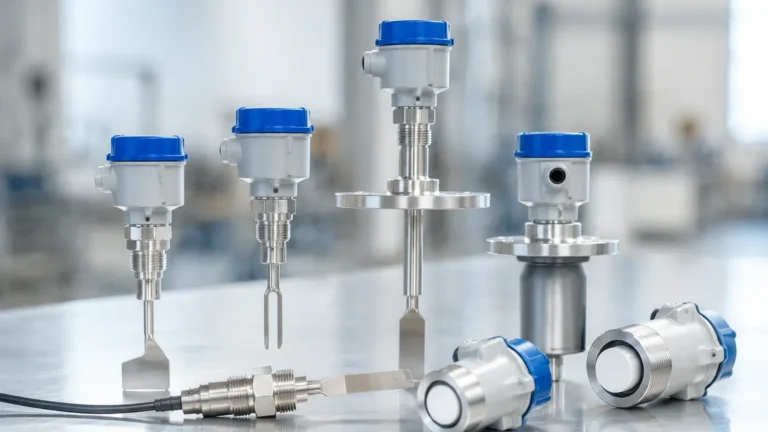
* Mechanical Wear: Because they are moving parts, float switches are subject to mechanical wear over millions of cycles. In critical safety applications (High-High Alarms), it is standard practice to use redundant switches or combine a float switch with a different technology, such as a tuning fork level switch.
Frequently Asked Questions (FAQ)
Q: Can float switches be used in hazardous (Ex) areas?
A: Yes, but they must be paired with an intrinsically safe barrier or be housed in an explosion-proof enclosure. Since the reed switch is a "simple apparatus" in many regulatory frameworks, it is easily integrated into intrinsically safe circuits.
Q: How do I handle foaming liquids?
A: Float switches are generally better at handling foam than ultrasonic sensors because the float responds to the liquid density, not the foam surface. However, extremely thick or heavy foam can still interfere with float movement. A heavier float or a stilling well is recommended.
Q: What is the maximum length for a vertical float switch stem?
A: Standard industrial stems can reach up to 3 or 4 meters. For lengths beyond this, the stem may require intermediate support brackets to prevent bending due to liquid movement or tank vibrations.
Q: Can I use a single float for two different levels?
A: No, a single float generally triggers one switch point. For multiple levels (e.g., high and low), you need a multi-point level switch which contains multiple reed switches at different heights within the same stem, each triggered by its own float or a shared float depending on the design.
Conclusion
Liquid level float switches provide a fundamental, reliable, and highly customizable solution for point-level monitoring. By carefully considering material compatibility, specific gravity, and electrical requirements, engineers can implement a level control system that requires minimal maintenance and provides years of service. For complex applications involving high pressures, aggressive chemicals, or multi-point detection, it is advisable to consult with a specialist manufacturer to ensure the instrument is tailored to the specific process conditions.
For more detailed specifications and to explore various configurations, you can Review product options and application support to find the ideal match for your industrial requirements.