X Switches
X Switches
In the landscape of industrial automation and process control, point level detection remains a fundamental requirement for safety, inventory management, and operational efficiency. While continuous level measurement provides a real-time data stream of vessel contents, Level Switches—often referred to in technical specifications as x switches when designating limit or explosion-proof variants—serve as the critical "eyes" for discrete state changes. These devices are engineered to trigger an electrical signal when a liquid or solid reaches a specific height, facilitating pump control, overflow prevention, and dry-run protection.
Understanding the nuances of x switches requires a deep dive into the physical principles that govern their operation. Unlike continuous transmitters, these switches are binary; they are either "on" or "off." However, the reliability of that binary signal depends entirely on selecting the correct sensing technology for the specific gravity, viscosity, and chemical composition of the media being measured.
Measurement Principles of Point Level Detection
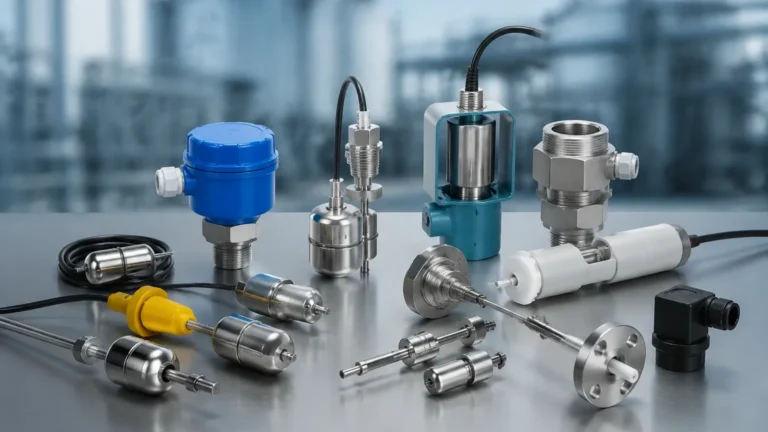
Before selecting a specific model of x switches, engineers must evaluate the physical interaction between the sensor and the process material. Several distinct principles dominate the industrial market, each with specific advantages for different applications.
Vibration (Tuning Fork) Principle
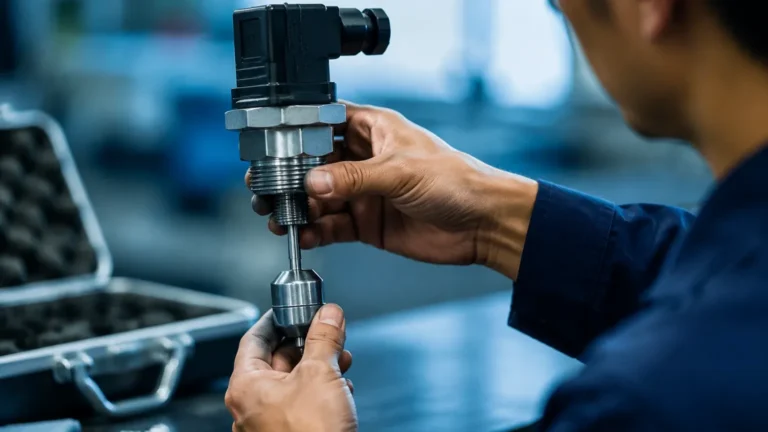
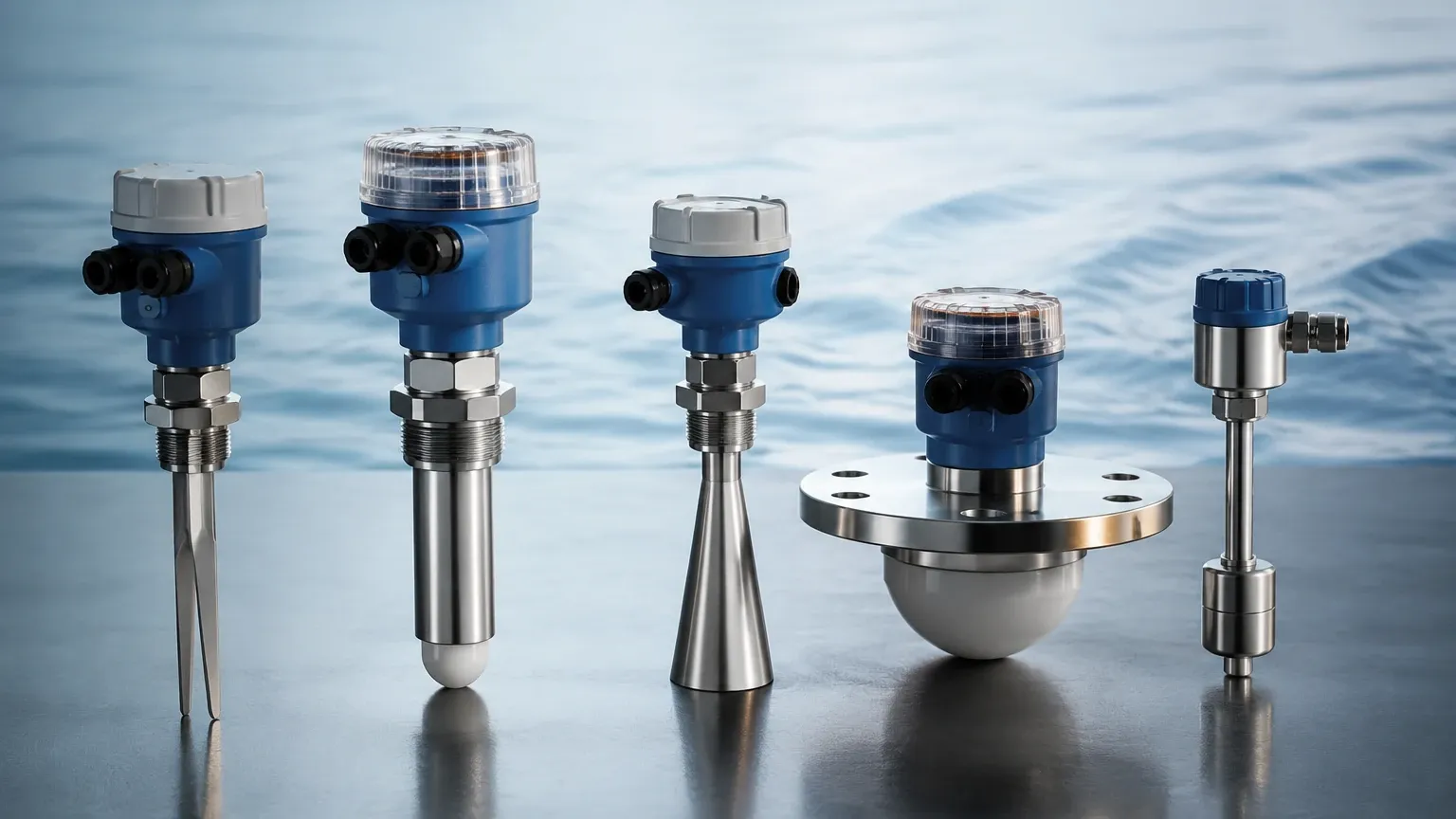
One of the most versatile technologies used in modern Level Switches is the vibrating tuning fork. The sensor consists of two tines that are vibrated at their natural resonant frequency by a piezoelectric crystal. When the tines are immersed in a liquid or solid, the frequency of vibration changes or is dampened. The internal electronics detect this frequency shift and convert it into a switching signal. This method is highly resistant to changes in flow, turbulence, bubbles, and foam.
Float and Magnetic Principle
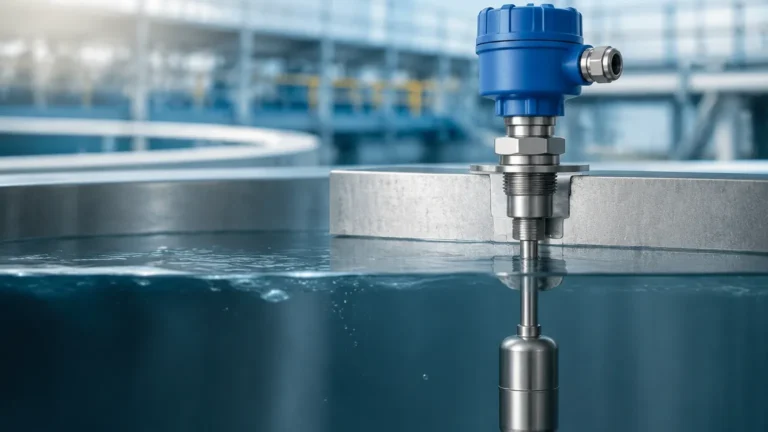
This is the most traditional form of level detection. A float containing a permanent magnet moves up and down a stem in response to the liquid level. Inside the stem, a reed switch (or a series of switches) is actuated when the magnet passes by. These x switches are purely mechanical in their primary action, making them simple to troubleshoot, though they are susceptible to mechanical wear and buildup in viscous fluids.
Capacitance Principle
Capacitive level switches operate by measuring the change in electrical capacitance between the sensor probe and the vessel wall (or a reference electrode). As the process media covers the probe, the dielectric constant changes, altering the capacitance. This technology is excellent for powders, granules, and liquids, provided the dielectric constant of the material is significantly different from air.
Conductivity Principle
Used primarily for conductive liquids like water or acids, these switches use a low-voltage electrode. When the liquid touches the electrode, an electrical circuit is completed between the probe and the tank wall (or a ground probe). These are cost-effective but limited to conductive media and are sensitive to electrode coating.
The Role of X Switches in Industrial Safety
In many engineering documents, the term "x switches" is utilized to describe limit switches that define the extreme boundaries of a process—specifically the High-High (HH) and Low-Low (LL) setpoints. These are often integrated into Safety Instrumented Systems (SIS) to provide an independent layer of protection.
In hazardous environments, such as oil refineries or chemical processing plants, x switches must carry specific certifications (such as ATEX, IECEx, or UL Class I, Div 1). These explosion-proof switches are designed with heavy-duty housings to contain any internal spark, preventing the ignition of flammable vapors in the surrounding atmosphere. When specifying x switches for these zones, the housing material (typically aluminum or stainless steel) and the conduit entry seals are as important as the sensing element itself.
Practical Selection Criteria for Level Switches
Selecting the appropriate switch involves more than just identifying the media. Engineers must consider the "four pillars" of instrument selection: process conditions, media characteristics, vessel geometry, and output requirements.
Process Conditions
* Temperature: Standard switches may handle up to 80°C (176°F), but high-temperature variants with cooling fins or ceramic insulators are required for steam or molten applications, sometimes reaching 250°C (482°F) or higher.
* Pressure: The mechanical integrity of the sensor must withstand the maximum operating pressure of the vessel. For high-pressure reactors, x switches with flanged connections are preferred over NPT threads to ensure a leak-proof seal.
Media Characteristics
* Viscosity: High-viscosity liquids can "stick" to tuning forks or coat capacitive probes, leading to false positives. In these cases, a switch with a "coat-rejection" feature or a heavy-duty mechanical float may be necessary.
* Corrosivity: The wetted parts (the parts touching the liquid) must be chemically compatible. While 316L stainless steel is standard, aggressive chemicals may require Hastelloy, Monel, or PTFE-coated probes.
Selection Comparison Table
| Technology | Media Type | Ideal Application | Limitations |
| :— | :— | :— | :— |
| Tuning Fork | Liquids/Solids | Overfill protection, pump control | Not for very high viscosity (clogging) |
| Float Switch | Clean Liquids | Water tanks, oil sumps | Moving parts can jam; sensitive to debris |
| Capacitive | Liquids/Granules | Plastic pellets, chemical silos | Affected by changes in moisture/dielectric |
| Conductive | Conductive Liquids | Wastewater, boiler feed water | Only for conductive media; probe coating |
| Ultrasonic Gap | Clean Liquids | Oil/Water interface | Sensitive to aerated liquids and bubbles |
Installation Considerations and Best Practices
Correct installation is the difference between a reliable safety system and a maintenance nightmare. Even the highest quality x switches will fail if the physical mounting ignores the dynamics of the process vessel.
Mounting Orientation
* Top Mounting: Usually involves long probe extensions. This is ideal for low-level alarms where the switch must reach deep into the tank. However, long probes are susceptible to bending if there is high-velocity lateral flow or agitation.
* Side Mounting: Common for high-level alarms. It allows for short, rigid probes that are less likely to be damaged by mechanical forces. When side-mounting tuning forks, the tines should be oriented so that material can easily drain off them, preventing "bridging."
Avoiding Interference
Switches should be installed away from the fill stream to avoid false triggering caused by splashing. If the tank has an agitator, the switch must be positioned outside the vortex and protected by a stilling well or a baffle if the mechanical force of the moving liquid is excessive.
Wiring and Signal Output
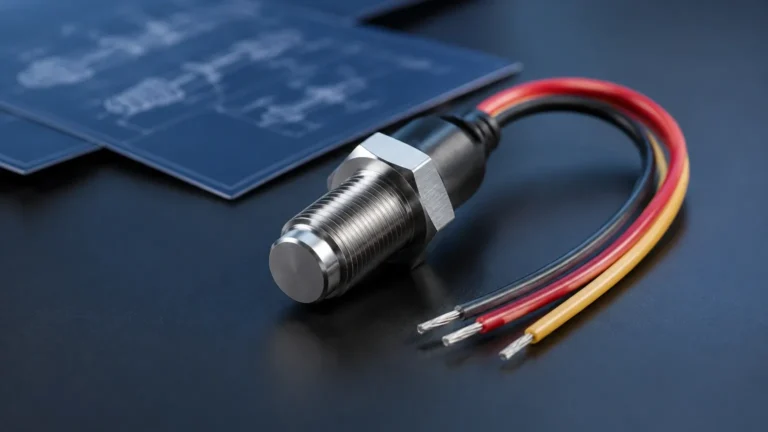
Most industrial x switches offer a Relay (SPDT/DPDT) output or a Transistor (PNP/NPN) output. For long-distance signal transmission to a PLC or DCS, a 2-wire NAMUR signal or a 4-20mA loop-powered switch may be used. It is vital to ensure that the power supply matches the instrument's requirements (e.g., 24V DC vs. 110/220V AC).
Limitations and Common Risks
While Level Switches are robust, they are not infallible. Engineers should be aware of the following risks:
1. Material Buildup: In applications involving slurries or dehydrating liquids, material can cake onto the sensor. For tuning forks, this changes the mass of the tines and causes a permanent "covered" signal. Regular cleaning or the use of non-stick coatings is required.
2. Turbulence and Foam: Mechanical floats can bounce in turbulent water, leading to "chatter" in the relay. This can be mitigated by using a time-delay relay or an electronic switch with built-in damping (e.g., a 1-3 second delay before switching).
3. Dielectric Shifts: Capacitive x switches are calibrated to a specific material. If the plant switches from one chemical to another with a different dielectric constant, the switch may fail to detect the new material or remain constantly triggered.
Maintenance and Calibration Procedures
Modern electronic x switches are often advertised as "maintenance-free," but in a B2B industrial context, periodic verification is mandatory for compliance with safety standards like SIL (Safety Integrity Level).
* Proof Testing: This involves manually raising the liquid level to trigger the switch or using a test button (if equipped) to simulate a high-level condition.
* Visual Inspection: Check for corrosion on the housing, integrity of the cable glands, and any signs of leaking at the process connection.
* Calibration: While many switches are factory-set, capacitive and certain ultrasonic switches may require on-site calibration using the actual process media to define the "empty" and "full" thresholds.
Frequently Asked Questions (FAQs)
Q: Can I use a liquid level switch for dry powders?
A: It depends on the technology. Tuning forks designed for liquids vibrate at a different frequency than those designed for solids. Capacitive switches can often handle both, but you must ensure the probe length and sensitivity are appropriate for the bulk density of the powder.
Q: What is the difference between a normally open (NO) and normally closed (NC) contact in this context?
A: For safety applications, "Fail-Safe" logic is usually employed. This typically means the switch is energized in the "safe" state (e.g., the relay is closed when the level is low). If power is lost or the level reaches the high setpoint, the circuit opens, triggering the alarm.
Q: How do I handle x switches in high-vibration environments?
A: High external vibration (from pumps or motors) can interfere with tuning fork switches. In these cases, it is best to use a switch with adjustable sensitivity or a different technology altogether, such as a heavy-duty float or a microwave switch.
Q: Are there x switches that can detect the interface between two liquids?
A: Yes. Interface switches are specifically designed to detect the boundary between two immiscible liquids (like oil and water). These typically use capacitance or ultrasonic gap technology, calibrated to trigger only when the higher-density or higher-dielectric liquid reaches the sensor.
Conclusion
The selection and implementation of x switches are foundational to modern industrial process control. By matching the measurement principle to the specific demands of the environment—be it the chemical resistance required in a pharmaceutical plant or the explosion-proof ruggedness needed on an oil rig—operators can ensure long-term reliability. Whether you are looking for simple overfill protection or complex limit controls for a Safety Instrumented System, choosing the right Level Switches is a critical step in protecting both personnel and assets.
Before finalizing a purchase, always confirm the process pressure, temperature, and chemical compatibility with the manufacturer's technical data sheets to ensure the device will perform as expected in the field.