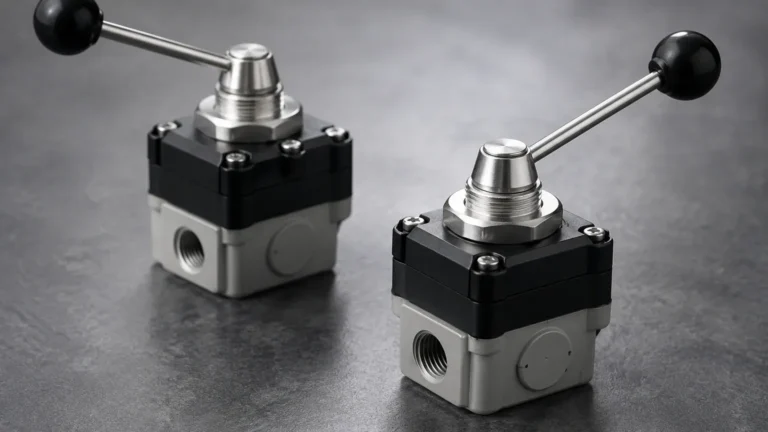
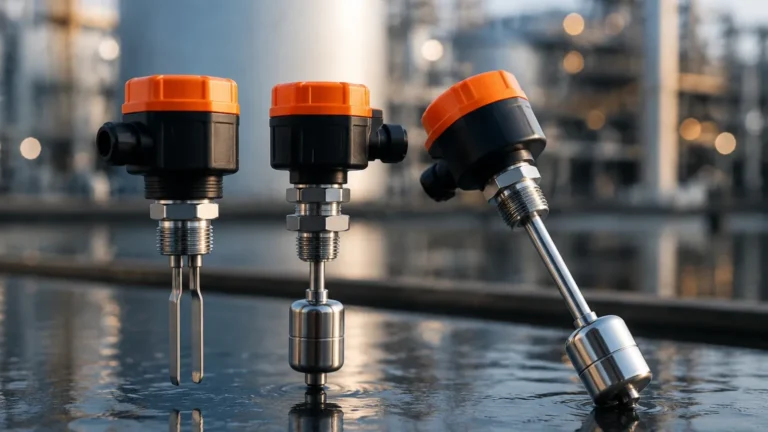
Y1 Switches
Y1 Switches
In the landscape of industrial automation and process control, point level detection remains a fundamental requirement for safety, efficiency, and inventory management. Among the various components used to achieve this, Y1 switches—often referred to in technical documentation as specific switch modules or terminal configurations within broader level control systems—play a critical role. These devices are engineered to provide reliable signaling when a substance reaches a predetermined height within a vessel or pipe.
Selecting the correct level measurement technology requires a deep understanding of both the physical principles at play and the specific environmental demands of the application. This guide explores the technical foundations of Level Switches, the specific characteristics of y1 switches, and the engineering considerations necessary for successful implementation.
Understanding Point Level Detection and Y1 Configurations
Point level detection differs from continuous level measurement in that it does not provide a constant readout of the fluid height. Instead, it acts as a binary indicator: the level is either above or below a specific point. This is essential for preventing tank overfills, protecting pumps from dry running, and automating the filling or emptying of process vessels.
In many industrial contexts, the term "Y1" is associated with the wiring logic or the specific switch assembly used in conjunction with magnetic level indicators or specialized relay outputs. These switches are typically mounted externally to a bypass chamber or directly into a tank. When the internal float—containing a permanent magnet—reaches the position of the Y1 switch, the magnetic field actuates the internal contact (usually a reed switch or a microswitch), changing the state of the electrical circuit.
Measurement Principles of Industrial Level Switches
Before selecting a specific Y1 configuration, it is vital to understand the underlying measurement principles that drive these instruments. Each technology has distinct advantages based on the physical properties of the media.
Magnetic Reed Principle
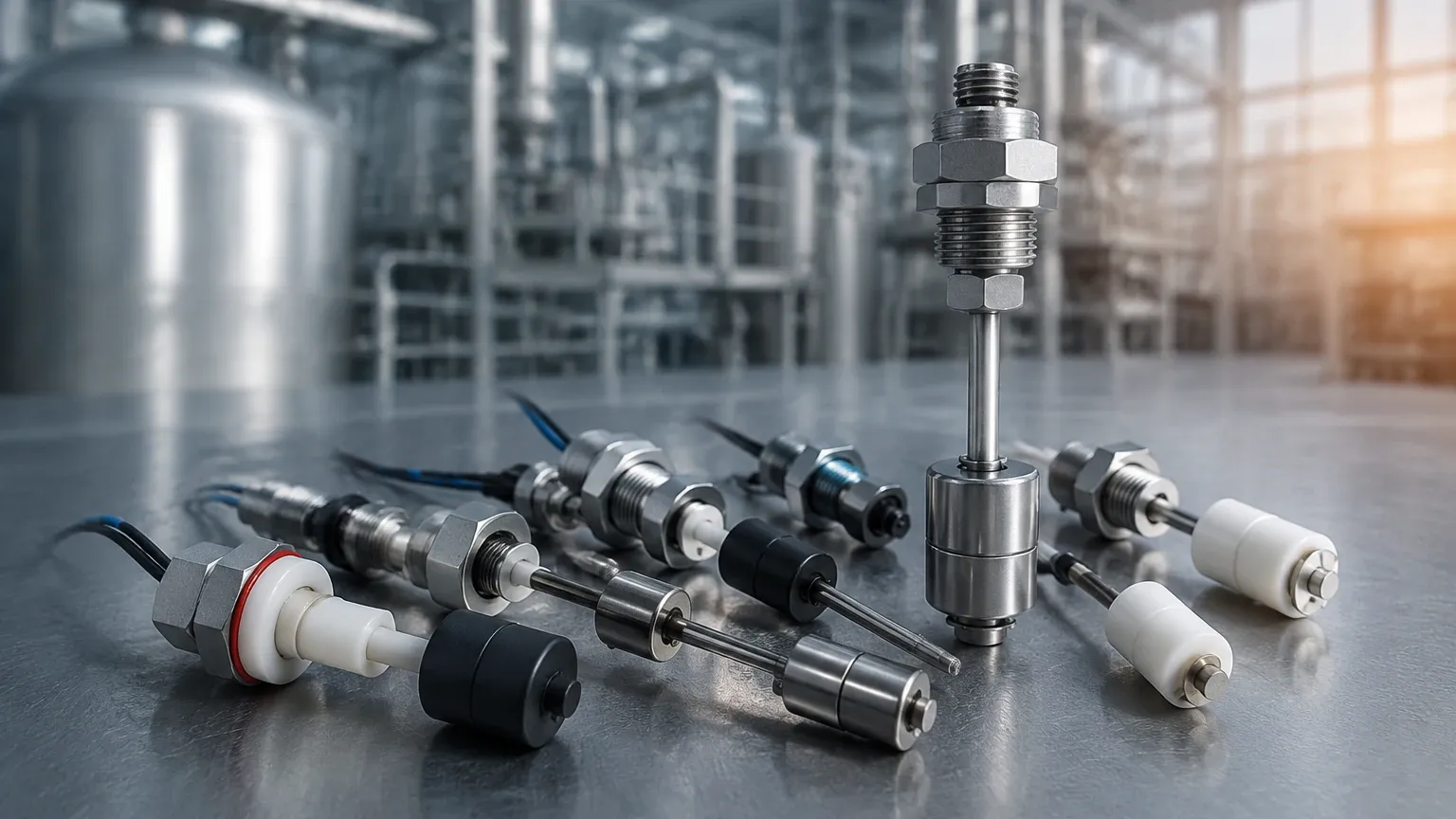
The most common principle for Y1-style switches involves magnetic coupling. A float, designed to be buoyant in the specific gravity of the process liquid, contains a high-intensity magnet. As the liquid level rises or falls, the float moves along a guide tube or within a bypass chamber. The switch, mounted outside the pressure boundary, detects the magnetic field through the non-magnetic wall (usually stainless steel or plastic). This principle ensures a complete hermetic seal between the process media and the electrical components.
Vibrating Tuning Fork Principle
For applications involving powders, granules, or liquids where density might fluctuate, vibrating fork switches are preferred. An electronic circuit excites a tuning fork to its resonant frequency. When the fork is submerged in the medium, the frequency shifts or the vibration is dampened. The internal electronics detect this change and trigger the switch output. This method is highly resistant to turbulence, bubbles, and external vibrations.
Capacitive Principle
Capacitive level switches treat the sensor probe and the tank wall as two plates of a capacitor. The process medium acts as the dielectric. As the level rises and covers the probe, the capacitance increases. This change is converted into a switching signal. This technology is versatile but requires calibration to the specific dielectric constant of the material and can be sensitive to coating or buildup on the probe.
Ultrasonic Principle
Ultrasonic point level switches use a pair of crystals (transmitter and receiver) separated by a small gap. When the gap is filled with liquid, ultrasonic waves travel across it. When the gap is filled with air or gas, the signal is attenuated. This is an excellent choice for clean liquids where non-contact or minimal contact is desired, although it may struggle with aerated liquids or heavy foam.
Technical Specifications and Evaluation Criteria for Y1 Switches
When evaluating y1 switches for a project, engineers must confirm several technical parameters to ensure long-term reliability. Industrial environments subject these components to thermal stress, pressure, and chemical attack.
Electrical Contact Ratings
The output of a Y1 switch is typically a Single Pole Double Throw (SPDT) or Double Pole Double Throw (DPDT) contact. It is essential to match the switch rating with the control system requirements:
* Voltage: Common ratings include 24V DC for PLC inputs or 230V AC for direct motor/alarm control.
* Current: Most reed-based switches are rated for low current (e.g., 0.5A to 1A). If the switch must drive a high-load pump, an intermediate relay is mandatory to prevent contact welding.
Material Compatibility
The housing of the switch and the wetted parts (if applicable) must be compatible with the process media.
* 316L Stainless Steel: The industry standard for most corrosive and hygienic applications.
* Plastic (PP, PVDF, PVC): Used for highly aggressive acids or bases where metals would fail.
* Special Alloys: Materials like Hastelloy or Monel are reserved for extreme chemical environments.
Temperature and Pressure Limits
Standard Y1 switches are often rated for temperatures up to 150°C (302°F). However, for high-temperature steam applications, specialized high-temperature versions with ceramic insulation or cooling fins are required. Pressure ratings must also be verified, especially for switches mounted in bypass chambers where they must withstand the full design pressure of the vessel, often exceeding 40 bar (580 psi).
Selection Table for Level Measurement Technologies
The following table provides a quick reference for selecting the appropriate switch technology based on common industrial variables.
| Feature | Magnetic Float (Y1 Type) | Vibrating Fork | Capacitance | Ultrasonic |
| :— | :— | :— | :— | :— |
| Best Media | Clean Liquids | Liquids & Solids | Liquids & Slurries | Clean Liquids |
| Viscosity Limit | Low to Medium | High | High | Medium |
| Foam Sensitivity | Low | Moderate | High | High |
| Coating/Buildup | Sensitive | Resistant | Very Sensitive | Moderate |
| Moving Parts | Yes (Float) | No | No | No |
| Typical Accuracy | ±2 mm | ±1 mm | ±5 mm | ±2 mm |
Installation Guidelines and Best Practices
Proper installation is the most significant factor in the longevity of Level Switches. Even the most robust Y1 switch will fail if subjected to improper mechanical stress or electrical surges.
Mechanical Mounting
* Orientation: Ensure the switch is mounted exactly at the desired trigger point. For magnetic level gauges, the Y1 switch module must be securely clamped to the chamber at the correct height scale.
* Vibration: In high-vibration environments (near large pumps or compressors), use dampened mounting brackets to prevent false triggering or mechanical fatigue of the internal reed contacts.
* Proximity: Maintain a minimum distance from other magnetic sources or large ferrous structures that could interfere with the magnetic coupling of the switch.
Wiring and Electrical Safety
* Cable Glands: Use IP66 or IP67 rated cable glands to prevent moisture ingress into the switch housing. In outdoor installations, always include a "drip loop" in the conduit to guide rainwater away from the entry point.
* Hazardous Areas: If the installation site is classified as a hazardous zone (ATEX/IECEx), the Y1 switch must be used in conjunction with an intrinsically safe (IS) barrier or be housed in an explosion-proof enclosure.
* Shielding: Use shielded cables for the signal lines to prevent Electromagnetic Interference (EMI) from high-voltage power lines affecting the PLC logic.
Common Risks and Operational Limitations
While y1 switches are highly reliable, certain conditions can compromise their performance. Engineers should be aware of these limitations during the design phase.
1. Magnetic Interference: If the process liquid contains metallic particles (e.g., iron filings in a lubrication system), these particles can accumulate on the magnetic float or the switch area, causing the float to sink or the switch to stick.
2. Contact Pitting: Switching inductive loads (like solenoid valves) without proper arc suppression (such as a flyback diode for DC or a varistor for AC) will cause premature failure of the switch contacts due to arcing.
3. Specific Gravity Changes: Magnetic float switches are calibrated for a specific liquid density. If the process fluid changes significantly (e.g., switching from water to a light oil), the float may no longer reach the trigger point of the Y1 switch.
4. Mechanical Shock: Dropping a magnetic switch or hitting it with heavy tools can de-magnetize the internal components or shatter the glass envelope of a reed switch.
Frequently Asked Questions (FAQ)
Q: Can a Y1 switch be used for both high and low-level alarms?
A: Yes. Depending on the wiring (Normally Open or Normally Closed) and the physical orientation of the switch, it can be configured to trigger when the level rises above a point or falls below it.
Q: What is the difference between a reed switch and a microswitch in these units?
A: Reed switches are hermetically sealed and actuated by a magnet, making them ideal for hazardous or dirty environments. Microswitches are typically used in heavy-duty applications where higher current carrying capacity is needed, often actuated by a mechanical linkage.
Q: How often should Y1 switches be tested?
A: For safety-critical applications (such as overfill prevention), a functional test (proof test) should be conducted at least once a year. This involves manually moving the float or using a testing magnet to ensure the electrical circuit responds correctly.
Q: Are these switches compatible with PLC inputs?
A: Most are perfectly compatible. However, for very long cable runs, ensure the voltage drop does not prevent the PLC from recognizing the "closed" state of the switch.
By carefully considering the measurement principles and the specific requirements of the process environment, engineers can effectively integrate y1 switches into their control systems, ensuring accurate and dependable point level detection for years to come.