Zl L Switch
Zl L Switch
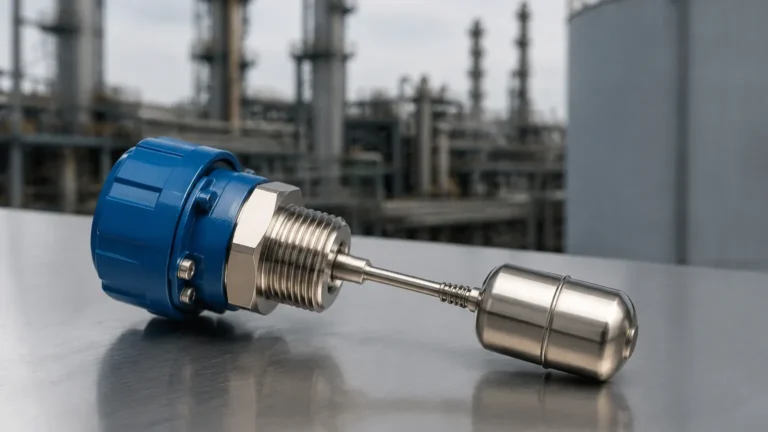
In the landscape of industrial process control, point level detection remains a fundamental requirement for safety, inventory management, and automation. The zl l switch represents a specific category of high-reliability level switches designed to provide precise feedback when a substance reaches a predetermined height within a tank, silo, or pipe. Unlike continuous level transmitters that provide a constant stream of data, these switches act as critical binary indicators, triggering alarms, pumps, or valves to prevent overfills or dry-run conditions.
Selecting the correct instrumentation requires a deep understanding of the physical properties of the medium being measured and the environmental conditions of the process. This guide explores the engineering principles, application criteria, and installation best practices for the zl l switch and broader level switch technologies.
Measurement Principles of Point Level Switches
Before selecting a zl l switch, it is essential to understand the underlying physical principles that govern point level detection. Most modern level switches operate on one of several core technologies, each suited to different media and vessel types.
Vibrating Fork Technology
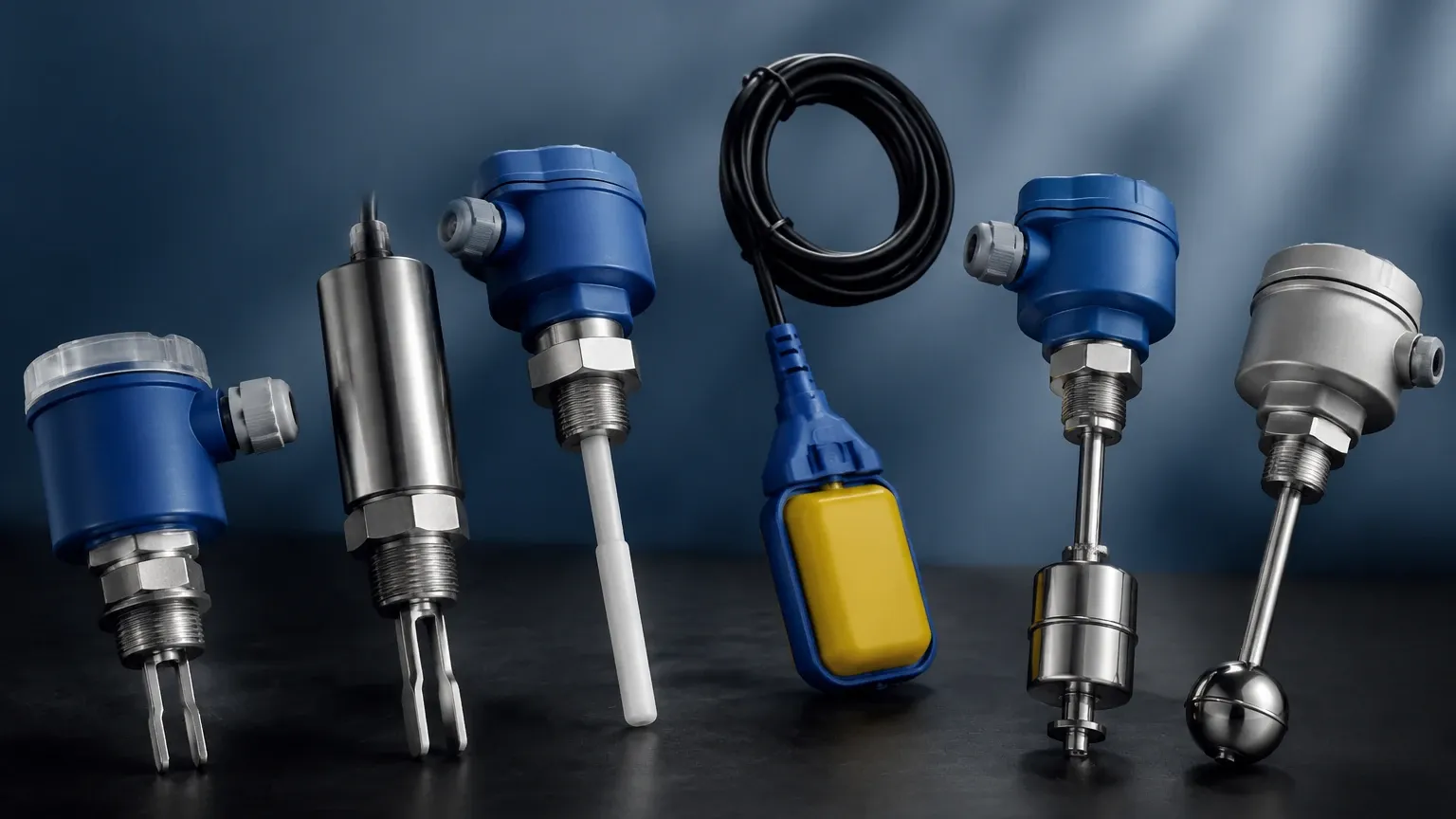
Many devices in the zl l switch category utilize the vibrating fork principle. This involves a sensing element shaped like a tuning fork that is vibrated at its natural resonant frequency by a piezoelectric crystal.
* In Air: The fork vibrates freely at its high resonant frequency.
* In Medium: When the liquid or solid covers the fork, the frequency drops or the amplitude is dampened due to the increased density and viscosity of the surrounding material.
* Detection: An internal electronic circuit detects this frequency shift and changes the output state (e.g., from "open" to "closed").
This method is highly robust because it is largely unaffected by flow, turbulence, bubbles, foam, or vibrations from the surrounding machinery.
Capacitive Sensing
Capacitive level switches measure the change in electrical capacitance between the probe and the tank wall (or a reference electrode). Every material has a specific dielectric constant. When the medium replaces the air surrounding the probe, the capacitance increases. The zl l switch variants using this technology are particularly effective for detecting interface levels between two different liquids, such as oil and water.
Conductivity Principles
For conductive liquids, a simple conductive switch can be used. These devices use the liquid itself to complete an electrical circuit between two electrodes or between an electrode and the metallic tank wall. While cost-effective, they are limited to conductive media and are susceptible to probe coating in viscous applications.
Key Features of the Zl L Switch Series
The zl l switch is engineered for versatility in demanding B2B environments, ranging from water treatment plants to chemical processing facilities. Key technical characteristics typically include:
1. Material Integrity: Probes are often constructed from 316L stainless steel (1.4404) to ensure resistance to corrosion. For highly aggressive media, specialized coatings like PFA or ETFE may be applied.
2. Pressure and Temperature Resilience: Standard models are designed to operate in process pressures ranging from vacuum up to 40 bar (580 PSI) and temperatures from -40°C to +150°C (-40°F to 302°F).
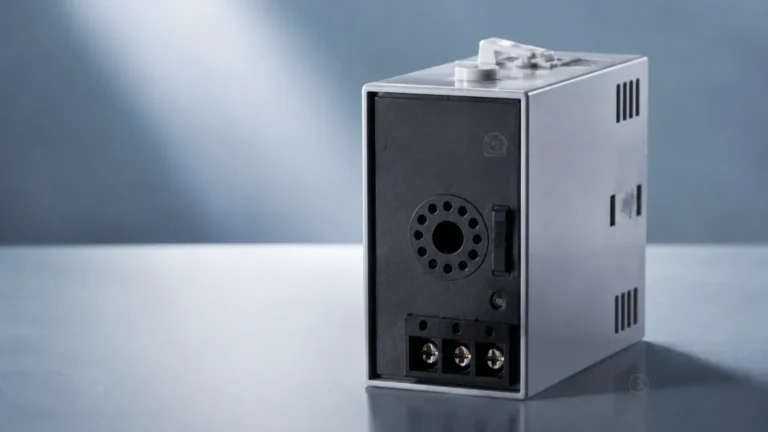
3. Output Versatility: To integrate with various PLC and DCS architectures, these switches offer multiple output configurations, including PNP/NPN transistors, SPDT relays, and 8/16mA loop-powered signals.
4. Compact Design: The "L" designation often refers to a compact or "Lite" form factor, allowing for installation in tight spaces or small-diameter pipes where traditional bulky sensors cannot fit.
Industrial Application Selection Table
Choosing the right Level Switches involves matching the device specifications to the process media. The following table provides a general selection framework for the zl l switch series.
| Medium Type | Recommended Technology | Key Consideration | Typical Application |
| :— | :— | :— | :— |
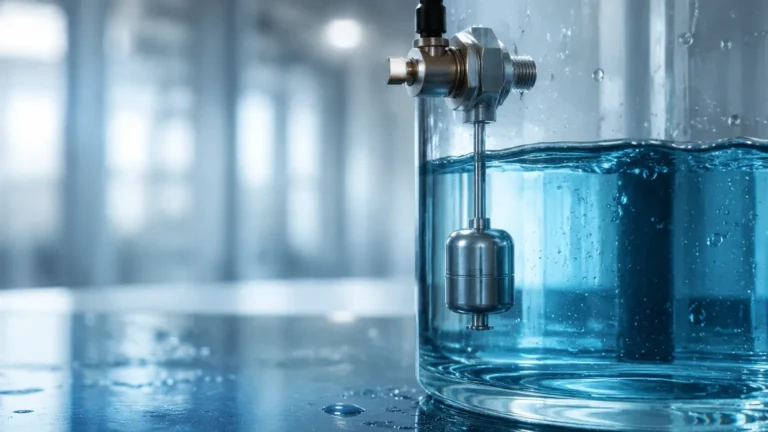
| Clean Liquids | Vibrating Fork / Float | Low maintenance, high reliability | Water storage, fuel tanks |
| Viscous Liquids | Vibrating Fork (High Frequency) | Resistance to buildup/coating | Edible oils, syrups, resins |
| Corrosive Acids | Capacitive (PTFE coated) | Chemical compatibility | Chemical dosing, pickling tanks |
| Granular Solids | Vibrating Rod / Paddle | Bulk density and particle size | Grain silos, plastic pellets |
| Aerated Liquids | Vibrating Fork | Immune to foam/bubbles | Fermentation tanks, CIP systems |
Installation and Mounting Considerations
The performance of a zl l switch is heavily dependent on its physical orientation and location within the vessel. Engineering teams should adhere to the following installation guidelines:
1. Orientation
* Top Mounting: Ideal for high-level (overfill) protection. The probe length must be specified to reach the desired switching point.
* Side Mounting: Used for both high and low-level detection. For vibrating fork models, the forks should be oriented so that the liquid can easily drain off them, preventing "bridging" or false triggers caused by residual material.
2. Avoiding Interference
* Inflow Streams: Never install a switch directly in the path of an inflowing liquid stream. The kinetic energy of the fluid can cause mechanical wear or false switching. Use a baffle plate if the location is unavoidable.
* Agitators/Stirrers: Ensure the probe is outside the sweep radius of any internal tank hardware. In turbulent tanks, a stilling well may be required for float or capacitive switches.
3. Wiring and Entry
* Cable Glands: Always point cable entries downward to prevent moisture from migrating into the housing via the cable. Use a "drip loop" in the cabling.
* Grounding: For capacitive and conductive switches, ensure a low-resistance path to the tank ground to maintain signal integrity.
Limitations and Environmental Constraints
While the zl l switch is a robust tool, certain environmental factors can limit its efficacy. Understanding these boundaries prevents premature equipment failure.
* Heavy Coating: In applications with extremely sticky media (like hot bitumen or heavy glues), material can build up between the tines of a vibrating fork. If the buildup becomes thick enough to mimic the density of the bulk medium, the switch will remain in the "covered" state even when the tank is empty.
* Extreme Turbulence: High-velocity flow can cause mechanical stress on extended probes. In such cases, reinforced probes or non-contact ultrasonic switches might be preferred.
* Dielectric Fluctuations: Capacitive switches require a relatively stable dielectric constant. If the process involves mixing liquids with vastly different electrical properties, the switch may require frequent recalibration.
Maintenance and Troubleshooting
Industrial level switches are generally designed for "fit and forget" operation, but periodic verification is recommended for safety-critical loops.
* Visual Inspection: Check for signs of corrosion on the process connection and ensure the housing seal is intact.
* Functional Testing: Most zl l switch units include a magnetic test point or a local button that allows technicians to simulate a covered state, verifying that the downstream alarms and interlocks are functioning correctly.
* Cleaning: If the medium is prone to scaling, the probe should be cleaned during scheduled downtime using a soft brush or compatible solvent. Avoid abrasive tools that could scratch the polished surface of the stainless steel.
Common Troubleshooting Steps
| Symptom | Potential Cause | Solution |
| :— | :— | :— |
| False High Alarm | Material buildup/bridging | Clean the probe; adjust orientation |
| No Signal Change | Power supply failure | Verify 24V DC or 230V AC input |
| Intermittent Switching | Turbulence or foam | Increase damping/delay settings |
| Output Fault | Piezoelectric crystal damage | Replace the sensing insert |
Frequently Asked Questions (FAQ)
Q: Can the zl l switch be used in hazardous areas?
A: Yes, many models are available with ATEX, IECEx, or CSA certifications for use in explosive gas or dust atmospheres. These versions typically use intrinsic safety (Ex i) or flameproof (Ex d) protection methods.
Q: What is the minimum density required for a vibrating fork switch?
A: Most zl l switches can detect liquids with a density as low as 0.5 g/cm³ (500 kg/m³). For very light hydrocarbons or liquefied gases, specialized high-sensitivity models are required.
Q: Is it possible to adjust the switching delay?
A: Yes, most digital level switches allow for a programmable delay (typically 0.5 to 30 seconds). This prevents "chattering" of the relay if the liquid surface is turbulent or wavy.
Q: Does the switch require calibration?
A: Vibrating fork switches are usually factory-calibrated and do not require field adjustment. Capacitive switches, however, may need to be calibrated to the specific dielectric constant of the medium during commissioning.
For engineers and procurement specialists, the zl l switch offers a balance of precision and durability. By matching the measurement principle to the specific demands of the application—whether it involves wastewater, aggressive chemicals, or food-grade products—operators can ensure long-term reliability and process safety. For more detailed technical data and model comparisons, visit the dedicated section for Level Switches.