Level Switch Liquid
Level Switch Liquid
In industrial process control, the accurate detection of liquid presence or absence at specific points is critical for safety, inventory management, and automation. A level switch liquid system serves as a point-level sensor, triggering an electrical signal when a liquid reaches a predetermined height within a tank, vessel, or pipe. Unlike continuous level transmitters that provide a constant reading of the volume, level switches act as binary indicators—typically used for high-level alarms to prevent overfills or low-level alarms to protect pumps from running dry.
Selecting the correct Level Switches requires an understanding of the physical properties of the liquid, the environmental conditions of the process, and the mechanical requirements of the installation. This guide examines the primary measurement principles, selection criteria, and practical engineering considerations for liquid level switches.
Understanding Liquid Level Switch Technologies
Liquid level switches utilize various physical principles to detect the presence of a medium. The choice of technology often depends on the liquid's conductivity, viscosity, density, and chemical aggressiveness.
1. Float Level Switches
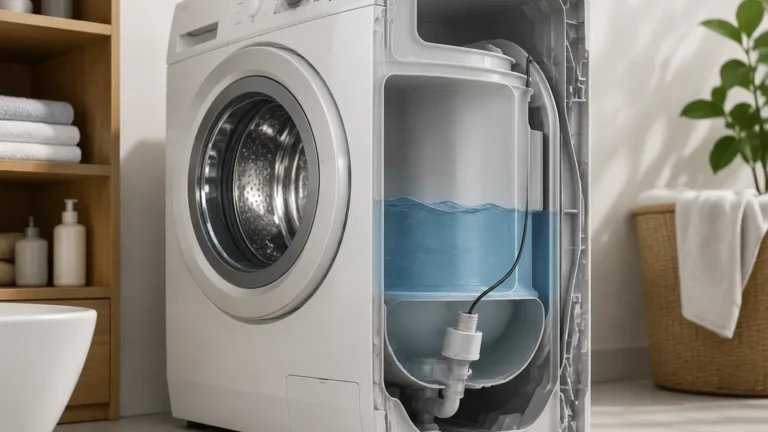
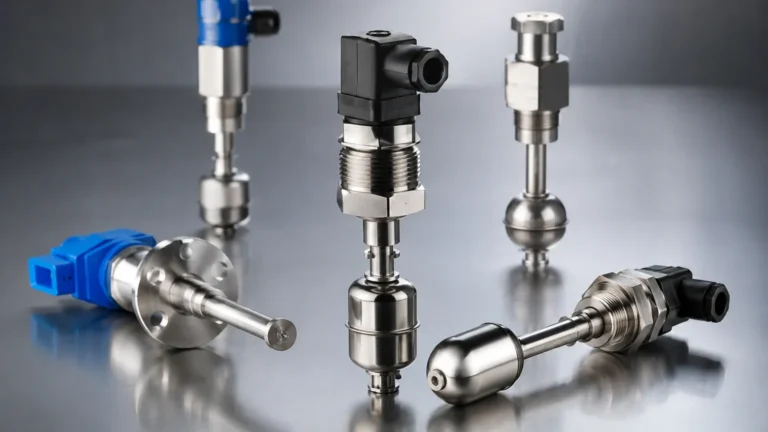
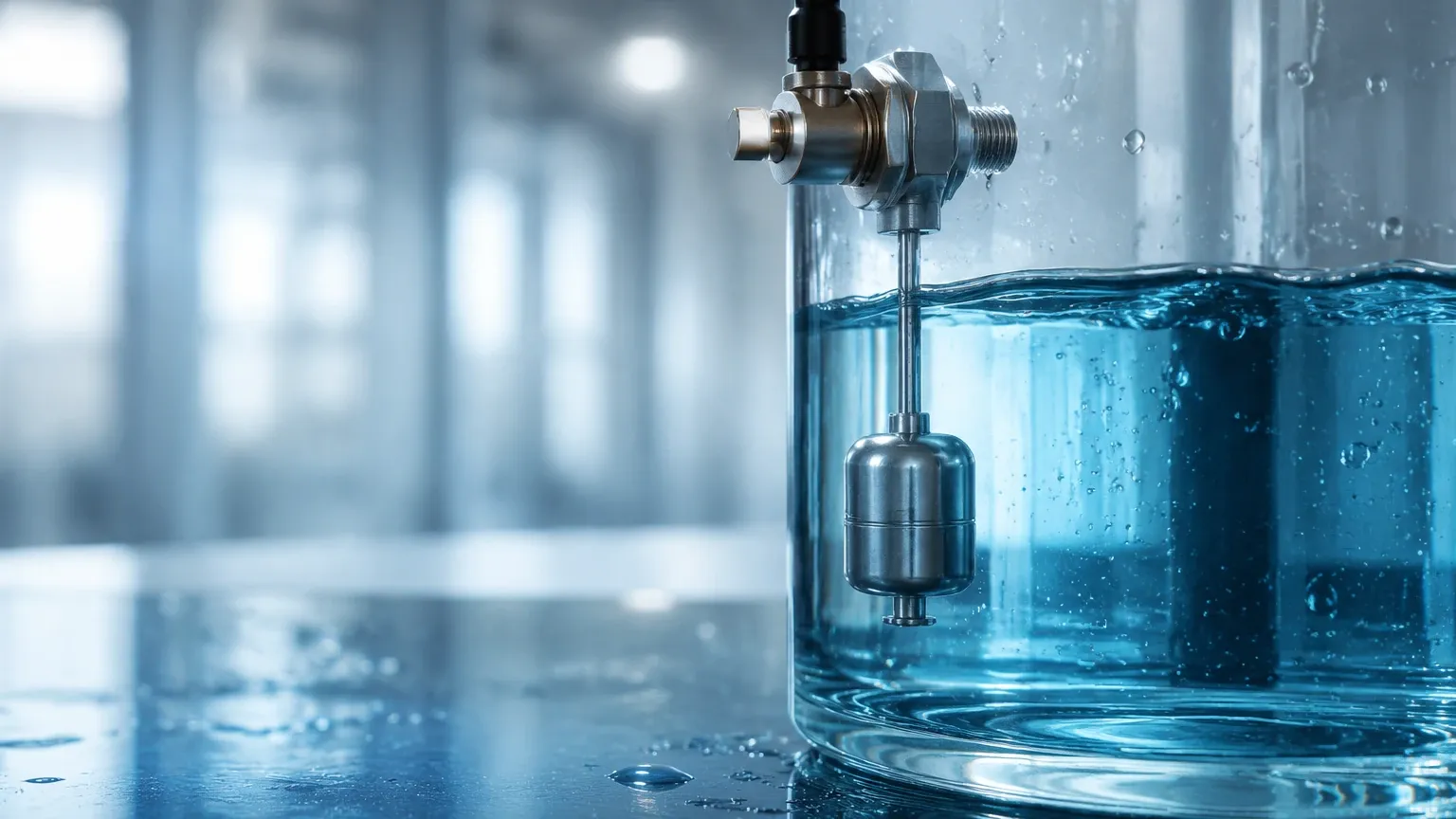
Float switches are among the most established and cost-effective methods for liquid detection. They operate based on the principle of buoyancy. A float, containing a permanent magnet, moves up and down a stem as the liquid level changes. Inside the stem, a hermetically sealed reed switch is positioned at the desired trigger point. When the float's magnet aligns with the reed switch, the circuit closes (or opens), sending a signal to the control system.
2. Vibrating Tuning Fork Switches
The vibrating or tuning fork level switch uses piezoelectric crystals to vibrate a metal fork at its natural resonant frequency in the air. When the fork is immersed in a liquid, the frequency of vibration drops significantly. The internal electronics detect this frequency shift and convert it into a switching output. This technology is highly versatile because it is largely unaffected by the liquid's dielectric constant, density, or pressure.
3. Capacitance Level Switches
Capacitance switches treat the sensor probe and the vessel wall (or a second probe) as two plates of a capacitor. The liquid acts as the dielectric material. As the liquid covers the probe, the capacitance increases because most liquids have a higher dielectric constant than air. This change is measured by the electronics to determine the switch state. These are excellent for liquids that are non-conductive but have a stable dielectric constant.
4. Ultrasonic Level Switches
Ultrasonic point level switches use a pair of piezoelectric crystals—one transmitter and one receiver—separated by a small gap. When the gap is filled with air, the ultrasonic signal is attenuated and does not reach the receiver. When liquid fills the gap, the signal is transmitted efficiently across the medium, triggering the switch. This is a "gap-style" contact sensor, distinct from non-contact ultrasonic transmitters.
5. Optical Level Switches
Optical sensors use an infrared LED and a light receiver housed within a plastic or glass prism. When the sensor is in the air, the infrared light reflects off the internal surface of the prism back to the receiver. When liquid covers the prism, the light is refracted into the liquid, and the receiver detects a loss of signal. These are compact and ideal for clean liquid applications where space is limited.
Key Measurement Principles for Liquid Detection
Before selecting a level switch liquid solution, it is essential to understand how the medium interacts with the sensor. The following principles dictate the reliability of the measurement:
* Buoyancy (Archimedes' Principle): Used by float switches. The float must be less dense than the liquid to rise. If the liquid density changes significantly (e.g., due to temperature), the float may fail to rise or sink correctly.
* Vibration Damping: Used by tuning forks. The liquid must provide enough mechanical resistance to change the fork's frequency. Extremely aerated liquids or heavy foams can sometimes fail to trigger a standard tuning fork.
* Dielectric Properties: Used by capacitance sensors. The difference in dielectric constant between the air/vapor space and the liquid must be sufficient for detection. Water has a high dielectric constant (~80), making it easy to detect, while oils (~2) require more sensitive electronics.
* Thermal Conductivity: Some specialized switches measure the rate of heat dissipation from a heated thermistor. Liquids dissipate heat faster than gases, allowing the switch to detect immersion.
Selection Criteria for Level Switch Liquid Applications
Choosing the right instrument involves more than just matching the pipe size. Engineers must evaluate the following parameters to ensure long-term reliability.
Chemical Compatibility
The wetted materials of the switch must withstand the corrosive nature of the liquid. Common materials include Stainless Steel (304 or 316L) for general industrial use, and plastics like Polypropylene (PP), PVC, or PTFE (Teflon) for aggressive acids and bases.
Process Temperature and Pressure
Standard float switches may be limited to 100°C and 10 bar (1 MPa), whereas high-pressure tuning forks or heavy-duty magnetic level switches can handle temperatures exceeding 250°C and pressures up to 100 bar (10 MPa). Always verify the pressure rating at the maximum operating temperature.
Liquid Viscosity and Coating
If a liquid is highly viscous or prone to leaving a film (like honey or heavy crude oil), certain switches may fail. Tuning forks can be sensitive to "bridging" between the tines, while float switches can become stuck. In these cases, capacitance switches with "active shield" technology or non-contact solutions are preferred.
Turbulence and Agitation
In tanks with mixers or high inflow rates, the liquid surface may be turbulent. This can cause "chatter" in float switches. Tuning forks or ultrasonic switches are generally more resistant to turbulence, though stilling wells may be required for mechanical floats.
Comparative Analysis of Liquid Level Switches
The following table provides a general comparison of common liquid level switch technologies to assist in the selection process.
| Technology | Best For | Limitations | Maintenance Level |
| :— | :— | :— | :— |
| Float Switch | Water, clean oils, simple sumps | Moving parts can jam; sensitive to buildup | Moderate |
| Tuning Fork | Most liquids, turbulent surfaces | Can be affected by very thick coatings | Low |
| Capacitance | Corrosive liquids, interface detection | Requires calibration for different liquids | Low |
| Optical | Small vessels, clean liquids | Sensitive to coating and bubbles | Low |
| Ultrasonic (Gap) | High-viscosity liquids, chemicals | Not for aerated liquids or heavy foam | Low |
| Conductivity | Conductive liquids (water-based) | Only works with conductive media | Moderate |
Installation Best Practices and Considerations
Proper installation is as important as selecting the right technology. Failure to follow engineering best practices can lead to false triggers or mechanical failure.
1. Orientation: Most level switches can be mounted either horizontally (through the side of the tank) or vertically (from the top). Tuning forks should be oriented so that liquid can drain easily from the tines to prevent false "wet" signals due to liquid retention.
2. Avoid Dead Zones: Ensure the switch is not installed in a pocket where liquid can be trapped or where air can become entrained. This is particularly important for optical and ultrasonic gap switches.
3. Protection from Flow: If the switch is located near an inlet pipe, the force of the incoming liquid can damage the sensor or cause erratic readings. Use a baffle or install the switch away from the direct flow path.
4. Wiring and Sealing: Use appropriate cable glands and drip loops to prevent moisture from entering the housing. For hazardous areas, ensure the switch is rated as Intrinsically Safe (IS) or Explosion-Proof (Ex d) and that the wiring follows local electrical codes.
5. Switch Point Adjustment: For vertical installations, ensure the stem length or probe length is correctly specified for the desired alarm point. Some capacitance probes can be cut to length in the field, but most other technologies require factory-set lengths.
Limitations and Operational Challenges
While level switches are robust, they are not universal solutions. Engineers should be aware of the following challenges:
* Foam: Many liquid level switches struggle with foam. A float switch might sit on top of the foam or sink through it, depending on the foam's density. A tuning fork may or may not detect foam depending on its consistency. If foam detection is required (or must be ignored), specialized capacitance or thermal switches are often necessary.
* Scaling and Buildup: In wastewater or mineral-rich applications, scale can build up on the sensor. For a float switch, this adds weight and can cause it to sink. For a tuning fork, it can dampen the vibration. Regular cleaning schedules or the use of anti-coat coatings (like PTFE) can mitigate this.
* Electromagnetic Interference (EMI): Electronic switches (capacitance and ultrasonic) can be affected by nearby high-power equipment or VFDs (Variable Frequency Drives). Use shielded cables and ensure proper grounding of the instrument and the tank.
Frequently Asked Questions (FAQs)
Q: Can a level switch liquid sensor detect the interface between two liquids?
A: Yes, specifically capacitance level switches. By calibrating the switch to the dielectric constant of the lower liquid (e.g., water) and ignoring the upper liquid (e.g., oil), the switch can trigger only when the interface reaches the probe.
Q: What is the difference between an NPN and a PNP output in electronic level switches?
A: These refer to the type of transistor output. PNP switches provide a positive voltage signal when triggered (sourcing), while NPN switches connect the load to the negative/ground (sinking). The choice depends on the requirements of your PLC or controller.
Q: How do I handle highly viscous liquids that stick to the sensor?
A: For viscous media, avoid float switches. Tuning forks with a "coating rejection" feature or capacitance switches with active shield technology are better suited. In extreme cases, non-contact radar or ultrasonic transmitters used as switches may be the only reliable option.
Q: Are there level switches suitable for hygienic applications in food and beverage?
A: Yes. Look for switches with 3A or EHEDG certification. These typically feature polished stainless steel surfaces (Ra < 0.8 µm) and hygienic process connections like Tri-Clamp to prevent bacterial growth.
For technical specifications and to explore various models suitable for your specific industrial application, you can Review product options and application support to find the ideal solution for your process requirements.