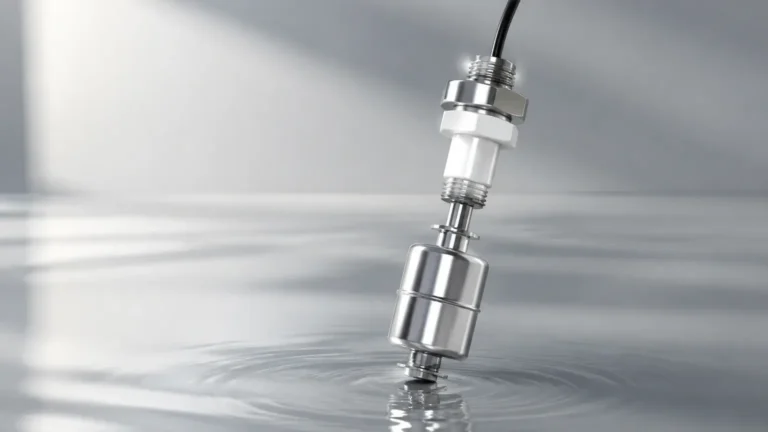
Switches Z1
Switches Z1
In the landscape of industrial automation and process control, the reliability of point-level detection is fundamental to operational safety and efficiency. The series of switches Z1 represents a specialized category of industrial level switches designed to provide robust, binary feedback regarding the presence or absence of liquids in tanks, sumps, and pressurized vessels. As a critical component in overflow prevention and pump protection, understanding the technical nuances of the Z1 series is essential for process engineers and system integrators.
Industrial Level Switches, specifically the Z1 variants, are engineered to withstand the rigors of chemical processing, water treatment, and oil and gas applications. These devices act as the "eyes" of a control system, triggering alarms or stopping motors when a fluid reaches a predetermined threshold. This article explores the mechanical principles, selection criteria, and installation best practices for switches Z1.
Measurement Principles of Switches Z1
The Z1 series typically operates on the principle of buoyancy and magnetic coupling. Unlike continuous level transmitters that provide a 4-20mA or digital signal representing the exact level, a level switch provides a discrete output.
The Buoyancy Principle
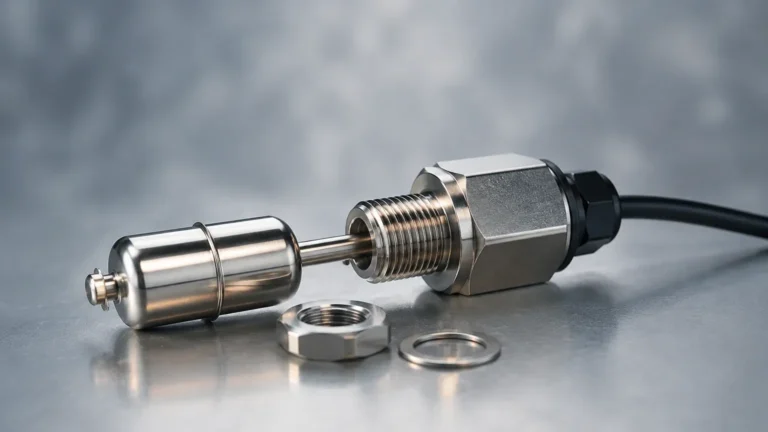
At the core of the switches Z1 design is Archimedes' principle. A float, specifically calibrated to the density of the target liquid, moves vertically along a stem or pivots on a hinge as the liquid level rises or falls. The float contains an internal permanent magnet.
Magnetic Actuation
Inside the stationary stem or housing of the switch is a hermetically sealed reed switch or a micro-switch mechanism. As the float’s magnetic field enters the proximity of the internal switch, the ferromagnetic contact blades are drawn together (or pushed apart), completing or breaking an electrical circuit. This non-contact method of actuation ensures that the electrical components remain isolated from the process media, significantly extending the service life of the device and reducing the risk of leaks.
SPDT and DPDT Configurations
Most switches Z1 are offered in Single Pole Double Throw (SPDT) or Double Pole Double Throw (DPDT) configurations.
- SPDT: Allows the user to choose between a "Normally Open" (NO) or "Normally Closed" (NC) circuit.
- DPDT: Provides two sets of contacts, allowing for simultaneous control of a local alarm and a remote PLC input.
Technical Specifications and Selection Criteria
Selecting the correct switches Z1 requires a detailed analysis of the process environment. A mismatch between the switch material and the process fluid can lead to premature failure or hazardous leaks.
Material Compatibility
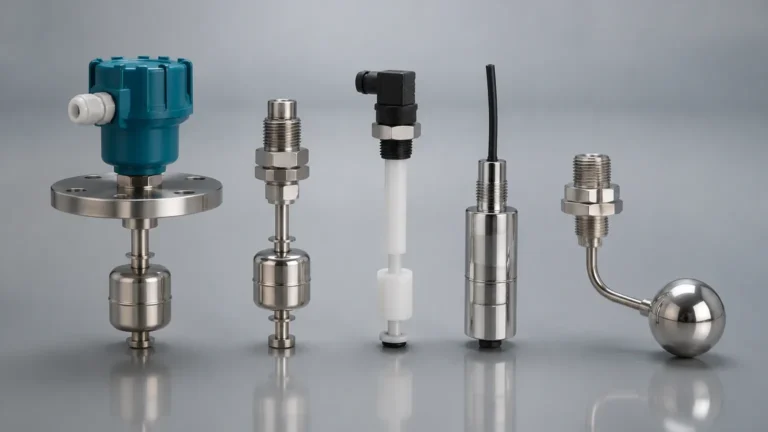
Welk manufactures Z1 switches in a variety of materials to suit different chemical profiles:
- Stainless Steel (316L): The standard for high-pressure and high-temperature applications, offering excellent resistance to corrosion in water and oil.
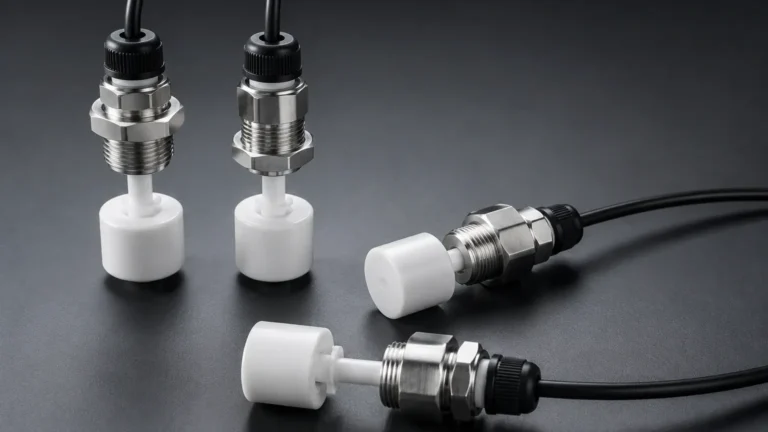
- Polypropylene (PP): Ideal for acidic or alkaline environments where metallic components would degrade.
- PVDF/PTFE: Reserved for highly aggressive chemical processing where maximum chemical inertness is required.
Selection Table for Switches Z1
| Feature | Z1-Standard (S) | Z1-Chemical (C) | Z1-High Temp (H) |
| :— | :— | :— | :— |
| Housing Material | 316L Stainless Steel | Polypropylene / PVDF | 316L Stainless Steel |
| Max Pressure | 4.0 MPa (580 psi) | 0.6 MPa (87 psi) | 6.4 MPa (928 psi) |
| Max Temperature | 120°C (248°F) | 80°C (176°F) | 250°C (482°F) |
| Min Liquid Density | 0.70 g/cm³ | 0.85 g/cm³ | 0.65 g/cm³ |
| Mounting Type | Threaded / Flanged | Threaded | Flanged |
| Protection Class | IP65/IP68 | IP65 | IP67 / Explosion-proof |
Specific Gravity Considerations
The "Specific Gravity" (SG) of the liquid is the most critical factor in switch selection. If the float is designed for water (SG 1.0) but used in a light hydrocarbon (SG 0.6), the float may not rise sufficiently to actuate the switch. Always confirm the minimum density requirements of the switches Z1 model against your specific media.
Installation Considerations for Engineering Teams
Proper installation is the primary determinant of a level switch's long-term reliability. Even the highest quality Level Switches can fail if subjected to improper mechanical stress or electrical interference.
Mounting Orientation
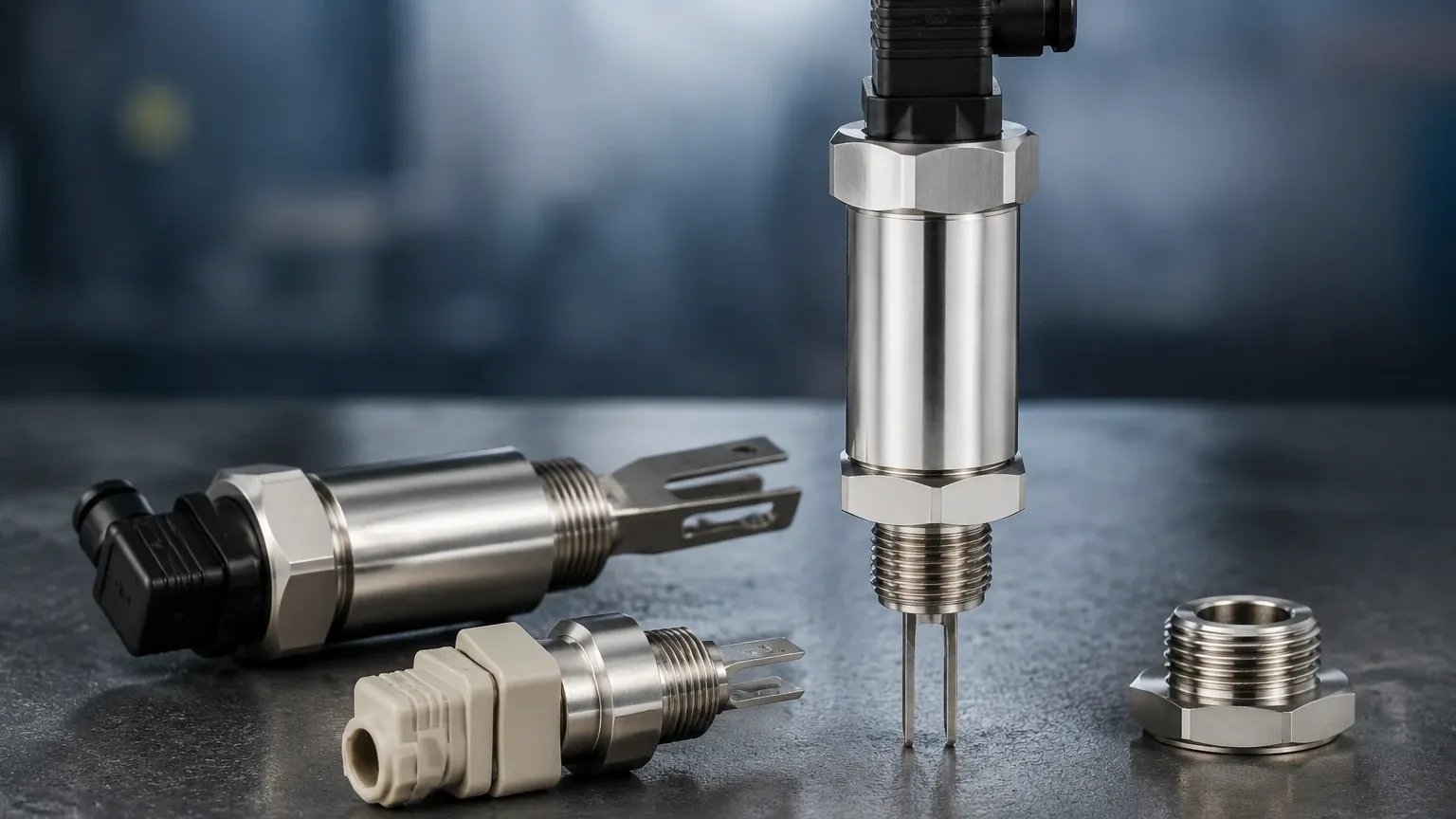
Switches Z1 are available in vertical and horizontal mounting configurations.
- Vertical Mounting: Typically installed through the top of a tank. These allow for multi-point detection if the stem is long enough to accommodate multiple floats.
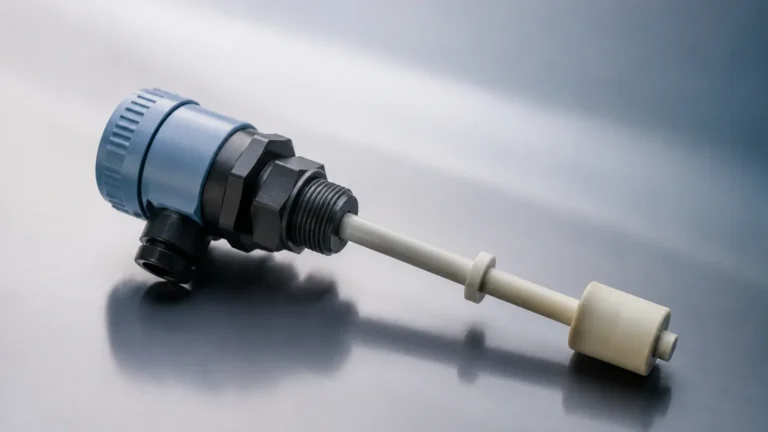
- Horizontal Mounting: Installed through the side wall of a vessel. These are ideal for space-constrained applications but require a larger hole in the tank side for the float to pass through during installation.
Turbulence and Stilling Wells
In tanks where high-speed agitators or heavy inflow causes surface turbulence, the float in a Z1 switch may "chatter," causing the electrical contacts to open and close rapidly. This can damage pumps or create false alarms in a PLC. In such environments, a stilling well—a perforated pipe installed around the switch stem—should be used to dampen fluid movement and provide a stable environment for the float.
Wiring and Electrical Safety
When wiring switches Z1, ensure that the electrical load does not exceed the rated capacity of the reed switch. Reed switches are sensitive to high current inrushes. If controlling a high-power motor directly, an intermediate relay must be used. Furthermore, in hazardous areas (Class I, Div 1 or ATEX Zone 0), the switch must be connected via an intrinsically safe barrier to prevent sparks.
Limitations and Operational Boundaries
While switches Z1 are versatile, they are not universal solutions. Engineers must be aware of the following limitations:
1. Viscous Liquids: Highly viscous fluids (e.g., heavy resins or molasses) can impede the movement of the float. If the fluid "sticks" to the stem, the float may become trapped, leading to a permanent "on" or "off" state.
2. Coating and Scaling: In applications like wastewater treatment, minerals or biological matter can build up on the float. This increases the float's weight, potentially causing it to sink and fail to trigger.
3. Particulate Matter: Large solids or magnetic particles in the fluid can interfere with the magnetic coupling or physically jam the float mechanism. For slurry applications, a non-contact technology like radar or ultrasonic level sensors may be more appropriate.
4. Pressure Spikes: Exceeding the rated pressure of the float can cause it to collapse (implode). Once the float loses its buoyancy, the switch becomes non-functional.
Maintenance Guidance
One of the advantages of the Z1 series is its low maintenance requirement. However, a periodic inspection regimen is recommended for mission-critical systems:
- Visual Inspection: Check for signs of corrosion on the housing and ensure the cable entry glands are tight to prevent moisture ingress.
- Manual Actuation: During scheduled shutdowns, manually move the float to confirm that the electrical signal is reaching the control room.
- Cleaning: For fluids prone to scaling, remove the switch and clean the stem and float with a compatible solvent to ensure free movement.
Frequently Asked Questions (FAQs)
Can switches Z1 be used in food and beverage applications?
Yes, provided the model is specified with food-grade 316L stainless steel and features a sanitary connection (such as a Tri-Clamp). Welk offers customized versions of the Z1 series that meet hygienic standards for clean-in-place (CIP) environments.
What is the difference between a level switch and a level transmitter?
A level switch, like the Z1, provides a point-level signal (On/Off). A level transmitter provides a continuous measurement (e.g., 0% to 100% full). Switches are generally used for safety interlocks, while transmitters are used for inventory management and process modulation.
How do I reverse the switch logic (Normally Open to Normally Closed)?
On many vertical switches Z1, the logic can be reversed by removing the retaining clip, flipping the float 180 degrees, and re-installing it. This changes the position of the internal magnet relative to the reed switch.
Are these switches compatible with PLC inputs?
Absolutely. The dry contact output of the Z1 series is ideal for 24VDC or 120VAC PLC digital input cards. Ensure that the wetting current of the PLC input is within the switch's operating range to maintain contact integrity over time.
Conclusion
The switches Z1 series remains a cornerstone of point-level detection due to its simplicity, durability, and cost-effectiveness. By carefully matching the material specifications to the process media and adhering to rigorous installation standards, facilities can ensure reliable protection against overflows and dry-run conditions. For complex applications involving high pressures or aggressive chemicals, consulting with a specialist manufacturer like Welk ensures that the selected Level Switches will perform as expected in the field.