Cannabis Ethanol Extraction Equipment
Cannabis Ethanol Extraction Equipment
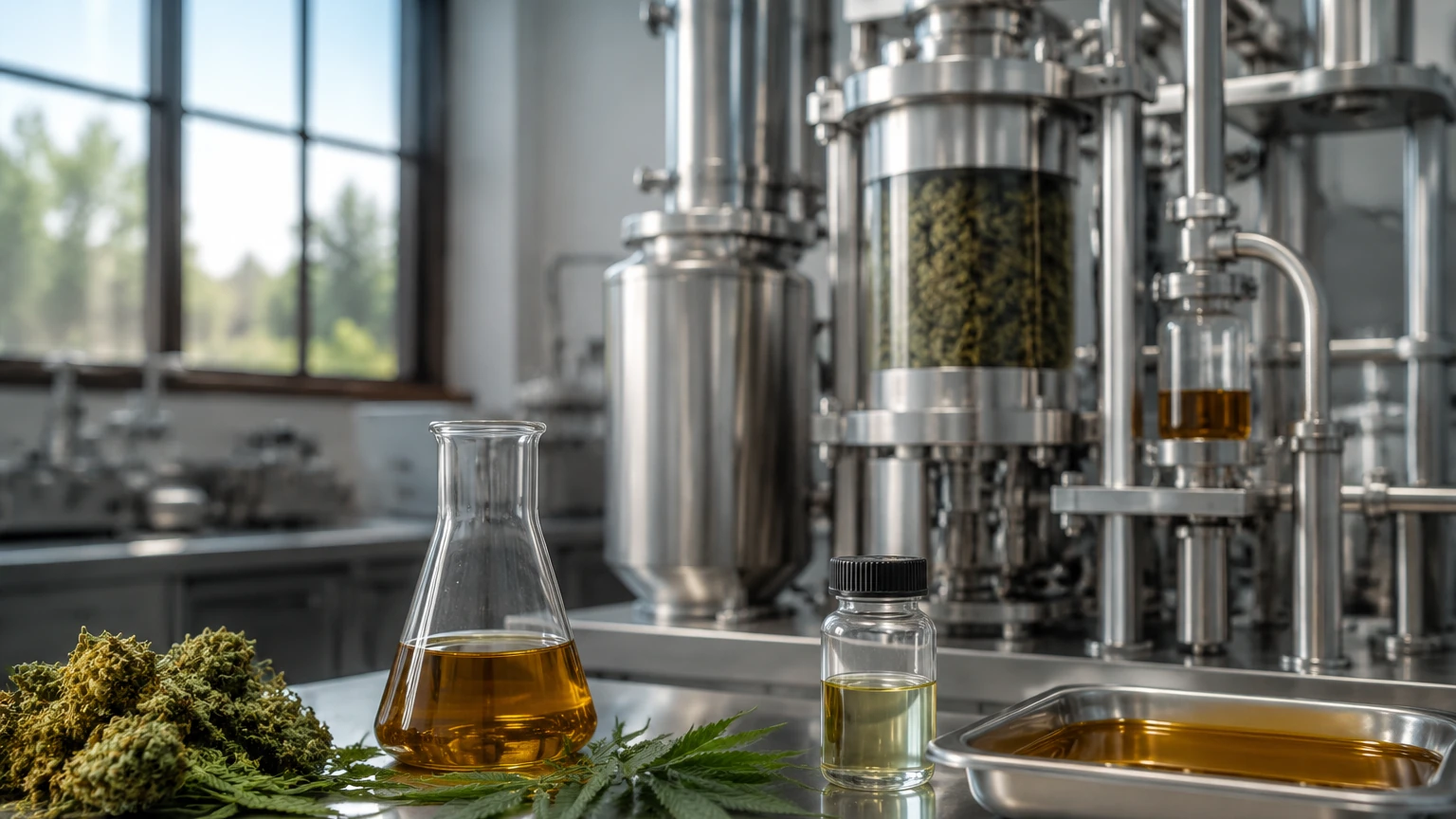
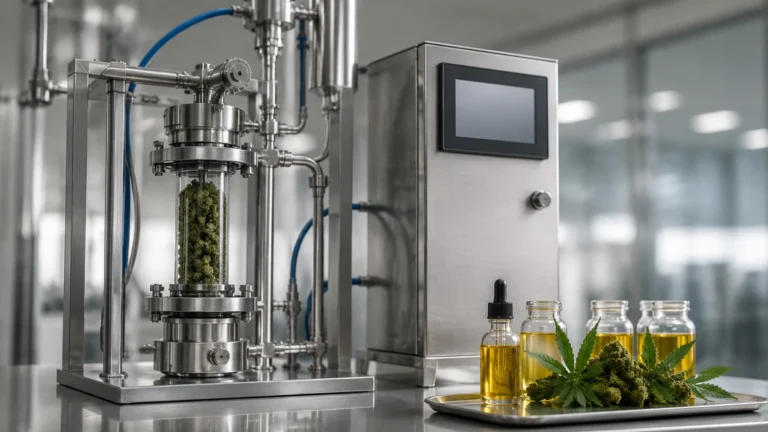
In the industrial processing of hemp and cannabis, ethanol extraction has emerged as a primary method for large-scale production due to its efficiency, safety profile, and ability to target a broad spectrum of cannabinoids. The effectiveness of cannabis ethanol extraction equipment depends not only on the mechanical design of centrifuges and evaporators but also on the precision of the instrumentation used to monitor solvent levels, temperatures, and pressures. Accurate level measurement is critical for maintaining process consistency, ensuring safety in hazardous environments, and optimizing solvent recovery rates.
The Role of Level Measurement in Solvent Processing
Cannabis ethanol extraction equipment operates by circulating chilled or room-temperature ethanol through biomass to dissolve cannabinoids and terpenes. This process involves multiple stages, including solvent storage, extraction vessels, filtration units, and solvent recovery systems (such as falling film evaporators).
In each stage, monitoring the liquid level is essential. For instance, in an extraction vessel, the solvent-to-biomass ratio must be precisely controlled to ensure maximum yield without wasting solvent. In recovery systems, maintaining the correct level in the boiling chamber prevents "dry firing" and ensures efficient heat transfer. Because ethanol is a flammable solvent, the instrumentation used must meet stringent safety standards while providing high-resolution data to the control system.
Measurement Principles for Ethanol Environments
Before selecting sensors for cannabis ethanol extraction equipment, it is important to understand the measurement principles commonly employed in the industry. Each technology interacts differently with the physical properties of ethanol and the mechanical constraints of the extraction hardware.
Radar Level Measurement (Time-of-Flight)
Radar sensors, particularly high-frequency 80 GHz units, emit electromagnetic pulses that reflect off the liquid surface. The sensor measures the time it takes for the pulse to return, calculating the distance to the product. This is a non-contact technology, meaning the sensor does not touch the ethanol, which reduces contamination risks and maintenance requirements. Radar is highly effective even in the presence of vapors or slight turbulence.
Hydrostatic Pressure Measurement
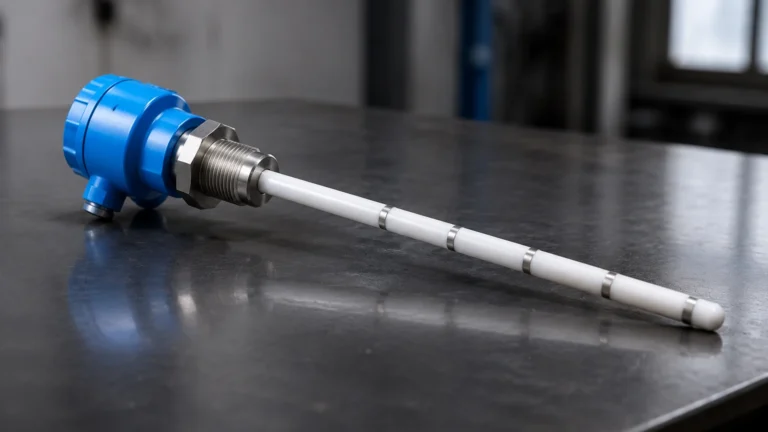
Hydrostatic transmitters measure the pressure exerted by the liquid column at the bottom of a tank. Since pressure is directly proportional to the height of the liquid and its density, the level can be calculated accurately. This method is robust and widely used for bulk solvent storage tanks where the density of the ethanol remains relatively constant.
Ultrasonic Level Measurement
Ultrasonic sensors use sound waves to detect the liquid surface. While cost-effective, they are generally limited to atmospheric tanks and non-volatile liquids. In ethanol extraction, ultrasonic sensors are typically reserved for water storage or non-flammable cleaning solutions, as ethanol vapors can affect the speed of sound and lead to measurement errors.
Selecting Level Sensors for Extraction Vessels and Storage
When integrating sensors into cannabis ethanol extraction equipment, engineers must match the technology to the specific vessel type.
1. Chilled Ethanol Storage: Ethanol is often chilled to temperatures as low as -40°C to -80°C to prevent the extraction of unwanted waxes and chlorophyll. Level sensors must be rated for these cryogenic or sub-zero temperatures. Radar is often preferred here because it is unaffected by temperature gradients in the headspace.
2. Extraction Centrifuges: These units experience high G-forces and vibration. Level measurement is usually performed when the centrifuge is stationary or through a bypass pipe (bridle) to isolate the sensor from the mechanical stress of the spinning drum.
3. Solvent Recovery (Evaporators): In falling film or rising film evaporators, the ethanol is heated to its boiling point. This creates a high-vapor environment. Non-contact radar is the gold standard here, as it can penetrate thick vapors that would otherwise obscure ultrasonic signals.
For a comprehensive look at the various sensing technologies available for industrial applications, engineers often consult a Main Page of technical specifications to ensure compatibility with chemical solvents.
Technical Comparison and Selection Table
The following table provides a guideline for selecting level measurement technology based on the specific requirements of cannabis ethanol extraction equipment components.
| Application | Recommended Technology | Key Advantage | Limitation |
| :— | :— | :— | :— |
| Bulk Ethanol Storage | Hydrostatic Pressure | High reliability, low cost | Contacting; requires density compensation |
| Extraction Vessel | Guided Wave Radar | Precise in turbulent conditions | Internal probe requires cleaning |
| Solvent Recovery | 80 GHz Non-contact Radar | Unaffected by vapor or boiling | Higher initial investment |
| Waste/Slurry Tanks | Ultrasonic | Cost-effective for simple liquids | Inaccurate in high-vapor zones |
| Overfill Protection | Vibrating Level Switch | Redundant safety, fail-safe | Point level only; no continuous data |
Installation and Safety Requirements
Because ethanol is a Class IB flammable liquid, all cannabis ethanol extraction equipment must be installed in compliance with local fire codes and electrical standards (such as ATEX in Europe or Class I, Division 1/2 in North America).
* Explosion-Proof Ratings: Level transmitters must be housed in explosion-proof enclosures or be intrinsically safe. This prevents any electrical spark from the sensor from igniting ethanol vapors.
* Material Compatibility: All wetted parts (the parts of the sensor that touch the liquid) should be made of 316L stainless steel or PTFE. These materials are resistant to corrosion and do not leach contaminants into the extract.
* Sanitary Connections: To maintain the purity of the final product, sensors should use sanitary fittings, such as Tri-clamp connections. These allow for easy removal and cleaning, supporting Good Manufacturing Practices (GMP).
* Grounding: Proper grounding of the tanks and the instrumentation is mandatory to prevent the buildup of static electricity during solvent transfer.
Limitations and Process Challenges
While modern instrumentation is highly advanced, certain factors can still challenge the accuracy of level measurement in cannabis ethanol extraction equipment:
* Dielectric Constant: Ethanol has a dielectric constant (εr) of approximately 24 at room temperature. This is high enough for radar sensors to get a strong reflection. However, as the temperature drops or if the ethanol is mixed with oils, the dielectric properties may change, requiring fine-tuning of the sensor sensitivity.
* Foaming: During the evaporation or agitation process, ethanol may foam. Some radar frequencies can be absorbed by foam, leading to a loss of signal. Selecting a sensor with advanced signal processing can help filter out foam interference.
* Vessel Geometry: Many extraction vessels have internal agitators, heating coils, or baffles. Sensors must be positioned so that these internal structures do not create "false echoes" that the sensor might mistake for the liquid level.
Frequently Asked Questions
Q: Can I use a single sensor for both level and temperature?
A: Some hydrostatic transmitters include integrated temperature sensors (PT100). However, for high-precision extraction, it is usually recommended to use dedicated temperature probes placed at multiple heights in the vessel to monitor thermal stratification.
Q: How often should level sensors be calibrated in an ethanol environment?
A: For GMP-compliant facilities, annual calibration is standard. However, if the equipment is used for 24/7 production, semi-annual checks are recommended to ensure that vibration or thermal cycling hasn't caused signal drift.
Q: Is non-contact radar worth the extra cost over hydrostatic sensors?
A: In solvent recovery and vessels with agitators, yes. The lack of moving parts and the fact that the sensor does not touch the solvent significantly reduces the risk of leaks and mechanical failure over time.
Conclusion
Optimizing cannabis ethanol extraction equipment requires a holistic approach to process control. By understanding the principles of level measurement—from the robust nature of hydrostatic pressure to the precision of 80 GHz radar—operators can ensure their systems run safely and efficiently. Selecting the right instrumentation not only protects the facility from the risks associated with flammable solvents but also ensures the consistency and quality of the final cannabinoid extract. For further technical details on sensor selection and industrial level measurement solutions, professionals should Review product options and application support to find the most suitable configuration for their specific extraction environment.