Correolis Meter
Correolis Meter
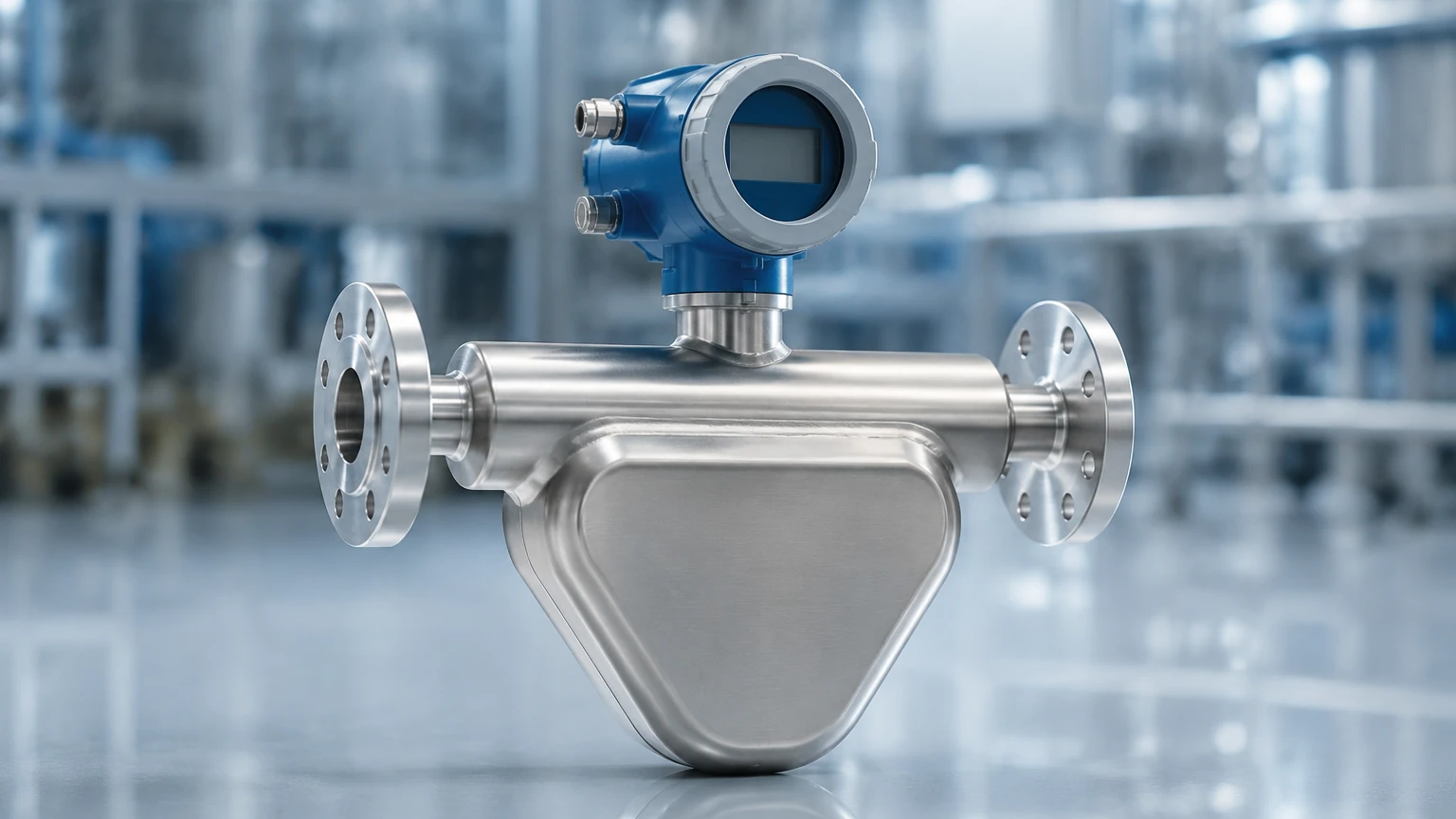
In the landscape of industrial process control, the precise measurement of fluid mass is a fundamental requirement for quality assurance, custody transfer, and chemical balancing. While volume-based measurement has historically dominated the field, the correolis meter—more commonly known in technical literature as the Coriolis mass flow meter—has emerged as the gold standard for high-accuracy applications. Unlike volumetric meters that require compensation for temperature and pressure, a correolis meter measures mass flow directly, providing a stable and reliable data point regardless of changing fluid properties.
For engineers managing complex liquid systems, understanding the synergy between flow measurement and level instrumentation is critical. While level sensors provide a snapshot of inventory within a vessel, the correolis meter tracks the movement of that inventory with unparalleled precision. Integrating these technologies allows for a comprehensive overview of process efficiency and material loss prevention. For a broader look at how these instruments fit into industrial automation, you can explore the various measurement technologies available on our Main Page.
Measurement Principles of the Correolis Meter
The operation of a correolis meter is rooted in the principles of classical mechanics, specifically the Coriolis effect. This effect describes the inertial force acting on an object that is in motion within a frame of reference that is rotating or oscillating.
The Oscillating Tube
Inside the meter, one or two measuring tubes are driven to vibrate at their natural resonant frequency by an electromagnetic drive coil. These vibrations are typically small in amplitude but high in frequency. When there is no flow, the tubes vibrate in a uniform manner, and sensors (pick-offs) located at the inlet and outlet sides of the tube record a synchronized sinusoidal wave.
The Coriolis Force and Phase Shift
As fluid enters the meter and moves through the vibrating tube, it is forced to take on the vertical momentum of the tube's vibration. On the inlet side, the fluid resists being pushed upward, exerting a force that pushes the tube down. On the outlet side, the fluid has already gained momentum and resists the downward motion of the tube, pushing it upward.
This opposing force causes the measuring tube to twist. This mechanical twist results in a time delay, or "phase shift," between the signals recorded by the inlet and outlet pick-off sensors. This phase shift is directly proportional to the mass flow rate of the fluid. Because mass is an intrinsic property that does not change with temperature or pressure, the measurement remains accurate even if the fluid's physical state fluctuates.
Multi-Variable Measurement
One of the primary advantages of the correolis meter is its ability to measure multiple parameters simultaneously:
1. Mass Flow: Derived from the phase shift.
2. Density: Derived from the resonant frequency of the tube vibration (heavier fluids cause the tube to vibrate more slowly).
3. Temperature: Measured via an internal RTD to compensate for the effect of temperature on the tube's elasticity.
Correolis Meter vs. Level Measurement: Complementary Technologies
In many B2B industrial applications, such as chemical dosing or oil and gas refining, there is a technical overlap between level measurement and mass flow measurement. Understanding when to use a correolis meter versus a level transmitter is essential for system design.
| Feature | Correolis Meter | Radar/Ultrasonic Level Meter |
| :— | :— | :— |
| Primary Variable | Mass Flow Rate (kg/h) | Product Level/Volume (m, mm) |
| Direct Mass Measurement | Yes | No (Requires density calculation) |
| Installation Type | Inline (Series with piping) | Top-mount (Non-contact or Guided) |
| Accuracy | ±0.1% to ±0.05% of rate | ±1mm to ±5mm |
| Fluid Density Impact | No impact on mass measurement | Significant for hydrostatic level |
| Moving Parts | No (Oscillating tubes only) | No |
| Cost | High | Moderate |
In a typical tank farm application, a radar level meter provides the primary inventory volume. However, a correolis meter installed on the discharge line provides the exact mass of the product delivered to the end-user. By comparing the change in mass (calculated from level and density) with the mass flow recorded by the correolis meter, operators can detect leaks or discrepancies in the system.
Key Evaluation Criteria for Selection
Selecting the correct correolis meter requires a detailed analysis of the process conditions. Because these instruments are a significant investment, engineers must confirm several factors before procurement.
1. Flow Rate and Pipe Size
Coriolis meters are often sized smaller than the process piping to increase the fluid velocity through the meter, which improves the signal-to-noise ratio and accuracy at the low end of the flow range. However, this can lead to a significant pressure drop. Engineers must balance the required accuracy with the allowable pressure loss (typically measured in bar or kPa).
2. Fluid Properties
The viscosity of the fluid is a major consideration. While a correolis meter is excellent for high-viscosity fluids (like molasses or heavy crude), extremely high viscosity can increase the pressure drop across the meter. Additionally, if the fluid contains entrained gas (slug flow), the vibration of the tubes can be dampened, leading to measurement errors. Advanced modern meters use digital signal processing to mitigate the effects of two-phase flow.
3. Material Compatibility
The measuring tubes are in constant contact with the process fluid. Standard tubes are often made of 316L Stainless Steel, but for corrosive chemicals, materials like Hastelloy C-22, Tantalum, or Titanium may be required. Ensuring the wetted parts are compatible with the chemical composition of the fluid is vital for the longevity of the instrument.
Installation Considerations
To maintain the high accuracy associated with a correolis meter, proper installation is mandatory. Unlike magnetic or ultrasonic flow meters, Coriolis meters generally do not require long straight pipe runs before or after the meter. However, they are sensitive to external mechanical factors.
* Vibration Isolation: The meter operates on the principle of controlled vibration. If the surrounding piping is vibrating due to pumps or motors, it can interfere with the meter's sensors. Flexible connectors or rigid supports on either side of the meter are often recommended.
* Orientation: For liquid applications, the meter should ideally be installed in a "U" down position or in a vertical line with upward flow. This ensures the tubes remain full of liquid and prevents the accumulation of air bubbles. For gas applications, the "U" should point upward to prevent condensate from trapping in the tubes.
* Zero Calibration: After installation and under full-pipe, zero-flow conditions, a "zero trim" must be performed. This accounts for the specific stresses exerted on the meter by the connected piping.
Limitations and Risks
While highly versatile, the correolis meter is not a universal solution for every application.
1. Initial Cost: The complexity of the sensor and the materials used make these meters more expensive than vortex, turbine, or electromagnetic meters.
2. Size Constraints: As pipe diameters increase (above 250mm or 10 inches), the size and weight of a Coriolis meter become substantial, often requiring specialized structural supports.
3. Pressure Drop: The restricted flow path in many tube designs can cause a permanent pressure loss, which may require larger pumps or higher system pressures.
4. Gas Entrainment: While improved, high percentages of entrained air can still cause the meter to "stall" or provide inaccurate readings if the drive electronics cannot maintain tube oscillation.
Frequently Asked Questions (FAQ)
Q: Does a correolis meter require periodic recalibration?
A: Because there are no moving parts subject to mechanical wear (like bearings in a turbine meter), Coriolis meters are extremely stable. In many applications, a yearly "zero check" and verification of the electronics are sufficient. However, for custody transfer, local regulations may require periodic master-meter or gravimetric calibration.
Q: Can it measure the flow of gases?
A: Yes, correolis meters are excellent for high-pressure gas applications. However, because gas has a much lower mass than liquid, the phase shift is smaller, which can result in lower accuracy compared to liquid flow measurement.
Q: How does temperature affect the measurement?
A: Temperature affects the stiffness (Young's modulus) of the measuring tubes. All high-quality correolis meters include an internal temperature sensor that the transmitter uses to mathematically compensate for these changes in real-time.
Q: What is the typical turndown ratio?
A: A well-sized correolis meter can achieve a turndown ratio of 20:1 or even 100:1 while maintaining acceptable accuracy, far exceeding the capabilities of orifice plates or other differential pressure devices.
Conclusion
The correolis meter represents a pinnacle of flow measurement technology, offering direct mass, density, and temperature data in a single device. For B2B stakeholders in the chemical, food and beverage, and oil industries, the ability to measure mass directly eliminates the variables associated with volumetric measurement and simplifies process accounting.
When integrated with reliable level measurement systems—such as those found on our Main Page—the correolis meter becomes part of a robust industrial automation strategy. By understanding the mechanical principles, selection criteria, and installation requirements, engineering teams can ensure long-term accuracy and operational efficiency in their most demanding fluid handling processes.