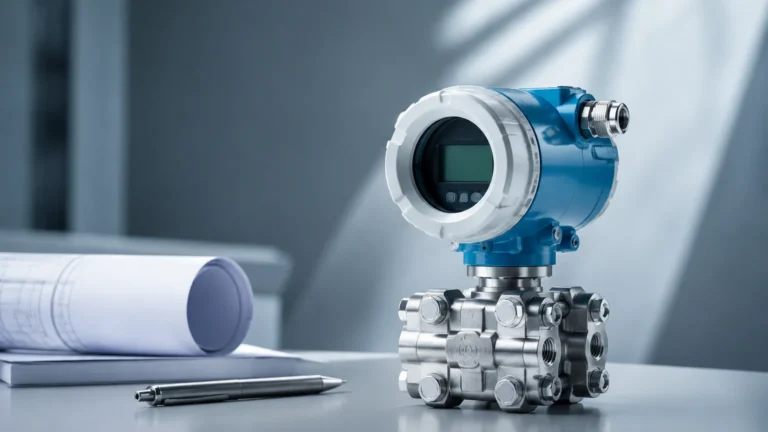
Ess Battery Reprocessing
Ess Battery Reprocessing
As the global transition toward renewable energy accelerates, the demand for large-scale Energy Storage Systems (ESS) has surged. This growth has created a secondary industrial challenge: the management of end-of-life lithium-ion batteries. Ess battery reprocessing is the industrial sequence of recovering valuable materials—such as lithium, cobalt, nickel, and manganese—from spent ESS units. This process is not only an environmental necessity but also a critical component of the circular economy for battery manufacturers.
In the context of industrial automation, ess battery reprocessing involves complex chemical and physical stages where fluid management is paramount. From the initial dismantling and mechanical crushing to the sophisticated hydrometallurgical extraction phases, precise level measurement is required to ensure safety, efficiency, and high-purity material recovery. This article explores the technical requirements for level instrumentation in battery recycling facilities and provides an engineering guide for selecting the appropriate technology.
The Role of Level Measurement in Battery Reprocessing
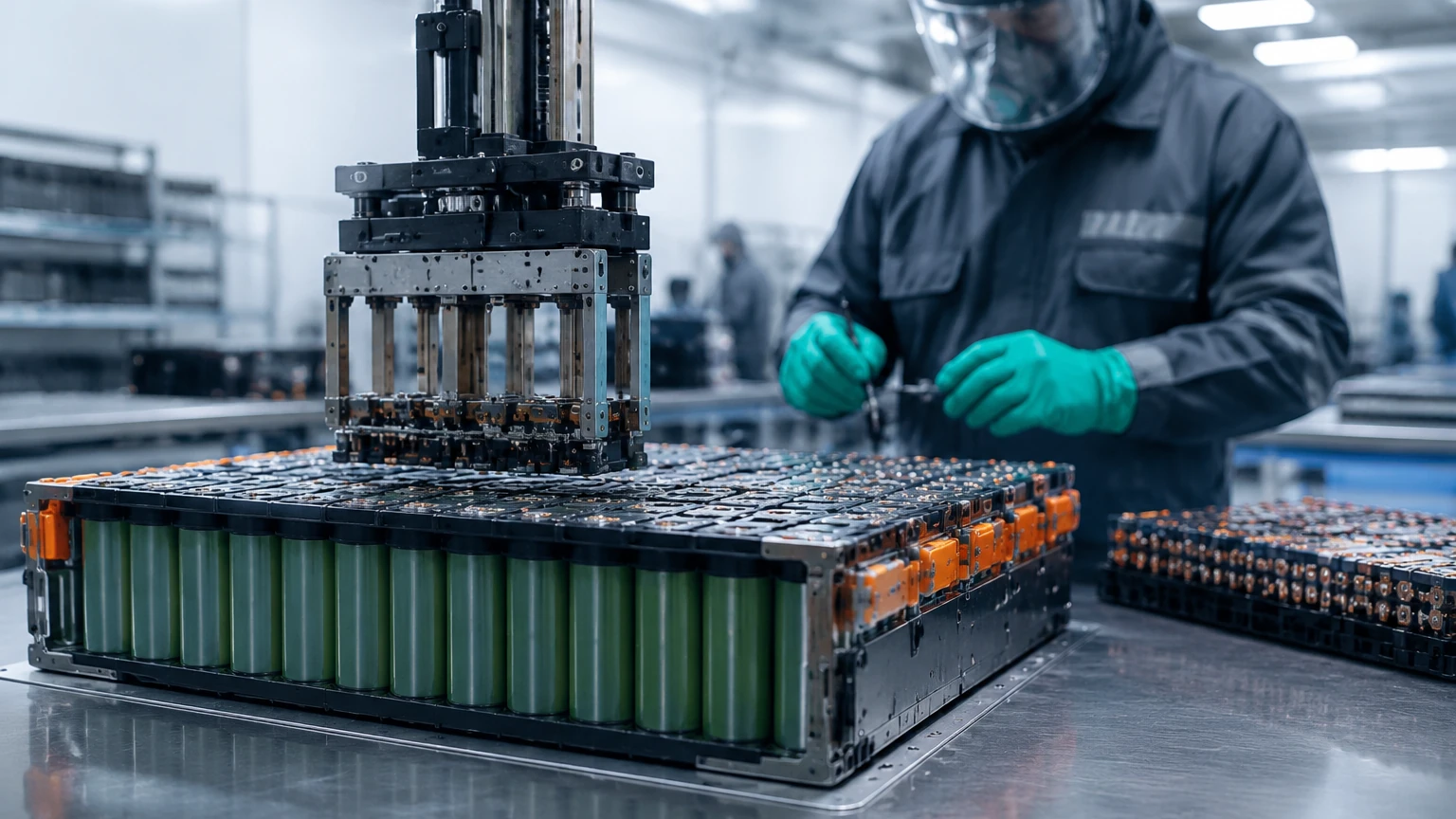
Ess battery reprocessing facilities operate as specialized chemical plants. The recovery of battery-grade chemicals typically involves hydrometallurgical processes where shredded battery components (black mass) are treated with various solvents and acids. Level measurement instruments are used throughout these stages to monitor storage tanks, leaching reactors, precipitation vessels, and wastewater treatment systems.
Accurate level data prevents tank overfills that could lead to hazardous chemical spills, ensures the correct dosing of reagents, and allows for the automation of continuous flow processes. Given the corrosive nature of the chemicals involved—including sulfuric acid, hydrochloric acid, and various organic solvents—the selection of level sensors must account for material compatibility and the physical characteristics of the fluids.
Measurement Principles and Technology Overview
Before selecting an instrument for ess battery reprocessing applications, it is essential to understand the underlying measurement principles. Each technology offers distinct advantages depending on the process conditions.
Radar Level Measurement (ToF)
Radar level meters operate on the Time of Flight (ToF) principle. The sensor emits a high-frequency electromagnetic wave (typically in the 26GHz or 80GHz range) toward the material surface. The wave is reflected back to the sensor, and the distance is calculated based on the time it took for the signal to travel.
In battery reprocessing, non-contact radar is often the preferred choice for leaching tanks. Because the sensor does not touch the corrosive liquid, it is less prone to degradation. 80GHz radar, in particular, offers a narrow beam angle, which is advantageous in vessels with internal agitators or heating coils, as it can avoid false reflections from these obstructions.
Ultrasonic Level Sensing
Ultrasonic sensors also use the ToF principle but utilize sound waves instead of electromagnetic waves. The transducer emits an ultrasonic pulse that reflects off the liquid surface. This technology is cost-effective and suitable for many water-based chemical storage tanks in the reprocessing line.
However, ultrasonic sensors have limitations in ess battery reprocessing environments where heavy vapors, foam, or high pressure are present. Since sound requires a medium (air) to travel, changes in air temperature or gas composition can affect the speed of sound and, consequently, the accuracy of the measurement.
Hydrostatic Level Transmitters
Hydrostatic measurement relies on the relationship between the height of a liquid column and the pressure it exerts at the base of the tank. The formula $P = \rho \cdot g \cdot h$ (where $P$ is pressure, $\rho$ is density, $g$ is gravity, and $h$ is height) allows the transmitter to calculate the level.
In battery recycling, hydrostatic sensors are frequently used in vented storage tanks for acids or deionized water. They are robust and simple to install. However, if the density of the liquid changes—which is common during chemical reactions in leaching—the sensor must be recalibrated or compensated to maintain accuracy.
Magnetic Level Gauges
For local visual indication and high-reliability point level control, magnetic level gauges are employed. These consist of a bypass chamber attached to the side of the tank. A float containing a magnet moves with the liquid level, flipping colored flaps or triggering external switches. This mechanical method provides a fail-safe visual reference that does not require power, making it a vital safety backup in reprocessing plants.
Key Evaluation Criteria for Instrument Selection
When designing a level control system for ess battery reprocessing, engineers must evaluate several factors to ensure long-term reliability.
1. Chemical Compatibility: The primary challenge in battery recycling is the presence of aggressive acids. Sensors must be constructed from or coated with resistant materials such as PTFE (Polytetrafluoroethylene), PVDF (Polyvinylidene fluoride), or high-grade stainless steel (316L or Hastelloy). For example, a radar antenna should be encapsulated in PTFE to prevent acid vapor from damaging the electronics.
2. Agitation and Turbulence: Many reprocessing stages involve mixing. Agitators create a turbulent surface and can cause physical stress on contact-based sensors. Non-contact radar is generally more resilient in these environments, provided the software can filter out the "noise" created by the blades.
3. Foam and Vapor: Leaching processes often generate foam and heavy chemical vapors. Foam can absorb ultrasonic signals, leading to signal loss. Radar is generally better at penetrating vapor, but heavy foam may still require a guided wave radar or a specific frequency adjustment to ensure a reliable return signal.
4. Tank Geometry: The narrow, tall tanks often found in chemical processing require sensors with narrow beam angles to avoid side-wall interference. This is where 80GHz radar technology excels compared to lower frequency options.
Technical Comparison Table
| Technology | Measurement Type | Best For | Limitations | Maintenance Level |
| :— | :— | :— | :— | :— |
| Radar (80GHz) | Non-contact | Corrosive acids, agitated tanks | High initial cost | Low |
| Ultrasonic | Non-contact | Water storage, neutral fluids | Affected by foam and vapor | Low |
| Hydrostatic | Contact (Pressure) | Vented tanks, stable density | Requires density consistency | Medium |
| Magnetic Gauge | Contact (Visual) | Safety backup, bypass pipes | Moving parts can clog | Medium |
| Level Switch | Point Detection | Overfill prevention | Only detects single points | Low |
Installation Considerations for Reprocessing Plants
Proper installation is as critical as sensor selection. In ess battery reprocessing facilities, the following guidelines should be observed:
* Nozzle Positioning: For non-contact sensors, the nozzle should be positioned away from the tank wall (typically at 1/4 to 1/3 of the tank diameter) to avoid signal interference. The nozzle height should also be minimized to prevent the "dead zone" or "near-field" effect where the sensor cannot measure close to the transducer face.
* Stilling Wells: In tanks with extreme turbulence or heavy foam, installing a radar sensor inside a stilling well (a vertical pipe) can provide a calm surface for measurement. This is particularly useful in black mass slurry tanks where the liquid is thick and prone to splashing.
* Isolation Valves: For hydrostatic and magnetic gauges, installing isolation valves allows for maintenance or calibration without draining the entire tank. This is essential for continuous reprocessing operations that cannot afford unscheduled downtime.
* Grounding: Since many battery chemicals are conductive or stored in metallic tanks, proper electrical grounding of the instruments is necessary to prevent signal interference and ensure safety in potentially explosive atmospheres (ATEX/Ex zones).
Limitations and Risks
While modern level meters are highly advanced, they are not without limitations. In the context of ess battery reprocessing, the most significant risk is "coating." In processes involving black mass, a thick layer of carbon and metallic particles can build up on the sensor face. If the coating becomes too thick, it can attenuate the signal or cause false readings. Regular cleaning cycles or the use of sensors with "tank-map" software—which can ignore static signals from build-up—are necessary.
Another risk involves the changing dielectric constant of the fluid. Radar sensors rely on a change in the dielectric constant at the air-liquid interface. If the chemical composition changes significantly during a reaction, the strength of the reflected signal may fluctuate. For these applications, Main Page resources can provide deeper technical specifications on selecting high-sensitivity electronics that handle low-dielectric fluids.
Frequently Asked Questions (FAQ)
Q: Can ultrasonic sensors be used in sulfuric acid tanks?
A: While they can be used if the sensor head is PVDF-coated, the heavy vapors often found above concentrated sulfuric acid can slow down the sound waves, leading to inaccuracies. Radar is generally the more reliable choice for concentrated acids.
Q: How do I measure the level of "black mass" slurry?
A: Slurries are challenging due to their density and solids content. A non-contact radar with a high-power signal or a heavy-duty hydrostatic transmitter with a flush diaphragm (to prevent clogging) is recommended.
Q: What is the benefit of 80GHz radar over 26GHz radar in battery recycling?
A: The 80GHz radar has a much narrower beam (about 3 to 6 degrees). This allows it to be installed in smaller nozzles and to "see" between internal tank structures like agitators and baffles without interference.
Q: Is overfill protection required in ess battery reprocessing?
A: Yes, most industrial regulations require a secondary, independent point-level switch (such as a tuning fork or float switch) to act as a high-high alarm to prevent environmental contamination and equipment damage.
Conclusion
As the volume of ess battery reprocessing grows, the sophistication of the facilities must keep pace. Level measurement is a foundational element of this industrial evolution. By understanding the measurement principles of radar, ultrasonic, and hydrostatic technologies, and by accounting for the harsh chemical environments typical of battery recycling, engineers can design systems that are both safe and efficient. Selecting the right instrument involves a careful balance of chemical compatibility, process conditions, and maintenance requirements. For further technical guidance and to Review product options and application support, consulting with instrumentation specialists is recommended to ensure the chosen solution meets the specific demands of the reprocessing line.