Hydrogen Sulfide Analyzers
Hydrogen Sulfide Analyzers
In industrial environments, the detection and quantification of hydrogen sulfide (H2S) are critical for personnel safety, asset protection, and process optimization. Hydrogen sulfide is a colorless, highly toxic, and flammable gas characterized by its distinct "rotten egg" odor at low concentrations, though it quickly desensitizes the sense of smell at higher levels. For industries such as oil and gas, wastewater treatment, and chemical manufacturing, hydrogen sulfide analyzers serve as the primary line of defense against the corrosive and lethal effects of this gas.
Effective monitoring requires an understanding of the chemical properties of H2S and the various sensing technologies available. As H2S is heavier than air (with a vapor density of approximately 1.19 relative to air), it tends to accumulate in low-lying areas, sumps, and the bottom of storage tanks. This behavior necessitates a strategic approach to both gas analysis and liquid level monitoring to ensure comprehensive site safety.
Measurement Principles of Hydrogen Sulfide Analyzers
Selecting the appropriate technology for hydrogen sulfide analyzers depends on the required detection range, accuracy, and the specific environmental conditions of the application. The following are the most common measurement principles used in modern industrial instrumentation.
Electrochemical Sensors
Electrochemical sensors are among the most common technologies for point-source H2S detection. These sensors operate by reacting with the gas and producing an electrical current proportional to the concentration. The gas diffuses through a porous membrane into a cell containing an electrolyte and electrodes. When H2S reaches the sensing electrode, a chemical oxidation reaction occurs.
* Pros: Low power consumption, compact size, and cost-effective for portable and fixed-point leak detection.
* Cons: Limited lifespan (typically 2–3 years), sensitivity to temperature fluctuations, and potential for "poisoning" or saturation when exposed to high concentrations for extended periods.
Metal Oxide Semiconductor (MOS)
MOS sensors consist of a heated metal oxide film. In the presence of H2S, the electrical conductivity of the film changes. These sensors are known for their extreme durability and ability to operate in high-temperature or very dry environments where electrochemical sensors might fail.
Lead Acetate Tape Method
This is a classic colorimetric technique used primarily for low-level (PPB to low PPM) analysis in gas streams. A paper tape impregnated with lead acetate is exposed to the gas sample. The reaction between H2S and lead acetate forms lead sulfide, which creates a brown stain on the tape. An optical reader measures the rate of darkening to determine the H2S concentration.
* Pros: Highly specific to H2S with virtually no cross-sensitivity to other sulfur compounds.
* Cons: Requires consumable tape rolls and mechanical components that need regular maintenance.
Ultraviolet (UV) Absorption
H2S molecules absorb light at specific wavelengths in the ultraviolet spectrum. UV absorption analyzers pass a beam of light through a sample cell and measure the attenuation of light at the characteristic H2S wavelength. This is often used in "sour gas" applications and sulfur recovery units.
Tunable Laser Diode Spectroscopy (TDLAS)
TDLAS is an advanced optical technology that uses a laser tuned to a specific absorption line of hydrogen sulfide. By measuring the light absorption as the laser passes through the gas, the analyzer provides a highly accurate and rapid measurement. TDLAS is an in-situ or extractive method that is non-contact, meaning the sensor components do not touch the corrosive gas directly.
Selection Criteria and Technical Comparison
When evaluating hydrogen sulfide analyzers, engineers must balance the need for sensitivity against the harshness of the process environment. The following table provides a comparison of common technologies used in B2B industrial applications.
| Technology | Typical Range | Response Time (T90) | Maintenance Level | Best Application |
| :— | :— | :— | :— | :— |
| Electrochemical | 0–100 ppm | < 30 seconds | Moderate (Calibration) | Personnel safety, perimeter monitoring |
| MOS | 0–100 ppm | < 60 seconds | Low | High-temperature, desert environments |
| Lead Acetate | 0–50 ppm | 2–5 minutes | High (Consumables) | Pipeline quality, laboratory analysis |
| UV Absorption | 0–100% | < 10 seconds | Low | Sulfur recovery, process control |
| TDLAS | 0–10,000 ppm | < 5 seconds | Very Low | Sour gas processing, high-accuracy needs |
Key Evaluation Factors
1. Concentration Range: Determine if the analyzer is for leak detection (low PPM) or process monitoring (high PPM or % volume).
2. Cross-Sensitivity: In chemical plants, other gases like mercaptans or hydrocarbons may interfere with certain sensors. TDLAS and Lead Acetate offer the highest specificity.
3. Environmental Conditions: Consider the ambient temperature and humidity. For instance, electrochemical sensors may dehydrate in extremely dry climates, requiring specialized housings or alternative technologies.
4. Area Classification: Ensure the analyzer is rated for the specific hazardous zone (e.g., ATEX/IECEx Zone 0, 1, or 2).
Installation Guidelines for H2S Detection Systems
Proper installation is as critical as the choice of technology. Because H2S is heavier than air, the physical placement of hydrogen sulfide analyzers significantly impacts their effectiveness.
Sensor Placement
* Height: Fixed-point sensors for H2S should generally be mounted 0.3 to 0.5 meters (approximately 1 to 1.5 feet) above the floor or grade level, as the gas will settle in low areas. However, if the goal is to protect the "breathing zone," sensors may be placed at 1.5 meters (5 feet).
* Airflow: Sensors should be placed downwind of potential leak sources (valves, pumps, flanges) based on the prevailing wind direction.
* Accessibility: While sensors must be placed near potential leaks, they must also remain accessible for routine calibration and maintenance.
Sampling Systems
For extractive analyzers (like UV or TDLAS), the sampling system must be designed to prevent condensation. H2S is highly soluble in water; if moisture condenses in the sample line, it can absorb the H2S gas, leading to artificially low readings and the formation of corrosive hydrosulfuric acid. Heated sample lines and moisture removal components are often required.
Integration with Level Instrumentation
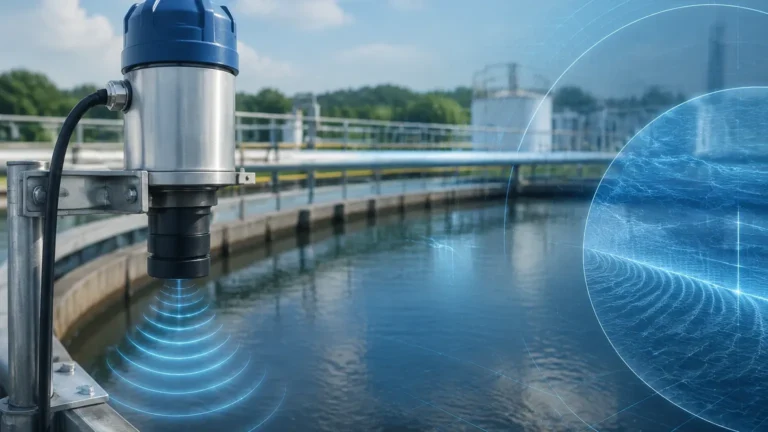
In many applications, such as wastewater wet wells or crude oil storage tanks, H2S monitoring is performed alongside liquid level measurement. High H2S concentrations are often found in the headspace of tanks. When the liquid level rises, the gas in the headspace is displaced and can reach dangerous concentrations. Utilizing reliable level measurement from the Main Page of a specialized manufacturer ensures that operators can correlate gas spikes with tank filling cycles, improving overall safety protocols.
Operational Limitations and Maintenance
No analyzer is a "set and forget" device. Understanding the limitations of hydrogen sulfide analyzers is essential for maintaining a safe working environment.
Sensor Poisoning and Saturation
Electrochemical sensors can be "poisoned" by exposure to certain chemicals like silicones or high concentrations of other sulfur compounds, which coat the electrodes and render them unresponsive. Furthermore, if a sensor is exposed to a concentration far beyond its rated range, it may become saturated and require a significant "recovery time" in clean air before it can provide accurate readings again.
Calibration Requirements
Regular calibration is mandatory for safety-critical H2S detection. For electrochemical and MOS sensors, a "bump test" (exposure to a known concentration of gas to verify response) should be performed frequently, with full calibrations conducted every 3 to 6 months depending on local regulations and site conditions. Lead acetate and optical systems require less frequent calibration but need regular checks of the optical path and moving parts.
Material Compatibility
H2S is highly corrosive, especially in the presence of moisture. All wetted parts of the analyzer—including the sensor housing, sampling probes, and fittings—should be constructed from corrosion-resistant materials such as 316 Stainless Steel, PTFE (Teflon), or Hastelloy.
Integration with Industrial Automation
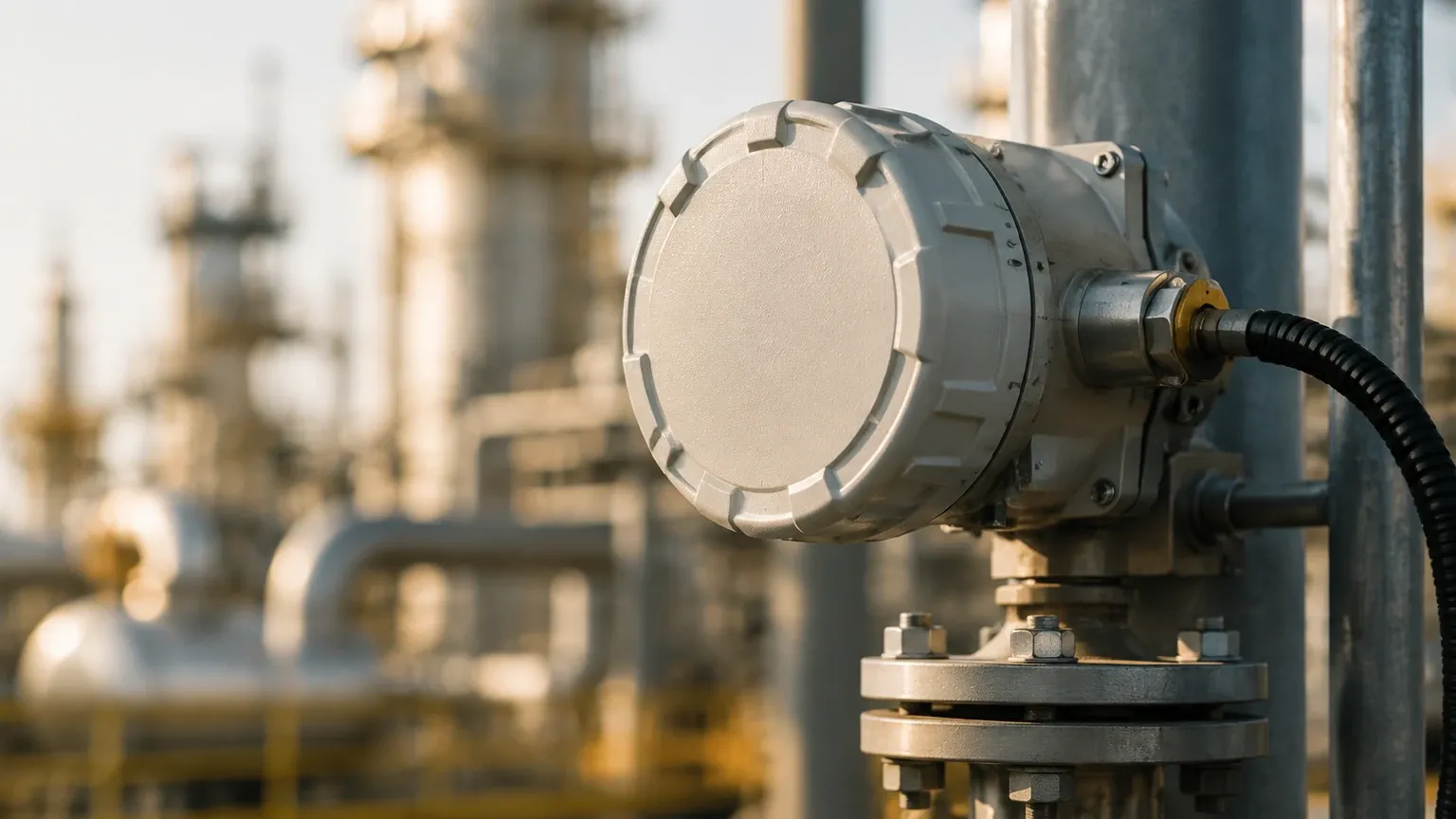
Modern hydrogen sulfide analyzers are rarely standalone devices. They are typically integrated into a broader Industrial Control System (ICS) or Distributed Control System (DCS). Common integration methods include:
* 4-20 mA Analog Output: The standard for transmitting gas concentration data to a PLC.
* HART Protocol: Allows for digital diagnostics and calibration data to be transmitted over the same analog wires.
* Modbus RS485 / Ethernet: Used for complex analyzers (like TDLAS) to provide detailed status information, including temperature, pressure, and internal diagnostics.
* Relay Outputs: Many fixed-point detectors include local relays to trigger strobe lights, sirens, or ventilation fans directly when a specific alarm threshold (e.g., 10 ppm) is reached.
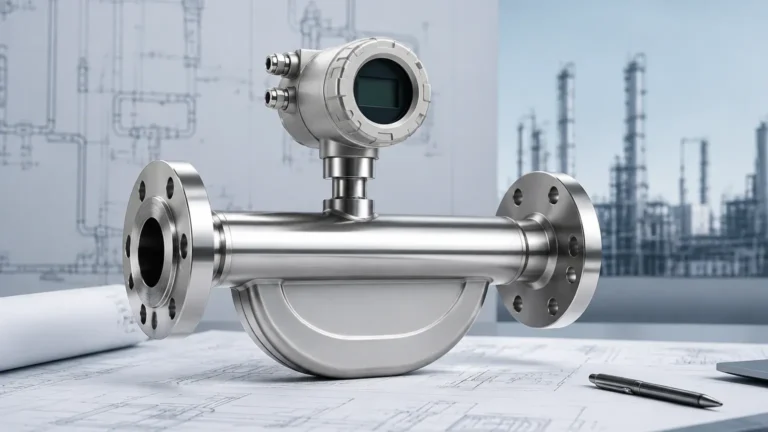
In tank farm applications, combining gas analysis with hydrostatic or radar level transmitters allows for automated vapor recovery systems. As the level meter detects an increase in liquid, the system can preemptively increase the capacity of the H2S scrubbing system to handle the displaced gas.
Frequently Asked Questions (FAQs)
Q: How often should I replace the sensor in my H2S analyzer?
A: For electrochemical sensors, the typical lifespan is 24 to 36 months. However, this can be shorter in harsh environments with high heat or constant background H2S exposure. Optical and TDLAS systems do not have a "consumable" sensor in the same way and can last 10+ years with proper maintenance.
Q: Why does my analyzer show 0 ppm even when I can smell the gas?
A: Humans can smell H2S at concentrations as low as 0.01 ppm. Many industrial analyzers are calibrated for a range of 0–50 or 0–100 ppm and may have a "deadband" or lower detection limit of 0.5 or 1.0 ppm to prevent false alarms. Additionally, if the sensor is located far from the source or at an incorrect height, it may not detect the gas plume.
Q: Can H2S analyzers be used in oxygen-deficient environments?
A: Some electrochemical sensors require a small amount of oxygen to function correctly. If you are monitoring H2S in a nitrogen-purged tank, you must select a sensor specifically designed for anaerobic environments or use an optical technology like TDLAS or UV absorption, which does not require oxygen for the measurement reaction.
Q: What is the difference between a gas detector and a gas analyzer?
A: In industry, "detector" often refers to a simple device used for safety (alarm/no-alarm), while "analyzer" refers to a more precise instrument used for process control or quantifying exact concentrations in a gas stream. However, the terms are frequently used interchangeably in B2B contexts.
Conclusion
Hydrogen sulfide analyzers are indispensable tools for maintaining safety and process efficiency in modern industry. By understanding the underlying measurement principles—from the cost-effective electrochemical cells to the high-precision TDLAS systems—engineering teams can select the right technology for their specific needs. When combined with robust installation practices and integrated with liquid level monitoring systems, these analyzers provide the data necessary to manage the risks associated with sour gas and hazardous industrial processes. For further technical specifications on instruments that support these applications, engineers are encouraged to review product options and application support on the Main Page of professional measurement providers.