Improving Energy Efficiency of Boiler Systems
Improving Energy Efficiency of Boiler Systems
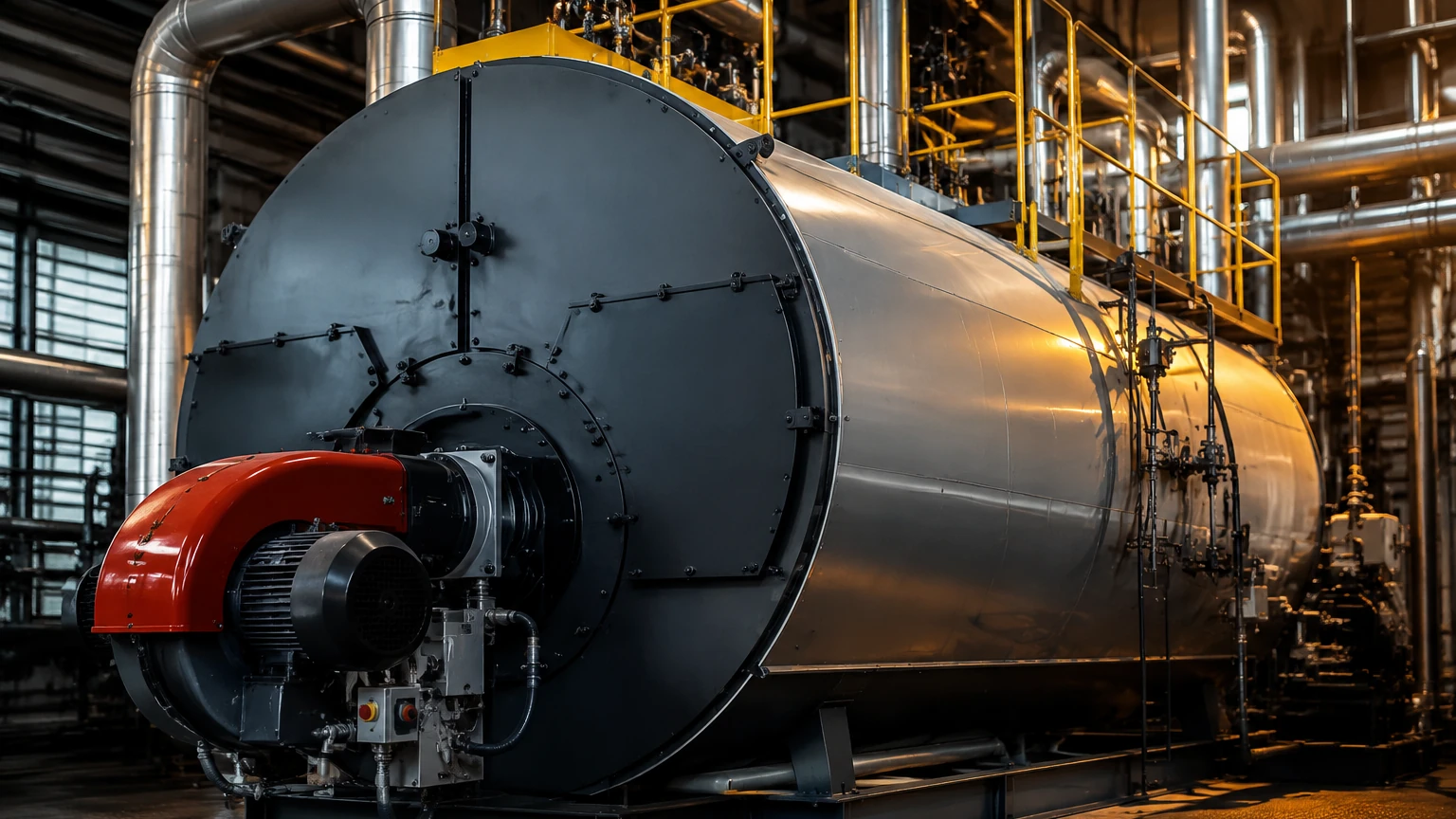
In industrial operations, the boiler system is often the single largest consumer of fuel. Whether used for power generation, chemical processing, or district heating, the efficiency of a boiler directly dictates the operational cost and carbon footprint of a facility. Improving energy efficiency of boiler systems is not merely a matter of upgrading burners; it requires a holistic approach to the water-steam cycle, where precise level measurement plays a critical role in optimizing heat transfer and reducing waste.
Effective boiler management relies on maintaining a delicate balance between the water and steam phases. Inaccurate level readings can lead to excessive blowdown, poor steam quality, or dangerous dry-run conditions. This article explores how advanced level measurement technologies contribute to energy optimization and provides a technical guide for selecting and installing these instruments.
The Relationship Between Level Control and Energy Efficiency
Level control is a fundamental pillar of boiler efficiency. The water level in the steam drum must be kept within a narrow range to ensure the system operates at peak thermal performance.
Preventing Carryover and Priming
When the water level is too high, liquid water can be entrained into the steam flow, a phenomenon known as carryover. This moisture reduces the energy content (enthalpy) of the steam and can damage downstream equipment like turbines or heat exchangers through impingement and scale buildup. By utilizing high-precision sensors, operators can maintain the highest possible water level without risking carryover, maximizing the steam space's effectiveness.
Optimizing Blowdown Cycles
Boiler water contains dissolved solids that concentrate as steam is generated. To prevent scale formation, a portion of the hot, pressurized water must be discharged—this is known as blowdown. Excessive blowdown is a significant source of energy loss. Precise level and interface monitoring allow for automated, continuous blowdown control based on real-time water chemistry and volume, ensuring that only the necessary amount of heated water is wasted.
Feedwater Preheating and Heat Recovery
Improving energy efficiency of boiler systems often involves recovering heat from condensate. Accurate level measurement in deaerators and condensate return tanks ensures that the maximum amount of preheated water is available for the boiler, reducing the fuel required to reach boiling point.
Measurement Principles for Boiler Level Control
Before selecting an instrument, it is essential to understand the physics behind the measurement, especially given the high-temperature and high-pressure environment of a boiler.
1. Guided Wave Radar (GWR)
Guided Wave Radar operates on the principle of Time Domain Reflectometry (TDR). A low-energy electromagnetic pulse is sent down a probe (waveguide). When the pulse hits the water surface, a portion of the energy is reflected back to the transmitter because of the change in the dielectric constant between steam and water.
* Efficiency Impact: GWR is largely unaffected by changes in pressure or density, making it far more reliable than traditional buoyancy-based systems. In high-pressure steam applications, specialized GWR probes include "gas phase compensation" to account for the speed of the radar pulse through dense steam, ensuring sub-millimeter accuracy.
2. Hydrostatic Pressure Measurement
This method measures the pressure exerted by the liquid column. The formula used is $P =
ho gh$, where $P$ is pressure, $
ho$ is the density of the fluid, $g$ is gravity, and $h$ is the height of the liquid.
* Efficiency Impact: In boilers, the density ($
ho$) of water changes significantly as temperature increases. To maintain efficiency, hydrostatic transmitters must be paired with temperature sensors to provide real-time density compensation. This ensures the boiler does not run "lean" on water, which would impair heat transfer from the fire tubes or water walls.
3. Differential Pressure (DP) Transmitters
DP transmitters measure the difference between the pressure at the bottom of the drum and the steam pressure at the top. This is the traditional standard for drum level.
* Efficiency Impact: Like hydrostatic sensors, DP cells require compensation for the density of both the water and the saturated steam. When calibrated correctly, they provide a continuous signal that is vital for three-element control strategies (balancing steam flow, feedwater flow, and level).
4. Magnetic Level Gauges
Magnetic gauges use a float containing a magnet assembly that travels inside a non-magnetic chamber. As the float rises and falls with the water level, it flips magnetized flags on an external scale and can trigger reed switches or transmit a 4-20mA signal.
* Efficiency Impact: These provide a highly visible, power-free local indication, which is crucial for safety audits and manual verification of automated systems.
Selection Table for Boiler Level Instruments
The following table compares common technologies used in the process of improving energy efficiency of boiler systems.
| Technology | Max Temperature | Max Pressure | Accuracy | Best For |
| :— | :— | :— | :— | :— |
| Guided Wave Radar | Up to 450°C | Up to 400 bar | ±2 mm | High-pressure steam drums, feedwater heaters |
| Differential Pressure | Process Dependent | Up to 700 bar | ±0.1% Span | Continuous drum level control |
| Magnetic Gauge | Up to 400°C | Up to 250 bar | ±5 mm | Visual bypass monitoring, safety redundancy |
| Ultrasonic (Non-contact) | Up to 150°C | Up to 3 bar | ±0.25% | Condensate tanks, atmospheric feed tanks |
| Hydrostatic | Up to 200°C | Up to 100 bar | ±0.1% Span | Hot wells, deaerators |
Installation Considerations for Maximum Accuracy
To ensure that level instruments contribute to the goal of improving energy efficiency of boiler systems, installation must follow strict engineering guidelines:
1. Stilling Wells and Bypass Chambers: For boilers with significant internal turbulence or foaming, GWR probes and floats should be installed in a bypass chamber (bridle). This isolates the sensor from the turbulent surface, providing a stable reading.
2. Impulse Line Insulation: For DP transmitters, the impulse lines must be properly sloped and often insulated or heat-traced to prevent the formation of air pockets or unintended condensation, which can cause "level shifts."
3. Steam Compensation: When using Radar in high-pressure environments (typically above 20 bar / 290 PSI), the dielectric constant of steam increases. Ensure the transmitter is configured with a compensation reference to prevent measurement errors of up to 20%.
4. Siphon Tubes: For hydrostatic and DP transmitters, use pigtail siphons to create a water seal that protects the sensor electronics from direct contact with high-temperature steam.
Limitations and Operational Risks
While advanced measurement aids efficiency, certain physical limitations must be managed:
* Foaming: High concentrations of chemicals or oils in the boiler water can cause foaming. Ultrasonic sensors may fail in these conditions as the foam absorbs the sound wave. GWR or differential pressure are preferred in foam-prone environments.
* Scaling: Over time, calcium and magnesium deposits can build up on probes or inside bypass chambers. Regular blowdown of the instrument chamber itself is required to ensure the sensing element remains free-moving and accurate.
* Ambient Temperature Effects: Electronics mounted directly on top of a boiler can overheat. Use remote-mounted electronics or cooling fins to extend the lifespan of the instrument.
Frequently Asked Questions (FAQs)
Q: How does drum level affect fuel consumption?
A: If the level is too low, the heat transfer surfaces are not fully submerged, leading to localized overheating and reduced thermal efficiency. If too high, steam quality drops, requiring more energy to achieve the same process heating effect downstream.
Q: Can I use ultrasonic sensors for steam drum level?
A: Generally, no. The high pressure and varying density of steam significantly alter the speed of sound, and the heavy turbulence/steam blankets often attenuate the signal. Ultrasonic sensors are better suited for atmospheric condensate tanks.
Q: What is three-element control?
A: It is a control strategy that uses steam flow, feedwater flow, and drum level to manage the boiler. This prevents "swell and shrink" effects from confusing the control system, leading to much more stable and efficient burner operation.
Conclusion and Next Steps
Improving energy efficiency of boiler systems is a multi-faceted challenge, but it begins with the ability to see exactly what is happening inside the pressure vessel. By transitioning from basic sight glasses to high-accuracy Guided Wave Radar or compensated Differential Pressure transmitters, facilities can reduce fuel waste, protect expensive turbine assets, and automate blowdown processes.
For engineers looking to optimize their steam plant, selecting the right instrumentation is the first step toward a more sustainable operation. You can Review product options and application support on our Main Page to find the specific measurement technology that fits your boiler’s pressure and temperature profile.
Before finalizing a selection, always confirm the maximum operating pressure (MAWP) of your vessel and the chemical compatibility of the wetted materials with your boiler water treatment program. Reliable data is the foundation of energy efficiency; ensure your level measurement system is up to the task.
Download Improving Energy Efficiency of Boiler Systems as a PDF