Memosens Cps71e
Memosens Cps71e
In the landscape of industrial process automation, the precision of liquid analysis is as critical as the accuracy of volume measurement. The Memosens CPS71E stands as a specialized digital pH sensor designed for heavy-duty applications, particularly within the chemical industry and complex process technology. While level measurement instruments provide the necessary data regarding the quantity of a medium, sensors like the Memosens CPS71E provide the essential qualitative data required for process safety, environmental compliance, and product consistency.
Understanding the technical nuances of the Memosens CPS71E requires a look at both the electrochemical principles of pH measurement and the digital transformation brought about by Memosens 2.0 technology. This guide explores the engineering considerations, installation requirements, and selection criteria for integrating this sensor into modern process architectures.
Measurement Principles of pH and Memosens Technology
To effectively implement the Memosens CPS71E, engineers must first understand the underlying physics of pH detection and the digital communication protocol that distinguishes this sensor from traditional analog electrodes.
Potentiometric pH Measurement
The Memosens CPS71E operates on the potentiometric principle. It utilizes a glass electrode with a pH-sensitive membrane. When the sensor is immersed in a liquid, hydrogen ions in the medium interact with the gel layer on the outside of the glass membrane, while a reference buffer inside the electrode maintains a constant potential. The difference in potential between the internal reference system and the external medium is measured according to the Nernst equation. This voltage is proportional to the pH value of the liquid.
The Memosens Advantage
Traditional analog pH sensors are susceptible to several failure points: moisture in the connector, electromagnetic interference, and signal loss over long cable distances. The Memosens CPS71E eliminates these issues through a non-contact, inductive signal transmission system.
1. Inductive Coupling: The connection between the sensor head and the cable is hermetically sealed. Power and data are transferred via an inductive link, meaning there are no metallic contacts to corrode or short-circuit due to humidity.
2. Digital Signal Processing: The pH signal is converted from an analog voltage to a digital signal directly within the sensor head. This ensures that the data reaching the transmitter or PLC is identical to what was measured, regardless of cable length or environmental noise.
3. Data Storage: The sensor stores its own calibration data, serial number, and operating hours. This allows for "plug-and-play" functionality, where sensors can be calibrated in a controlled laboratory environment and then hot-swapped into the process field without requiring on-site calibration.
Technical Specifications and Design Features
The Memosens CPS71E is engineered for environments where standard pH probes would fail due to poisoning or extreme temperatures. Its design focuses on long-term stability in aggressive media.
Reference System and Ion Trap
One of the primary causes of pH sensor failure is the poisoning of the reference system. Contaminants from the process medium can diffuse through the junction and react with the silver/silver chloride (Ag/AgCl) reference lead, altering the reference potential. The CPS71E features an advanced reference system with an integrated ion trap. This trap prevents poisoning ions, such as sulfides or cyanides, from reaching the reference lead, significantly extending the sensor's service life in chemical applications.
Technical Data Summary
| Feature | Specification |
| :— | :— |
| Measurement Range | pH 0 to 14 |
| Temperature Range | -15 °C to 140 °C (5 °F to 284 °F) |
| Pressure Rating | Up to 14 bar (203 psi) absolute |
| Reference System | Ag/AgCl with ion trap and acrylamide-free gel |
| Junction | Ceramic or open aperture (depending on version) |
| Materials | Process glass, PTFE/Ceramic junction, PPS fiber-reinforced head |
Integration with Level Measurement Systems
In many industrial applications, pH monitoring is inseparable from level control. In neutralization tanks, wastewater treatment plants, and chemical reactors, the volume of the medium (determined by level sensors) dictates the amount of reagent required to adjust the pH.
For instance, in a large-scale chemical storage facility, hydrostatic level transmitters or radar level meters provide continuous volume data. When the Memosens CPS71E detects a shift in pH that requires correction, the automation system calculates the dosing requirements based on the current tank level. For engineers designing these integrated systems, selecting the right combination of qualitative and quantitative sensors is paramount. You can Review product options and application support to see how various level measurement technologies complement analytical sensors in process loops.
Selection Criteria for the Memosens CPS71E
Choosing the CPS71E over other sensors in the Memosens family depends on the specific chemical stresses of the application.
* High Temperature Stability: If the process involves frequent Steam-In-Place (SIP) or Clean-In-Place (CIP) cycles, the CPS71E is preferred due to its stabilized gel and robust glass formulation.
* Poisoning Resistance: In processes containing hydrogen sulfide (H2S) or high concentrations of chlorides, the ion trap technology becomes a necessity rather than an option.
* Fast Response Time: The sensor is designed for rapid response even in low-conductivity media, though extremely pure water may require specialized low-conductivity variants.
Installation Considerations
Proper installation is critical to ensuring the accuracy and longevity of the Memosens CPS71E. Because the sensor relies on a liquid junction and internal electrolyte, orientation and flow dynamics must be considered.
Mounting Angle
The sensor should typically be installed at an angle of at least 15° from the horizontal. This ensures that the air bubble inside the glass bulb rises to the top, maintaining full contact between the internal buffer and the pH-sensitive glass membrane. Horizontal or upside-down installation can lead to measurement errors or permanent damage to the electrode.
Assembly Types
1. Fixed Assemblies: Used when the process can be shut down for sensor maintenance. The sensor is mounted directly into a nozzle or flange.
2. Flow-through Assemblies: Ideal for bypass lines where the sample flow can be controlled and filtered if necessary.
3. Retractable Assemblies: These allow the sensor to be removed, cleaned, and calibrated while the process is still under pressure. This is highly recommended for the CPS71E in aggressive chemical applications to prevent unnecessary downtime.
Maintenance and Laboratory Calibration
The digital nature of the Memosens CPS71E changes the maintenance workflow. Since the sensor stores its own calibration constants, the traditional method of carrying buffer solutions to the tank-side transmitter is no longer necessary.
The Lab-to-Process Workflow
1. Lab Calibration: A technician calibrates a clean CPS71E in the laboratory using standard buffer solutions (e.g., pH 4.0 and 7.0). The calibration data is saved directly in the sensor's head.
2. Field Replacement: The technician takes the calibrated sensor to the field, disconnects the old sensor, and connects the new one.
3. Automatic Recognition: The transmitter automatically reads the new calibration data from the sensor. The process is back online in seconds, minimizing the risk of exposure to hazardous chemicals for the technician.
Limitations and Operational Boundaries
While the Memosens CPS71E is highly robust, it is not a universal solution for every process. Engineers should be aware of its limitations:
* Hydrofluoric Acid (HF): Standard pH glass is etched by hydrofluoric acid. If the process contains HF in concentrations above a few milligrams per liter, a specialized HF-resistant glass or a non-glass ISFET sensor should be considered.
* Extreme Dehydration: If the sensor is left in a dry environment for extended periods, the gel layer on the glass membrane will dehydrate, leading to sluggish response times. Always store the sensor in the provided wetting cap filled with 3M KCl solution.
* Mechanical Stress: Despite the reinforced design, the sensing element is still made of glass. High-velocity flows with abrasive solids can cause mechanical erosion or breakage.
Frequently Asked Questions (FAQs)
How long does a Memosens CPS71E typically last?
In standard chemical applications with moderate temperatures, a lifespan of 6 to 18 months is common. However, in extreme conditions (continuous 130 °C), the lifespan may be reduced to a few weeks or months. The internal "load" counter in the Memosens head helps predict when the sensor is nearing the end of its life.
Can I use a standard analog cable with the CPS71E?
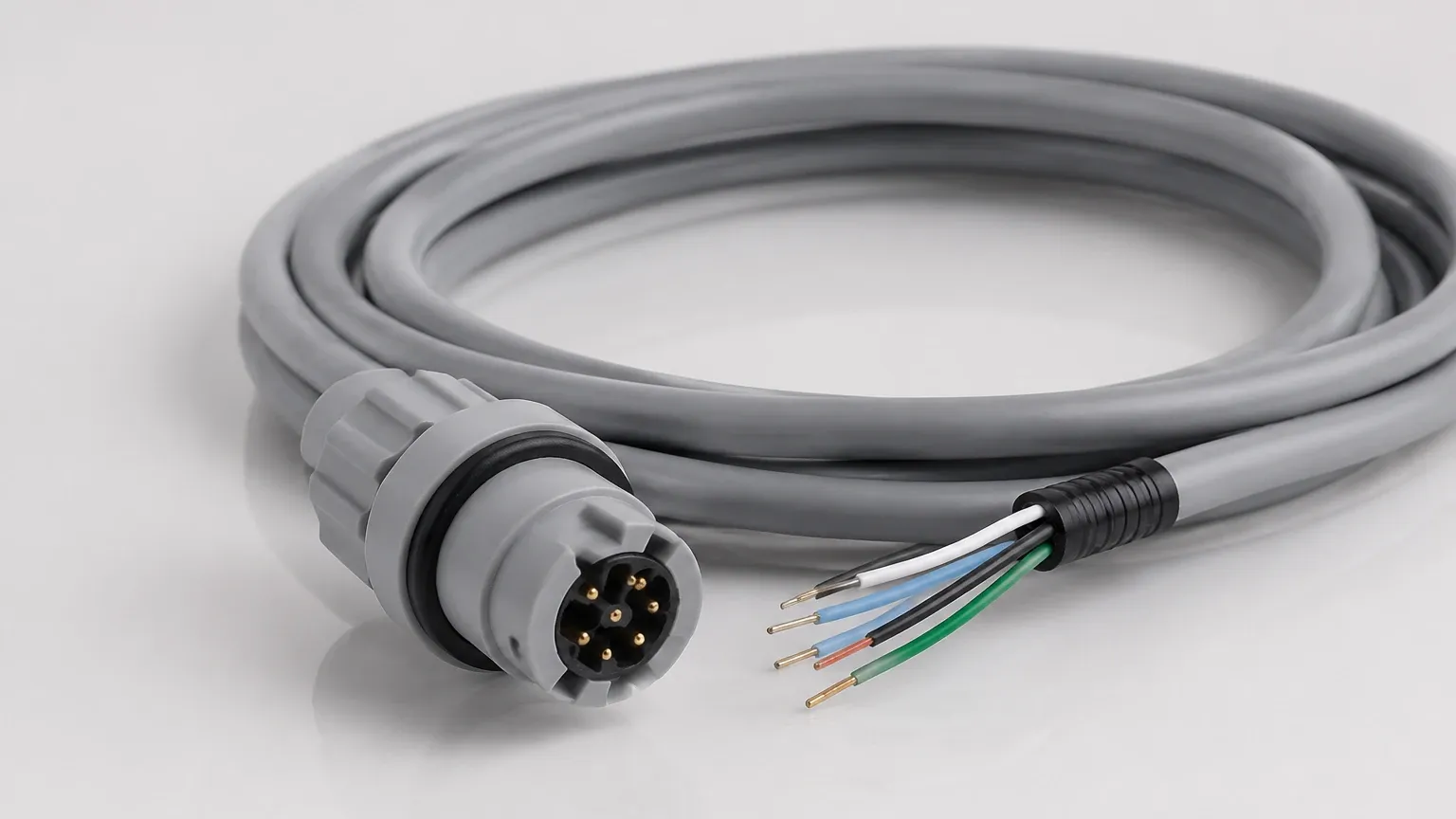
No. The CPS71E requires a Memosens data cable (such as the CYK10). The connection is inductive and digital; standard coaxial pH cables are not compatible.
Is the sensor compatible with third-party transmitters?
While Memosens is an open standard used by several manufacturers, the CPS71E is specifically designed to work within the Memosens ecosystem. It is essential to verify that the transmitter supports the Memosens 2.0 protocol for full feature access, including advanced diagnostics.
What is the maximum cable distance for the CPS71E?
Due to the digital signal transmission, the cable can extend up to 100 meters (approximately 328 feet) without signal degradation, which is significantly further than the 10-15 meter limit typical of analog pH sensors.
Conclusion
The Memosens CPS71E represents a significant advancement in the reliability of analytical process measurements. By combining the chemical resilience of an ion-trapped reference system with the operational efficiency of Memosens digital technology, it provides a stable foundation for complex process control. When integrated with robust level measurement and automation strategies, it ensures that industrial processes remain efficient, safe, and compliant with rigorous quality standards.