Ph Glass
Ph Glass
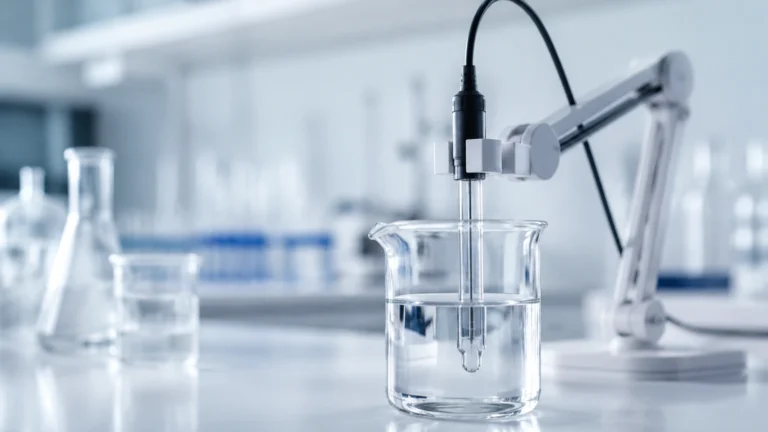
In the realm of industrial liquid analysis, the pH glass electrode remains the gold standard for measuring acidity and alkalinity. While modern industrial automation often focuses on physical parameters like those found on the Main Page of instrumentation catalogs—such as level, flow, and pressure—the chemical composition of a process fluid is equally critical. The term "pH glass" refers specifically to the ion-sensitive membrane at the heart of a pH sensor, a specialized material engineered to interact with hydrogen ions in a predictable, measurable way.
Understanding the science behind pH glass, its various formulations, and its practical application is essential for engineers managing water treatment, chemical processing, and pharmaceutical manufacturing. This guide explores the technical specifications, selection criteria, and maintenance protocols required to ensure accurate measurements in demanding B2B environments.
The Science of pH Glass: Measurement Principles
The operation of a pH sensor relies on the electrochemical properties of a specialized glass membrane. Unlike standard soda-lime glass used in windows, pH glass is typically a lithium-silicate or sodium-silicate compound with specific additives like calcium or barium.
The Hydration Layer
When a pH glass electrode is immersed in an aqueous solution, a very thin layer (approximately 10 to 100 nanometers) of the glass surface becomes hydrated, forming a "gel layer." This hydration is critical; without it, the electrode cannot function. Inside the electrode, a known reference solution (usually a pH 7 buffer) also hydrates the inner surface of the glass.
Ion Exchange and Potential
The measurement is not a direct chemical reaction but rather an ion exchange process. Hydrogen ions ($H^+$) in the external process fluid exchange with alkali metal ions in the gel layer. This exchange creates a charge separation across the membrane, resulting in an electrical potential (voltage). This potential is governed by the Nernst Equation, which states that for every unit change in pH, the electrode should ideally produce a change of 59.16 mV at 25°C (77°F).
The Reference System
Because a single electrode cannot provide a voltage reading in isolation, the pH glass electrode must be paired with a reference electrode. The reference electrode provides a stable, constant potential against which the varying potential of the glass membrane is measured. In most modern industrial applications, these two components are housed in a single "combination electrode."
Material Science: Types of pH Glass Formulations
Not all pH glass is created equal. Different industrial environments impose different stresses on the sensor, leading to the development of specialized glass formulations. Selecting the wrong type of ph glass can lead to premature failure or significant measurement errors.
Standard Glass (General Purpose)
Standard formulations are designed for use in moderate temperatures (0°C to 80°C / 32°F to 176°F) and neutral to slightly acidic/alkaline ranges. They offer a fast response time and are cost-effective for general water treatment applications.
High-Temperature (HT) Glass
In chemical processing, temperatures often exceed 100°C (212°F). Standard glass dissolves or loses its ion-selective properties rapidly at these levels. HT glass uses specific stabilizers to maintain the integrity of the gel layer at temperatures up to 130°C or 140°C (266°F to 284°F), making it suitable for Steam-In-Place (SIP) sterilization in biotechnology.
Low-Temperature (LT) Glass
At low temperatures, the electrical resistance of standard pH glass increases exponentially, leading to sluggish response times and noise interference. LT glass is formulated to maintain low impedance even near freezing points, ensuring accuracy in cold-water monitoring or outdoor installations in winter climates.
Hydrofluoric Acid (HF) Resistant Glass
Hydrofluoric acid is unique because it chemically attacks and dissolves silicate glass. In processes involving etching or semiconductor manufacturing, standard pH glass would be destroyed within hours. HF-resistant glass incorporates specialized materials that slow this degradation, though these sensors still have a shorter lifespan than general-purpose models.
Selection Criteria for Industrial Applications
Choosing the correct pH glass sensor requires an evaluation of the process chemistry and physical conditions. The following table summarizes key selection factors for industrial B2B procurement:
| Process Factor | Recommended Glass Type | Key Consideration |
| :— | :— | :— |
| High Alkalinity (pH >12) | Low Sodium Error Glass | Prevents "sodium error" where the sensor mistakes $Na^+$ for $H^+$. |
| Extreme Cold (<10°C) | Low Impedance Glass | Ensures fast response and reduces signal noise. |
| Sanitary Processes | High-Temp / Steam-Resistant | Must withstand CIP/SIP cycles without drifting. |
| Wastewater w/ Particulates | Flat Surface Glass | Reduces fouling and mechanical breakage from solids. |
| Chemical Etching | HF-Resistant Glass | Extends sensor life in the presence of fluorides. |
Mechanical Geometry
The shape of the pH glass also impacts performance. A "bulb" shape provides the largest surface area for maximum sensitivity, while a "flat" surface is better for high-flow applications or slurries where abrasive particles might break a protruding bulb. For viscous liquids, a "conical" tip is often preferred to facilitate easier cleaning.
Installation and Integration in Process Systems
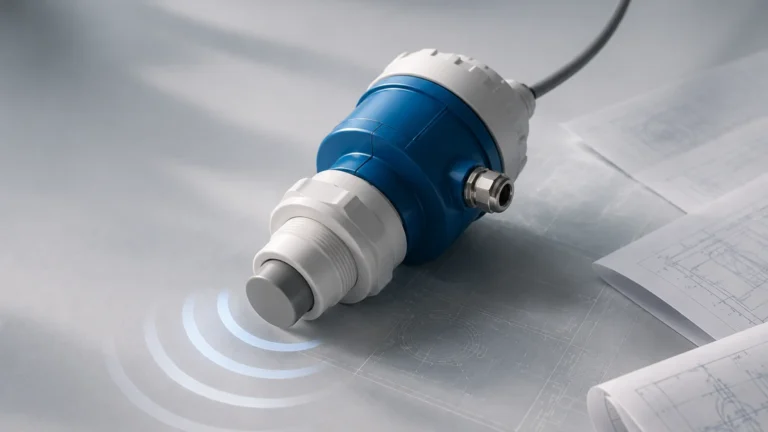
Proper installation is paramount to ensuring that the pH glass electrode provides reliable data to the plant's control system. In many industrial setups, pH monitoring is integrated alongside level measurement solutions, such as those provided by Welk, to provide a comprehensive view of tank or vessel status.
Mounting Orientation
PH glass electrodes should never be installed horizontally or upside down. They must be mounted at an angle of at least 15° above the horizontal. This ensures that the internal electrolyte stays in contact with the glass membrane and that any internal air bubbles float to the top of the electrode, away from the sensitive tip.
Flow and Pressure Considerations
In pressurized pipelines, the sensor must be installed in a housing that can withstand the system pressure. High flow velocities can cause "streaming potentials," which are fluctuations in the reading caused by the movement of ions across the glass surface. Using a flow cell or a bypass line can mitigate these effects.
Connection to Automation
The signal generated by pH glass is high-impedance and very weak (millivolts). It must be converted by a transmitter into a robust signal, such as 4-20mA, HART, or Modbus. When designing a process loop, engineers often pair these analytical measurements with level data from Welk radar or ultrasonic meters to automate chemical dosing—for example, adding acid to a tank based on both the current pH level and the total volume of liquid in the vessel.

Maintenance, Calibration, and Troubleshooting
Unlike level meters, which may operate for years without contact with the medium, pH glass is a consumable item. Its gel layer is constantly changing, and it will eventually lose its ability to respond accurately.
Calibration Protocols
Calibration should be performed using at least two buffer solutions (usually pH 4, 7, or 10) that bracket the expected process range.
1. Slope: This measures the efficiency of the glass. A new electrode should have a slope of 95% to 102%. If the slope drops below 85%, the glass is likely fouled or exhausted.
2. Zero Point (Offset): This is the mV reading at pH 7. Ideally, it should be 0 mV, but ±30 mV is generally acceptable in industrial settings.
Cleaning Procedures
Fouling is the most common cause of measurement error.
* Proteins: Clean with a pepsin/HCl solution.
* Oils/Greases: Use a mild detergent or isopropyl alcohol (briefly).
* Mineral Scale: Use a 5-10% hydrochloric acid (HCl) soak.
Warning: Never wipe the pH glass membrane with a cloth or paper towel. This creates a static charge that can cause the reading to drift for hours. Instead, blot the tip gently with a lint-free tissue.
Hydration and Storage
If pH glass dries out, the gel layer collapses. While it can often be rejuvenated by soaking in a storage solution (typically 3M KCl) for 24 hours, repeated dehydration permanently damages the glass structure. Sensors should always be stored in a protective cap filled with the appropriate storage solution, never in deionized or distilled water, which leaches ions out of the glass.
Limitations and Environmental Considerations
While highly versatile, pH glass has inherent limitations that engineers must account for in their system design.
1. Fragility: Being made of glass, these sensors are susceptible to mechanical shock. In applications with heavy vibration or large solids, protective guards or polymer-bodied sensors are necessary.
2. Sodium Error: In highly alkaline solutions (pH >12) with high sodium concentrations, the glass membrane may respond to sodium ions as if they were hydrogen ions, resulting in a falsely low pH reading. Specialized "low sodium" glass must be used in these instances.
3. Aging: Even under perfect conditions, the chemical composition of the glass changes over time. In continuous industrial use, a lifespan of 6 to 18 months is typical, depending on temperature and chemical aggressiveness.
4. Pressure Limits: Most standard glass electrodes are rated for pressures up to 6-10 bar (87-145 psi). Higher pressure applications require specialized housings or pressure-compensated reference systems.
Frequently Asked Questions (FAQ)
Q: How do I know if my pH glass is broken or just dirty?
A: A broken glass membrane usually results in a "dead" reading, often staying near pH 7 regardless of the buffer used, or showing extremely erratic, jumping values. A dirty electrode will show a slow response and a low slope during calibration.
Q: Can I use pH glass in non-aqueous solutions like oils?
A: It is difficult. pH glass requires an aqueous gel layer to function. In non-aqueous media, the glass can dehydrate. Specialized electrodes with ground-glass junctions and specific electrolytes are required for these applications.
Q: Why does the temperature of the liquid matter?
A: Temperature affects the pH of the solution itself and the sensitivity of the glass membrane (the Nernstian slope). Most industrial transmitters use an Automatic Temperature Compensation (ATC) probe to adjust the calculation based on the process temperature.
Q: How should I dispose of old pH glass electrodes?
A: Most industrial pH electrodes contain small amounts of silver and lead in the internal reference system. They should be disposed of in accordance with local electronic waste or hazardous material regulations, rather than standard trash.
Conclusion
pH glass is a sophisticated material that bridges the gap between chemical activity and electronic control. For B2B applications, the selection of the correct glass formulation—whether for high temperatures, acidic environments, or standard water treatment—is the most significant factor in determining the reliability of the analytical loop. By integrating high-quality pH sensing with robust level measurement and automation strategies, industrial facilities can achieve tighter process control, reduced chemical waste, and improved product consistency. Regular maintenance and an understanding of the underlying electrochemical principles ensure that these sensitive instruments continue to provide accurate data in even the harshest industrial environments.