Thermal Flo
Thermal Flo
In the landscape of industrial process control, the term "thermal flo" (thermal dispersion) refers to a sophisticated method of level and flow detection based on the principles of heat transfer. Unlike mechanical float switches or complex non-contact radar systems, thermal dispersion technology relies on the physical properties of the fluid to dissipate heat. This technology is widely utilized for point-level detection, interface sensing, and flow switching in demanding environments such as water treatment, chemical processing, and oil and gas operations.
Understanding the nuances of thermal dispersion is essential for engineers tasked with selecting the right instrumentation for challenging media. This guide provides a detailed technical overview of the principles, selection criteria, and installation requirements for thermal dispersion systems.
Understanding the Principle of Thermal Dispersion (Thermal Flo)
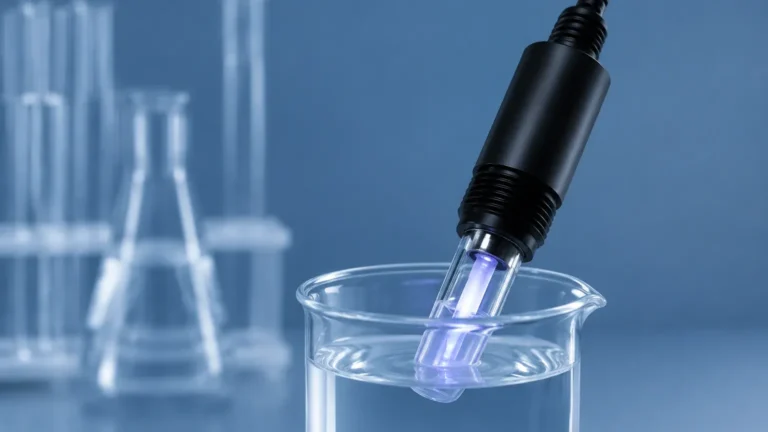
The fundamental operation of a thermal dispersion sensor, or thermal flo device, is based on the relationship between a fluid's thermal conductivity and its movement or presence. The sensor probe typically contains two thermowells, each housing a Resistance Temperature Detector (RTD).
The Dual RTD Configuration
1. The Reference RTD: This sensor measures the ambient temperature of the process media (liquid or gas). It provides a baseline temperature reading that accounts for fluctuations in the process environment.
2. The Active (Heated) RTD: This sensor is internally heated to a specific temperature above the ambient process temperature.
When the sensor is immersed in a liquid or exposed to a flowing gas, the media carries heat away from the active RTD. In level applications, the difference in heat dissipation between air (or vapor) and a liquid is significant. Liquids are much more efficient at conducting heat than gases. Therefore, when a liquid makes contact with the heated probe, the temperature of the active RTD drops sharply or requires more power to maintain its setpoint. This change is processed by the internal electronics to trigger a relay or provide a signal indicating the presence of the liquid.
Constant Power vs. Constant Temperature
There are two primary electronic methods used in thermal flo instrumentation:
* Constant Power: A fixed amount of energy is supplied to the heated RTD. The temperature difference (ΔT) between the reference and active sensors is measured. A large ΔT indicates the probe is in air, while a small ΔT indicates immersion in liquid.
* Constant Temperature: The electronics adjust the power to maintain a fixed temperature difference between the two sensors. The amount of power required becomes the measurement variable. This method often provides a faster response time in dynamic flow applications.
Key Components and Operational Modes
Thermal dispersion instruments are versatile and can be configured for various operational modes depending on the needs of the industrial facility. For those seeking specific hardware solutions, reviewing the Main Page of a professional manufacturer like Welk provides a broader context for how these sensors integrate into a complete level management strategy.
Point Level Detection
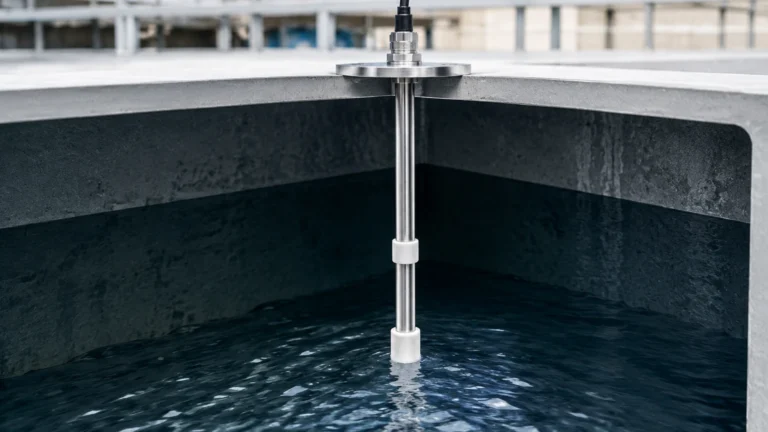
In this mode, the sensor acts as a high or low-level alarm. Because there are no moving parts, it is highly resistant to failure caused by mechanical wear or clogging. It is particularly effective in detecting the presence of viscous liquids or slurries that might seize a traditional float switch.
Interface Detection
Thermal flo technology is uniquely suited for detecting the interface between two immiscible liquids, such as oil and water. Since different liquids have different thermal conductivities, the sensor can distinguish between the two layers. This is critical in separation tanks where maintaining the correct oil-water boundary is essential for process efficiency.
Flow/No-Flow Switching
While primarily used for level, the same principle applies to flow. If the liquid is moving, it carries away more heat than if it is static. This allows the sensor to act as a flow switch, protecting pumps from running dry or ensuring that cooling water is circulating through a system.
Industrial Applications for Thermal Flo Technology
The robustness of thermal dispersion makes it a preferred choice across several heavy industries. Below are common application areas:
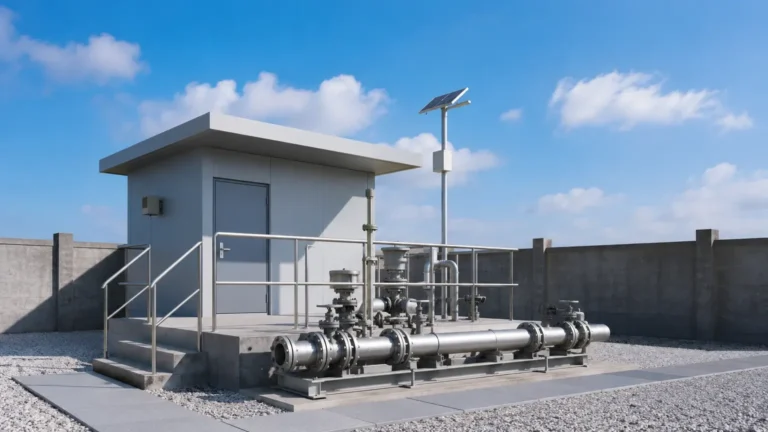
* Water and Wastewater Treatment: Monitoring the level of chemicals in storage tanks or detecting flow in large-diameter pipes where mechanical switches would be prone to fouling.
* Chemical Processing: Detecting levels in tanks containing aggressive or corrosive media. Since the probes can be manufactured from exotic alloys like Hastelloy or coated with PTFE, they withstand harsh chemical environments.
* Oil and Gas: Used in separators to detect the interface between crude oil and produced water. Their ability to handle high pressures and temperatures makes them ideal for midstream and downstream applications.
* Power Generation: Monitoring coolant levels and lubricating oil reservoirs in turbines and generators.
Technical Selection Criteria for Engineers
Selecting the correct thermal flo sensor requires a thorough analysis of the process conditions. Engineers should use the following table as a baseline for comparing thermal dispersion with other common level technologies.
Technology Comparison Table
| Feature | Thermal Dispersion (Thermal Flo) | Ultrasonic Level | Radar Level | Magnetic Level Gauge |
| :— | :— | :— | :— | :— |
| Measurement Type | Point Level / Interface | Continuous / Point | Continuous / Point | Continuous / Visual |
| Moving Parts | None | None | None | Yes (Float) |
| Media Contact | Yes | No | No | Yes |
| Viscosity Limit | High | N/A (Non-contact) | N/A (Non-contact) | Moderate |
| Pressure Range | Up to 400 bar (5800 psi) | Low (Atmospheric) | Very High | High |
| Temp. Range | -70°C to +450°C | -40°C to +150°C | -196°C to +450°C | -196°C to +400°C |
| Foam Sensitivity | Low | High | Moderate | Low |
Media Properties
When specifying a sensor, confirm the thermal conductivity of the liquid. While most aqueous and hydrocarbon-based liquids are easily detected, extremely low-density gases or vacuum conditions may limit the sensor's effectiveness. Additionally, ensure the sensor materials are compatible with the chemical composition of the media to prevent corrosion.
Installation and Maintenance Best Practices
Proper installation is critical to the accuracy and longevity of thermal dispersion sensors. Because they rely on heat transfer, the physical environment around the probe must be controlled.
Orientation and Placement
1. Immersion Depth: The sensor must be installed so that the active and reference RTDs are fully submerged in the media when the target level is reached. Typically, a minimum immersion of 25 mm (1 inch) beyond the threads is required.
2. Avoid Turbulence: In tanks with high-speed agitators or near fill pipes, turbulence can cause false readings or "chatter" in the relay. Installing the sensor in a stilling well or using a time-delay function in the electronics can mitigate this.
3. Horizontal vs. Vertical: Sensors can generally be mounted in any orientation. However, in horizontal pipe installations for flow detection, the probe should be mounted from the side to avoid sediment buildup (bottom) or air pockets (top).
Maintenance Considerations
One of the primary advantages of thermal flo technology is the lack of moving parts, which significantly reduces maintenance requirements. However, in applications where the media is prone to scaling or coating (such as calcium buildup in water or wax in oil), the probe should be inspected periodically. A thick coating can act as an insulator, slowing the heat transfer and delaying the response time. Most modern sensors feature self-diagnostic capabilities that can alert operators if the probe's performance deviates from the calibrated baseline.
Limitations and Critical Considerations
While highly versatile, thermal dispersion is not a universal solution for every level measurement challenge. Engineers must be aware of the following limitations:
* Response Time: Thermal dispersion is generally slower than ultrasonic or optical sensors. It takes a few seconds for the RTD to heat up or cool down. In applications requiring millisecond response times (such as high-speed filling), other technologies may be more appropriate.
* Coating and Scaling: As mentioned, heavy buildup on the probe can interfere with heat transfer. While some sensors are designed to compensate for light coating, heavy accumulation will eventually lead to inaccuracies.
* Temperature Extremes: While the sensors can handle high temperatures, rapid and extreme temperature swings (thermal shock) can stress the internal RTD elements. Always verify the maximum rate of temperature change allowed by the manufacturer.
Frequently Asked Questions (FAQ)
Q: Can thermal flo sensors be used in hazardous areas?
A: Yes, most industrial thermal dispersion sensors are available with explosion-proof or intrinsically safe certifications (such as ATEX, IECEx, or UL) for use in Class I, Division 1 environments.
Q: How does viscosity affect the sensor?
A: Thermal dispersion is excellent for high-viscosity liquids. Since it does not rely on a float moving through the liquid, it can detect heavy oils, resins, and syrups that would cause mechanical switches to fail.
Q: Is calibration required in the field?
A: Most units come factory-calibrated for standard water or oil applications. However, field calibration is often recommended for interface detection or when working with specialized chemicals to ensure the setpoints are accurately tuned to the specific thermal properties of the media.
Q: Can these sensors detect the difference between foam and liquid?
A: Thermal dispersion sensors are generally less sensitive to foam than ultrasonic sensors. They typically require the density of a liquid to dissipate enough heat to trigger, meaning they can often "see through" light foam to detect the actual liquid level.
Conclusion
Thermal flo technology provides a reliable, solid-state solution for point-level and flow detection in complex industrial environments. By understanding the principles of heat transfer and carefully matching sensor materials to the process media, engineers can implement a maintenance-free measurement strategy that survives where mechanical systems fail. For detailed technical specifications and to explore a full range of level measurement instruments, including radar and ultrasonic options, professionals are encouraged to visit the Main Page for further application support and product selection guides.