Ultrasonic Level Meter Hs Code
Understanding Ultrasonic Level Meters and International Trade: A Guide to the Ultrasonic Level Meter HS Code
In the landscape of industrial automation and process control, accurate level measurement is a fundamental requirement for operational efficiency and safety. Among the various technologies available, Ultrasonic Level Meters have emerged as a preferred non-contact solution for a wide range of liquid and solid applications. For procurement managers, engineers, and international distributors, understanding the technical capabilities of these instruments is only half the battle; navigating the regulatory and logistical aspects, specifically the ultrasonic level meter hs code, is essential for seamless global trade.
This guide provides a comprehensive overview of ultrasonic level measurement technology, practical selection criteria, and the critical classification data required for international shipping and customs compliance.
Measurement Principles of Ultrasonic Technology
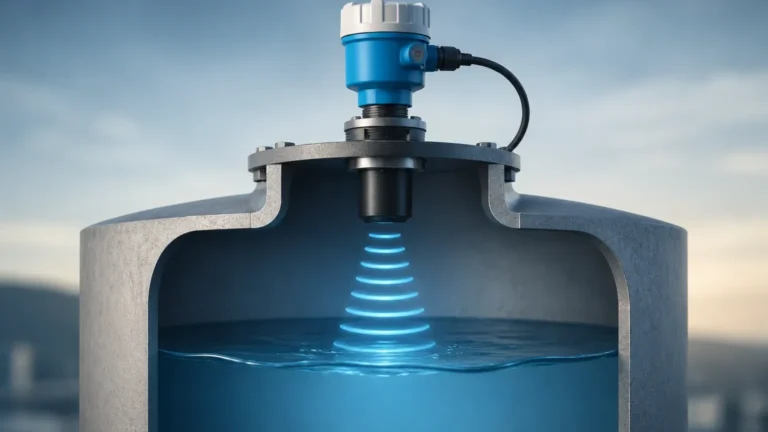
Before delving into procurement and classification details, it is essential to understand how these instruments function. Ultrasonic level meters operate on the "Time of Flight" (ToF) principle.
The Transducer Mechanism
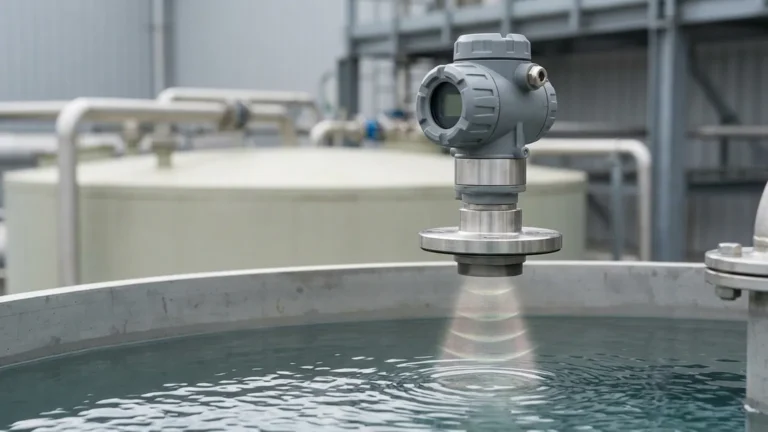
The core component of the meter is the ultrasonic transducer, which acts as both a transmitter and a receiver. The transducer emits a series of high-frequency sound pulses (typically ranging from 20 kHz to 70 kHz) toward the target material. These sound waves travel through the air space above the medium, hit the surface, and reflect back to the sensor.
Distance Calculation
The internal microprocessor measures the time interval between the emission of the pulse and the reception of the echo. Since the speed of sound in air is a known constant (approximately 340 m/s or 1,115 ft/s at 20°C), the distance ($D$) from the sensor to the surface is calculated using the formula:
$$D = \frac{c \times t}{2}$$
Where:
* $c$ is the speed of sound.
* $t$ is the elapsed time.
By subtracting this distance from the total height of the tank (the "Empty" calibration point), the device determines the actual level of the material. Modern instruments, such as those manufactured by Welk, incorporate sophisticated algorithms to filter out false echoes caused by internal tank obstructions like ladders or agitators.
The Importance of the Ultrasonic Level Meter HS Code
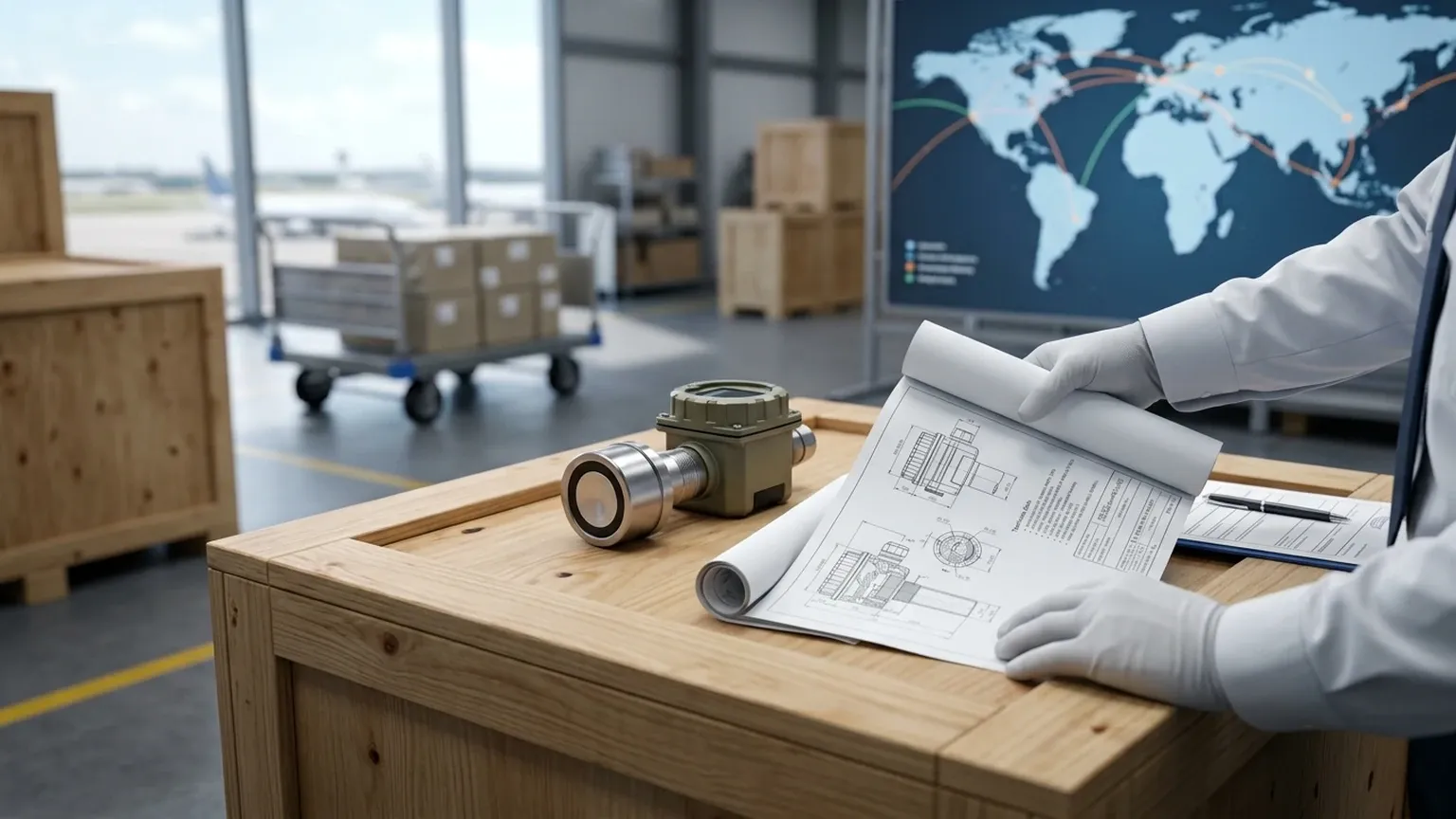
When importing or exporting industrial instrumentation, the Harmonized System (HS) code is the universal language used by customs authorities to identify products. The ultrasonic level meter hs code determines the tariff rates, VAT application, and any trade restrictions or required certifications (such as CE or UL).
Common HS Code Classifications
Ultrasonic level meters generally fall under Chapter 90 of the Harmonized System, which covers "Optical, photographic, cinematographic, measuring, checking, precision, medical or surgical instruments and apparatus."
Specifically, they are classified under:
* HS Heading 9026: Instruments and apparatus for measuring or checking the flow, level, pressure or other variables of liquids or gases.
* HS Subheading 9026.10: For measuring or checking the level of liquids.
* HS Code 9026.10.11 / 9026.10.19: Depending on the specific country's tariff schedule (e.g., HTSUS in the United States or CN in the European Union), these sub-codes often distinguish between electronic and non-electronic instruments.
For ultrasonic meters used with solids (like grain or powders), some jurisdictions may classify them under 9031.80, which covers "Other measuring or checking instruments, appliances and machines."
Note: It is crucial for importers to verify the specific 8-digit or 10-digit code with their local customs broker, as misclassification can lead to significant fines or shipment delays.
Technical Selection Criteria
Choosing the right ultrasonic level meter requires an evaluation of the process environment and the physical properties of the medium. The following table outlines the key parameters to consider during the selection process.
Selection Comparison Table
| Feature | Standard Integrated Type | Remote (Split) Type | Explosion-Proof Type |
| :— | :— | :— | :— |
| Measurement Range | 0.3m to 15m (1ft to 49ft) | 0.3m to 30m (1ft to 98ft) | 0.3m to 20m (1ft to 65ft) |
| Output Signal | 4-20mA, RS485 | 4-20mA, RS485, Relays | 4-20mA (HART optional) |
| Power Supply | 24V DC / 220V AC | 24V DC / 220V AC | 24V DC |
| Ingress Protection | IP65 / IP67 | IP65 (Transmitter) / IP68 (Probe) | IP67 / Ex d IIB T6 |
| Material | ABS / Nylon / PVDF | ABS / Nylon / PVDF | Die-cast Aluminum / PVDF |
| Best Use Case | Simple indoor tank monitoring | Deep sumps, outdoor silos | Chemical plants, Oil & Gas |
Installation Guidelines for Maximum Accuracy
Even the most advanced ultrasonic level meters will fail to provide accurate data if installed incorrectly. Engineering teams should adhere to the following best practices:
1. Avoid the "Dead Zone": Every ultrasonic sensor has a minimum distance (blanking distance) near the face of the transducer where it cannot measure. For a 10m (33ft) range meter, the dead zone is typically 0.3m to 0.5m (12in to 20in). Ensure the maximum liquid level never enters this zone.
2. Perpendicular Alignment: The transducer face must be perfectly parallel to the surface of the liquid. A tilt of even a few degrees can cause the echo to reflect away from the sensor, resulting in signal loss.
3. Beam Angle Clearance: The ultrasonic pulse spreads in a cone shape (usually 5° to 12°). Ensure there are no obstructions, such as pipes, reinforcement beams, or wall seams, within this cone.
4. Avoid the Filling Stream: Never install the meter directly above the inlet pipe where the falling liquid can intercept the ultrasonic beam.
5. Stilling Wells: In applications with heavy surface turbulence or foam, installing the sensor inside a plastic or metal stilling well can provide a stable surface for measurement.
Limitations and Practical Considerations
While ultrasonic technology is versatile, it is not a "one-size-fits-all" solution. Engineers must be aware of the following limitations:
* Foam Absorption: Heavy, dense foam on the surface of a liquid can absorb the ultrasonic signal, preventing an echo from returning to the sensor.
* Vacuum Conditions: Ultrasonic waves require a medium (air or gas) to travel. They cannot function in a vacuum.
* High Pressure/Temperature: Extreme pressure changes the density of the air, affecting the speed of sound. Similarly, temperatures exceeding 80°C (176°F) can damage standard transducers and significantly alter measurement accuracy if not properly compensated.
* Vapor and Dust: Heavy steam or thick dust clouds (common in cement silos) can attenuate the signal. In these specific cases, radar level meters are often a more reliable alternative.
Frequently Asked Questions (FAQ)
1. Does the ultrasonic level meter hs code change if the device is explosion-proof?
Generally, the primary HS code (9026.10) remains the same because the fundamental function (measuring liquid level) does not change. However, the secondary codes or trade descriptions may change to reflect the "Ex" certification, which might impact import duties in specific regions.
2. How does temperature affect the accuracy of the meter?
The speed of sound varies with temperature. Most Welk ultrasonic level meters include a built-in temperature sensor to automatically compensate for these changes. However, if there is a significant temperature gradient between the sensor and the liquid surface, accuracy may be slightly reduced.
3. Can ultrasonic meters measure the level of solids?
Yes, but with caveats. Solids like plastic pellets, grains, or coal do not reflect sound as efficiently as liquids. The angle of repose of the solid material can also deflect the signal. When measuring solids, it is recommended to select a meter with a higher power output and a longer rated range than the actual height of the silo.
4. What is the typical lifespan of an ultrasonic level sensor?
In standard water treatment or non-corrosive chemical applications, a high-quality ultrasonic level meter can last 7 to 10 years. The absence of moving parts significantly reduces wear and tear.
5. Why is my meter showing a "Full" reading when the tank is empty?
This is often caused by the "ringing" effect or a reflection from an obstruction within the dead zone. If the sensor is mounted too close to the tank wall or a ladder, it may lock onto a fixed reflection. Adjusting the "False Echo Suppression" settings in the device software usually resolves this.
Conclusion
Ultrasonic level meters represent a cost-effective, reliable, and low-maintenance solution for modern industrial level monitoring. By understanding both the physical principles of the technology and the logistical requirements—such as the ultrasonic level meter hs code—businesses can ensure they are selecting the right equipment while maintaining compliance in the global marketplace.
Whether you are managing a water treatment facility or a complex chemical processing plant, choosing a manufacturer like Welk ensures access to advanced signal processing and robust hardware. For more detailed technical specifications and to explore our full range of instrumentation, Review product options and application support to find the ideal fit for your specific process requirements.