Level Switch Murphy
Level Switch Murphy
In the realm of industrial engine protection and oilfield equipment, the term "level switch murphy" is often used to describe a specific category of rugged, float-actuated instruments designed for harsh environments. Originally popularized by Murphy by Enovation Controls (formerly FW Murphy), these switches have become a standard for monitoring lubricant levels, coolant levels, and scrubber liquids in gas compressors and stationary engines.
For engineers and procurement professionals, understanding the mechanics of these switches—and how they compare to broader industrial Level Switches—is essential for ensuring plant safety and equipment longevity. This guide explores the principles, selection criteria, and practical application of these specialized level measurement devices.
Principles of Level Switch Operation
Before selecting a level switch, it is critical to understand the underlying physics that govern its operation. While modern industrial automation utilizes various technologies, the "Murphy" style typically relies on mechanical buoyancy.
The Buoyancy Principle
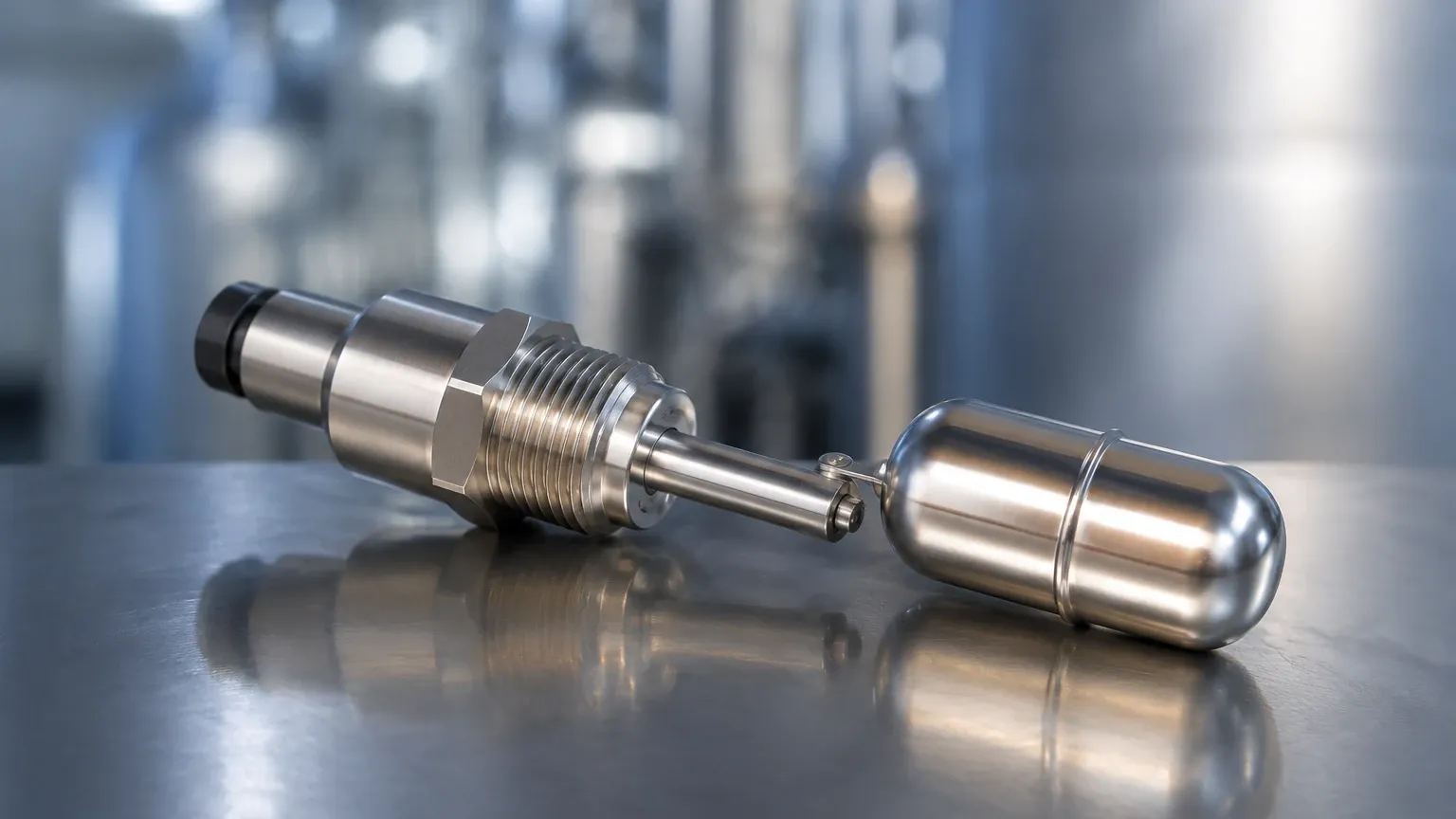
Most level switch murphy models operate on Archimedes' principle: a body immersed in a fluid is buoyed up by a force equal to the weight of the fluid displaced. In these switches, a float (often made of stainless steel or specialized plastics) sits on the liquid surface. As the liquid level rises or falls, the float moves accordingly.
Magnetic Coupling vs. Direct Linkage
There are two primary ways the float's movement is translated into an electrical signal:
1. Direct Linkage: The float is physically connected to a microswitch via a rod or pivot. When the float reaches a predetermined point, the mechanical force trips the switch. This is common in low-pressure applications.
2. Magnetic Coupling: To handle high-pressure environments (such as gas scrubbers), many switches use magnetic coupling. The float contains a magnet that acts upon a reed switch or a magnetic snap-switch isolated inside a pressure-tight housing. This design eliminates the need for dynamic seals, significantly reducing the risk of leaks.
Comparison of Sensing Technologies
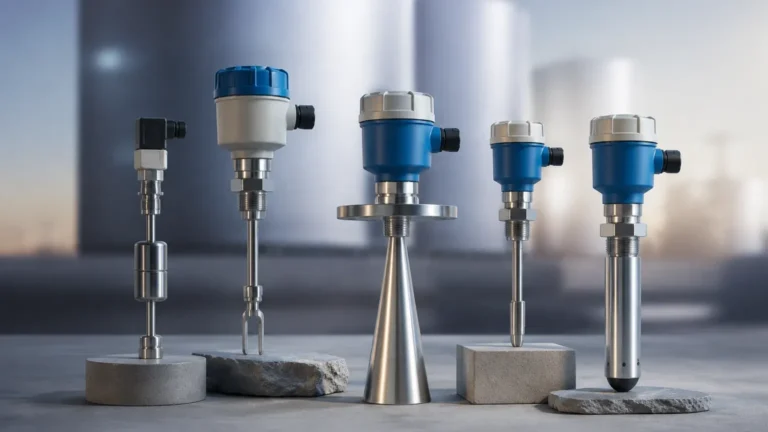
While float switches are the most common in this category, other technologies are often integrated into modern systems for redundancy:
| Technology | Operating Principle | Best For |
| :— | :— | :— |
| Float Switch | Buoyancy/Mechanical | Engine oil, coolant, high-pressure scrubbers. |
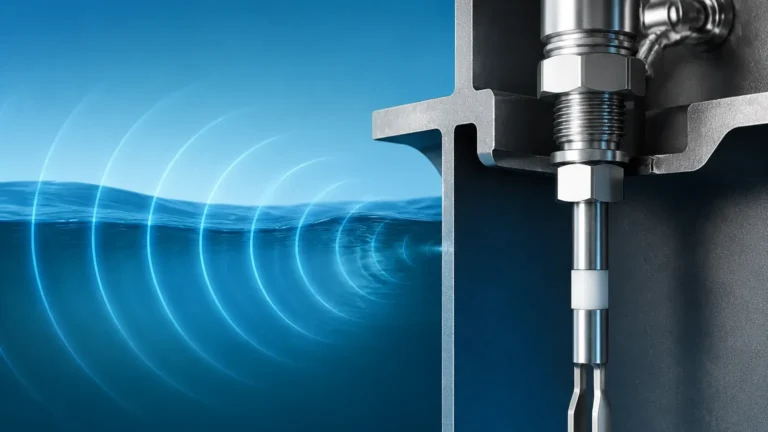
| Vibrating Fork | Frequency shift in liquid | Overfill protection, turbulent liquids. |
| Ultrasonic | Sound wave reflection | Non-contact measurement, clean liquids. |
| Capacitance | Change in dielectric constant | Powders, granulates, or sticky liquids. |
Key Characteristics of Level Switch Murphy Models
What distinguishes a "Murphy" style switch from a standard commercial level switch is its construction for high-vibration and hazardous environments. These devices are engineered to withstand the constant oscillation of a gas compressor or a large diesel engine.
Vibration Resistance
Standard level switches may suffer from "contact chatter" in high-vibration environments, leading to false alarms or premature failure of the electrical contacts. Level switch murphy designs often incorporate heavy-duty snap-action switches or dampened pivots to ensure that the electrical state only changes when a genuine level change occurs.
Pressure and Temperature Ratings
In oil and gas applications, switches must often handle high process pressures. It is common to find models rated for 13.8 MPa (2000 psi) or higher. Temperature ratings usually span from -40°C to 121°C (-40°F to 250°F), accommodating both extreme ambient conditions and hot engine fluids.
Materials of Construction
To prevent corrosion, the wetted parts—the components in direct contact with the process fluid—are typically manufactured from 316 stainless steel. The housings are often cast aluminum or ductile iron, providing a robust shell against physical impact and environmental exposure.
Selection Criteria for Industrial Level Switches
Selecting the right Level Switches requires a detailed analysis of the process media and the operational environment. When evaluating a level switch murphy or an equivalent industrial alternative, consider the following factors:
1. Specific Gravity (SG) of the Liquid
The float must be lighter than the liquid it is intended to measure. Most standard floats are designed for liquids with an SG of 0.5 or higher. If you are measuring light hydrocarbons or liquefied gases, a specialized high-buoyancy float may be required.
2. Process Pressure
Always select a switch with a working pressure rating that exceeds the maximum possible surge pressure of the system. For scrubber applications, this often means looking for "High Pressure" (HP) variants that utilize thicker-walled float balls and reinforced housings.
3. Electrical Requirements
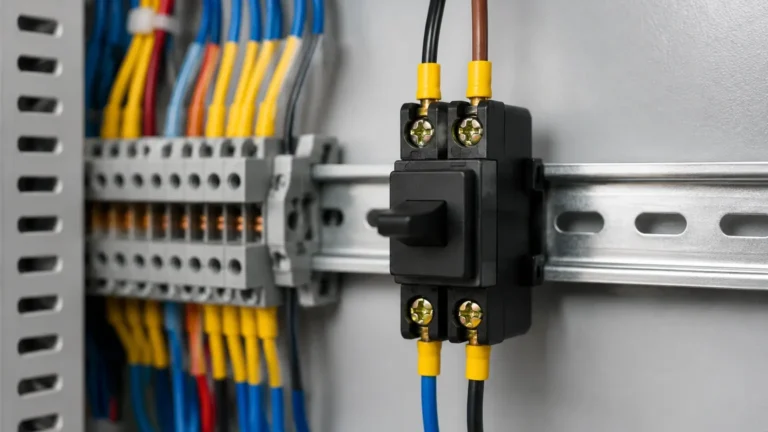
Determine if the application requires a simple dry contact (SPDT or DPDT) or a powered sensor. In hazardous locations, the switch must be rated for the specific Class, Division, and Group (e.g., Class I, Div 1, Group C & D) to prevent ignition of flammable gases.
4. Mounting Configuration
Common mounting options include:
* NPT Threaded: Direct mounting into a tank wall or a tee-fitting.
* Flanged: Used for larger industrial tanks where a more secure, leak-proof seal is required.
* External Chamber: The switch is mounted in a bypass pipe (bridle) outside the main vessel, allowing for maintenance without depressurizing the tank.
Installation and Maintenance Best Practices
Correct installation is the most significant factor in the reliability of a level switch. Even the most robust level switch murphy will fail if improperly positioned.
Installation Checklist
* Orientation: Ensure the switch is mounted perfectly horizontal or vertical as specified by the manufacturer. Even a slight tilt can cause the float to bind against the housing.
* Clearance: Verify that the float has a full range of motion. In small-diameter pipes or tanks with internal baffles, the float can become stuck, leading to a "fail-to-safe" or "fail-to-danger" condition.
* Wiring: Use appropriate conduit seals (EYS) in hazardous areas to prevent gas migration through the electrical lines.
* Vibration Isolation: While these switches are rugged, mounting them on a bracket that is isolated from the primary engine vibration can extend the life of the internal microswitch.
Maintenance Guidance
Industrial level switches should be treated as safety-critical components.
1. Monthly Visual Inspection: Check for leaks around the threads or flanges and inspect the conduit for signs of moisture ingress.
2. Semi-Annual Function Test: Manually lift the float (if accessible) or drain/fill the vessel to ensure the switch trips at the correct level and the control system receives the signal.
3. Cleaning: In applications with "dirty" fluids like crude oil or wastewater, sediment can build up in the float chamber. Periodic flushing is required to prevent the float from sticking.
Common Applications and Limitations
Typical Applications
* Compressor Scrubbers: Detecting high liquid levels to prevent liquid carryover into the compressor cylinders, which can cause catastrophic mechanical failure.
* Engine Lube Oil: Monitoring the crankcase oil level to ensure the engine does not run dry.
* Coolant Expansion Tanks: Protecting against engine overheating by ensuring sufficient radiator fluid.
* Glycol Dehydration: Managing levels in the reboiler and contactor towers.
Limitations to Consider
While float-based level switch murphy devices are highly reliable, they are not suitable for every scenario:
* Sticky or Viscous Fluids: Highly viscous liquids (like heavy bitumen) can impede float movement.
* Scaling and Coating: If the liquid leaves a hard deposit on the float, the added weight will change the buoyancy point, eventually causing the switch to stay submerged.
* Turbulence: In tanks with high agitation, the float may bounce excessively. In these cases, a stilling well or an electronic switch with a time-delay function (like a vibrating fork) is a better choice.
Frequently Asked Questions (FAQs)
Q: Can a level switch murphy be used for both high and low-level detection?
A: Yes, most models feature SPDT (Single Pole Double Throw) contacts, meaning they can be wired to close a circuit on either a rise or a fall in level. Some specialized models feature dual switches for independent high and low setpoints.
Q: What is the difference between a level switch and a level transmitter?
A: A level switch provides a binary output (On/Off) at a specific point. A level transmitter provides a continuous signal (e.g., 4-20mA) representing the exact level of the liquid throughout the entire range of the tank.
Q: How do I handle foaming in the tank?
A: Mechanical float switches typically react to the liquid level and ignore the foam, provided the foam is not dense enough to support the weight of the float. If foam is a major concern, a displacement-type switch or a radar level meter may be more accurate.
Q: Are these switches repairable?
A: Many industrial-grade switches allow for the replacement of the internal switch block or the float assembly. However, if the pressure-retaining housing is damaged or corroded, the entire unit should be replaced to ensure safety.
Conclusion
The "level switch murphy" remains a cornerstone of industrial process control due to its simplicity and proven track record in demanding environments. By understanding the mechanical principles of buoyancy and the specific requirements of your application—such as pressure, temperature, and chemical compatibility—you can select a solution that provides years of reliable service. For broader industrial needs, exploring the full range of Level Switches allows engineers to match the right technology to the specific challenges of their facility, whether that involves mechanical floats, ultrasonic sensors, or vibrating forks.