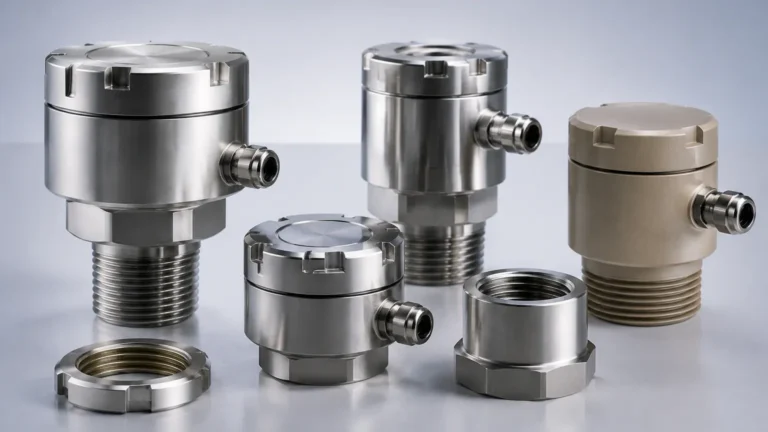
Mercury Level Switches
Mercury Level Switches
In the field of industrial process control, point level detection serves as a fundamental safety and operational layer. Among the various technologies developed over the last century, mercury level switches have historically played a significant role due to their simplicity and high electrical reliability. While modern environmental regulations have led to a shift toward mercury-free alternatives, understanding the mechanics, applications, and limitations of these devices remains essential for engineers managing legacy systems or operating in specific heavy-industrial niches.
Level switches are discrete sensors designed to detect the presence or absence of a liquid at a specific height within a tank or vessel. Unlike continuous level transmitters that provide a constant stream of data (e.g., 4-20mA), a level switch triggers a state change—opening or closing an electrical circuit—when a predefined threshold is reached. This signal is typically used to start or stop pumps, open valves, or trigger high/low-level alarms.
Measurement Principles of Mercury Level Switches
The operation of a mercury level switch relies on the fluid properties of elemental mercury (Hg) and the mechanical movement of a housing, usually a float or a tilting bulb. The core component is a sealed glass or steel envelope containing two or more electrical contacts and a small pool of liquid mercury.
The Tilt Mechanism
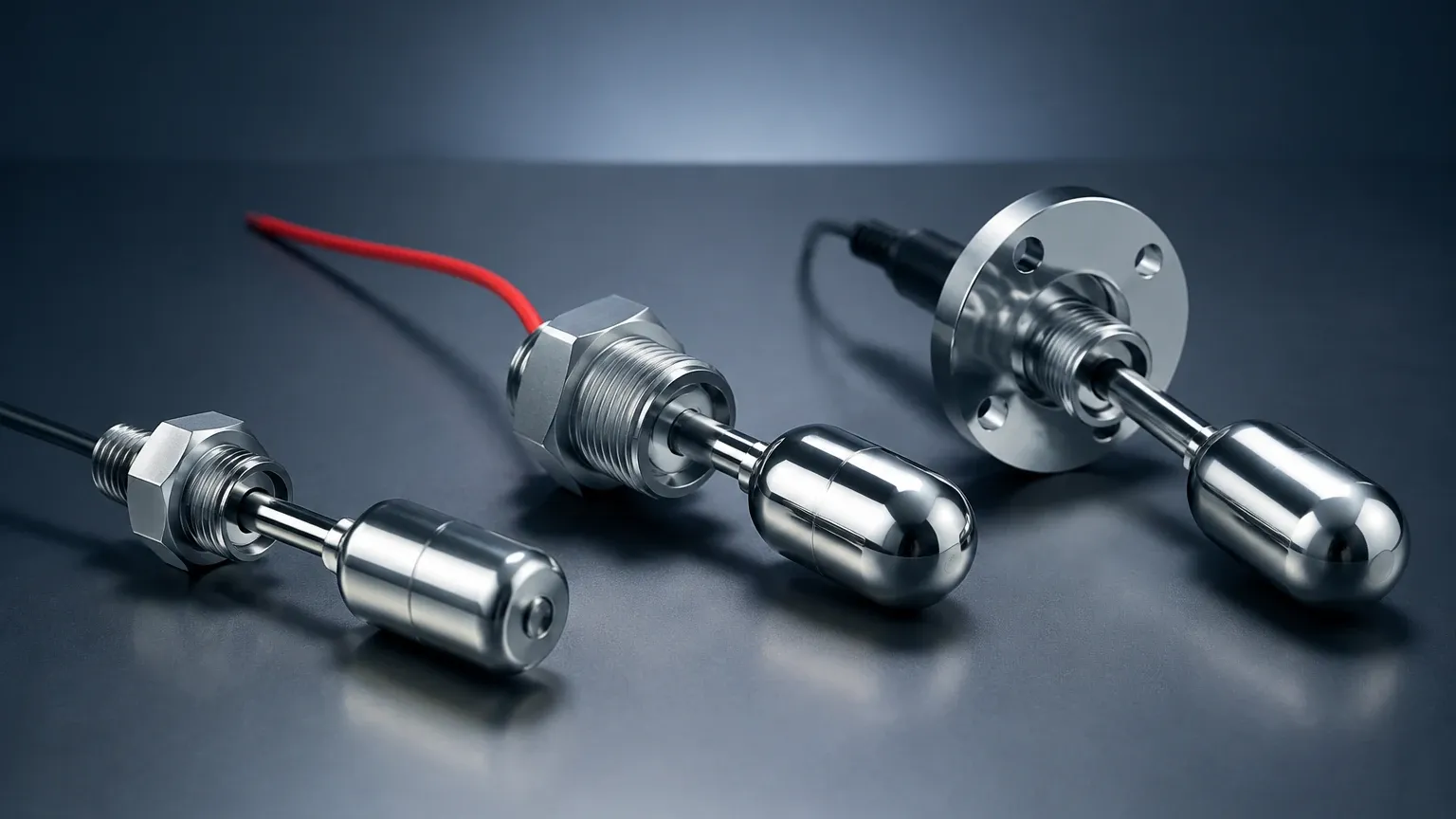
In a typical float-based application, the mercury switch is housed inside a buoyant casing suspended by a flexible cable. As the liquid level rises, the float reaches a point of buoyancy where it tilts or flips. Because mercury is a liquid metal with high surface tension and excellent electrical conductivity, it flows to the lowest point of the tilted envelope. When the mercury moves over the internal contacts, it completes the circuit (Normally Open to Closed). Conversely, as the liquid level drops and the float hangs vertically, the mercury flows away from the contacts, breaking the circuit.
Contact Reliability
One of the primary reasons mercury was favored for decades is its ability to provide a "clean" electrical break. Unlike mechanical micro-switches that may suffer from contact pitting, oxidation, or arcing, mercury provides a fresh, liquid-metal contact surface every time the switch cycles. This makes mercury level switches exceptionally durable in high-cycle applications and capable of switching relatively high electrical loads without the need for intermediate relays.
Technical Comparison: Mercury vs. Non-Mercury Technologies
When evaluating Level Switches for industrial use, engineers must weigh the historical performance of mercury against modern mechanical and electronic alternatives. The following table outlines the key differences between mercury tilt switches and common alternatives like mechanical micro-switches and magnetic reed switches.
| Feature | Mercury Tilt Switch | Mechanical Micro-Switch | Magnetic Reed Switch |
| :— | :— | :— | :— |
| Switching Principle | Liquid metal displacement | Spring-loaded contact | Magnetic field actuation |
| Contact Resistance | Extremely Low | Moderate | Low |
| Durability (Cycles) | Very High (>1 million) | Moderate (100k – 500k) | High |
| Vibration Resistance | Poor (Mercury may bounce) | Moderate | High |
| Environmental Impact | High (Hazardous waste) | Low | Low |
| Max Temperature | Up to 200°C (392°F) | Up to 150°C (302°F) | Up to 120°C (248°F) |
| Orientation Sensitivity | Highly sensitive to tilt | Directional | Omnidirectional options |
Key Evaluation Criteria for Level Switch Selection
Selecting the appropriate technology requires a thorough analysis of the process media and the environmental conditions. For those considering mercury level switches or their modern equivalents, the following parameters are critical:
1. Media Density (Specific Gravity): The float must be sufficiently buoyant to displace the weight of the switch mechanism. Standard switches are often rated for media with a specific gravity of 0.80 or higher. For lighter fluids like oils, specialized high-buoyancy floats are required.
2. Operating Pressure: In pressurized vessels, the float housing must be rated to withstand the process pressure without collapsing. While cable-suspended float switches are often used in atmospheric tanks, side-mounted or top-mounted rigid switches may be rated for 10 bar (145 psi) or higher.
3. Temperature Range: Mercury remains liquid down to -38.8°C (-37.8°F). In extremely cold environments, the mercury may freeze, rendering the switch inoperable. Conversely, high-temperature applications require specialized seals to prevent the mercury from vaporizing and breaching the containment envelope.
4. Electrical Load: Engineers must confirm if the switch will handle the direct load of a pump motor or if it will only carry a low-voltage signal to a Programmable Logic Controller (PLC). Mercury switches are robust, but modern solid-state Level Switches are often preferred for low-current PLC inputs to avoid signal noise.
Installation and Operational Considerations
Correct installation is paramount to ensuring the longevity and accuracy of mercury level switches. Because these devices are orientation-sensitive, the mounting geometry directly affects the switching point.
Mounting and Tether Length
For cable-suspended switches, the "tether length"—the distance between the cable's anchor point and the float—determines the switching differential. A shorter tether results in a narrow deadband (the distance between the turn-on and turn-off points), which can lead to frequent pump cycling (chattering). A longer tether increases the differential but requires more vertical space in the tank.
Turbulence and Stillwells
In tanks with high turbulence, such as those with active agitators or high-velocity inflow, mercury level switches can experience "contact bounce." As the mercury sloshes back and forth over the contacts, it can send rapid, false signals to the control system. In these scenarios, the use of a stillwell—a vertical pipe that shields the float from surface turbulence—is highly recommended.
Cable Material Selection
Since the cable is often submerged in the process media, material compatibility is vital. PVC cables are standard for water treatment, but chemical processing or oil-and-gas applications may require Neoprene, Hypalon, or FEP-coated cables to prevent embrittlement and subsequent failure of the electrical insulation.
Environmental Regulations and Safety Limitations
The most significant limitation of mercury level switches is the environmental and health risk associated with mercury. Mercury is a potent neurotoxin that bioaccumulates in the environment. If a glass mercury bulb breaks inside a tank, it can contaminate the entire process volume, leading to expensive cleanup costs and potential health hazards.
Regulatory Compliance (RoHS and REACH)
Many regions, including the European Union and several U.S. states, have implemented strict bans on the sale and use of mercury-added products. The RoHS (Restriction of Hazardous Substances) directive has effectively phased out mercury switches in most consumer and industrial electronics. Manufacturers like Welk have responded by developing high-performance mercury-free alternatives, such as ball-actuated micro-switches and ultrasonic sensors, which offer similar reliability without the environmental liability.
Disposal Requirements
When a legacy mercury level switch is decommissioned, it cannot be disposed of in standard industrial waste streams. It must be treated as hazardous waste and sent to a certified mercury recycling facility. This adds to the total cost of ownership for older systems.
Modern Alternatives to Mercury Level Switches
For new installations or retrofits, several mercury-free technologies provide comparable or superior performance:
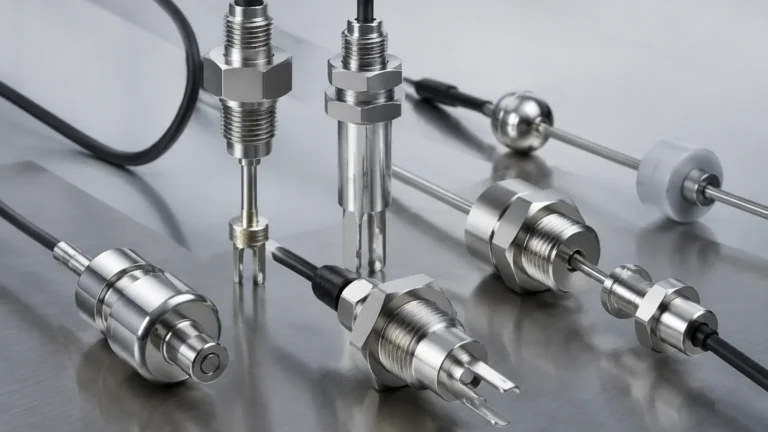
* Mechanical Micro-Switches: These use a weighted ball or a spring-loaded mechanism to actuate a dry contact. While they have a slightly shorter mechanical life than mercury, they are safe and widely compliant.
* Magnetic Reed Switches: A magnet inside the float actuates a hermetically sealed reed switch in the stem. This design is highly reliable and suitable for high-pressure environments.
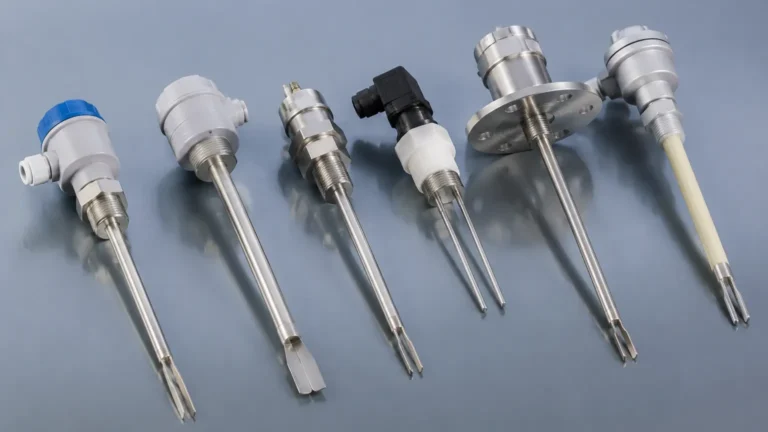
* Ultrasonic Level Switches: These use high-frequency sound waves to detect the presence of liquid. Since they have no moving parts, they are ideal for sticky or corrosive fluids where a float might get stuck.
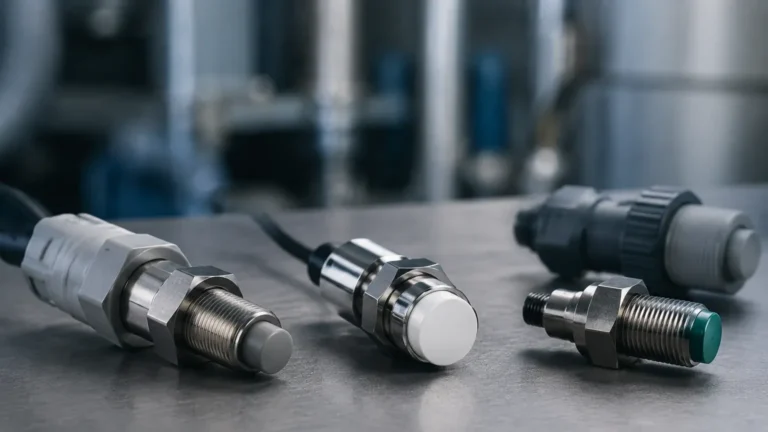
* Conductivity Probes: For conductive liquids like water, these probes detect level by measuring the electrical resistance between two electrodes.
Maintenance and Troubleshooting
While mercury level switches are often marketed as "maintenance-free" due to their sealed nature, regular inspections are necessary to ensure system integrity.
1. Visual Inspection: Check the cable for signs of wear, cracking, or chemical attack. Ensure the float housing is free of buildup (scaling or debris) that could affect its buoyancy.
2. Continuity Testing: Using a multimeter, verify that the switch opens and closes at the correct tilt angles. For mercury switches, the transition should be instantaneous and show near-zero resistance.
3. Seal Integrity: For rigid-mount switches, check the process connection (flange or thread) for leaks. Even a small leak can allow moisture to enter the switch housing, leading to corrosion of the external wiring terminal.
Frequently Asked Questions (FAQs)
Q: Can I replace a mercury level switch with a standard micro-switch float?
A: In most cases, yes. However, you must verify that the electrical rating (Voltage/Amperage) of the new switch matches the requirements of your pump or control circuit. You may also need to adjust the tether length to match the previous switching differential.
Q: How do I know if my existing switch contains mercury?
A: Older switches often have a distinct "weighty" feel when the liquid metal shifts inside. Many will also have a warning label or a symbol (Hg) on the housing. If the switch is older than 20 years and has a smooth, silent tilt action, it likely contains mercury.
Q: Are mercury level switches still used in hazardous areas (Ex/ATEX)?
A: While mercury switches are hermetically sealed—which is a requirement for some explosion-proof ratings—the environmental risks usually outweigh the benefits. Modern intrinsically safe (IS) circuits combined with non-mercury Level Switches are the current industry standard for hazardous locations.
Q: What is the maximum temperature a mercury switch can handle?
A: Standard glass-envelope mercury switches can operate up to approximately 200°C (392°F). Beyond this, the internal pressure of the mercury vapor can cause the envelope to rupture. Always consult the manufacturer's data sheet for specific limits.
Conclusion
Mercury level switches represent a reliable chapter in the history of industrial automation, offering high electrical capacity and long-term durability. However, the transition toward sustainable and safe engineering practices has made mercury-free alternatives the preferred choice for modern facilities. By understanding the principles of tilt-based detection and the specific requirements of their application—such as media density, pressure, and temperature—engineers can select the most effective level measurement solutions that balance performance with environmental responsibility. For those managing legacy infrastructure, careful maintenance and a planned transition to modern technologies remain the most prudent path forward.