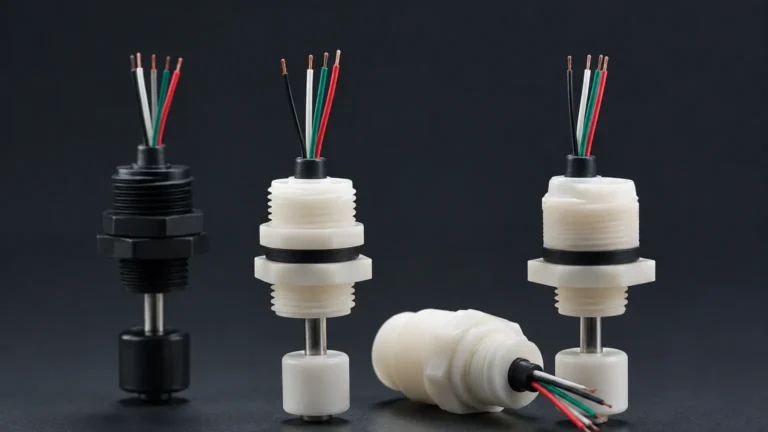
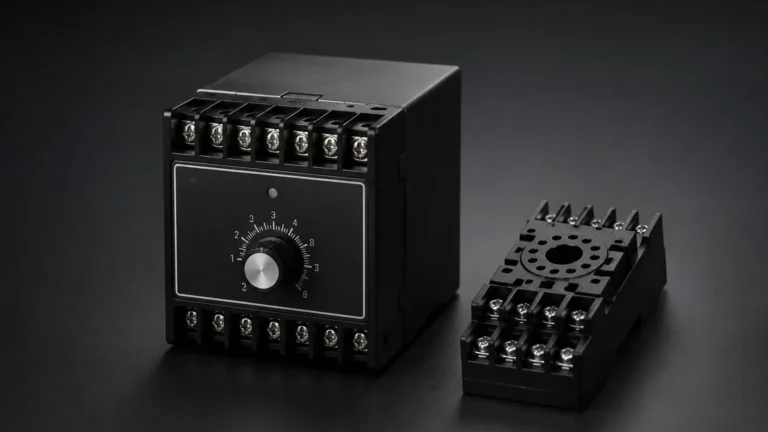
Level Switch Housing
Level Switch Housing
In the field of industrial process control, the reliability of a measurement system often depends as much on its protective enclosure as it does on the sensing element itself. While the primary function of Level Switches is to detect the presence or absence of a medium at a specific point, the level switch housing serves as the critical interface between the process environment and the sensitive electronic components. Choosing the correct housing is essential for ensuring long-term operational stability, safety in hazardous areas, and ease of maintenance.
This guide provides a technical overview of level switch housing designs, materials, and selection criteria, helping engineers and plant managers specify the most appropriate enclosure for their specific application requirements.
The Role of the Housing in Level Measurement
Before discussing housing specifications, it is important to understand the measurement principles involved. Level switches generally operate using technologies such as vibrating forks, float mechanisms, capacitive probes, or ultrasonic sensors. In all these designs, the sensor (the part in contact with the media) sends a signal to the internal electronics located within the housing.
The level switch housing performs several vital functions:
1. Environmental Protection: It shields the electronics from moisture, dust, and corrosive vapors.
2. Mechanical Support: It provides a rigid structure for cable entries and local displays.
3. Safety Containment: In hazardous environments, the housing must prevent an internal electrical spark from igniting the surrounding atmosphere.
4. Signal Integrity: By providing electromagnetic shielding, the housing ensures that the switch's output is not affected by external interference.
Common Materials for Level Switch Housing
The choice of material for a level switch housing is dictated by the chemical compatibility of the environment and the mechanical stresses expected during the instrument's lifecycle.
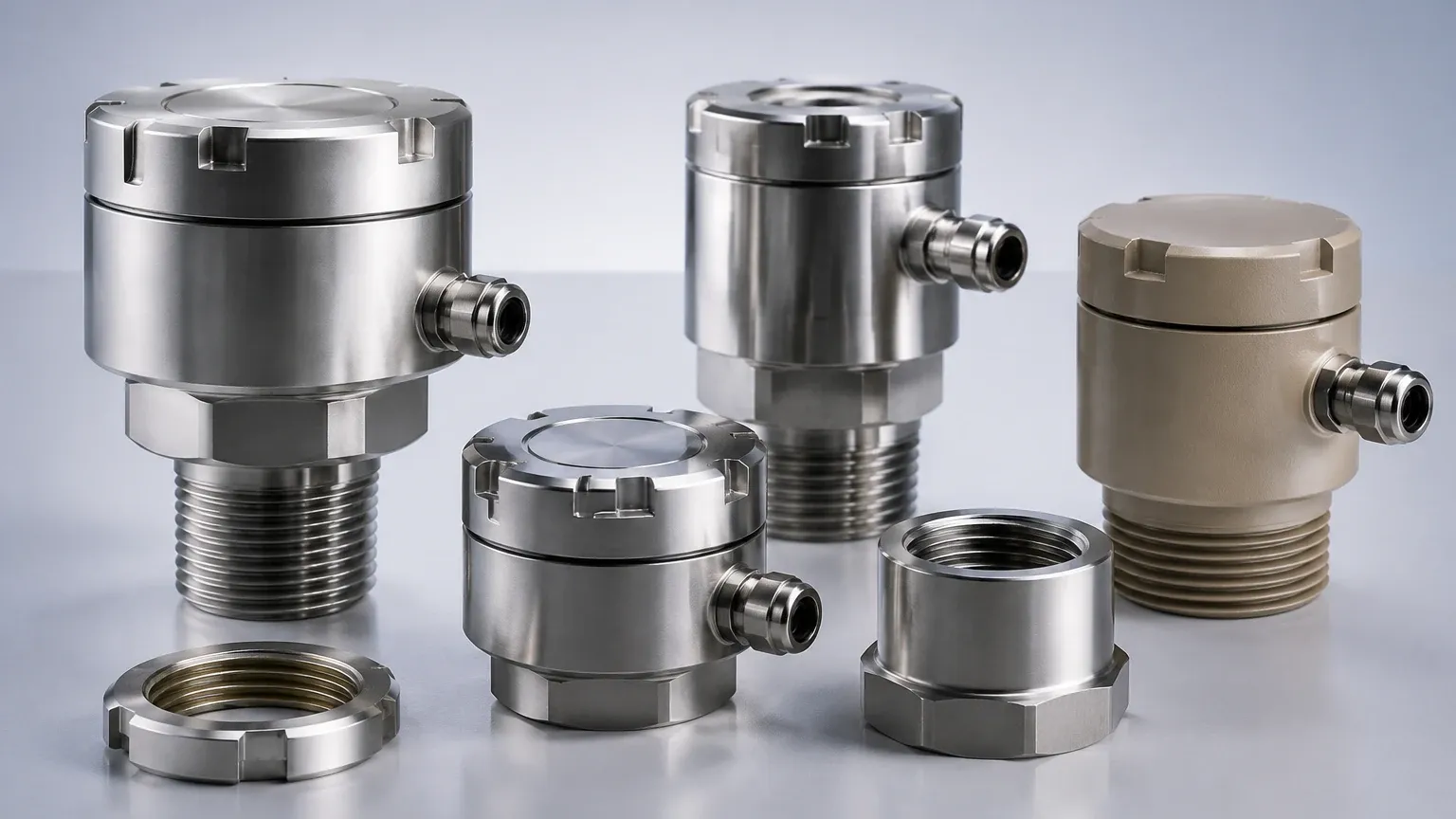
Die-Cast Aluminum
Die-cast aluminum is the most common material for industrial housings. It offers an excellent balance between weight, cost, and durability. Most aluminum housings are finished with a polyester powder coating to enhance corrosion resistance. They provide good heat dissipation for electronics and are inherently conductive, which helps with grounding and EMI/RFI shielding.
Stainless Steel (304 and 316L)
For applications in the food and beverage, pharmaceutical, or offshore oil and gas industries, stainless steel is the preferred choice.
* 304 Stainless Steel: Suitable for general washdown environments where mild detergents are used.
* 316L Stainless Steel: Offers superior resistance to chlorides and acidic environments. It is often required for marine applications or high-purity chemical processing. Stainless steel housings are heavier than aluminum but offer the highest level of mechanical impact protection.
Synthetic Materials (Plastic)
Housings made from PBT (Polybutylene Terephthalate), Polycarbonate, or Polypropylene are used in applications involving highly corrosive acids where metallic housings might degrade. Plastic housings are lightweight and cost-effective, though they may have lower temperature limits and can be susceptible to UV degradation if not properly stabilized.
Enclosure Ratings and Environmental Protection
The ability of a level switch housing to resist the ingress of solids and liquids is measured by Ingress Protection (IP) or NEMA ratings. In industrial level measurement, the following ratings are standard:
* IP65: Dust-tight and protected against water jets from any angle.
* IP66: Protected against powerful water jets; suitable for outdoor use in heavy rain.
* IP67: Capable of withstanding temporary immersion in water (up to 1 meter for 30 minutes).
* IP68: Designed for continuous submersion. This is often required for hydrostatic level transmitters or switches used in flooded pits.
In North America, NEMA 4X is a common requirement, which corresponds roughly to IP66 but includes additional requirements for corrosion resistance and ice formation.
Hazardous Area Classifications and Housing Design
When Level Switches are installed in environments containing flammable gases, vapors, or dusts, the level switch housing must meet specific explosion protection standards (such as ATEX, IECEx, or CSA/UL).
Flameproof/Explosion-Proof (Ex d)
These housings are designed to contain an internal explosion. If a spark ignites gas inside the housing, the enclosure is strong enough to withstand the pressure, and the flame path (the gap between the cover and the body) is long and narrow enough to cool the escaping gases so they cannot ignite the external atmosphere. These are typically heavy-walled aluminum or stainless steel.
Intrinsically Safe (Ex i)
In intrinsically safe circuits, the energy levels are kept so low that a spark cannot occur. In these cases, the housing does not need to be explosion-proof, but it still requires a minimum IP rating (usually IP20 or higher) to prevent accidental contact with the circuitry.
Dual-Chamber vs. Single-Chamber
Advanced level switch housing designs often feature a dual-chamber layout. This separates the terminal compartment (where the field wiring is connected) from the electronics compartment. This design is highly beneficial during maintenance; the terminal cover can be opened to check wiring without exposing the sensitive electronics to humidity or dust in the ambient air.
Engineering Selection Criteria for Level Switch Enclosures
When selecting a level switch housing, use the following table as a general reference for common industrial scenarios:
| Application Environment | Recommended Housing Material | Typical IP Rating | Key Considerations |
| :— | :— | :— | :— |
| General Water/Wastewater | Die-cast Aluminum | IP66 / IP67 | Cost-effective, reliable protection. |
| Chemical Processing (Acids) | PBT Plastic or 316L SS | IP65 / IP66 | Verify chemical compatibility with seals. |
| Food & Beverage / Pharma | 316L Stainless Steel | IP69K | Must withstand high-pressure washdowns. |
| Offshore / Marine | 316L Stainless Steel | IP67 / IP68 | Salt spray resistance is mandatory. |
| Hazardous Gas (Zone 1) | Explosion-proof Aluminum | IP66 | Must meet Ex d or Ex t standards. |
| High Vibration Areas | Die-cast Aluminum | IP67 | Ensure housing has secure mounting. |
Installation Guidelines and Best Practices
Even the best level switch housing will fail if not installed correctly. Follow these practical engineering considerations:
1. Cable Entry Orientation: Always install the level switch so that the cable entries point downwards. This prevents rainwater or condensation from running along the cable and entering the housing. If downward orientation is not possible, use a "drip loop" in the cable.
2. Sealing and Gaskets: Ensure that the housing cover gasket is clean and seated properly before tightening. For explosion-proof housings, the threads of the cover must be clean and lubricated with an approved non-hardening grease.
3. Cable Glands: Use cable glands that match the IP rating of the housing. A plastic gland on a stainless steel IP68 housing will compromise the entire system's integrity.
4. Conduit Seals: In hazardous areas, if using conduit instead of cable, an explosion-proof seal (sealing fitting) must be installed within 450 mm (18 inches) of the housing to prevent the passage of gases through the conduit system.
5. Grounding: Ensure the housing is properly bonded to the plant's earthing system to prevent static buildup and ensure the effectiveness of internal surge protection.
Limitations and Maintenance Considerations
While the housing provides protection, it also introduces certain limitations:
* Thermal Lag: In high-temperature applications, a heavy metal housing can retain heat. If the process temperature is extremely high, an extension neck (cooling fin) should be used between the process connection and the housing to protect the electronics.
* Space Constraints: In compact skid-mounted equipment, large explosion-proof housings may be difficult to access for calibration. In such cases, remote-mounted electronics might be necessary.
* Weight: Stainless steel housings can weigh significantly more than aluminum or plastic. Ensure the process vessel nozzle or mounting bracket can support the cantilevered weight of the switch and housing, especially in high-vibration environments.
Regular maintenance should include a visual inspection of the housing for signs of corrosion, checking the tightness of cable glands, and ensuring the cover is not seized. For aluminum housings in corrosive environments, the powder coating should be inspected for chips that could lead to localized pitting.
Frequently Asked Questions (FAQs)
Q: Can I replace a plastic housing with a metal one on the same sensor?
A: Generally, no. The housing is often integrated into the sensor's mechanical and electrical design. Changing the housing material may affect the instrument's certifications (like ATEX) and its electromagnetic compatibility (EMC) profile.
Q: What is the benefit of a window in the level switch housing?
A: A glass or polycarbonate window allows operators to see local status LEDs or digital displays without opening the housing. This is particularly useful in hazardous areas where opening the enclosure requires a "hot work permit" or a complete plant shutdown.
Q: How do I prevent condensation inside the housing?
A: Condensation occurs when warm, moist air enters the housing and cools down. To prevent this, ensure all cable entries are sealed. In extreme environments, some engineers use breathable vent plugs (which allow air but not water to pass) or internal heaters to keep the electronics above the dew point.
Q: Is 316L stainless steel always better than aluminum?
A: Not necessarily. While 316L is more corrosion-resistant, it is also much heavier and more expensive. For a standard indoor water tank application, a die-cast aluminum housing is more than sufficient and more economical.
Conclusion
The level switch housing is a fundamental component that determines the longevity and safety of a level measurement installation. By carefully matching the housing material and ingress protection rating to the specific demands of the industrial environment, engineers can prevent premature equipment failure and reduce maintenance costs. Whether dealing with the hygienic requirements of a pharmaceutical plant or the rugged conditions of an oil refinery, selecting the right enclosure is the first step toward a reliable level control solution.