1 Switches
1 Switches
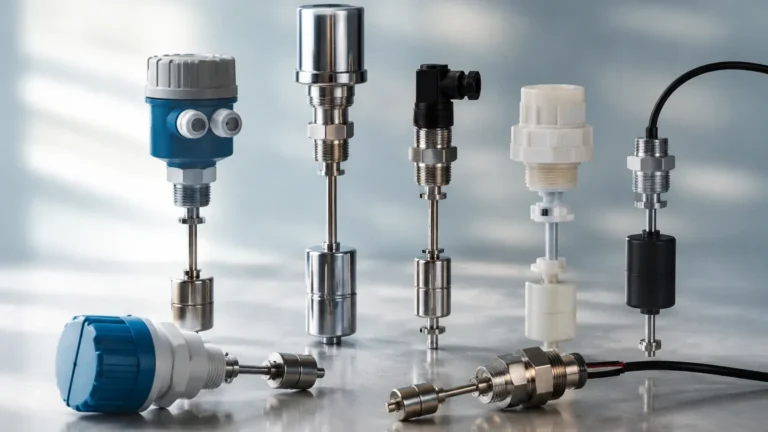
In the landscape of industrial automation and process control, point level detection remains a fundamental requirement for safety, inventory management, and operational efficiency. Often referred to in technical procurement as 1 switches—denoting single-point level detection devices—these instruments are designed to provide a discrete output (on/off) when a material reaches a specific height within a vessel or pipe. Unlike continuous level transmitters that provide a constant stream of data, a level switch acts as a sentinel, triggering alarms, pumps, or valves at critical thresholds.
Selecting the correct technology for single-point detection requires a deep understanding of the physical properties of the media, the environmental conditions of the process, and the mechanical constraints of the installation site. This guide examines the primary measurement principles, selection criteria, and engineering best practices for deploying these essential instruments.
Measurement Principles of Common Level Switches
Before selecting a device, it is critical to understand the physics behind the detection. Different media—ranging from low-viscosity liquids to abrasive bulk solids—interact with sensors in distinct ways. Below are the primary measurement principles utilized in modern industrial applications.
Vibrating Tuning Fork Switches
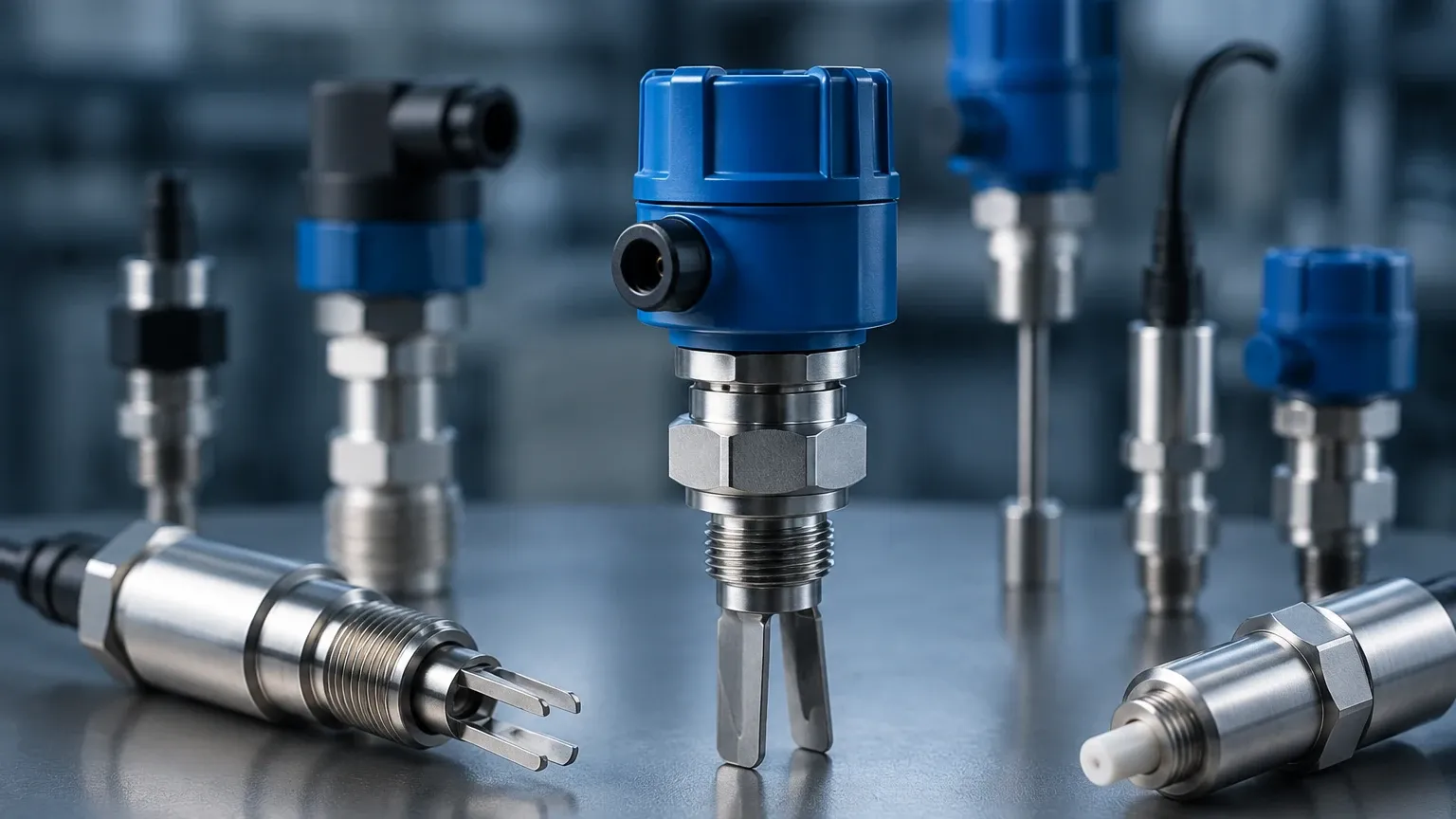
The vibrating level switch, or tuning fork switch, utilizes piezoelectric crystals to energize a metal fork at its natural resonant frequency in free air. When the fork is immersed in a liquid or a solid (such as powder or granules), the frequency changes or the vibration is dampened. The electronic circuit detects this shift and converts it into a switching signal.
* Best for: General-purpose liquid detection, powders, and fine-grained solids.
* Advantage: Unaffected by turbulence, foam, or bubbles. It is a solid-state technology with no moving parts to wear out.
Float-Operated Level Switches
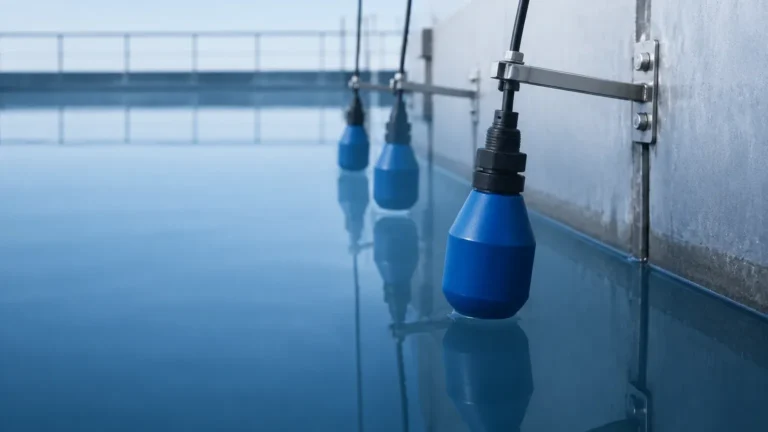
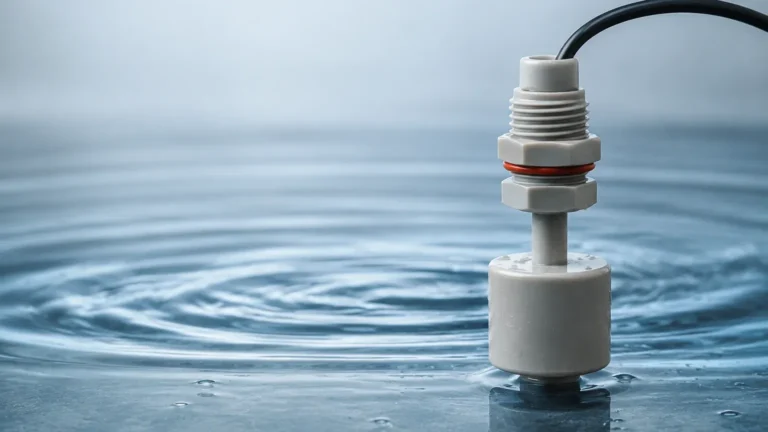
Float switches operate on the principle of buoyancy. A float, containing a permanent magnet, moves up and down a stem as the liquid level rises and falls. Inside the stem, a reed switch (a type of 1 switches contact) is positioned at the set point. When the magnet approaches the reed switch, the magnetic field closes (or opens) the circuit.
* Best for: Clean, non-coating liquids such as water, oils, and chemicals.
* Advantage: Simple, low-cost, and requires no power to operate the switch contact itself.
Capacitance Level Switches
Capacitance switches treat the sensor probe and the tank wall (or a reference probe) as two plates of a capacitor. The material being measured acts as the dielectric. As the level rises and covers the probe, the dielectric constant changes, leading to a change in capacitance. Once the capacitance reaches a pre-set threshold, the switch changes state.
* Best for: Liquids and solids that may be sticky or have high dielectric constants.
* Advantage: Can be calibrated to ignore slight build-up on the probe, making it suitable for viscous materials.
Rotary Paddle Switches
Designed specifically for bulk solids, the rotary paddle switch uses a low-speed motor to rotate a paddle. When the material reaches the paddle, it creates mechanical resistance (torque), which causes the motor to stall or shift. This movement triggers a microswitch to signal the level state.
* Best for: Silos containing grain, sand, plastic pellets, or cement.
* Advantage: Robust mechanical detection that is highly visible and easy to troubleshoot.
Engineering Selection Criteria for 1 Switches
When specifying Level Switches for a project, engineers must evaluate several variables to ensure long-term reliability. The term "1 switches" often implies a single-stage logic, but the complexity lies in the environment where that logic must survive.
1. Media Characteristics: Is the material liquid, solid, or slurry? Consider density (minimum SG for floats), viscosity, and whether the material is corrosive or abrasive.
2. Process Temperature and Pressure: Standard switches may handle up to 80°C (176°F), but high-temperature versions with thermal extensions are required for steam or furnace applications. Pressure ratings must also be checked, especially for float and tuning fork types where high pressure can collapse a float or affect vibration.
3. Output Type: While the switch provides a single point of detection, the output can be a Relay (SPDT/DPDT), Transistor (PNP/NPN), or a Two-wire (8/16mA) loop. Ensure the output is compatible with the PLC or DCS.
4. Hygienic Requirements: In food and pharmaceutical industries, sensors must have polished surfaces and tri-clamp fittings to prevent bacterial growth.
Practical Selection Table
The following table provides a quick reference for matching technology to common industrial scenarios.
| Technology | Typical Media | Max Pressure (Approx.) | Max Temperature (Approx.) | Key Limitation |
| :— | :— | :— | :— | :— |
| Vibrating Fork | Liquids, Powders | 40 bar (580 PSI) | 150°C (302°F) | Heavy coating can cause false triggers. |
| Float Switch | Clean Liquids | 20 bar (290 PSI) | 120°C (248°F) | Moving parts can jam in dirty liquids. |
| Capacitance | Slurries, Liquids | 25 bar (362 PSI) | 200°C (392°F) | Requires calibration for different media. |
| Rotary Paddle | Bulk Solids | Atmospheric | 80°C (176°F) | Mechanical wear over long periods. |
| Hydrostatic | Water/Wastewater | N/A (Submersible) | 60°C (140°F) | Only for liquids; sensitive to density. |
Installation and Mounting Considerations
Correct installation is as important as selecting the right technology. Even the highest quality 1 switches will fail if positioned incorrectly.
* Avoid the Fill Stream: Never install a level switch directly under the inlet pipe. The falling material will cause false alarms or mechanical damage to the sensor.
* Orientation: Vibrating forks used in liquids are typically mounted horizontally, but in solids, they are often mounted vertically or at an angle to prevent material from bridging between the tines.
* Nozzle Length: Ensure the active part of the sensor (the fork tines or the paddle) extends fully into the vessel. If the nozzle is too long, material can get trapped in the "dead zone," preventing the switch from resetting.
* Wiring and Conduits: Always use a drip loop in the cabling to prevent moisture from entering the housing. For hazardous areas, ensure the switch is rated (ATEX/IECEx) and installed with the appropriate cable glands.
Limitations and Operational Risks
While point level switches are reliable, they are not "set and forget" devices. Engineers should be aware of the following risks:
* Material Build-up: In applications involving wastewater or cement, material can harden on the sensor. While some capacitance and tuning fork switches offer "coating rejection," extreme build-up will eventually lead to a "stuck" high-level alarm.
* Turbulence and Foam: In agitated tanks, float switches may bounce, causing the relay to chatter. In these cases, a time-delay relay or a vibrating fork switch (which ignores foam) is a better choice.
* Density Fluctuations: Float switches rely on the liquid being denser than the float. If the process involves different chemicals with varying specific gravities, a float that works for water (SG 1.0) might sink in a light hydrocarbon (SG 0.7).
Frequently Asked Questions (FAQs)
Q: What is the difference between an SPDT and a DPDT switch output?
A: SPDT (Single Pole Double Throw) provides one set of contacts (Common, Normally Open, Normally Closed). DPDT (Double Pole Double Throw) provides two independent sets of contacts, allowing you to trigger two separate circuits (e.g., a local alarm and a PLC input) simultaneously.
Q: Can I use a liquid tuning fork switch for dry powders?
A: Generally, no. Tuning forks for solids are designed with larger tines and different vibration frequencies to prevent "bridging" (where material gets stuck between the forks). Always use a sensor specifically tuned for the media type.
Q: How do I test if my 1 switches are functioning without filling the tank?
A: Many modern electronic switches feature a "test" magnet or a button on the housing that simulates a high-level condition. For mechanical float switches, you may need to manually lift the float if the tank is empty and safe to enter.
Q: Is a level switch better than a continuous level sensor?
A: They serve different purposes. Continuous sensors (like radar) are better for inventory management. However, for high-level overfill protection, a dedicated point level switch is often required by safety regulations (such as SIL standards) as a redundant backup because of its simplicity and reliability.
Conclusion
Whether you are managing a simple water storage tank or a complex chemical reactor, understanding the nuances of 1 switches is vital for system integrity. By matching the measurement principle to the specific properties of your media and following rigorous installation standards, you can ensure that your point level detection provides the reliable "first line of defense" your process requires. For specialized applications or harsh environments, consulting with a manufacturer of Level Switches can provide the customized OEM/ODM solutions necessary to meet exact engineering specifications.