3 Way Level Switch
3 Way Level Switch
In industrial process control, the precise management of liquid and solid levels is fundamental to operational safety, efficiency, and resource conservation. Among the various tools available to engineers, the 3 way level switch stands out as a versatile component capable of providing more than just a simple on/off signal. Whether referring to the electrical configuration of the switch—such as a Single Pole Double Throw (SPDT) arrangement—or a multi-point detection system designed to monitor three distinct levels, these devices are critical for automated pump control, overflow prevention, and dry-run protection.
Selecting the correct Level Switches requires a deep understanding of the underlying measurement principles, the physical properties of the media being measured, and the specific logic requirements of the control system. This guide explores the technical nuances of 3 way level switches to assist engineers in making informed procurement and installation decisions.
Understanding the Measurement Principles
Before selecting a 3 way level switch, it is essential to understand how different technologies detect the presence or absence of material. Each principle offers distinct advantages depending on the viscosity, conductivity, and corrosiveness of the medium.
Float-Based Level Switching
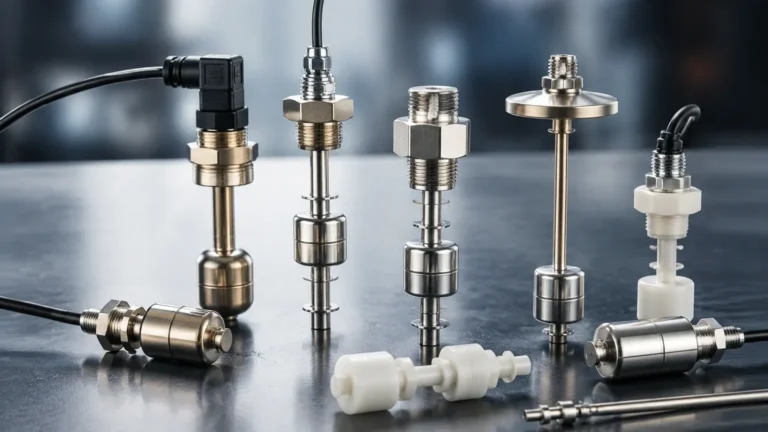
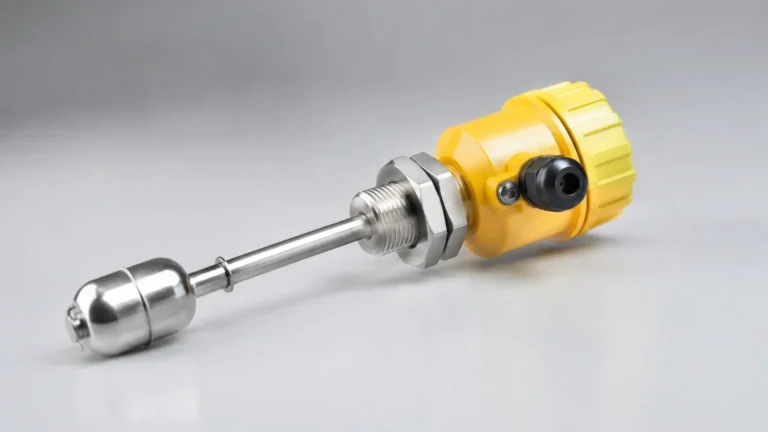
Float switches are among the most common technologies used for 3-way logic. They operate on the principle of buoyancy. A float containing a permanent magnet moves with the liquid level. When the float reaches a predetermined point, the magnetic field actuates a reed switch located inside the stationary stem.
In a 3 way level switch configuration involving floats, the device often utilizes an SPDT contact. This means the switch has one common terminal and two output paths: one Normally Open (NO) and one Normally Closed (NC). Alternatively, a single stem may house multiple reed switches to detect three specific heights (e.g., Low, High, and High-High).
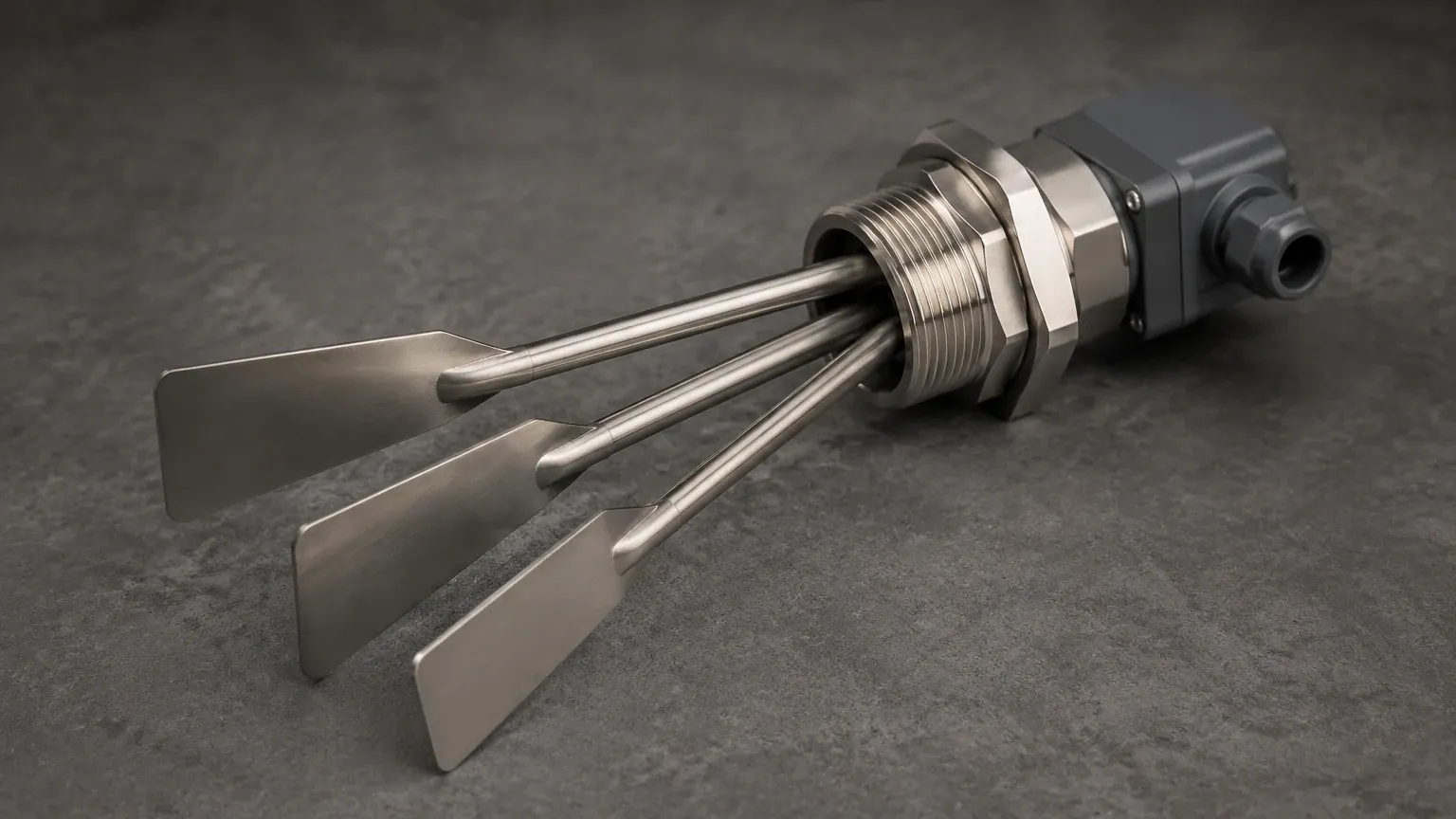
Vibrating Tuning Fork Principle
Vibrating level switches utilize a tuning fork that is piezo-electrically energized to vibrate at its natural frequency. When the fork is immersed in a liquid or solid, the frequency changes. The internal electronics detect this shift and trigger the output. These are highly reliable for "3-way" logic in safety systems because they are often designed with fail-safe SPDT relay outputs, ensuring that a power failure or a high-level event triggers the appropriate safety state.
Capacitive Level Detection
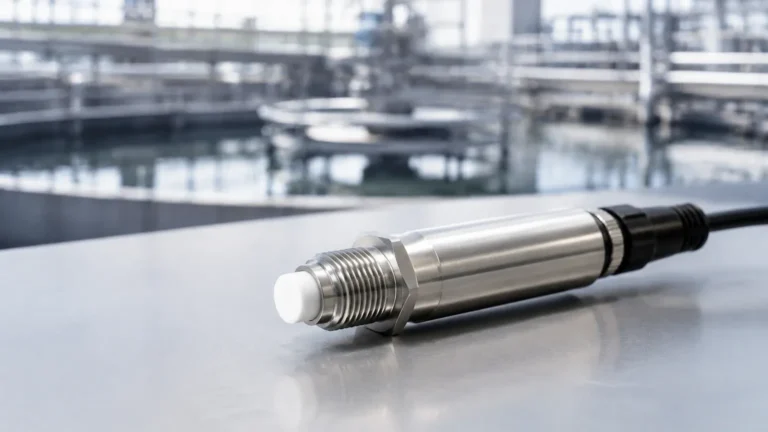
Capacitive switches measure the change in capacitance between a probe and the tank wall (or a reference probe). As the medium rises, it displaces air, changing the dielectric constant and thus the capacitance. These are effective for non-conductive liquids and solids. A 3 way level switch using capacitance can be calibrated to ignore build-up on the probe, providing a reliable signal for high, mid, or low levels.
Conductive Level Switching
For conductive liquids like water or acids, conductive probes are a cost-effective solution. A low-voltage current is passed between probes. When the liquid touches the probes, the circuit is completed. A 3-way configuration here typically involves three probes of different lengths to manage a "pump-up" or "pump-down" logic cycle (Start, Stop, and Alarm).
The Role of SPDT in 3 Way Level Switch Logic
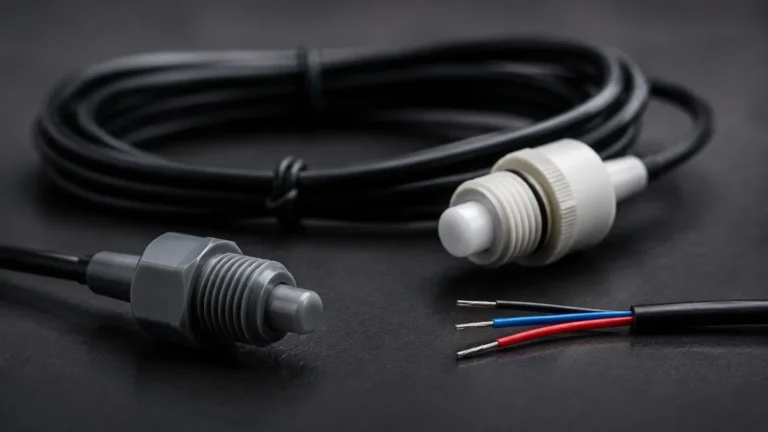
In many B2B industrial contexts, a "3 way" switch refers specifically to the electrical output configuration. A Single Pole Double Throw (SPDT) switch provides three connection points. This allows the user to control two different circuits or to provide a changeover signal to a Programmable Logic Controller (PLC).
* Common (C): The input power or signal.
* Normally Open (NO): The circuit is open when the switch is in its shelf state (e.g., tank empty). It closes when the level reaches the setpoint.
* Normally Closed (NC): The circuit is closed when the switch is in its shelf state and opens when the level reaches the setpoint.
This 3-wire arrangement is vital for redundancy. For example, the NO contact can turn on a high-level alarm light, while the NC contact can simultaneously cut power to a filling pump, providing a hardware-level interlock that does not rely solely on software logic.
Technical Selection Criteria
Choosing the right 3 way level switch involves evaluating the process environment against the instrument's specifications. The following table provides a comparison of common technologies used in 3-way applications.
| Technology | Media Type | Max Temperature | Max Pressure | Best Use Case |
| :— | :— | :— | :— | :— |
| Magnetic Float | Clean liquids | 150°C (302°F) | 40 Bar (580 PSI) | Water tanks, oil reservoirs |
| Tuning Fork | Liquids/Powders | 250°C (482°F) | 64 Bar (928 PSI) | Overfill protection, dry-run |
| Capacitance | Solids/Liquids | 200°C (392°F) | 25 Bar (362 PSI) | Corrosive chemicals, silos |
| Conductive | Conductive liquids | 100°C (212°F) | 10 Bar (145 PSI) | Wastewater, acid sumps |
Media Considerations
* Viscosity: High-viscosity fluids may cause float switches to stick. In these cases, a non-contact or vibrating fork switch is preferred.
* Corrosiveness: For aggressive chemicals, PTFE or PVDF coated probes are necessary to prevent premature failure.
* Turbulence: In tanks with heavy agitation, a stilling well should be used for float switches, or a vibrating fork switch should be selected due to its resistance to turbulence.
Installation and Wiring Guidelines
Proper installation is paramount to ensuring the longevity and accuracy of a 3 way level switch. Failure to follow engineering best practices can lead to false triggers or mechanical damage.
1. Orientation: Most 3 way level switches are designed for either vertical (top-mount) or horizontal (side-mount) installation. Ensure the chosen model matches the available tank entry points. Vertical switches are often used for multi-point detection (Low/Mid/High), while horizontal switches are typically used for single-point SPDT switching.
2. Clearance: For float-based switches, ensure there is sufficient clearance from tank walls, internal baffles, or agitators. A minimum clearance of 50 mm (approx. 2 inches) is generally recommended to prevent the float from snagging.
3. Wiring and Grounding: Use shielded cables for electronic switches (tuning fork, capacitance) to prevent Electromagnetic Interference (EMI) from affecting the signal. Ensure the housing is properly grounded, especially in hazardous areas where static discharge could pose an explosion risk.
4. Cable Glands: Always point cable entries downward or use a drip loop to prevent moisture from entering the housing via the conduit. This is a common cause of failure in outdoor or wash-down environments.
Operational Limitations and Common Risks
While 3 way level switches are robust, they are not universal solutions. Engineers must be aware of the following limitations:
* Coating and Build-up: Capacitive and tuning fork switches can fail if material builds up excessively on the sensing element. While many modern switches have "coating rejection" logic, extreme build-up will eventually cause a permanent "high" signal.
* Specific Gravity Changes: Float switches are calibrated for a specific density. If the process fluid changes (e.g., switching from water to a light oil), the float may no longer sit at the correct level or may fail to float entirely.
* Pressure Surges: Rapid pressure changes in a vessel can damage the sealed bellows or thin-walled floats of some mechanical switches. In high-pressure applications, solid-state or heavy-duty tuning fork designs are safer.
* Contact Arcing: When using an SPDT 3 way level switch to directly drive high-current motors, the internal contacts can arc and weld shut. It is always recommended to use the level switch to trigger a secondary relay or contactor rather than the load itself.
Frequently Asked Questions (FAQs)
Q: Can a 3 way level switch be used for both high and low-level detection?
A: Yes. If the switch is a multi-point float switch or a conductive probe system with at least three points, it can monitor both high and low levels simultaneously. If it is a single-point SPDT switch, it can only detect one level but can provide two different signals (NO/NC) at that specific point.
Q: What is the difference between a 3-wire and a 2-wire level switch?
A: A 2-wire switch typically acts as a simple series switch (often for DC loads), while a 3-wire switch (the 3 way level switch) provides a common, a normally open, and a normally closed contact. The 3-wire version is much more flexible for complex control logic.
Q: How do I test a 3 way level switch during maintenance?
A: For mechanical switches, manually move the float and check continuity across the C-NO and C-NC terminals using a multimeter. For electronic switches, most models have a test button or a magnetic test point that simulates a level change to verify the relay output.
Q: Are these switches suitable for explosive environments?
A: Many Level Switches are available with ATEX, IECEx, or UL hazardous area certifications. You must verify that the specific model's rating matches the Zone or Division of your installation site.
By carefully matching the measurement principle to the application and adhering to strict installation standards, a 3 way level switch provides a reliable, low-maintenance solution for industrial level control. Whether used for simple tank filling or integrated into a complex safety instrumented system (SIS), these devices remain a cornerstone of modern process automation.