Automat Level Switch 40h Series
Automat Level Switch 40h Series
In the field of industrial process control, the reliable detection of liquid levels is fundamental to preventing tank overflows, protecting pumps from dry running, and ensuring the seamless operation of automated systems. The automat level switch 40h series represents a specific category of float-actuated sensors designed for point-level detection in demanding environments. These devices provide a discrete electrical signal—typically a dry contact—when a liquid reaches a predetermined height within a vessel or tank.
For engineers and facility managers, selecting the correct level switch requires an understanding of the underlying physical principles, the mechanical constraints of the hardware, and the chemical compatibility of the materials involved. This guide explores the technical framework of the 40h series and broader Level Switches technology to assist in high-precision industrial selection.
Understanding the Measurement Principle of Float-Based Level Switches
The automat level switch 40h series operates on the principle of buoyancy, a classic yet highly reliable method for liquid level detection. According to Archimedes' principle, any object wholly or partially immersed in a fluid is buoyed up by a force equal to the weight of the fluid displaced by the object.
The Magnetic Coupling Mechanism
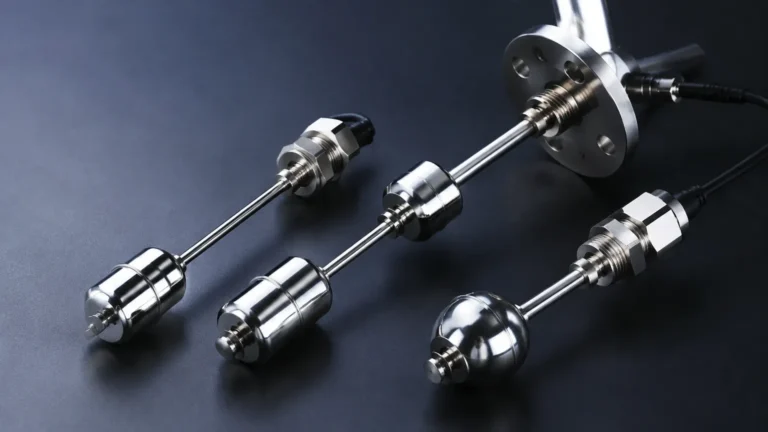
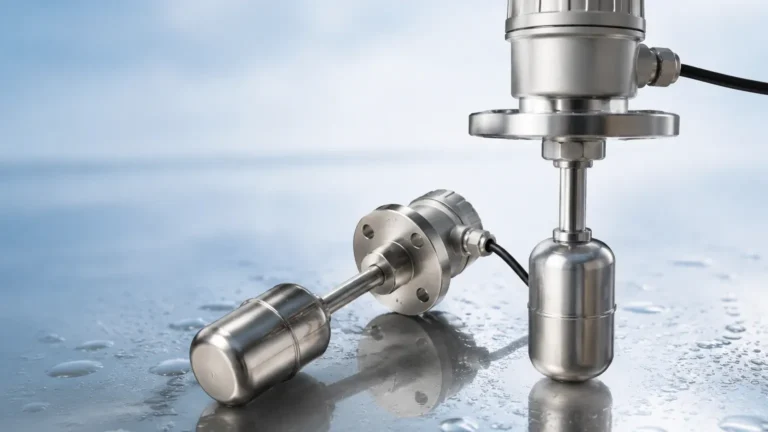
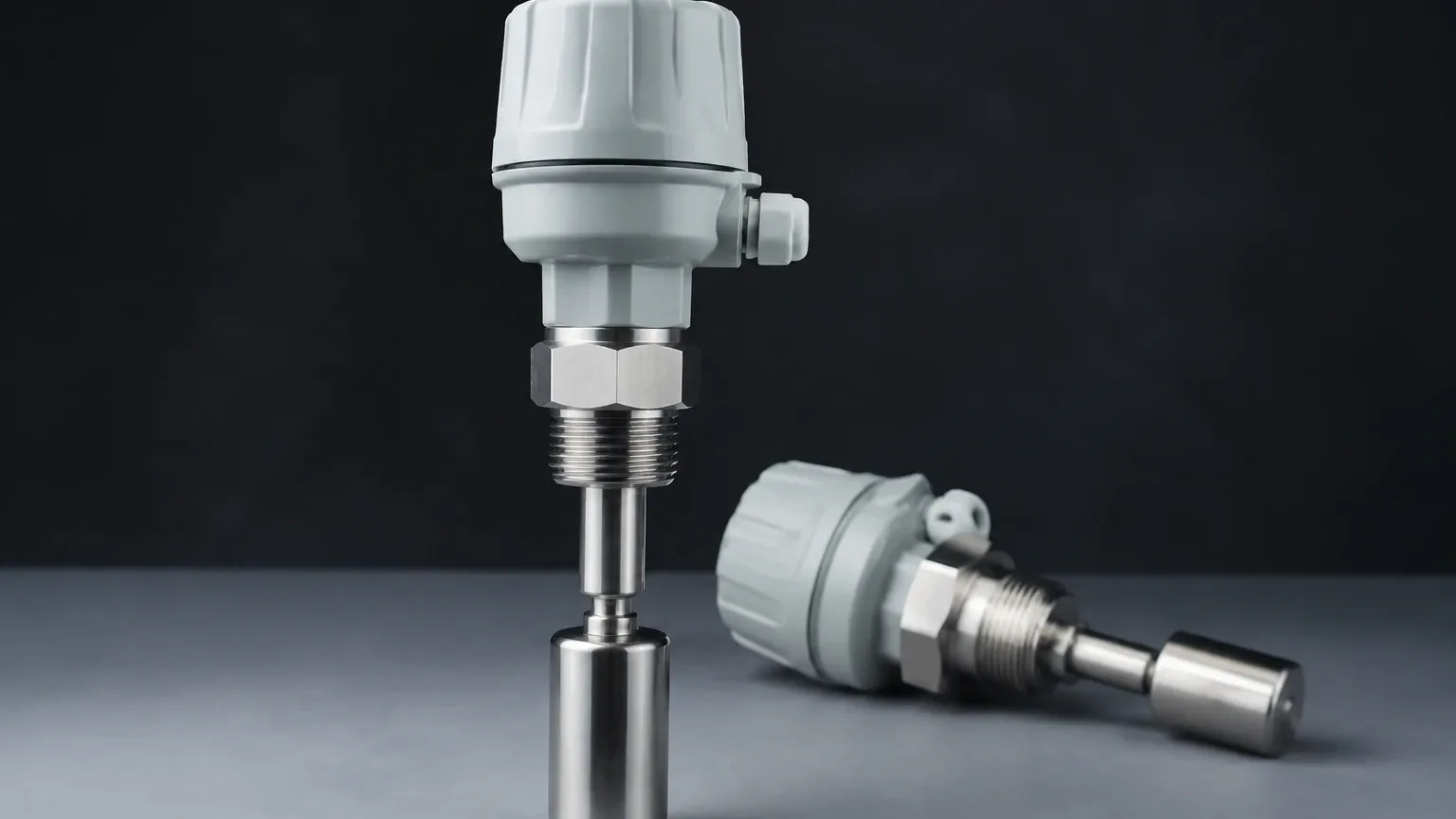
Most modern industrial float switches, including those in the 40h series, utilize a magnetic coupling mechanism to ensure a hermetic seal between the process fluid and the electrical components. The assembly typically consists of a hollow float containing a permanent magnet and a stationary stem containing one or more reed switches.
1. Rising Level: As the liquid level rises, the float moves upward along the stem.
2. Magnetic Interaction: When the float's internal magnet reaches the position of the reed switch, the magnetic field forces the reed contacts to close (or open, depending on the configuration).
3. Signal Output: This change in state completes an electrical circuit, sending a signal to a Programmable Logic Controller (PLC), alarm, or motor starter.
This non-contact method of actuation is preferred because it eliminates the need for mechanical seals or bellows that are prone to fatigue and leakage over time. By isolating the electrical switch within a sealed stem, the device can operate in high-pressure environments and with corrosive liquids without risking electrical failure.
Technical Specifications and Design of the 40h Series
The automat level switch 40h series is characterized by its robust construction, often utilizing stainless steel (SS304 or SS316L) for both the float and the stem. This material choice allows the switch to function in temperatures ranging from -20°C to +150°C (depending on the specific model and seal types) and withstand pressures up to 30 bar (3.0 MPa).
Key Components
* The Float: Usually spherical or cylindrical. The density of the float must be lower than the minimum density of the liquid being measured (specific gravity usually >0.7).
* The Stem: A rigid tube that guides the float's travel and houses the wiring.
* The Connection: Available in threaded (e.g., 1/2" BSP/NPT) or flanged options to suit various tank nozzles.
* The Housing: An IP65 or IP68 rated enclosure that protects the terminal block and cable entry from environmental moisture and dust.
Key Selection Criteria for Industrial Level Switches
When specifying an automat level switch 40h series or similar instrument, engineers must evaluate several variables to ensure long-term reliability. The following table outlines the primary considerations for selection:
| Parameter | Requirement/Consideration | Impact on Performance |
| :— | :— | :— |
| Liquid Density | Must be higher than float density (e.g., >0.8 g/cm³) | Determines if the float will actually rise with the liquid. |
| Operating Pressure | Must exceed maximum vessel pressure (e.g., 20 bar) | Prevents the float from collapsing or the stem from leaking. |
| Operating Temperature | Must account for process and ambient peaks | Protects internal reed switches and wiring insulation. |
| Chemical Compatibility | Material must resist corrosion (SS316, PP, PVDF) | Prevents premature failure due to pitting or chemical attack. |
| Viscosity | Ideally < 500 cP | High viscosity can cause "sticking" or delayed response. |
| Mounting Orientation | Top, Side, or Bottom | Affects the switch point accuracy and ease of maintenance. |
Installation Best Practices and Considerations
Proper installation is critical to the accuracy and longevity of the automat level switch 40h series. Even the most robust sensor can fail if environmental factors are not addressed during the engineering phase.
Turbulence and Agitation
In tanks equipped with agitators or high-velocity inlet flows, the resulting turbulence can cause the float to bounce or oscillate. This leads to "chattering" of the electrical contacts, which can damage downstream equipment like pump motors. To mitigate this:
* Still Pipes: Install the level switch inside a perforated still pipe (stilling well). This pipe acts as a baffle, providing a calm liquid surface for the float while allowing the level to equalize with the rest of the tank.
* Positioning: Ensure the switch is located away from inlet pipes and agitator blades.
Clearance and Orientation
For vertical switches, ensure there is sufficient overhead clearance to remove the entire stem for inspection. For side-mounted versions of the 40h series, the pivot point must be perfectly horizontal to ensure the float moves freely through its intended arc.
Electrical Wiring
Always use shielded cables for signal transmission to prevent Electromagnetic Interference (EMI) from nearby high-voltage lines. If the switch is controlling a high-inductive load (such as a large solenoid valve), it is advisable to use an interposing relay to protect the delicate reed switch contacts from arcing and welding.
Common Applications and Limitations
Applications
The versatility of the 40h series makes it suitable for a wide range of industrial sectors:
* Water Treatment: Monitoring levels in storage tanks, chemical dosing skids, and filtration units.
* Oil and Gas: High-level alarms in separator tanks and lubrication oil reservoirs for turbines.
* Food and Beverage: Level control in stainless steel mixing vessels (using sanitary-grade finishes).
* HVAC Systems: Detecting condensate levels in large-scale cooling towers.
Limitations
While highly effective, float-based switches have inherent limitations:
* Solid Content: If the liquid contains heavy suspended solids or fibrous material, these can accumulate on the stem or float, eventually jamming the mechanism.
* Coating and Scaling: In applications involving lime or certain polymers, a hard scale can build up on the stem, preventing the float from sliding. In such cases, non-contact technologies like ultrasonic or radar level meters may be more appropriate.
* Interface Measurement: Standard floats are designed for a single liquid. If the tank contains two immiscible liquids (e.g., oil and water), a standard float may not accurately detect the interface unless specifically weighted for the density of the lower liquid.
Maintenance and Troubleshooting
The automat level switch 40h series is generally low-maintenance due to its few moving parts. However, a periodic inspection regime is recommended, especially in critical safety applications.
1. Visual Inspection: Check the float for signs of denting, corrosion, or buildup. A dented float may lose buoyancy if its internal volume is reduced or if it develops a pinhole leak.
2. Continuity Testing: Using a multimeter, manually move the float along the stem and verify that the switch opens and closes at the correct positions.
3. Cleaning: Remove any biological growth or mineral deposits from the stem using a soft brush and a compatible cleaning agent. Avoid abrasive materials that could scratch the surface and encourage further scaling.
Troubleshooting Common Issues
* Switch fails to trigger: Check for a stuck float or a broken reed switch (often caused by electrical overstress). Verify the liquid density has not changed.
* False triggers: Often caused by extreme vibration or magnetic interference from nearby equipment. Ensure the housing is properly grounded.
* Intermittent signal: Usually points to a loose wiring connection or a damaged cable jacket allowing moisture ingress.
Frequently Asked Questions (FAQ)
Q: Can the 40h series be used in hazardous (Ex) areas?
A: Many versions of the 40h series can be used in hazardous areas if they are connected to an intrinsically safe (IS) barrier. However, you must confirm that the specific model has the required ATEX or IECEx certifications for your zone.
Q: What is the difference between a Normally Open (NO) and Normally Closed (NC) configuration?
A: In a Normally Open configuration, the circuit is open when the float is at the bottom (low level). As the liquid rises and lifts the float, the circuit closes. Most 40h series switches allow the user to reverse the action by simply removing the float and flipping it 180 degrees on the stem.
Q: How do I handle high-viscosity liquids?
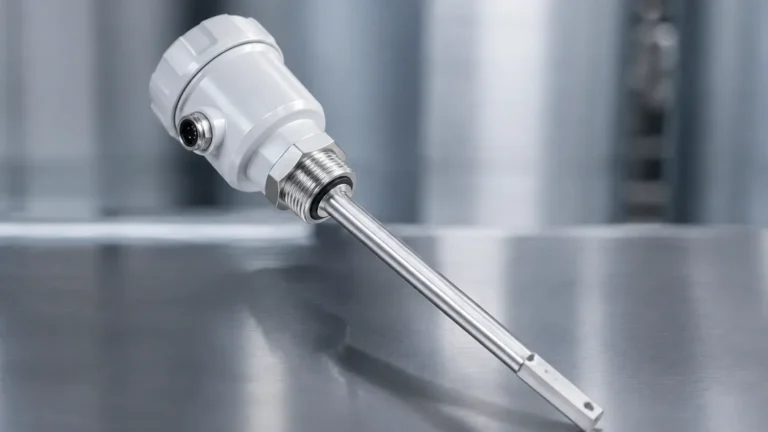
A: For liquids with higher viscosity, a larger float with greater buoyancy force is required. If the viscosity exceeds 500 cP, mechanical float switches may become unreliable, and a tuning fork or capacitive level switch should be considered.
Conclusion
The automat level switch 40h series remains a staple in industrial level control due to its simplicity, durability, and cost-effectiveness. By understanding the mechanical limits and environmental requirements of these devices, engineers can implement reliable point-level detection that protects assets and optimizes process efficiency. For applications requiring different technologies or specialized configurations, exploring the full range of Level Switches is the best path toward finding a solution tailored to specific operational needs.