Level Switch Danfoss
Level Switch Danfoss
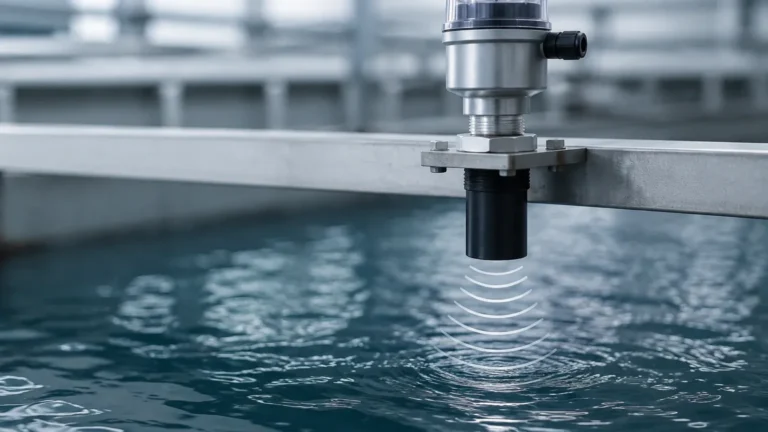
In industrial refrigeration and process automation, the precision of point-level detection is critical for both operational efficiency and system safety. The level switch danfoss category represents a specialized segment of the market, primarily focused on the demanding requirements of cooling systems, boilers, and high-pressure liquid management. These instruments are designed to monitor liquid levels—such as refrigerants, water, or oil—and provide a digital signal to controllers when a specific threshold is reached.
Selecting the correct level switch requires a deep understanding of the underlying measurement principles, the chemical properties of the media, and the environmental conditions of the installation. This guide explores the technical landscape of level switches, with a specific focus on the technologies utilized by Danfoss and how they compare to broader industrial Level Switches used in modern automation.
Understanding the Role of Level Switches in Industrial Systems
A level switch is a device that detects the presence or absence of liquid at a specific height within a tank or vessel. Unlike continuous level transmitters, which provide a constant reading of the fluid level (e.g., 45%), a switch acts as an "on/off" trigger. These triggers are essential for preventing pump cavitation, avoiding tank overfills, and ensuring that heat exchangers remain submerged in refrigerant.
In the context of Danfoss-style applications, these switches are often integrated into refrigeration cycles. They are tasked with managing the liquid level in separators, receivers, and standpipes. Because these systems often operate under high pressure and extreme temperatures, the mechanical and electronic integrity of the switch is paramount.
Measurement Principles
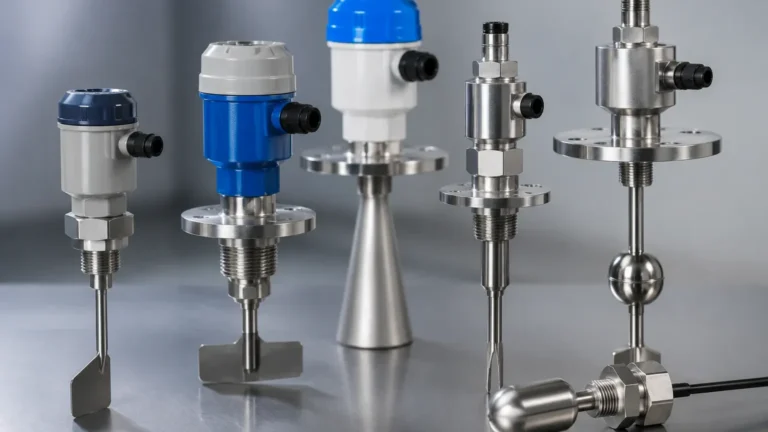
Before selecting a level switch danfoss model or an alternative, it is vital to understand the physics behind the detection. Most industrial switches fall into three primary categories:
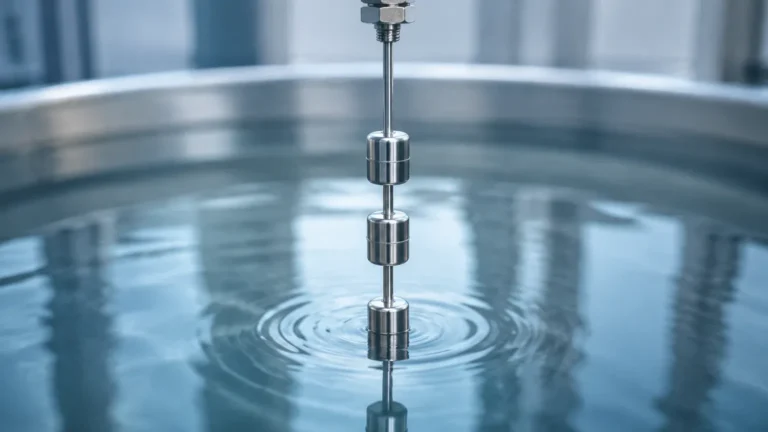
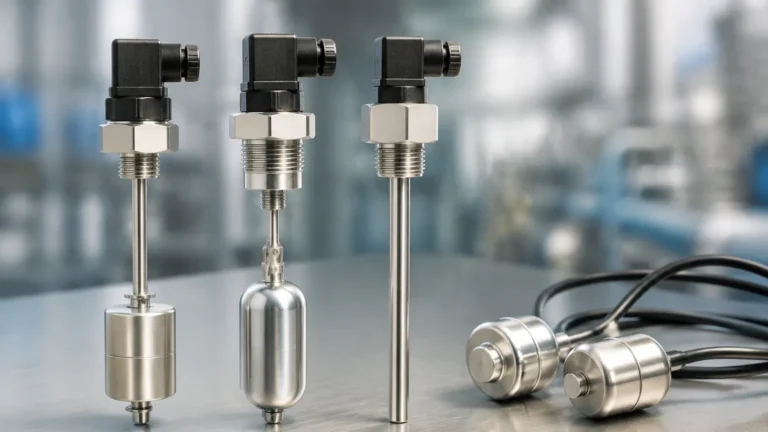
1. Mechanical Float Switches: These utilize a buoyant float that moves with the liquid level. When the float reaches a certain point, it mechanically or magnetically actuates a microswitch. The Danfoss AKS 38 is a classic example of this technology, utilizing a float in a dedicated chamber to provide reliable electromechanical switching.
2. Electronic/Reflectometric Switches: Modern units, such as the LLS 4000 series, use electronic sensing. These often rely on the principle of electromagnetic reflectometry or capacitance. When liquid touches the sensor probe, the change in the dielectric constant or the reflection of the signal is detected, triggering the switch. These have no moving parts, which significantly reduces wear.
3. Optical Sensors: These use an infrared light source and a receiver. In air, the light reflects back to the sensor; when submerged in liquid, the light is refracted into the fluid, breaking the circuit. This is highly effective for clean liquids but can be sensitive to coating or heavy foaming.
Technical Principles of Level Switch Danfoss Series
The level switch danfoss portfolio is engineered for specific industrial niches. Understanding these specific series helps engineers determine if they meet the requirements of their particular process.
The Mechanical Approach: AKS 38
The AKS 38 is an electromechanical float switch. It consists of a float housing and a switch box. The internal float follows the liquid level, and its movement is transmitted through a non-magnetic stainless steel tube to the switch box. This design ensures that the electrical components are completely isolated from the process media, which is a critical safety feature when dealing with ammonia (NH3) or flammable refrigerants.
The Electronic Evolution: LLS 4000
Transitioning away from mechanical components, the LLS 4000 series represents the latest in electronic level detection. It is designed for high-pressure environments (up to 140 bar for CO2 applications) and can be used with a wide range of refrigerants. The primary advantage of this electronic level switch danfoss variant is its reliability in high-vibration environments where mechanical floats might fail or provide false readings.
Key Selection Criteria for Level Switches
Choosing between a mechanical float and an electronic sensor involves evaluating several technical parameters. The following table provides a comparison of typical specifications found in industrial level switches.
| Feature | Mechanical Float Switch (e.g., AKS 38) | Electronic Level Switch (e.g., LLS 4000) |
| :— | :— | :— |
| Media Compatibility | Ammonia, HFC, HCFC, Water, Oil | Ammonia, CO2, HFC, HCFC, Oil |
| Pressure Range | Up to 28 bar (406 psi) | Up to 140 bar (2030 psi) |
| Temperature Range | -50°C to +65°C | -50°C to +100°C |
| Moving Parts | Yes (Float and Linkage) | No (Solid State) |
| Mounting Orientation | Vertical (Side or Top) | Any (360-degree rotation) |
| Safety Integrity | Standard | SIL 2 Capable |
| Output Type | SPDT Contact | Transistor (PNP/NPN) |
Media Density and Viscosity
For mechanical switches, the density of the liquid is the most critical factor. The float must be calibrated to the specific gravity of the fluid. If the fluid is too light, the float will not rise; if it is too dense, the switch may trigger prematurely. Electronic switches are generally less sensitive to density changes but may require calibration for the dielectric constant of the fluid.
Operating Environment
In outdoor installations or environments with high humidity, the ingress protection (IP) rating is vital. Most industrial Level Switches carry an IP65 or IP67 rating. For hazardous areas, such as chemical processing plants, ATEX or IECEx certification for explosion-proof operation is mandatory.
Installation and Mounting Guidelines
Correct installation is the single most important factor in ensuring the longevity of a level switch danfoss unit. Failure to follow mounting protocols often leads to premature failure or inaccurate switching.
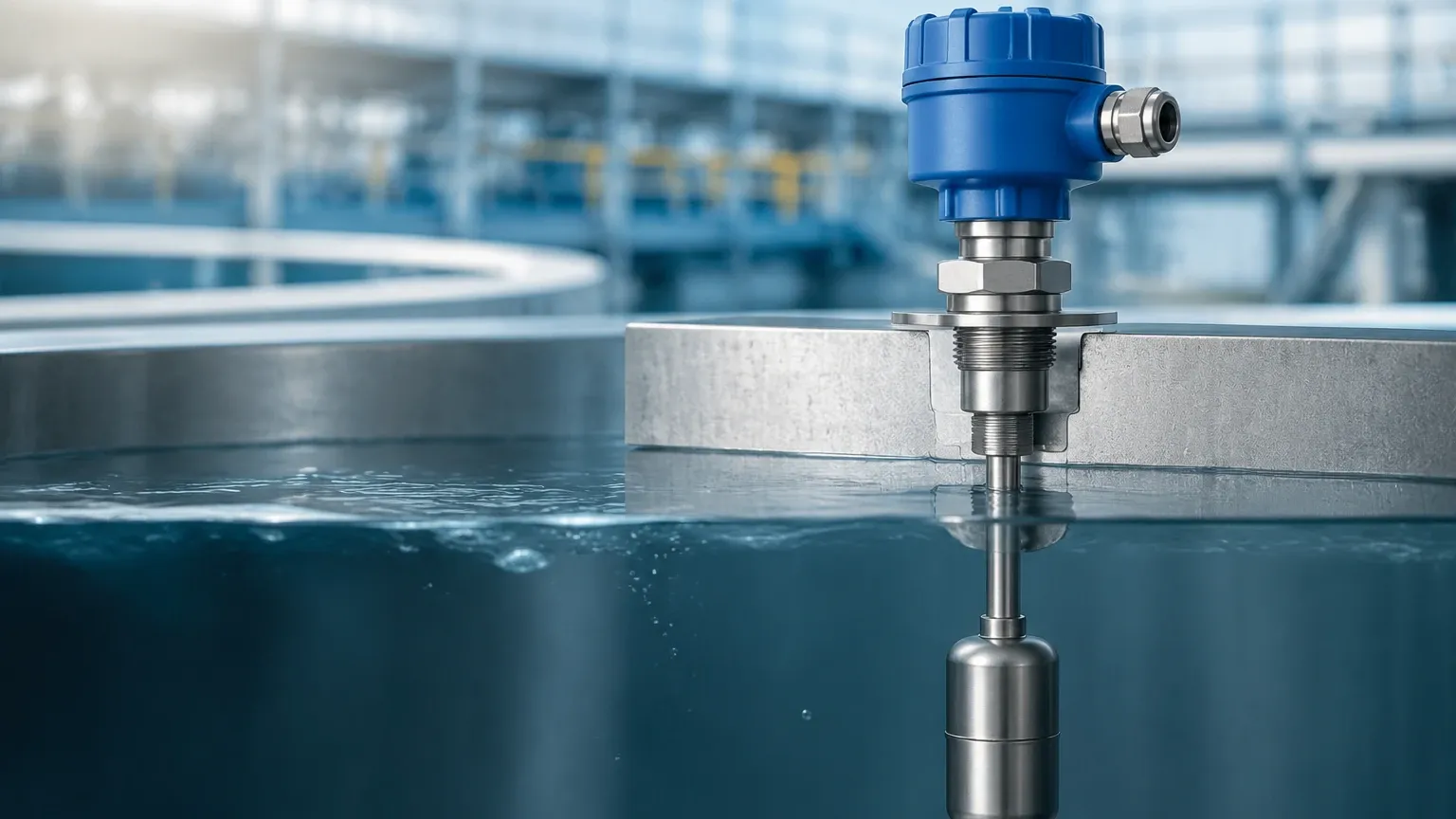
1. Chamber Leveling: For float-style switches like the AKS 38, the housing must be mounted perfectly vertical. Even a slight tilt can cause the float to rub against the side of the chamber, leading to mechanical sticking.
2. Stilling Wells: In tanks with high turbulence or agitation, the switch should be installed inside a stilling well. This prevents the liquid's surface movement from causing "chatter"—the rapid, repeated opening and closing of the switch contacts.
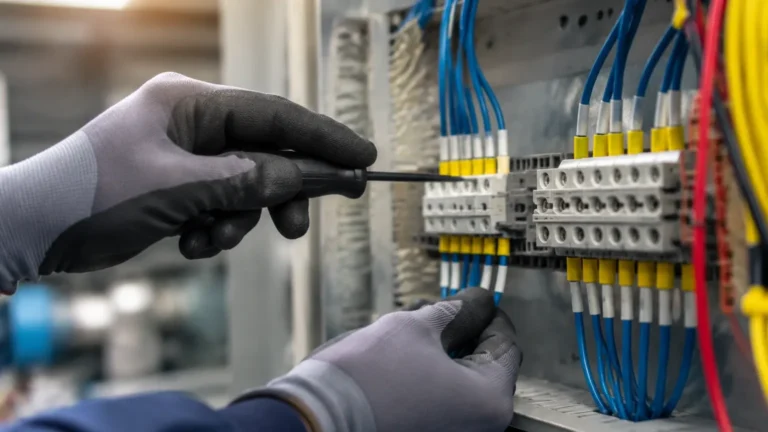
3. Wiring and Isolation: Always ensure that the cable entry points face downward to prevent moisture from entering the switch box via the conduit. Using a drip loop in the wiring is a standard engineering best practice.
4. Pressure Testing: After installation, the system must be pressure tested. For CO2 systems, this is particularly critical as operating pressures can exceed 100 bar. Ensure that the switch gaskets and seals are compatible with the test pressure.
Maintenance and Troubleshooting Common Issues
While modern level switches are designed for low maintenance, periodic inspections are necessary, especially in systems handling contaminated media or high-viscosity oils.
Mechanical Sticking
In float switches, the most common failure mode is mechanical sticking. This is often caused by oil sludge or debris accumulating in the float chamber. Regular flushing of the chamber can prevent this. If a switch fails to trigger, the first step is to manually check the float movement if the design allows, or use a magnet to simulate the float's position for magnetic switches.
Signal Interference
For electronic level switch danfoss models, signal interference can occur if the probe is installed too close to a metal wall or another internal tank structure. Most electronic sensors require a minimum clearance (usually 10 mm to 20 mm) from any metallic surface to function correctly.
Contact Wear
In electromechanical switches, the internal relay or microswitch has a finite lifespan, typically measured in hundreds of thousands of cycles. If the switch is controlling a pump directly without a secondary relay, the high inrush current can weld the contacts together. Always use an interposing relay for high-load applications.
Limitations and Considerations
Despite their reliability, level switches have inherent limitations. They cannot provide data on the volume of liquid in a tank; they only confirm if the liquid is at the sensor's height. If your application requires inventory management or precise percentage-based control, a continuous level transmitter (such as a radar or ultrasonic sensor) should be used in conjunction with a level switch for high-level alarm redundancy.
Furthermore, extreme foam can be a challenge for both optical and electronic switches. Foam can sometimes be detected as liquid, leading to a "false positive" reading. In such cases, specialized tuning or a different sensing technology, like a magnetic level gauge with a switch, may be more appropriate.
Frequently Asked Questions about Level Switches
Q: Can a level switch danfoss be used for both high and low-level detection?
A: Yes. Most switches can be configured as "Normally Open" (NO) or "Normally Closed" (NC). For high-level detection, the switch triggers when the liquid rises to the probe. For low-level detection, it triggers when the liquid falls below the probe.
Q: What is the advantage of an electronic switch over a float switch?
A: Electronic switches have no moving parts, making them more resistant to vibration and mechanical wear. They also tend to be more compact and can be mounted in any orientation, whereas float switches usually require vertical mounting.
Q: Are these switches compatible with ammonia (R717)?
A: Many Danfoss-style switches are specifically designed for ammonia. However, you must verify that the materials in contact with the media (wetted parts) are made of stainless steel or other ammonia-resistant alloys. Brass and copper must be avoided.
Q: How often should I calibrate my level switch?
A: Mechanical float switches generally do not require calibration once installed correctly. Electronic switches may require an initial "teach-in" or calibration to the specific dielectric constant of the fluid, especially if the media is changed.
Conclusion
Selecting a level switch danfoss or a comparable industrial Level Switches solution requires a balance of technical specification and application knowledge. Whether opting for the proven mechanical reliability of a float switch or the advanced features of an electronic sensor, engineers must prioritize pressure ratings, media compatibility, and correct installation. By adhering to these engineering principles, process plants can ensure high uptime and robust protection for their critical refrigeration and industrial automation systems.