Level Switches – Hs Code
Level Switches – Hs Code
In the realm of industrial automation and process control, the accurate detection of liquid or solid levels is critical for safety, efficiency, and inventory management. While engineers focus on the technical specifications of Level Switches, procurement and logistics departments must navigate the complexities of international trade. A central component of this process is identifying the correct level switches – hs code (Harmonized System code) to ensure regulatory compliance, accurate duty assessment, and smooth customs clearance.
This guide provides a comprehensive overview of level switch technologies, selection criteria, and the specific HS code classifications used in global shipping. By understanding both the physical measurement principles and the administrative requirements, organizations can optimize their supply chain for industrial instrumentation.
Understanding Level Switch Measurement Principles
Before determining the classification or application of a level switch, it is essential to understand how these devices function. Level switches are point-level sensors that provide a discrete output (usually a relay or transistor signal) when a material reaches a specific height in a tank or vessel.
1. Float Level Switches
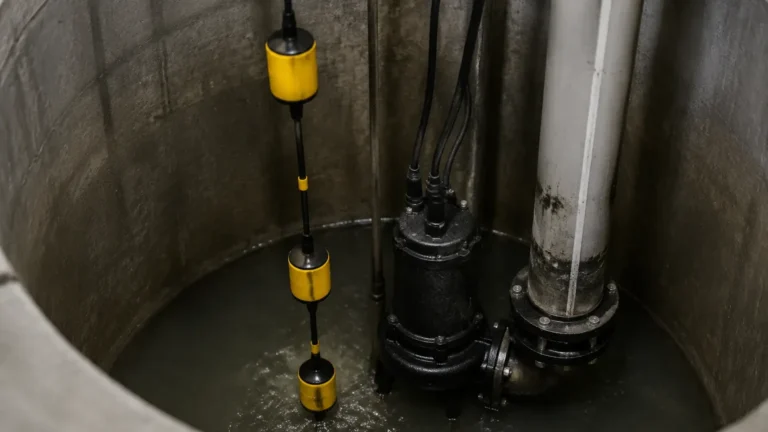
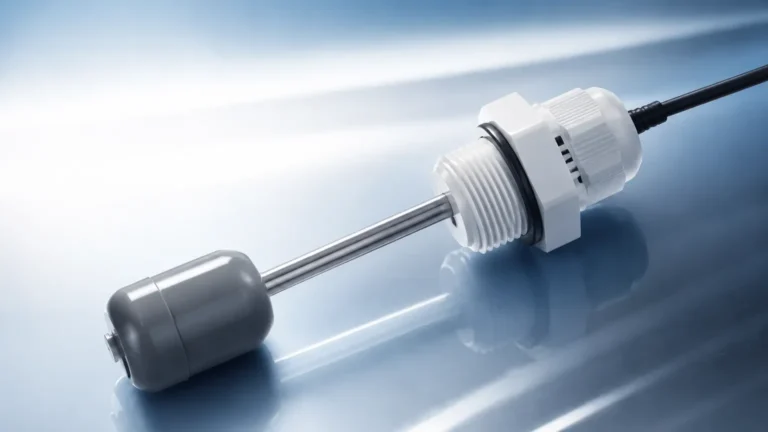
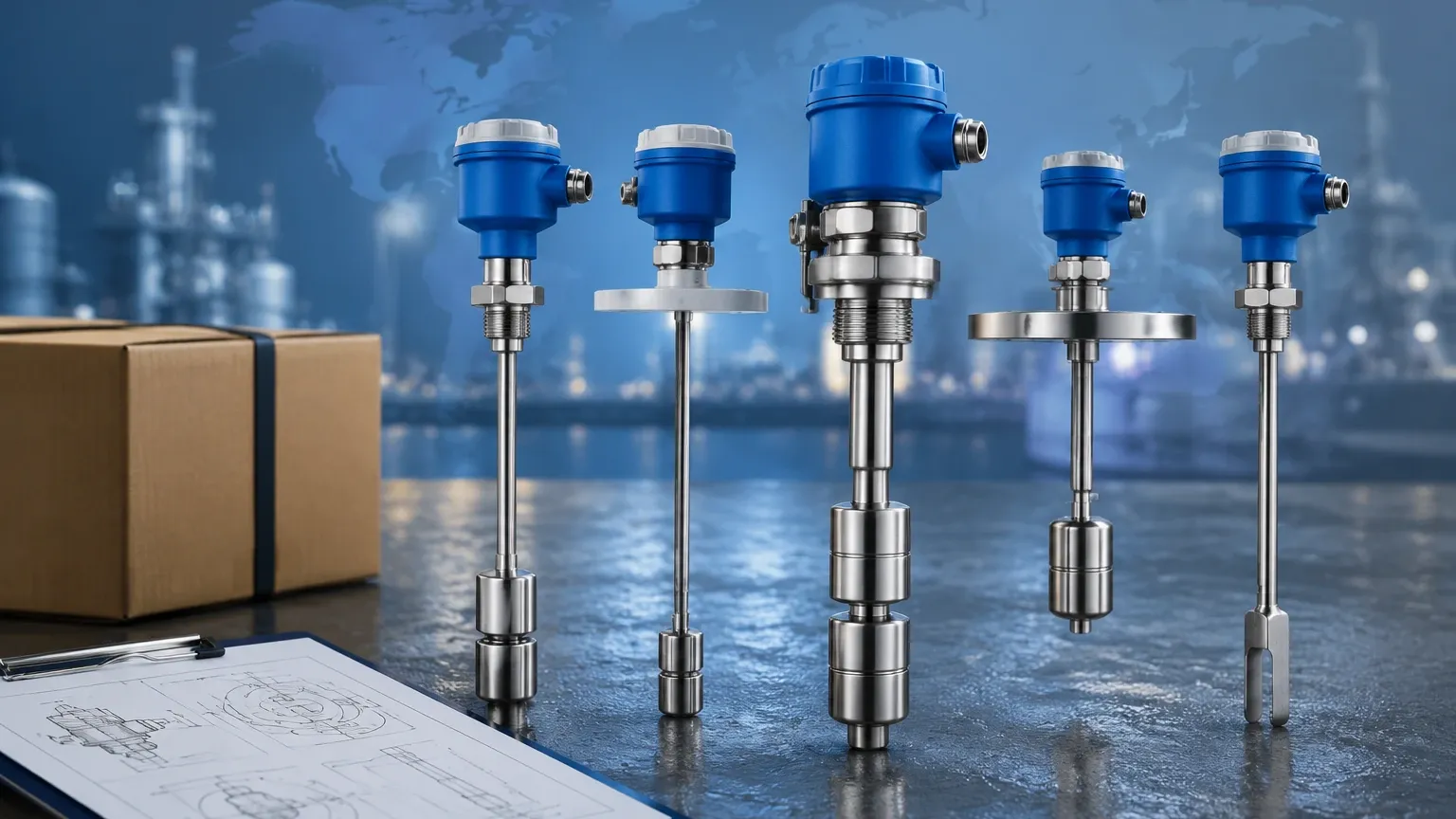
Float switches operate on the principle of buoyancy. A float containing a magnet moves with the liquid level. When the float reaches a predetermined point, the magnetic field actuates a reed switch located inside the stationary stem. These are widely used in water treatment and simple chemical storage due to their low cost and reliability.
2. Vibrating Tuning Fork Switches
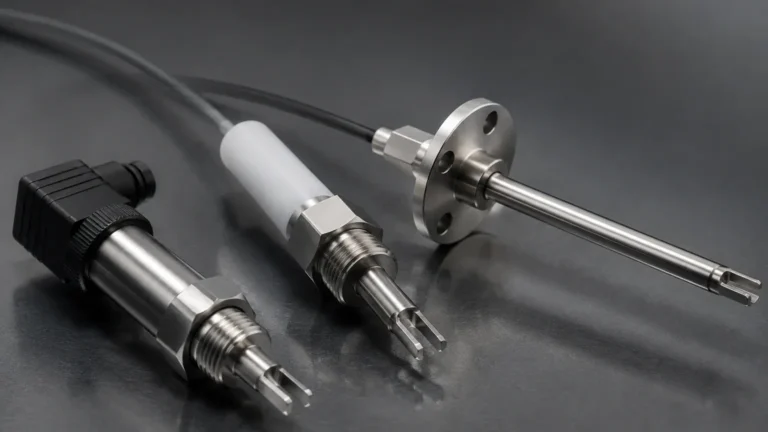
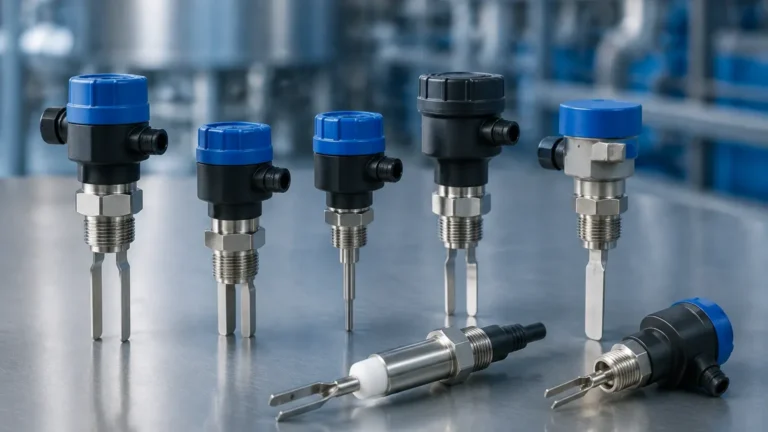
The sensor consists of two tines that vibrate at their natural resonant frequency in air. When the tines are covered by a liquid or solid, the frequency shifts. The electronics detect this change and trigger the switch output. These are highly versatile and resistant to turbulence, bubbles, and foam.
3. Capacitance Level Switches
These sensors measure the change in electrical capacitance between the probe and the tank wall (or a reference probe). As the medium displaces air, the dielectric constant changes, altering the capacitance. This technology is effective for both liquids and solids, including powders and granules.
4. Ultrasonic Level Switches
Ultrasonic switches emit a high-frequency sound wave across a gap in the sensor head. If the gap is filled with liquid, the sound wave travels through; if it is filled with air/gas, the signal is attenuated. This non-contact or gap-contact method is ideal for corrosive or viscous fluids.
5. Rotary Paddle Switches
Used primarily for bulk solids, a small motor slowly rotates a paddle. When the material reaches the paddle, it creates resistance, causing the motor to pivot and actuate a microswitch. This is a robust solution for silos containing grain, sand, or plastic pellets.
Identifying the Correct HS Code for Level Switches
The Harmonized System (HS) is an internationally standardized system of names and numbers to classify traded products. For level measurement instruments, the classification generally falls under Chapter 90 (Optical, photographic, measuring, checking, medical instruments) or Chapter 85 (Electrical machinery and equipment).
Primary Classification: HS Code 9026.10
The most common classification for industrial level switches is 9026.10. This category covers "Instruments and apparatus for measuring or checking the flow or level of liquids."
* 9026.10.20: Often refers to electronic or automated level checking instruments.
* 9026.10.50: May cover non-electronic variants, such as mechanical float systems.
Alternative Classification: HS Code 8536.50
In some jurisdictions, if a level switch is viewed primarily as an electrical component (a switch) rather than a measuring instrument, it may be classified under 8536.50 ("Other switches for a voltage not exceeding 1,000 V"). However, for modern industrial sensors with integrated electronics, 9026 is typically the preferred and more accurate heading.
Why the Correct HS Code Matters:
1. Duty Rates: Different codes carry different import tariffs. Misclassification can lead to overpayment or underpayment, the latter resulting in fines.
2. Trade Agreements: Preferential tariffs under free trade agreements (FTAs) are tied to specific HS codes.
3. Import Restrictions: Certain codes may require additional certifications (e.g., ATEX, IECEx for hazardous areas) to be presented at customs.
Practical Selection Table for Level Switches
Choosing the right technology depends on the medium properties, tank environment, and required output. The following table summarizes common applications for Welk level switches.
| Technology | Suitable Media | Pressure Range | Temperature Range | Key Advantage |
| :— | :— | :— | :— | :— |
| Float Switch | Clean liquids, water | Up to 20 bar | -20°C to 120°C | Low cost, no power required |
| Tuning Fork | Liquids, slurries, powders | Up to 40 bar | -40°C to 150°C | Maintenance-free, high reliability |
| Capacitance | Acids, alkalis, solids | Up to 25 bar | -40°C to 200°C | Handles high temperatures |
| Rotary Paddle | Bulk solids, grains | Atmospheric | -20°C to 80°C | Robust for heavy solids |
| Conductivity | Conductive liquids | Up to 10 bar | Up to 100°C | Simple for multi-point detection |
Installation Considerations and Best Practices
Correct installation is as vital as selecting the right level switches – hs code for logistics. Improper mounting can lead to false triggers or mechanical failure.
1. Orientation and Placement
* Vertical vs. Horizontal: Float switches are often mounted vertically from the top, while tuning forks can be mounted horizontally on the side of the tank. Ensure there is enough clearance for the probe or float to move freely.
* Avoid Dead Zones: Do not install switches directly in the path of the filling stream. The force of the incoming material can damage the sensor or cause erratic readings.
2. Turbulence and Agitation
In tanks with agitators or high turbulence, use a stilling well (a perforated pipe) to protect float switches. For vibrating forks, ensure the tines are oriented so that the liquid can drain off easily and not get trapped, which could cause a "sticky" signal.
3. Wiring and Protection
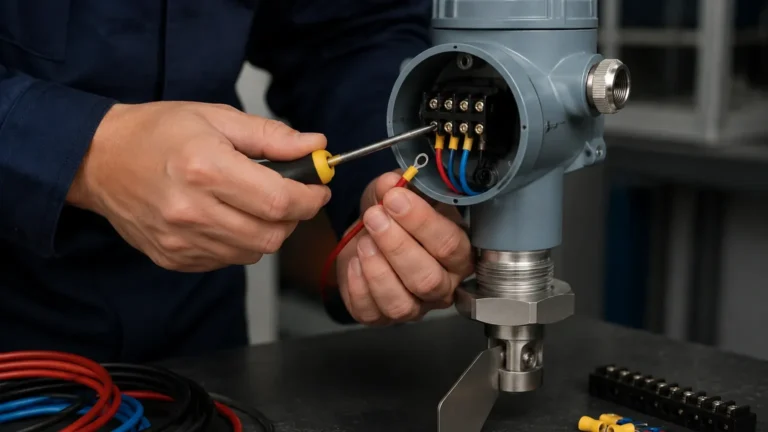
Use shielded cables for electronic switches to prevent electromagnetic interference (EMI). Always implement a "drip loop" in the cabling to prevent moisture from entering the housing through the cable gland. In hazardous environments, ensure the switch is wired through an intrinsic safety barrier if required by the local electrical code.
Limitations and Common Challenges
While level switches are robust, they are not universal solutions. Engineers must be aware of the following limitations:
* Coating and Buildup: Capacitance and tuning fork switches can be affected by material buildup. While many modern Welk sensors feature "coating rejection" logic, extreme buildup of sticky resins or mud may still cause false positives.
* Specific Gravity: Float switches rely on the density of the liquid. If the liquid's specific gravity is lower than the float's design (e.g., < 0.7 g/cm³), the float will not rise.
* Material Compatibility: The wetted parts (Stainless Steel 304/316, PTFE, PP) must be chemically compatible with the process medium to prevent corrosion.
Common Risks in Procurement and Logistics
When ordering level switches internationally, several risks can delay project timelines:
1. Documentation Discrepancies: Ensure the HS code on the Commercial Invoice matches the code on the Packing List and Certificate of Origin. Discrepancies are a leading cause of customs holds.
2. Incomplete Specifications: Failing to specify the thread type (NPT vs. BSP) or voltage requirements (AC vs. DC) can lead to receiving unusable equipment, requiring costly returns across international borders.
3. Regulatory Compliance: For shipments to Europe, CE marking is mandatory. For North America, UL or CSA certification may be required. Verify that the manufacturer provides these documents along with the technical manual.
Frequently Asked Questions (FAQ)
What is the most common HS code for a magnetic level switch?
Most magnetic level switches are classified under 9026.10.20 as they are considered instruments for checking the level of liquids.
Can I use the same HS code for liquid and solid level switches?
Generally, yes. However, some customs authorities may classify rotary paddle switches (for solids) under 8536.50 because they function more like a mechanical limit switch, whereas liquid sensors are almost always in Chapter 90.
How do I handle HS code classification for OEM/ODM orders?
When Welk provides customized OEM services, the classification remains based on the final function of the device. It is recommended to consult with a licensed customs broker to confirm the sub-heading based on the specific country of import.
Are there different codes for hazardous area switches?
No, the HS code remains the same regardless of the explosion-proof rating. However, the accompanying documentation must include the relevant ATEX or IECEx certificates to pass inspection.
Why is my shipment delayed at customs despite having the correct HS code?
Customs may still hold a shipment to verify the "Value" or "Country of Origin." Ensure that the manufacturer’s invoice clearly states the unit price, total value, and that the goods are marked with their origin.
Conclusion
Navigating the technical and administrative aspects of level measurement requires a dual focus. While selecting the right technology—be it a tuning fork for slurries or a float for water—ensures process reliability, correctly identifying the level switches – hs code ensures that these critical components arrive on site without unnecessary costs or delays.
For engineers and procurement specialists looking for reliable, accurate, and cost-effective measurement solutions, it is essential to partner with a manufacturer that understands both the physics of the measurement and the requirements of global trade. For more detailed technical specifications and to explore our range of products, please refer to the official documentation for Level Switches.