Level Sensor Audi Q7
Level Sensor Audi Q7
In the realm of precision engineering, level measurement serves as a critical feedback mechanism for both automotive systems and industrial process control. The term "level sensor Audi Q7" typically refers to the sophisticated array of sensors used in high-end vehicles to monitor chassis height, engine oil levels, and headlight leveling. While these automotive components are highly specialized for the vehicular environment, they share fundamental physical principles with the industrial instruments used in water treatment, chemical processing, and automation.
Understanding the mechanics behind these sensors is essential for engineers and procurement specialists who must distinguish between consumer-grade automotive sensors and heavy-duty industrial Level Switches or transmitters. This article explores the measurement principles, application contexts, and selection criteria for level sensing technology, using the Audi Q7's systems as a benchmark for high-performance integration.
Principles of Level Measurement in Complex Systems
Before selecting a sensor for a specific application, it is vital to understand the physics that govern level detection. Level measurement is generally categorized into two types: point level detection and continuous level measurement.
1. Ultrasonic Level Sensing
Ultrasonic sensors operate on the "time-of-flight" principle. The sensor emits a high-frequency sound pulse (usually between 20 kHz and 200 kHz) that travels through the air, reflects off the surface of the liquid or solid media, and returns to the transducer. By measuring the time taken for the echo to return, the system calculates the distance based on the speed of sound. In automotive applications like the Audi Q7, this technology is often employed for oil level monitoring because it is non-contact and highly accurate even in turbulent environments.
2. Hall Effect and Magnetic Sensing
The level sensor Audi Q7 uses for ride height adjustment is typically a Hall effect sensor. This principle involves measuring the voltage variation across a conductor when a magnetic field is applied perpendicular to the current flow. In a vehicle suspension, a mechanical linkage translates the vertical movement of the control arm into a rotational movement of a magnet. The sensor detects this change in the magnetic field to determine the exact position of the chassis. In industrial settings, this principle is mirrored in magnetic level gauges and certain types of float switches.
3. Capacitive Level Measurement
Capacitive sensors treat the tank and the probe as two electrodes of a capacitor. As the level of the medium changes, the dielectric constant between the electrodes changes, leading to a measurable shift in capacitance. This method is effective for both liquids and solids and is frequently used in industrial applications where high pressure or extreme temperatures prevent the use of mechanical floats.
4. Hydrostatic Pressure Sensing
This principle relies on the relationship between the height of a liquid column and the pressure it exerts at the base ($P = \rho gh$, where $P$ is pressure, $\rho$ is density, $g$ is gravity, and $h$ is height). By measuring the pressure at the bottom of a tank, the system can determine the liquid level. This is a staple in industrial water treatment and fuel storage, providing a robust solution for deep tanks.
Analyzing the Level Sensor Audi Q7 Applications
The Audi Q7 utilizes level sensors in three primary capacities, each requiring high precision and durability under high-vibration conditions.
Suspension Height Sensors
The Audi Q7 is renowned for its adaptive air suspension. Each wheel is equipped with a level sensor that provides real-time data to the suspension control unit. If the vehicle is loaded with heavy cargo, the sensors detect the compression and signal the air compressor to increase pressure in the air springs, maintaining a level ride height. This is a form of dynamic level control that requires rapid response times and resistance to road salt, moisture, and mechanical shock.
Engine Oil Level Monitoring
Modern luxury SUVs have replaced traditional dipsticks with electronic oil level sensors. These are often located in the oil pan and use ultrasonic or thermal-conductive principles to provide a digital readout to the driver. This ensures that the engine operates within the optimal lubrication range, preventing damage from low oil levels or aeration from overfilling.
Headlight Leveling Sensors
To prevent blinding oncoming traffic, the Audi Q7 uses axle-mounted level sensors to adjust the aim of the Xenon or LED headlights. If the rear of the car sits lower due to passengers or towing, the sensors trigger a motor in the headlight assembly to tilt the beam downward. This application demonstrates the importance of "point level" logic in maintaining safety standards.
Comparative Analysis: Automotive vs. Industrial Level Switches
While the "level sensor Audi Q7" represents the pinnacle of automotive integration, industrial environments demand a different set of specifications. Industrial Level Switches are designed for longevity in corrosive, high-pressure, and hazardous locations.
| Feature | Automotive (Audi Q7 Style) | Industrial (Welk Standards) |
| :— | :— | :— |
| Primary Goal | Driver comfort and vehicle safety | Process automation and spill prevention |
| Media Type | Oil, coolant, air (suspension) | Acids, wastewater, chemicals, granular solids |
| Housing Material | High-strength plastics, composite | Stainless steel (316L), PTFE, Hastelloy |
| Output Signal | PWM, CAN-bus, Analog (0-5V) | 4-20mA, HART, Modbus, Relay contact |
| Operating Temp | -40°C to +125°C | -196°C to +450°C (specialized models) |
| Pressure Rating | Low (atmospheric to 10 bar) | Up to 400 bar (40 MPa) |
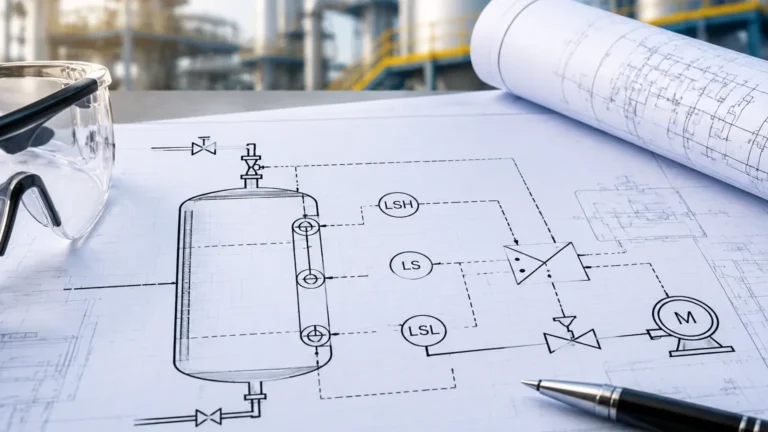
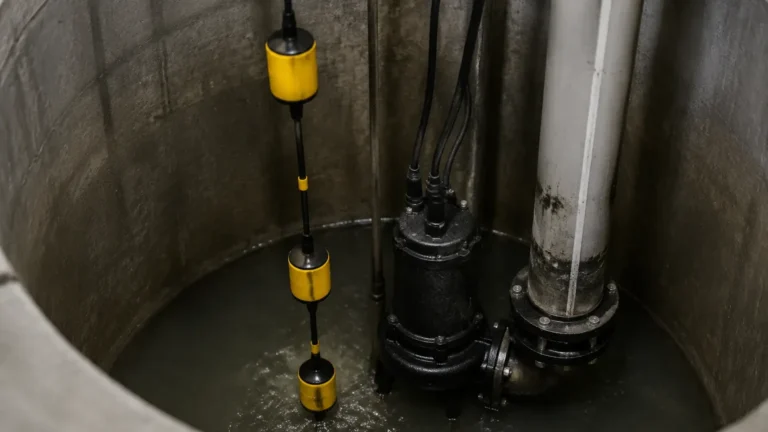
In industrial plants, a level switch often serves as a redundant safety device. For example, while a radar level meter provides continuous data on the volume of a chemical tank, a vibrating tuning fork level switch acts as a "High-High" alarm to physically cut off the inflow pump if the level reaches a dangerous threshold. This level of reliability is critical in preventing environmental contamination and equipment damage.
Selection Table for Level Measurement Technologies
Choosing the right technology requires balancing accuracy, cost, and media compatibility. The following table provides a guide for common industrial and high-end automotive-adjacent applications.
| Technology | Best For | Advantages | Limitations |
| :— | :— | :— | :— |
| Radar (GWR/Non-contact) | Corrosive liquids, high tanks | Extremely accurate, unaffected by vapor | Higher initial cost |
| Ultrasonic | Water treatment, oil levels | Non-contact, cost-effective | Affected by foam and heavy dust |
| Vibrating Fork | Overfill protection (Liquids/Solids) | Maintenance-free, robust | Point level only (no continuous data) |
| Magnetic Float | Fuel tanks, oil-water interface | Simple, no power required for basic models | Moving parts can stick in dirty media |
| Hydrostatic | Deep wells, vented tanks | Easy installation, reliable | Dependent on constant fluid density |

Installation Considerations for High-Precision Sensors
Whether installing a replacement level sensor on an Audi Q7 or commissioning a series of industrial level switches in a factory, certain engineering protocols must be followed to ensure accuracy.
1. Alignment and Orientation: For ultrasonic and radar sensors, the transducer must be perfectly perpendicular to the liquid surface. A deviation of even a few degrees can result in signal loss or "ghost" echoes from tank walls. In the case of the Audi Q7 suspension sensor, the mechanical linkage must be calibrated to the "zero point" of the chassis to ensure the air suspension reacts correctly.
2. The Dead Zone (Blocking Distance): All non-contact sensors have a "dead zone" directly beneath the sensor face where measurements cannot be taken. In industrial tank design, the sensor must be mounted high enough that the maximum fill level never enters this zone.
3. Turbulence and Foam: In applications involving agitators or high-flow inlets, turbulence can scatter ultrasonic signals. In such cases, a stilling well (a bypass pipe) is used to provide a calm surface for measurement. Automotive oil sensors are similarly baffled to prevent false readings during cornering or braking.
4. Environmental Protection: Sensors must be rated for their environment. Automotive sensors require high IP ratings (IP67 or IP69K) to withstand high-pressure washing and road debris. Industrial sensors in chemical plants may require ATEX or IECEx certification for explosive atmospheres.
Limitations and Maintenance of Level Sensing Equipment
No sensor is universal. Understanding the limitations is key to long-term operational success.
* Temperature Compensation: The speed of sound changes with temperature. High-quality ultrasonic sensors, including those used for oil level monitoring, include an integrated temperature sensor to calibrate the distance calculation in real-time.
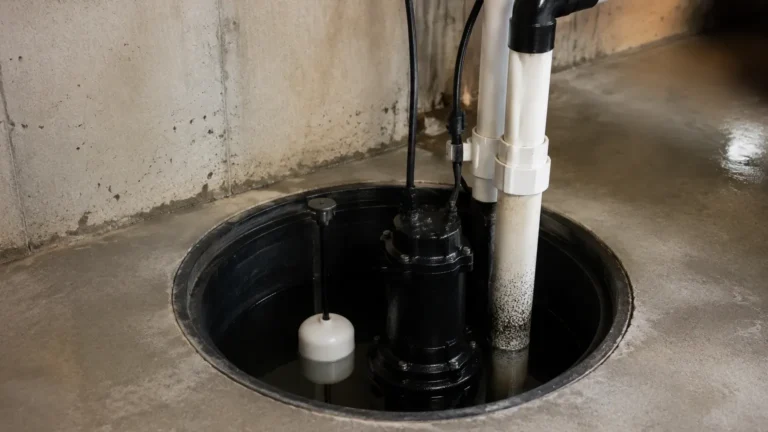
* Build-up and Coating: In industrial wastewater or heavy oil applications, material can build up on the sensor face. While some Level Switches (like tuning forks) can ignore a certain amount of coating, others may fail. Regular inspection and cleaning schedules are necessary for contact-based sensors.
* Mechanical Wear: Sensors with moving parts, such as float switches or the mechanical arms on an Audi Q7's height sensor, are subject to wear over hundreds of thousands of cycles. In critical industrial processes, non-contact solid-state sensors are preferred to reduce the mean time between failures (MTBF).
Frequently Asked Questions (FAQ)
Q: Can I use an automotive level sensor for an industrial water tank?
A: Generally, no. Automotive sensors are designed for specific voltage ranges (typically 5V or 12V) and communication protocols (CAN-bus) that are not compatible with standard industrial PLCs (Programmable Logic Controllers) which use 24V DC and 4-20mA loops. Furthermore, automotive housings are not designed for the chemical compatibility required in industrial tanks.
Q: Why is my level sensor giving erratic readings?
A: Erratic readings are often caused by electrical interference (EMI), surface turbulence, or foam. Ensure that the sensor cable is shielded and routed away from high-voltage power lines. If foam is present, consider switching from ultrasonic to a guided wave radar or a hydrostatic pressure sensor.
Q: How often should level switches be calibrated?
A: For safety-critical applications, such as overfill prevention, annual calibration and "proof testing" are recommended. For standard process monitoring, calibration intervals can be extended based on the stability of the media and the sensor technology used.
Q: What is the difference between a level sensor and a level switch?
A: A level sensor (or transmitter) provides continuous data, telling you exactly how much liquid is in the tank (e.g., 45%). A level switch is a binary device that triggers an action (on/off) when a specific point is reached, such as stopping a pump when a tank is full.
By integrating the high standards of automotive engineering seen in the Audi Q7 with the robust requirements of industrial automation, operators can ensure that their level measurement systems provide the accuracy and reliability needed for modern process control.