Level Sensor Jeep Grand Cherokee
Level Sensor Jeep Grand Cherokee
In both automotive engineering and industrial process control, the ability to accurately monitor fluid levels or mechanical positions is fundamental to system safety and performance. The level sensor Jeep Grand Cherokee owners and technicians frequently encounter—specifically those related to air suspension and fuel systems—shares many underlying physical principles with high-precision industrial Level Switches. Understanding these technologies is essential for maintenance, troubleshooting, and selecting the right instrumentation for specialized applications.
This guide examines the measurement principles behind level sensing, the specific implementation in automotive platforms like the Jeep Grand Cherokee, and how these concepts scale into the robust world of industrial level measurement.
Measurement Principles: From Automotive to Industrial
Before selecting a sensor or switch, it is vital to understand the physics of the measurement. Level sensors generally fall into two categories: continuous level measurement (providing a constant stream of data) and point level detection (indicating when a specific threshold has been reached).
1. Potentiometric and Resistance-Based Sensing
Most traditional automotive level sensors, including those used for fuel in the Jeep Grand Cherokee, utilize a potentiometric principle. A float is attached to a metal arm that moves across a resistor card. As the fluid level changes, the resistance varies, changing the voltage signal sent to the Electronic Control Unit (ECU).
In industrial settings, this is often replaced by more durable technologies, though the concept of variable resistance remains in some magnetic level gauges where a float moves along a tube containing a series of reed switches and resistors.
2. Hall Effect and Magnetic Sensing
Modern ride height sensors (often referred to as level sensors) in the Jeep Grand Cherokee Quadra-Lift suspension system frequently utilize the Hall Effect. These sensors measure the position of a rotating magnet relative to a stationary semiconductor. This non-contact method is preferred because it eliminates mechanical wear within the sensor housing.
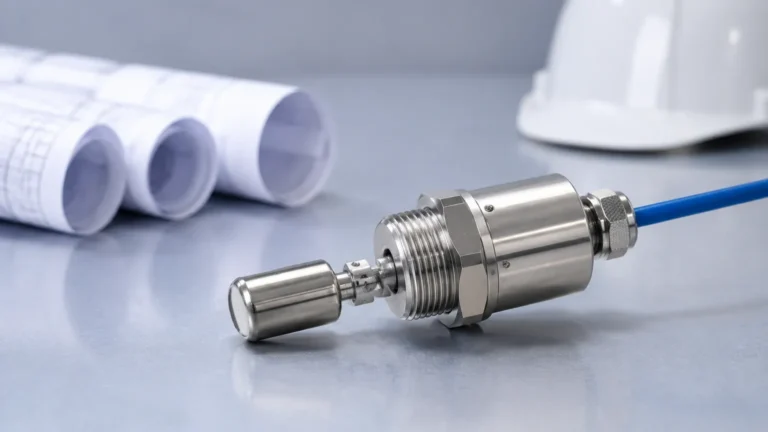
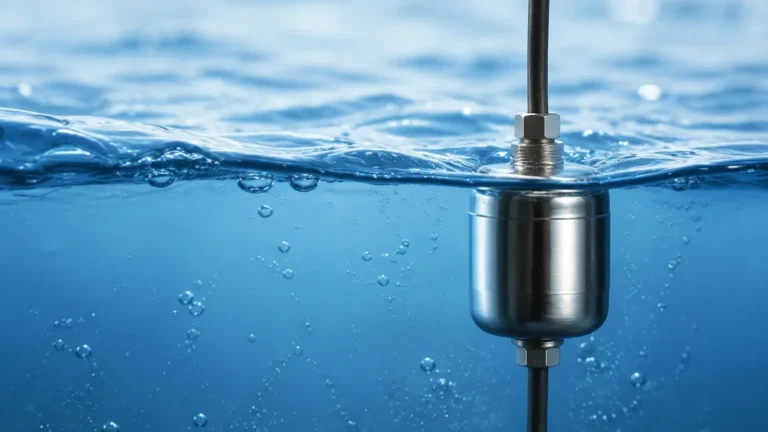
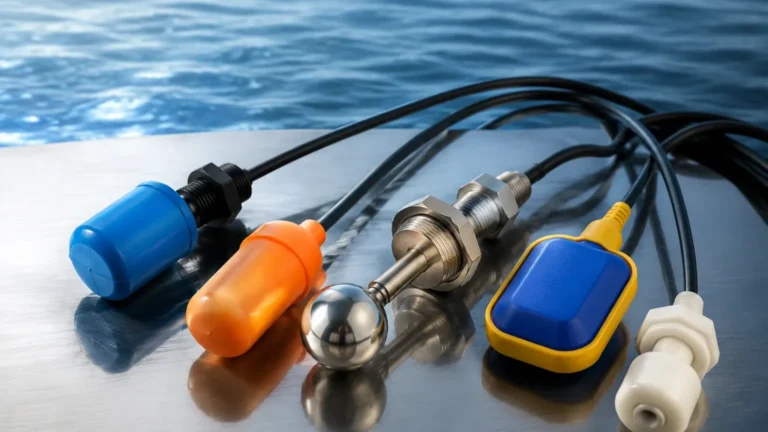
Industrial Level Switches often employ similar magnetic principles, such as magnetic float switches, where a magnet inside a float triggers a stationary reed switch at a specific point (e.g., high-level alarm).
3. Ultrasonic and Radar Time-of-Flight
While less common in standard passenger vehicles, ultrasonic sensors are used in advanced automotive parking systems and some specialized industrial-grade vehicle tanks. These sensors emit a high-frequency sound pulse that reflects off the surface of the medium. The time taken for the echo to return (Time-of-Flight) determines the distance.
Industrial radar level meters operate on a similar principle but use electromagnetic waves, allowing them to function in vacuums, high temperatures, and dusty environments where ultrasonic waves might fail.
The Level Sensor in the Jeep Grand Cherokee Context
In the context of the Jeep Grand Cherokee, "level sensor" typically refers to one of two critical components: the Fuel Level Sensor or the Ride Height (Air Suspension) Level Sensor.
Fuel Level Sensors
The fuel level sensor is part of the fuel pump assembly. It must withstand constant immersion in gasoline or diesel. The primary challenge here is the corrosive nature of modern biofuels and the mechanical vibration of the vehicle. If the sensor fails, the driver may experience erratic fuel gauge readings or a "check engine" light due to fuel system performance codes.
Ride Height Sensors
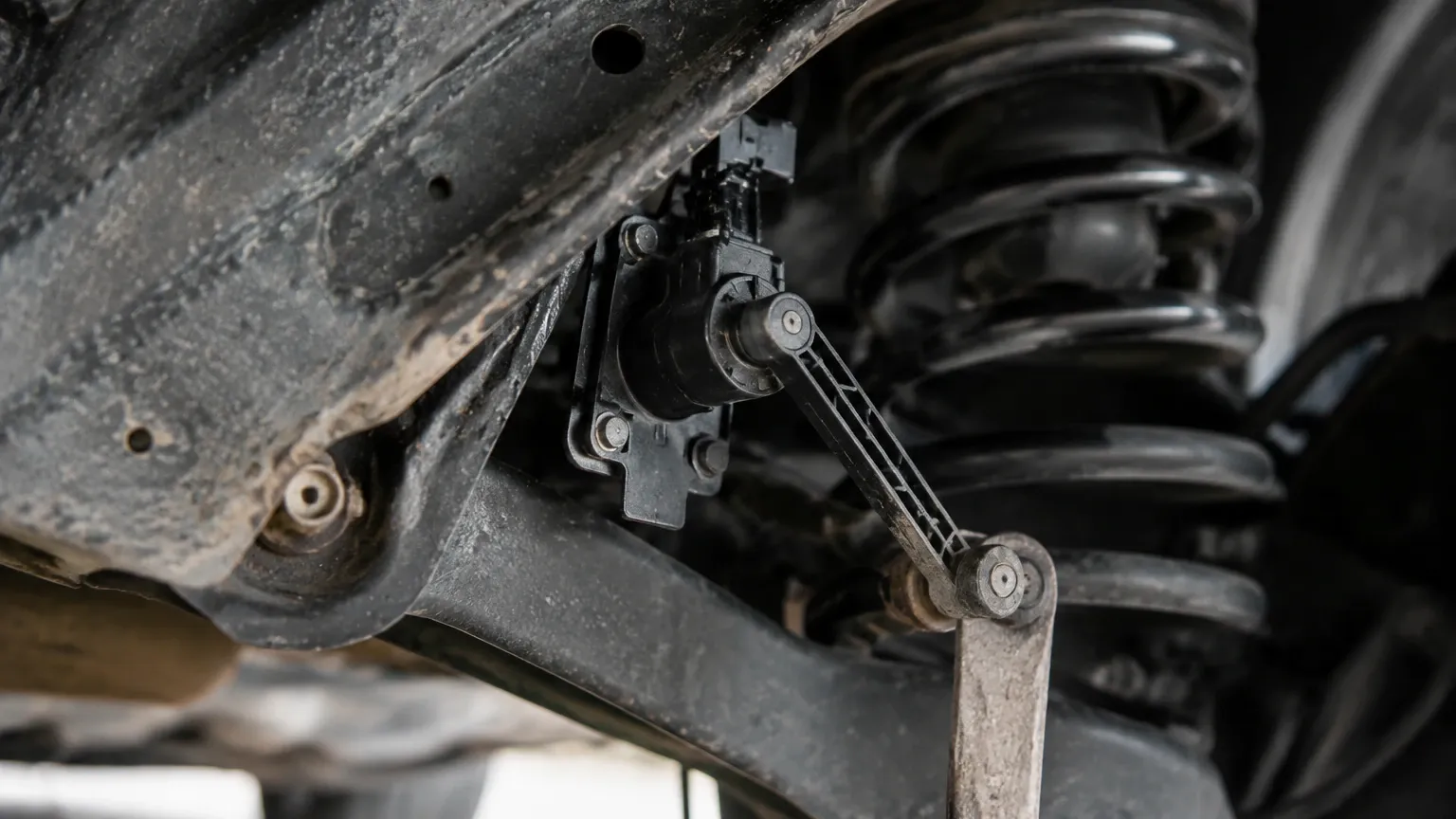
For models equipped with air suspension, the level sensor Jeep Grand Cherokee uses is a small linkage-driven device mounted to the frame and connected to the control arms. These sensors monitor the distance between the chassis and the axle. The ECU uses this data to adjust air pressure in the springs, maintaining a level stance regardless of load or terrain.
Common Technical Specifications for Jeep Level Sensors:
* Input Voltage: Typically 5V DC (Reference voltage from the ECU).
* Signal Output: Analog voltage (0.5V to 4.5V) or Pulse Width Modulation (PWM).
* Ingress Protection: IP67 or higher to resist water, mud, and road salt.
* Operating Temperature: -40°C to +85°C.
Industrial Level Switches: Beyond the Automotive Grade
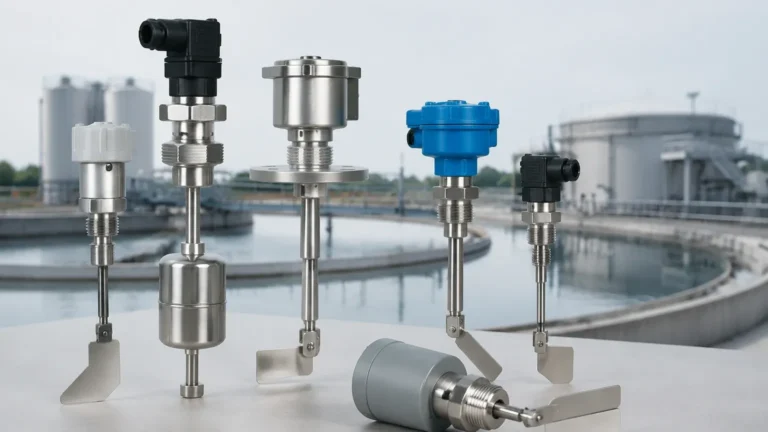
While automotive sensors are designed for high-volume production and specific vehicular environments, industrial Level Switches are engineered for much harsher conditions and higher reliability requirements. In industrial water treatment, chemical processing, and oil and gas, a sensor failure can lead to catastrophic tank overflows or pump damage.
Comparison Table: Automotive vs. Industrial Level Sensing
| Feature | Jeep Grand Cherokee Level Sensor | Industrial Level Switch (Welk) |
| :— | :— | :— |
| Primary Goal | Driver information / Ride comfort | Process safety / Pump control |
| Housing Material | Composite Plastic / PBT | Stainless Steel (316L) / Hastelloy |
| Pressure Rating | Atmospheric | Up to 100 bar (10 MPa) or higher |
| Signal Interface | CAN bus / Low-voltage Analog | 4-20mA / HART / Modbus / SPDT Relay |
| Mounting | Vehicle-specific brackets | NPT/G Thread, Flange, or Tri-clamp |
| Media Compatibility | Fuel, Oil, Air | Acids, Caustics, Slurries, Granular solids |
Selection Criteria for Level Measurement Instruments
When transitioning from a specific automotive replacement to selecting an industrial level instrument, engineers must evaluate several factors:
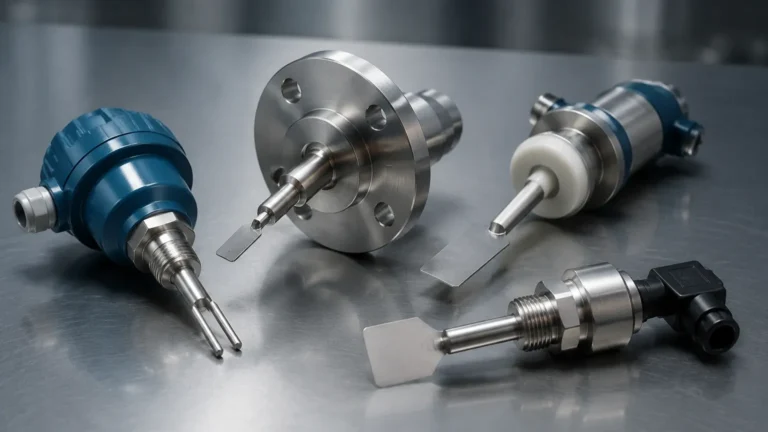
1. Media Properties: Is the liquid corrosive, viscous, or prone to foaming? For example, a tuning fork level switch is excellent for liquid detection but may struggle with highly viscous coatings.
2. Process Conditions: What are the maximum temperature and pressure? Industrial tanks often exceed the 100°C mark, requiring specialized cooling fins or high-temperature ceramics.
3. Accuracy vs. Repeatability: In automotive ride height, repeatability (returning to the same height) is critical. In industrial chemical dosing, absolute accuracy (measurement within ±1 mm) is often the priority.
4. Output Requirements: Do you need a simple "On/Off" signal (Point Level) or a continuous 0-100% reading (Continuous Level)? Level Switches are the cost-effective choice for overflow protection.
Installation and Maintenance Considerations
Proper installation is the most significant factor in sensor longevity, whether on a Jeep Grand Cherokee or a 50,000-liter storage tank.
Automotive Installation Tips
* Linkage Alignment: When replacing a Jeep height sensor, ensure the mechanical linkage is not bent. Even a 5 mm deviation can cause the air suspension to over-inflate one corner.
* Calibration: After installation, most vehicles require a "Ride Height Calibration" using a diagnostic scan tool to zero the system.
Industrial Installation Tips
* Avoid Dead Zones: Every sensor has a "blocking distance" or dead zone near the top. Ensure the probe length is calculated so the highest liquid level does not enter this zone.
* Turbulence Shielding: In tanks with agitators, use a stilling well or bypass pipe to protect the sensor from mechanical stress and surface turbulence.
* Grounding: Ensure the sensor housing is properly grounded to prevent static buildup, especially in hazardous (Ex) zones.
Common Risks and Limitations
All level sensing technologies have inherent limitations that must be accounted for during the design phase:
* Build-up and Scaling: In wastewater applications, material can build up on the sensor face. Capacitive sensors with "active shield" technology or non-contact radar are preferred here.
* Environmental Interference: For Jeep sensors, road salt and ice are the primary enemies, leading to connector corrosion. In industrial plants, electromagnetic interference (EMI) from large motors can distort analog signals (0-10V), which is why 4-20mA current loops are the industrial standard.
* Dielectric Constant: Many industrial level sensors (like guided wave radar) depend on the dielectric constant of the medium. If the medium changes from oil to water, the sensor may require recalibration.
Frequently Asked Questions (FAQ)
Q: Can I use an automotive level sensor for an industrial application?
A: Generally, no. Automotive sensors are designed for 5V or 12V DC systems and lack the pressure ratings, chemical resistance, and standardized industrial outputs (like 4-20mA) required for factory automation.
Q: Why does my Jeep Grand Cherokee level sensor fail repeatedly?
A: The most common causes are moisture ingress into the wiring harness and physical damage to the plastic linkage arms. In industrial terms, this is a failure of the ingress protection (IP) and mechanical housing.
Q: What is the best industrial alternative to a float switch?
A: For many applications, a tuning fork level switch or an ultrasonic sensor is a superior alternative, as they have no moving parts to jam or wear out.
Q: How do I calibrate a level sensor?
A: For automotive sensors, this is usually done via the vehicle's computer. For industrial sensors, calibration is performed via on-board buttons, a HART communicator, or a Bluetooth-connected mobile app.
Conclusion
Whether you are troubleshooting a level sensor Jeep Grand Cherokee air suspension system or designing a multi-stage industrial chemical tank, the core objective remains the same: reliable, accurate detection. While the automotive world prioritizes compact design and cost-efficiency for specific fluids, the industrial sector demands versatility and extreme durability. By understanding the principles of potentiometric, magnetic, and time-of-flight sensing, engineers can better maintain their equipment and select the appropriate Level Switches for any application.
For those managing industrial processes, confirming the chemical compatibility, pressure requirements, and electrical output before purchase is the most effective way to ensure long-term system uptime.