Level Switch Grundfos
Level Switch Grundfos
In industrial fluid management and wastewater treatment, the integration of reliable level control is paramount to ensuring pump longevity and process efficiency. When engineers search for a level switch Grundfos solution, they are typically looking for components that interface seamlessly with pumping systems to provide automated start/stop functionality, dry-run protection, or overflow alarms. Understanding the technical nuances of these switches, their measurement principles, and how they integrate into broader control architectures is essential for maintaining system integrity.
Level switches act as the primary sensory input for pump controllers. Whether managing a small sump pump or a large-scale industrial lift station, the choice of level detection technology dictates the reliability of the entire system. This guide explores the various technologies available, selection criteria, and practical installation considerations for level switches in the context of professional pumping applications.
Understanding Level Switch Principles in Pumping Systems
Before selecting a specific device, it is critical to understand the physical principles that govern level detection. Level switches are binary devices—they provide an "on" or "off" signal based on whether the liquid has reached a specific point. In the context of Grundfos systems, these signals are usually processed by a control box (such as the LC or LCD series) to manage pump operation.
Mechanical Float Principles
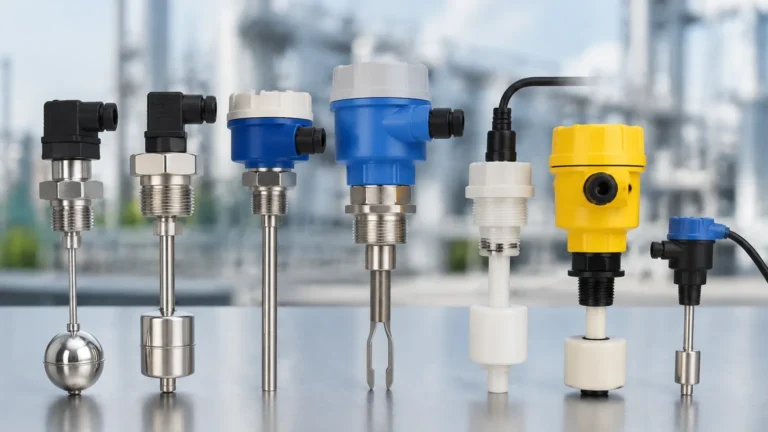
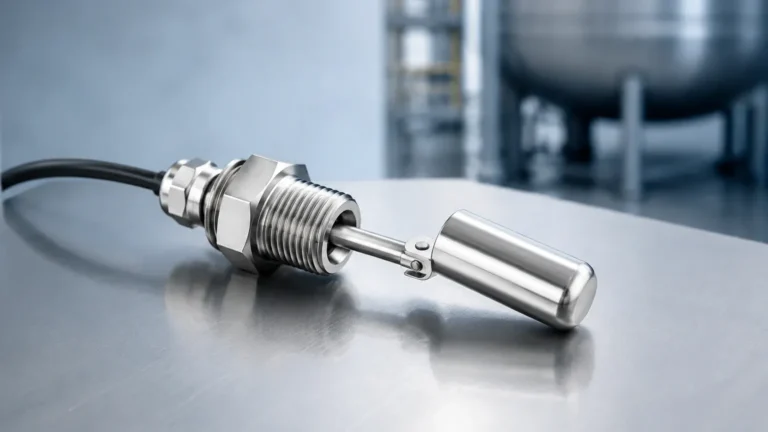
The most common technology is the displacement or tilt float switch. This device consists of a buoyant housing containing a microswitch or a metallic ball that moves to close a circuit when the float tilts. As the liquid level rises, the float changes orientation, triggering the switch at a predetermined height. This is a robust, low-cost solution ideal for wastewater and drainage.
Conductive Level Detection
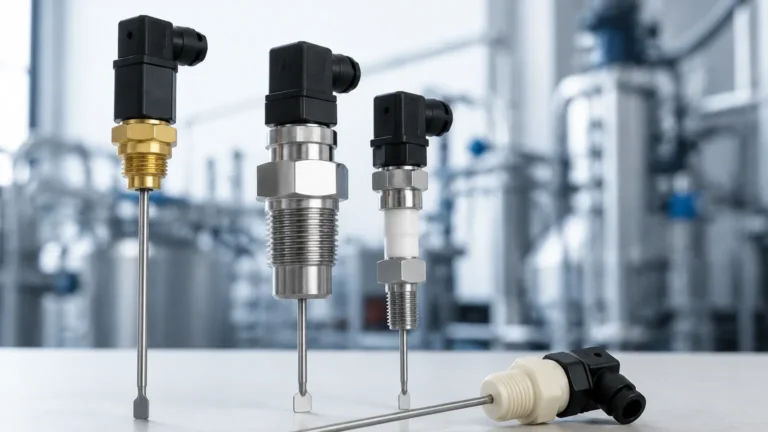
Conductive level switches use electrodes to detect the presence of liquid. When the liquid (which must be conductive) touches the electrode, it completes an electrical circuit between the probe and the tank wall (or a reference probe). This method is highly effective for point-level detection in clean water or chemical tanks where mechanical moving parts might be prone to fouling.
Ultrasonic Point Detection
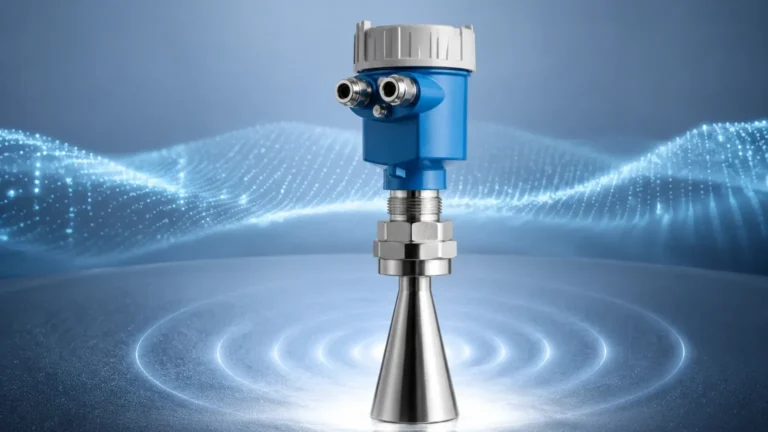
While often used for continuous measurement, ultrasonic sensors can be configured as level switches. They emit high-frequency sound waves that bounce off the liquid surface. The time-of-flight is calculated to determine the distance. In switching applications, the sensor triggers a relay when the distance reaches a specific setpoint. This non-contact method is preferred for corrosive or sticky media.
Hydrostatic Pressure Sensing
Hydrostatic sensors measure the weight of the liquid column above the sensor. While these are technically transmitters providing a 4-20mA signal, many Grundfos controllers use this data to perform switching functions. The pressure is directly proportional to the level (10 meters of water roughly equals 1 bar or 14.5 psi), allowing for high-precision switching without moving parts in the tank.
Types of Level Switches Used with Grundfos Pumps
Grundfos pumps, such as the Unilift, Multilift, and SE/SL series, utilize different switching technologies depending on the application environment and the sophistication of the control system.
| Switch Type | Common Application | Key Advantage |
| :— | :— | :— |
| Tilt Float Switch | Sump drainage, effluent tanks | Simple, cost-effective, no external power needed |
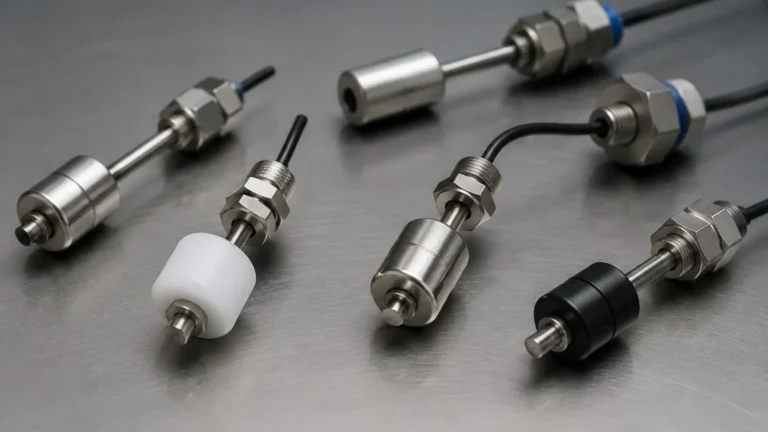
| Vertical Float Switch | Small tanks, clean water | Compact footprint, precise switching point |
| Conductivity Probes | Boiler feed, chemical dosing | No moving parts, high temperature resistance |
| Ultrasonic Sensors | Aggressive chemicals, wastewater | Non-contact, reduces maintenance in fouling media |
| Pressure Switches | Booster sets, well pumps | Reliable for high-pressure closed systems |
When designing a comprehensive automation system, selecting high-quality Level Switches ensures that the pump remains protected from adverse operating conditions like dry running or air binding.
Technical Selection Criteria for Industrial Level Switches
Selecting a level switch for a Grundfos-driven system requires more than just matching a part number. Engineers must evaluate several environmental and electrical factors to ensure long-term performance.
Media Characteristics
The nature of the fluid is the most significant factor. For wastewater containing solids or fibrous material, a robust tilt float with a smooth, non-clogging exterior is necessary. For potable water, materials must be food-grade (e.g., stainless steel or specialized polymers). If the media is corrosive, such as in chemical processing, the switch housing and cable material (PVC, PUR, or Neoprene) must be chemically resistant.
Temperature and Pressure
Standard float switches are often rated for temperatures up to 50°C (122°F). However, industrial processes may involve liquids at 90°C (194°F) or higher. In such cases, specialized high-temperature floats or non-contact ultrasonic sensors are required. Similarly, if the switch is installed in a pressurized vessel, the buoyancy and structural integrity of the float must be rated for the maximum system pressure.
Switching Differential (Hysteresis)
The switching differential is the distance between the "on" point and the "off" point. In pump-down applications, a larger differential prevents the pump from "cycling" (turning on and off too frequently), which can lead to motor burnout. For tilt floats, the differential is often adjusted by changing the length of the cable between the float and its anchor point.
Electrical Compatibility
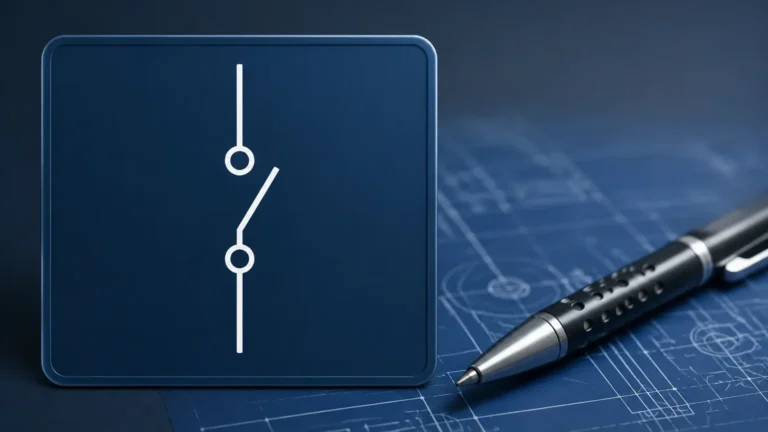
The switch must be compatible with the pump controller’s input. Most Grundfos controllers accept dry contacts (volt-free). However, installers must verify whether the application requires a "Normally Open" (NO) or "Normally Closed" (NC) configuration. NO switches are typically used for high-level alarms, while NC switches are used for dry-run protection.
Installation Guidelines and Best Practices
Correct installation is as important as the selection of the device itself. Poorly installed level switches are a leading cause of pump failure and system overflows.
1. Cable Positioning: For tilt float switches, ensure the cable is secured at a point that allows the float to move freely through its entire arc. The cable should be weighted or clipped to prevent it from being sucked into the pump intake.
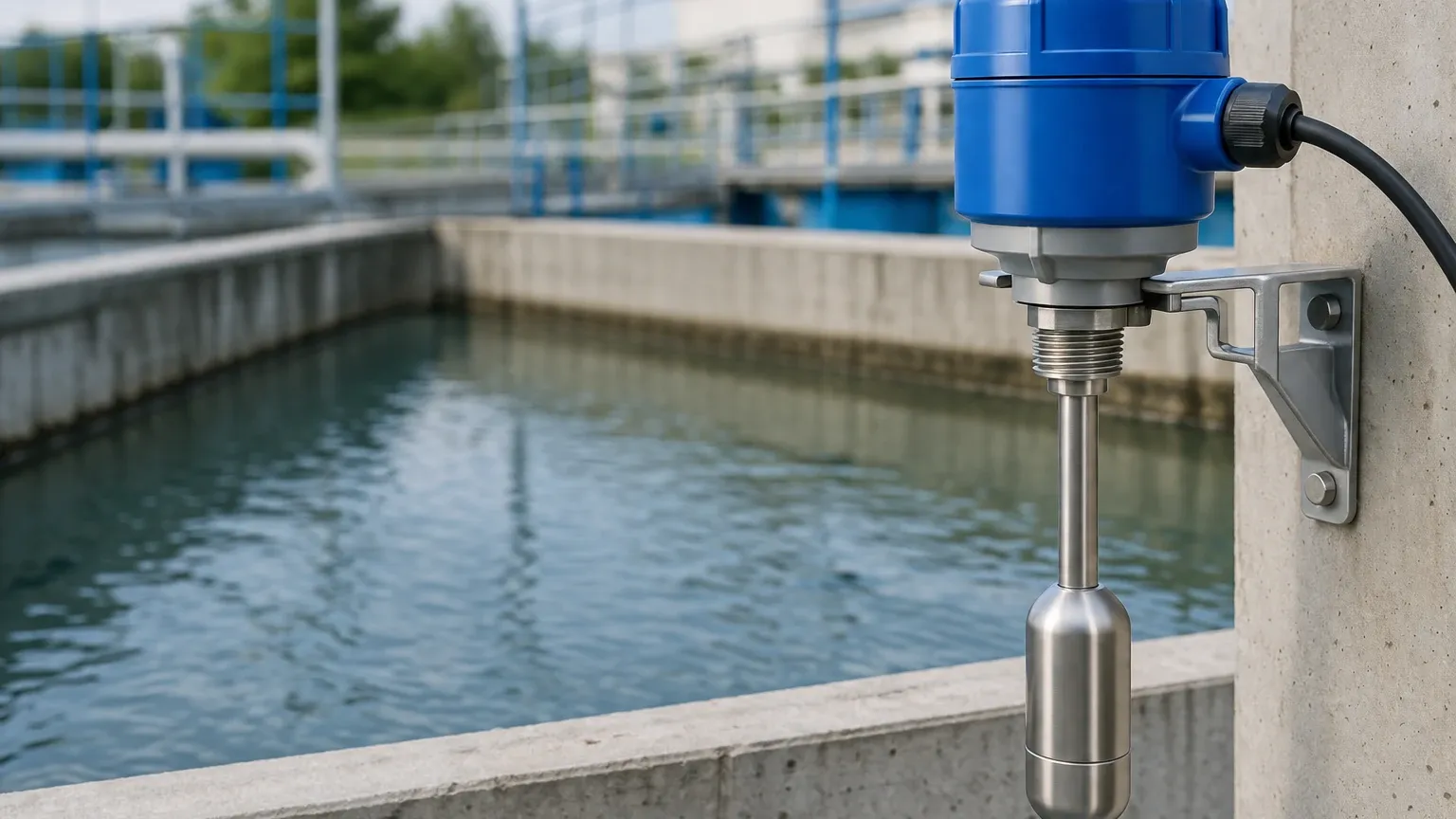
2. Avoiding Turbulence: Level switches should not be installed directly under the tank's inlet pipe. Turbulence and cascading water can cause the switch to bounce, leading to erratic pump behavior. If turbulence is unavoidable, a stilling well (a pipe surrounding the switch) should be used.
3. Dead Band Awareness: For ultrasonic switches, be aware of the "dead band" or "blanking distance"—the zone immediately below the sensor where it cannot measure. Ensure the maximum liquid level does not enter this zone.
4. Cable Material Integrity: In outdoor or industrial environments, cables are subject to UV degradation and mechanical stress. Use heavy-duty cables (such as H07RN-F) and ensure that cable entries into junction boxes are properly sealed with IP68-rated glands.
Common Operational Risks and Troubleshooting
Even with high-quality components, certain risks can compromise the level switch Grundfos integration. Awareness of these issues allows for better preventative maintenance.
Fat and Grease Accumulation
In wastewater lift stations, fats, oils, and grease (FOG) can build up on float switches. This accumulation increases the weight of the float, eventually preventing it from tilting or rising. Regular cleaning is necessary to prevent the switch from sticking in the "off" position, which would lead to a tank overflow.
Electrical Interference
Signal cables for level switches should be kept separate from high-voltage power lines. Electromagnetic interference (EMI) can induce false signals in the controller, causing the pump to start or stop unexpectedly. Using shielded cables is recommended for long cable runs in industrial environments.
Dry Running
If a level switch fails to turn the pump off when the liquid reaches the minimum level, the pump will run dry. This can cause rapid wear on mechanical seals and bearings. For critical applications, a redundant low-level switch should be installed as a secondary safety measure to force a pump shutdown.
Maintenance Protocols for Long-Term Reliability
To ensure the level switch continues to protect the pumping system, a routine maintenance schedule should be implemented. This is especially true for systems handling non-potable water.
* Quarterly Visual Inspections: Check for signs of cable wear, chemical corrosion, or material buildup on the sensor body.
* Manual Function Test: Manually lift the float or simulate a level change to verify that the controller responds correctly and the pump starts/stops as intended.
* Cleaning: Use a low-pressure water jet to remove debris from floats or electrodes. Avoid abrasive tools that could damage the sensor surface.
* Insulation Testing: Periodically check the insulation resistance of the switch cables to ensure no moisture has penetrated the outer jacket.
Frequently Asked Questions (FAQ)
Q: Can I use a standard float switch for a Grundfos pump in a hazardous (Ex) area?
A: No. For hazardous environments, such as sewage wet wells where methane may be present, you must use an intrinsically safe level switch connected via a Zener barrier or an explosion-proof (Ex-rated) switch.
Q: How do I adjust the start and stop levels for a tilt float switch?
A: The levels are adjusted by moving the pivot point (the weight or the cable clip). Increasing the length of the cable between the pivot and the float increases the distance between the start and stop levels.
Q: Why is my pump cycling on and off every few seconds?
A: This is usually caused by a switching differential that is too small or by turbulence in the tank. Check the float cable length or consider installing a stilling well to stabilize the liquid surface around the switch.
Q: Is a hydrostatic sensor better than a float switch?
A: Hydrostatic sensors are more precise and have no moving parts to clog, making them better for deep tanks or complex control requirements. However, they require a controller capable of processing an analog signal (4-20mA), whereas float switches are simpler for basic on/off control.
By carefully considering the measurement principle, environmental conditions, and installation requirements, engineers can select the ideal level switch for their Grundfos pumping system, ensuring reliable operation and minimizing the risk of costly downtime.