Level Switch Bedia
Level Switch Bedia
In the realm of industrial automation and engine monitoring, point level detection serves as a critical safeguard against equipment failure. Among the various technologies available, the level switch Bedia has established a significant presence, particularly in heavy-duty vehicle applications, agricultural machinery, and power generation sets. Understanding the underlying measurement principles, selection criteria, and installation requirements is essential for engineers tasked with ensuring the reliability of liquid-level monitoring systems.
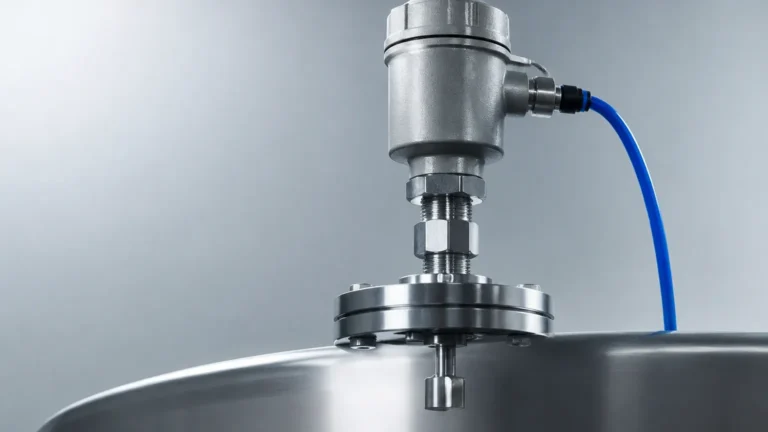
Industrial Level Switches are designed to detect when a liquid or solid reaches a specific height within a tank or pipe. Unlike continuous level transmitters that provide a constant data stream of the current level, a switch acts as a binary trigger—activating or deactivating a circuit to signal an alarm, start a pump, or shut down an engine to prevent damage.
Measurement Principles of Level Switches
Before selecting a specific device, it is vital to understand the physics behind the measurement. Level switches utilize various physical properties of the media to determine presence or absence.
Capacitive Measurement Principle
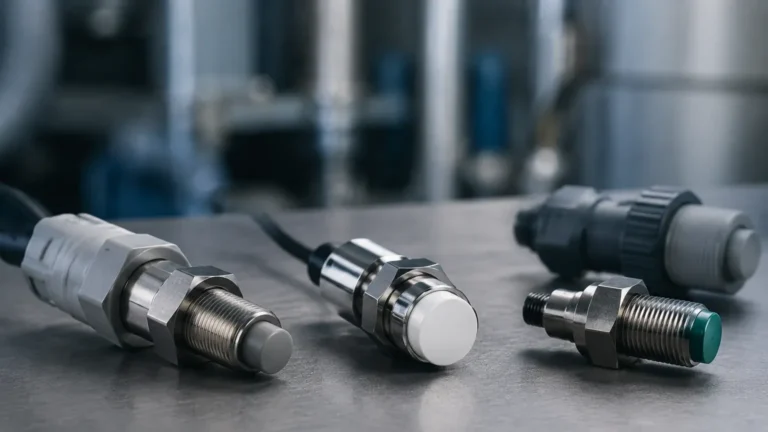
Many Bedia-style sensors utilize the capacitive measurement principle. A capacitive sensor acts as one plate of a capacitor, while the tank wall (or a second electrode) acts as the other. As the liquid—which has a different dielectric constant than air—displaces the air around the sensor probe, the capacitance of the system changes. This change is processed by internal electronics to trigger the switching output. This technology is particularly effective because it has no moving parts, making it resistant to mechanical wear and vibration.
Vibrating Tuning Fork Principle
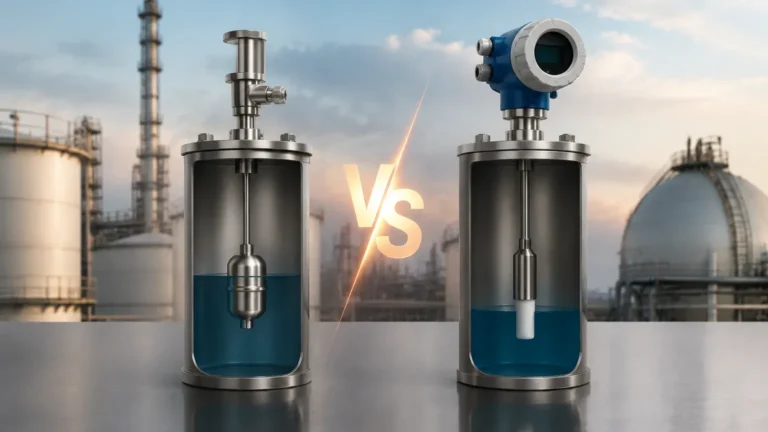
Vibrating level switches use a piezoelectric crystal to energize a tuning fork at its natural frequency. When the fork is immersed in a liquid, the frequency changes. The electronics detect this shift and convert it into a switching signal. This method is highly reliable for a wide range of liquid densities and is largely unaffected by flow, turbulence, or bubbles.
Float and Magnetic Principles
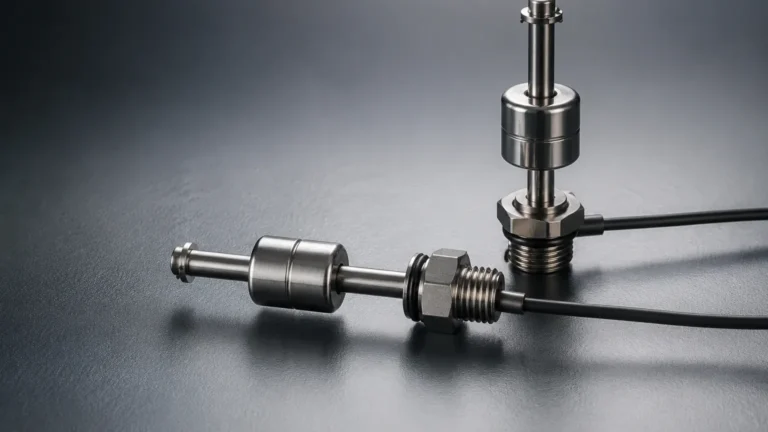
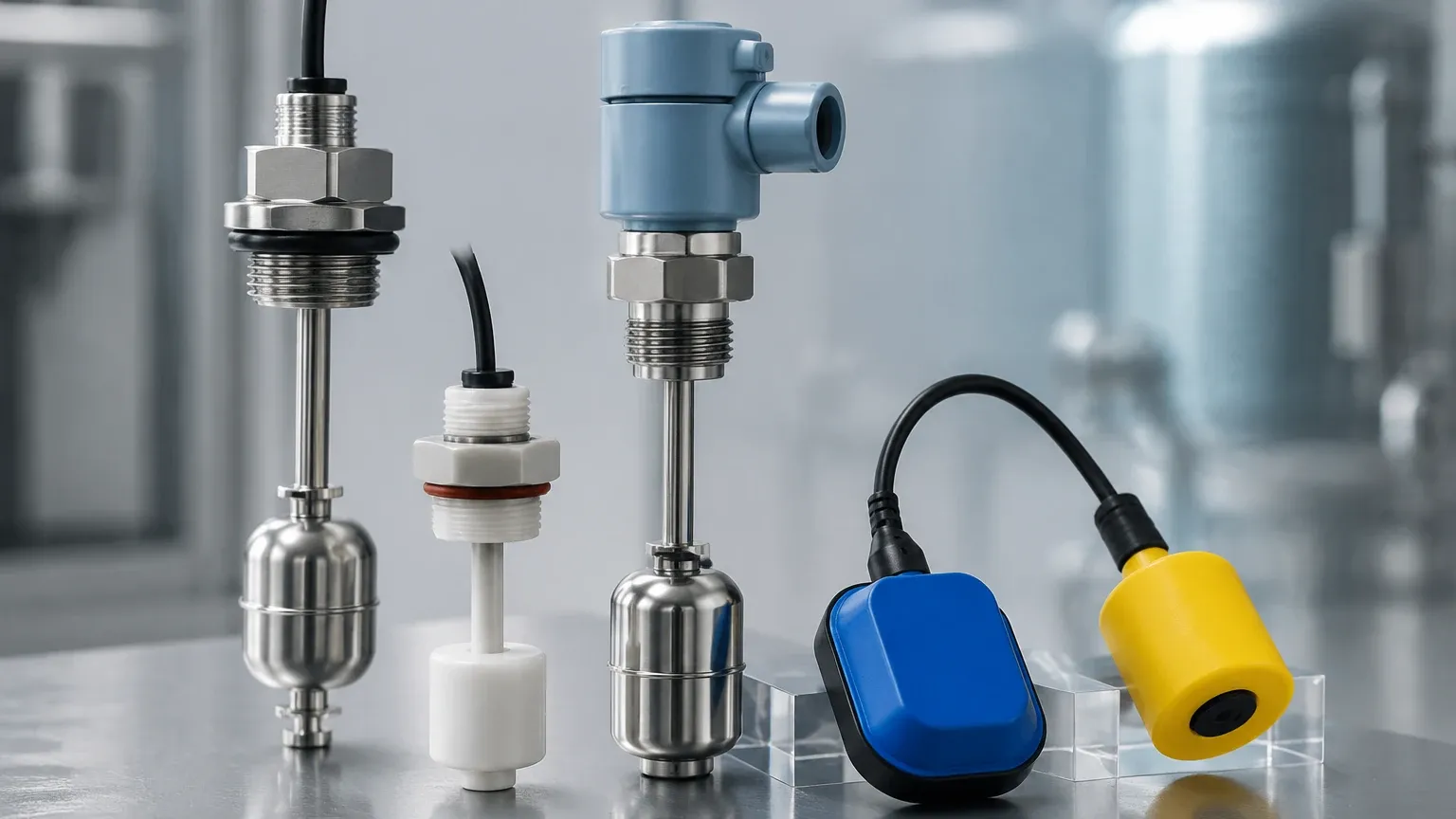
Traditional float switches rely on buoyancy. A float containing a magnet moves along a stem as the liquid level rises or falls. When the magnet reaches a reed switch embedded in the stem, the circuit closes or opens. While cost-effective, these mechanical systems are susceptible to jamming if the media contains debris or if the liquid is highly viscous.
Ultrasonic and Optical Principles
Ultrasonic switches emit high-frequency sound waves that reflect off the surface of the liquid. Optical switches use an infrared LED and a phototransistor; when the sensor tip is submerged, the refractive index changes, altering the light path to the receiver. These are often used in clean, non-coating applications.
The Role of the Level Switch Bedia in Industrial Applications
Bedia level sensors are specifically engineered for harsh environments where high vibration, temperature fluctuations, and chemical exposure are common. They are frequently used as "dry-run" protection or overflow alarms for:
* Engine Coolant Systems: Monitoring the presence of coolant to prevent engine overheating.
* Hydraulic Oil Reservoirs: Ensuring hydraulic pumps do not run dry, which could lead to catastrophic system failure.
* Fuel Tanks: Detecting low fuel levels in off-road machinery and stationary generators.
* Water Treatment: Monitoring levels in small process tanks or chemical dosing systems.
The level switch Bedia is often characterized by its compact design and robust housing, typically rated for high Ingress Protection (IP67 or IP69K), allowing it to withstand high-pressure washdowns and submersion.
Key Evaluation Criteria for Level Switch Selection
Selecting the correct level switch requires a detailed analysis of the application environment. Engineers should confirm the following parameters before procurement:
1. Media Compatibility: The dielectric constant of the liquid is crucial for capacitive switches. For conductive liquids like water-based coolants, the sensor must be able to distinguish between the liquid and any film or coating left on the probe.
2. Operating Temperature: Sensors must withstand both the ambient temperature and the process temperature. Bedia sensors are often rated for temperatures ranging from -40°C to +125°C, making them suitable for engine compartments.
3. Pressure Ratings: The sensor must handle the maximum operating pressure of the tank. Standard industrial switches often support up to 10 bar (1.0 MPa), though specialized versions exist for higher pressures.
4. Output Type: Common outputs include PNP or NPN transistors, or mechanical relay contacts. Engineers must ensure the output is compatible with the PLC or control unit's input requirements.
5. Mounting Interface: Common thread sizes include G1/2", M14x1.5, or NPT threads. The choice depends on existing tank ports or manifold designs.
Technical Comparison and Selection Table
The following table provides a general comparison between capacitive sensors (common for Bedia), tuning fork switches, and float switches to assist in the selection process.
| Feature | Capacitive (Bedia Style) | Vibrating Tuning Fork | Magnetic Float Switch |
| :— | :— | :— | :— |
| Moving Parts | None | None | Yes (Float) |
| Media Type | Liquids and some solids | Liquids and granules | Clean liquids only |
| Viscosity Limit | Medium | High | Low |
| Coating Resistance | Good (with compensation) | Excellent | Poor |
| Vibration Resistance | High | High | Low to Medium |
| Maintenance | Very Low | Low | Moderate |
| Typical Application | Engine fluids, Coolant | Process tanks, Chemicals | Water tanks, Fuel storage |
Installation and Maintenance Considerations
Proper installation is paramount to the longevity and accuracy of a level switch. When installing a level switch Bedia or similar device, follow these guidelines:
Mounting Orientation
Most capacitive and tuning fork switches can be mounted horizontally (through the side wall) or vertically (from the top). If mounted horizontally, ensure the probe is angled slightly downward to allow liquid to drain off, preventing false "full" readings due to liquid pooling or coating.
Wiring and Electrical Protection
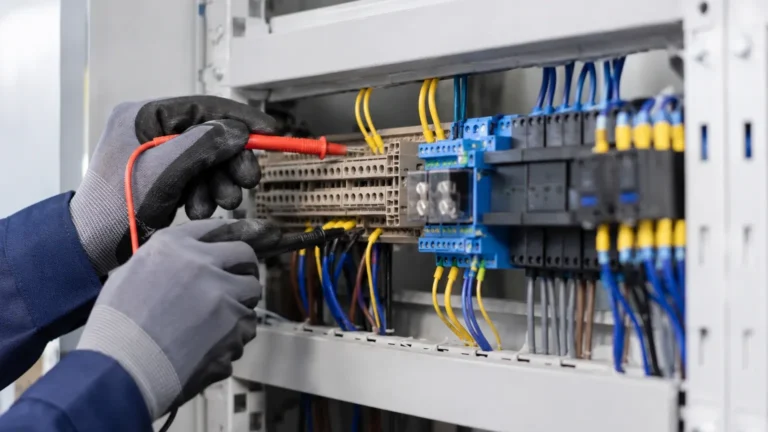
Ensure that the wiring follows the manufacturer's pinout diagram. For NPN/PNP outputs, use shielded cables if the sensor is located near high-voltage lines or heavy machinery to prevent electromagnetic interference (EMI). Always verify that the supply voltage (typically 12V or 24V DC) matches the sensor specifications.
Seal Integrity
Use appropriate sealing materials such as O-rings or PTFE tape compatible with the process media. Over-tightening can damage the threads or the sensor housing; always adhere to the specified torque settings (e.g., 20–30 Nm for standard brass or stainless steel housings).
Maintenance
While solid-state switches like the level switch Bedia are virtually maintenance-free, periodic inspections are recommended. In applications involving oils or coolants that may leave deposits, the sensor tip should be cleaned with a compatible solvent to ensure the dielectric properties remain consistent.
Limitations and Common Risks
Despite their robustness, level switches have limitations that must be addressed during the design phase:
* Coating and Buildup: In highly viscous or sticky media, material may build up on the probe. While many modern capacitive sensors feature "active shield" technology to ignore coating, heavy buildup can still cause false triggers.
* Turbulence: In tanks with high agitation or flow, the liquid level may fluctuate rapidly. Choosing a switch with a built-in delay (e.g., 1 to 5 seconds) can prevent "chattering" of the output signal.
* Foam Detection: Some technologies, like ultrasonic or standard capacitive sensors, may struggle to distinguish between liquid and foam. If foam is present, a tuning fork or a specifically calibrated capacitive sensor is often a better choice.
* Tank Material: For capacitive sensors, the material of the tank (metal vs. plastic) affects the sensing field. If using a plastic tank, a sensor with a ground reference or a dual-electrode design may be required.
Frequently Asked Questions (FAQs)
Q: Can a Bedia level switch be used for drinking water?
A: It depends on the housing material and certifications. While many are made of stainless steel or high-grade polymers, you must verify that the specific model has the necessary food-grade or potable water certifications (such as NSF or WRAS).
Q: What is the difference between an NPN and a PNP output?
A: This refers to the type of transistor switching. A PNP switch connects the output to the positive supply (V+) when activated (sourcing current), while an NPN switch connects the output to the negative/ground (0V) when activated (sinking current). Your PLC input module will typically dictate which type you need.
Q: How do I test if the level switch is functioning correctly?
A: For most Level Switches, you can perform a bench test by powering the unit and immersing the probe in a container of the target liquid. Observe the LED indicator (if present) and use a multimeter to check the continuity or voltage change at the output signal wire.
Q: Are these sensors affected by ambient light?
A: Capacitive and tuning fork sensors are unaffected by light. Only optical level switches may be sensitive to extremely bright, direct sunlight or infrared interference, though most are shielded against this.
Q: What should I do if the sensor stays "on" even when the tank is empty?
A: This is usually caused by media buildup on the probe or an incorrect sensitivity setting. Clean the probe thoroughly. If the problem persists, check if the sensor is mounted too close to a metal wall or internal structure, which could be creating a parasitic capacitance.
By carefully matching the sensor technology to the specific chemical and physical properties of the media, and by adhering to rigorous installation standards, engineers can ensure that their level switching systems provide reliable protection for years of service.