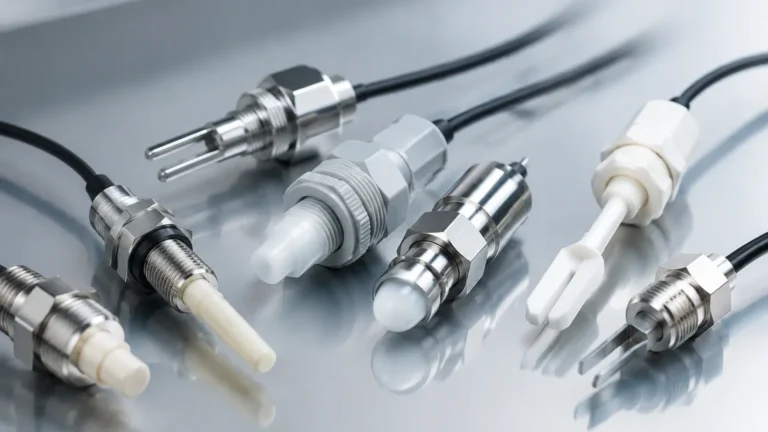
Level Switch on Tank
Level Switch on Tank
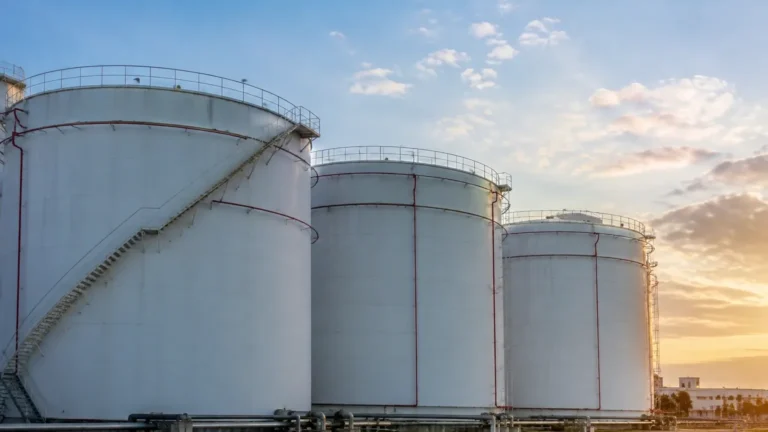
In industrial process control, point level detection is a fundamental requirement for safety, inventory management, and automation. A level switch on tank applications serves as a critical safeguard, providing discrete signals when a liquid or solid reaches a specific height. Unlike continuous level transmitters that provide a constant data stream of the current level, level switches act as triggers for alarms, pump control, or emergency shut-off systems.
Selecting the correct Level Switches requires a deep understanding of the physical properties of the media, the environmental conditions within the vessel, and the mechanical constraints of the tank itself. This guide examines the primary measurement principles, selection criteria, and installation best practices for implementing an effective level switch on tank systems.
Measurement Principles of Tank Level Switches
Understanding how a level switch interacts with the material inside a tank is the first step in engineering a reliable solution. Different technologies are suited to different physical properties such as density, conductivity, and viscosity.
Float Level Switches
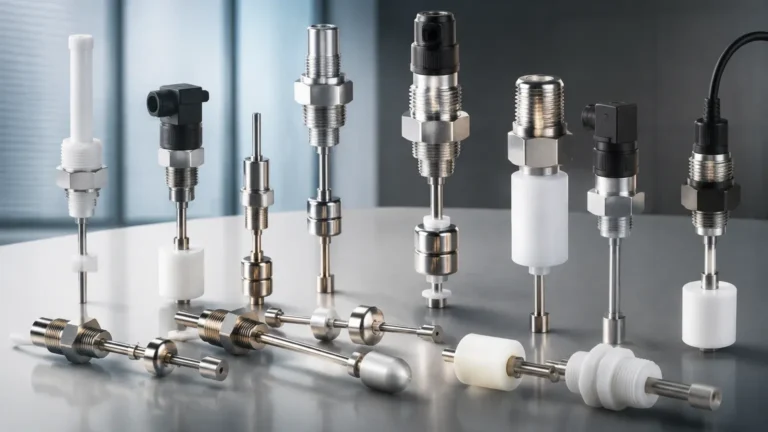
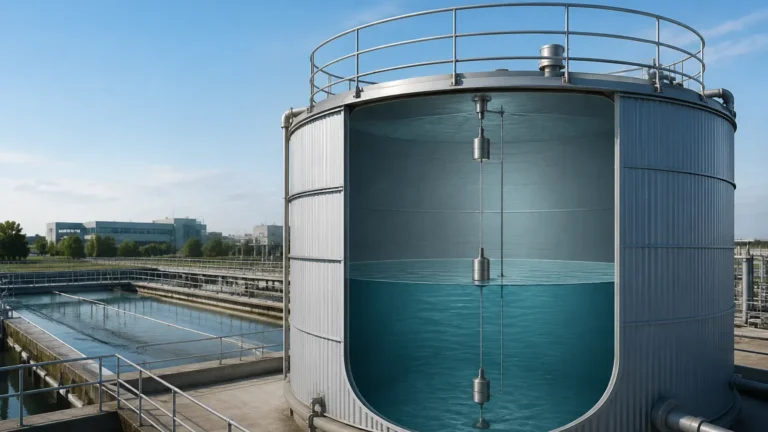
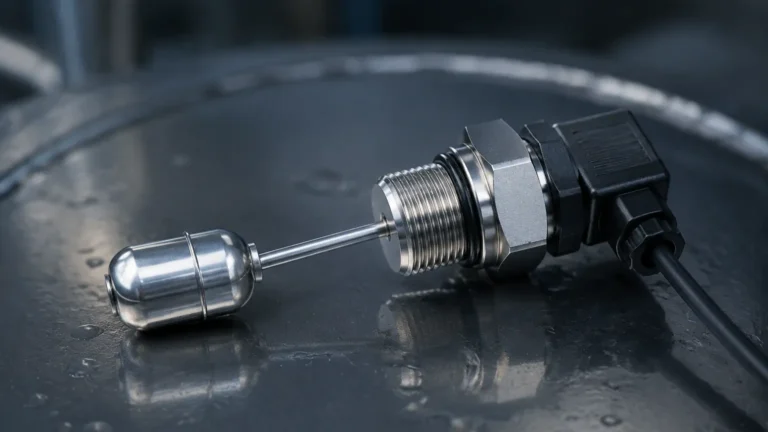
Float switches operate on the principle of buoyancy. A float, typically made of stainless steel or plastic, contains a magnet and moves with the liquid level. When the float reaches a predetermined point, the internal magnet actuates a reed switch or a microswitch. These are among the most common choices for a level switch on tank setups involving clean liquids like water or light oils. They are simple, cost-effective, and do not require power to operate the switch mechanism itself.
Vibrating Tuning Fork Switches
These switches utilize a fork-shaped sensing element that vibrates at its natural resonant frequency in air. When the media (liquid or powder) covers the fork, the frequency changes or the vibration is dampened. An electronic circuit detects this shift and switches the output. Tuning forks are highly versatile because they are largely unaffected by flow, turbulence, bubbles, or foam. They are frequently used as high-level or low-level alarms in chemical processing tanks.
Capacitive Level Switches
Capacitance switches measure the change in electrical capacitance between the sensor probe and the tank wall (or a reference electrode). As the material fills the space around the probe, the dielectric constant changes, altering the capacitance. This technology is excellent for detecting powders, granulates, and liquids. However, it requires calibration to the specific dielectric constant of the media and can be sensitive to material buildup on the probe.
Conductive Level Switches
Used exclusively with conductive liquids (such as water, acids, or alkalis), these switches use a low-voltage current between two electrodes. When the liquid bridges the gap between the electrodes, the circuit is completed. These are often used in multi-point configurations where several probes of different lengths are installed to detect multiple levels within a single tank.
Ultrasonic Level Switches
Ultrasonic point level switches use a pair of crystals: one to transmit an ultrasonic signal and one to receive it. When the gap between the crystals is filled with liquid, the signal transmits efficiently; when it is filled with air or gas, the signal is attenuated. Because they have no moving parts, they are ideal for viscous or corrosive liquids that might foul a mechanical float.
Selection Criteria for a Level Switch on Tank
Choosing the right level switch on tank involves evaluating several technical parameters to ensure long-term reliability and accuracy.
1. Media Characteristics
* State: Is the material a liquid, slurry, or bulk solid?
* Viscosity: Highly viscous materials can cause mechanical floats to stick or tuning forks to become "bridged" with material.
* Corrosiveness: The wetted parts of the switch must be compatible with the chemical composition of the media. Common materials include 316L stainless steel, PTFE, and PP.
* Density: For float-based switches, the float must be less dense than the liquid to ensure it remains buoyant.
2. Process Conditions
* Temperature: Industrial tanks can operate at extremes, from cryogenic storage to high-temperature reactors. Ensure the switch electronics and seals can withstand the process temperature (typically rated in Celsius).
* Pressure: The tank may be pressurized or under vacuum. The mechanical housing and process connection of the level switch must be rated for the maximum possible tank pressure.
* Turbulence and Foam: If the tank has an agitator or high-velocity inflow, the resulting turbulence can cause false switching. In such cases, vibrating forks or non-contact sensors are preferred over floats.
3. Tank Geometry and Mounting
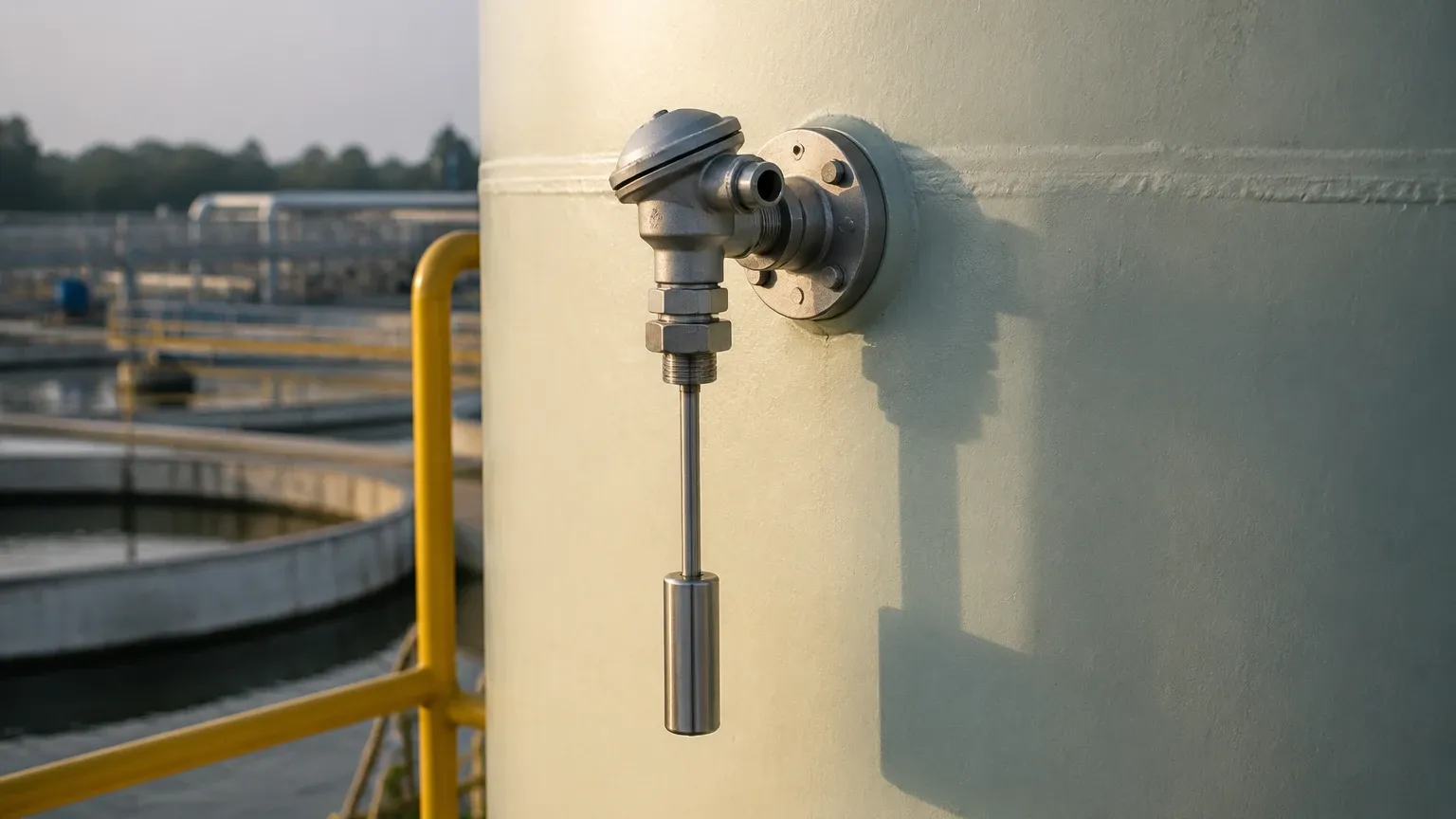
* Mounting Position: Switches can be mounted at the top (vertical) or on the side (horizontal) of the tank. Side mounting is common for high/low alarms, while top mounting is often used for adjustable depth sensing.
* Nozzle Length: If the switch is installed in a nozzle, the sensing element must extend far enough into the tank to avoid being trapped in a "dead zone" where material might accumulate.
Installation Considerations
Proper installation is as critical as sensor selection. Even the best level switch on tank will fail if it is positioned incorrectly.
* Avoid the Inflow Stream: Never install a level switch directly under the tank's fill pipe. The falling material can cause physical damage or trigger false high-level alarms.
* Clearance from Walls and Obstructions: For capacitive and ultrasonic switches, ensure there is sufficient clearance from the tank walls and internal structures like baffles or heating coils to prevent signal interference.
* Orientation of Tuning Forks: When installing a vibrating fork horizontally, the tines should be oriented vertically (side-by-side) so that liquid or solids can easily drain off and not collect between the tines.
* Still Wells: In tanks with heavy agitation or surface waves, a still well (a pipe surrounding the sensor) can be used to provide a calm surface for the switch to measure accurately.
Comparison Table: Level Switch Technologies
| Technology | Suitable Media | Pros | Cons |
| :— | :— | :— | :— |
| Float | Clean Liquids | Low cost, no power needed, simple | Moving parts can jam, sensitive to density |
| Tuning Fork | Liquids, Powders | Reliable, ignores foam/bubbles, no calibration | Can be bridged by sticky solids |
| Capacitive | Liquids, Solids | No moving parts, works with granulates | Sensitive to buildup, requires calibration |
| Conductive | Conductive Liquids | Very low cost, multiple points possible | Only for conductive media, probe corrosion |
| Ultrasonic | Viscous/Corrosive Liquids | No moving parts, high reliability | Higher cost, sensitive to heavy aeration |
Limitations and Risks
While Level Switches are robust, they are not infallible. Engineers must be aware of the following risks:
1. Material Buildup: In applications involving wastewater or cement, material can harden on the sensor. This "coating" can fool capacitive or tuning fork switches into thinking the tank is full when it is not. Selecting switches with "active shield" technology or polished surfaces can mitigate this.
2. Mechanical Fatigue: In high-vibration environments, the mechanical components of float switches or the electronics of sensitive sensors can fail prematurely. Heavy-duty housings and vibration-resistant electronics are necessary here.
3. False Triggers from Foam: Many sensors cannot distinguish between a liquid surface and a thick layer of foam. If foam is present, tuning forks or specialized capacitive sensors are usually required to ensure the switch only triggers on the liquid phase.
Maintenance and Testing
To ensure the safety of the system, a level switch on tank should be part of a regular maintenance schedule.
* Proof Testing: Periodically trigger the switch manually (if possible) or by raising the liquid level to ensure the alarm or control logic responds correctly.
* Cleaning: For sensors prone to buildup, regular inspection and cleaning of the sensing element are required to prevent "stuck" signals.
* Seal Inspection: Check the cable glands and process connections for signs of leaks or corrosion, especially in hazardous or outdoor environments.
Frequently Asked Questions (FAQs)
Q: Can I use a single level switch to control a pump?
A: Yes, but it is usually better to use two switches (a high and a low) to create a "deadband." This prevents the pump from rapidly cycling on and off as the level fluctuates near a single switch point.
Q: What is the difference between NPN and PNP outputs in electronic level switches?
A: These refer to the type of transistor output used to signal the PLC. PNP switches "source" power (positive), while NPN switches "sink" power (negative). The choice depends on the input requirements of your control system.
Q: How do I choose between a top-mounted and side-mounted switch?
A: Side-mounted switches are easier to access for maintenance and provide a fixed, precise switching point. Top-mounted switches are better if you cannot cut a hole in the side of the tank or if you need to adjust the switching level by changing the length of the probe or cable.
Q: Are there level switches for high-pressure tanks?
A: Yes. Many industrial level switches are designed for high-pressure applications, with some models rated for over 100 bar (1450 psi). Always check the manufacturer’s pressure rating before installation.
Conclusion
Implementing a level switch on tank systems is a foundational task in industrial engineering. By matching the measurement principle—whether it be the mechanical simplicity of a float or the electronic precision of a tuning fork—to the specific needs of the application, operators can ensure safe and efficient tank management. Factors such as media viscosity, tank pressure, and potential buildup must be weighed against budget and maintenance capabilities. For those looking to explore specific hardware options, reviewing various Level Switches will provide the necessary technical specifications to finalize a system design.