Level Switch Unit
Level Switch Unit
In the landscape of industrial process control, a level switch unit serves as a critical point-level detection component. Unlike continuous level transmitters that provide a constant stream of data regarding the volume or height of a substance, a level switch unit is designed to trigger a discrete electrical signal when a specific level is reached. This "high" or "low" signal is fundamental for preventing tank overflows, protecting pumps from dry running, and automating the filling or emptying of vessels.
Selecting the appropriate level switch unit requires a deep understanding of the physical properties of the medium being measured, the environmental conditions of the process, and the specific electrical requirements of the control system. This guide provides a technical overview of the technologies, selection criteria, and installation practices essential for engineering reliable level detection systems.
Understanding the Function of a Level Switch Unit
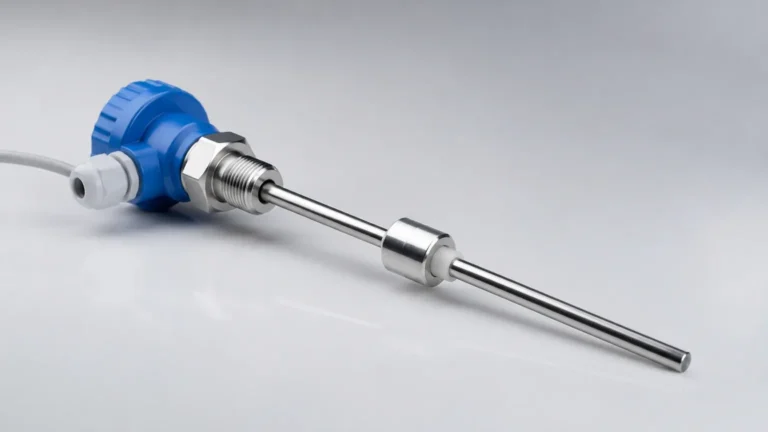
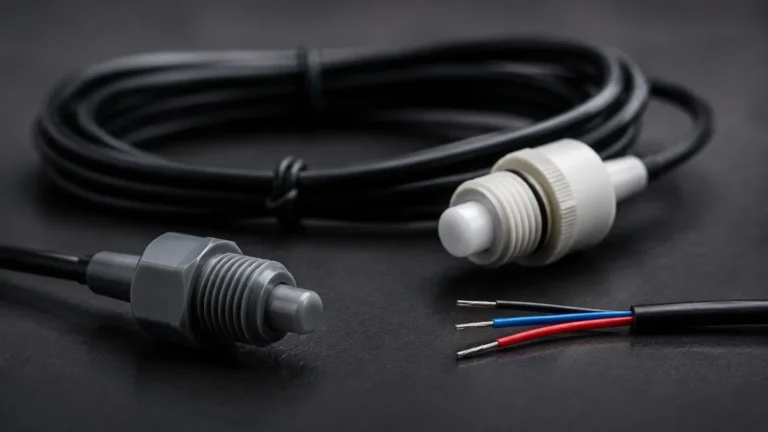
A level switch unit is typically comprised of two main sections: the sensing element that comes into contact with (or proximity to) the medium, and the electronics housing which processes the signal and provides the output. The output is usually a relay contact (SPDT or DPDT), a transistor switch (PNP/NPN), or a contactless electronic switch.
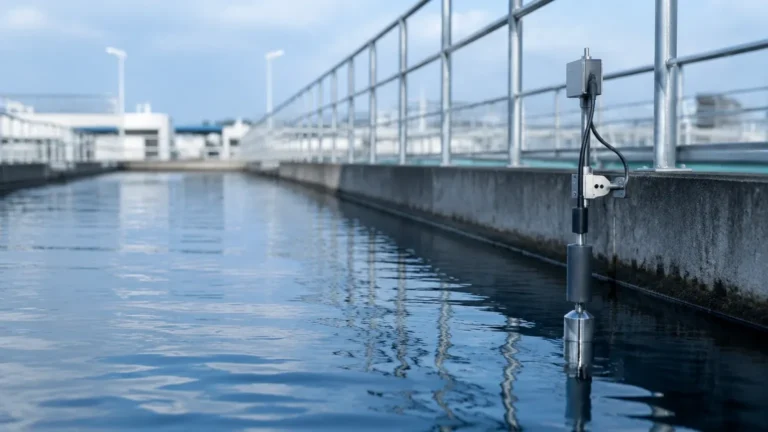
These units are deployed across various industries, including water treatment, chemical processing, food and beverage, and oil and gas. Their primary role is safety and process automation. For instance, in a water treatment facility, a high-level switch unit might shut off an inlet valve to prevent a basin from overflowing, while a low-level unit ensures a pump does not operate when the water level is insufficient, preventing mechanical damage.
Core Measurement Principles
Before selecting a Level Switches solution, it is vital to understand the underlying physical principles used to detect the presence of a medium. Each technology has specific strengths and limitations based on the state of the matter (liquid vs. solid) and its physical characteristics.
Vibrating Tuning Fork
This technology utilizes a fork-shaped sensing element that is vibrated at its natural resonant frequency by piezoelectric crystals. When the fork is immersed in a liquid or covered by solids, the frequency of vibration changes or the vibration is dampened. The internal electronics of the level switch unit detect this shift and switch the output state. Tuning forks are highly reliable because they are generally unaffected by flow, turbulence, bubbles, or foam.
Float and Magnetic Level Switches
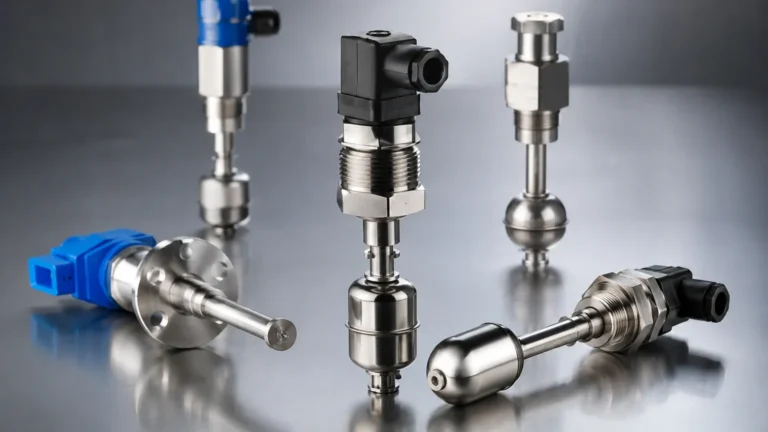
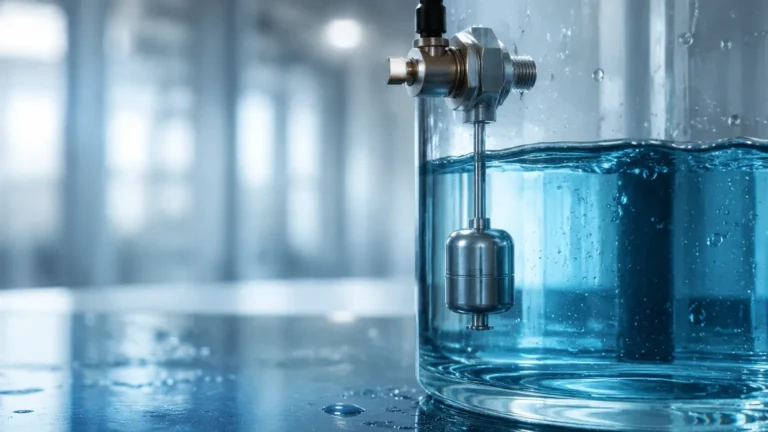
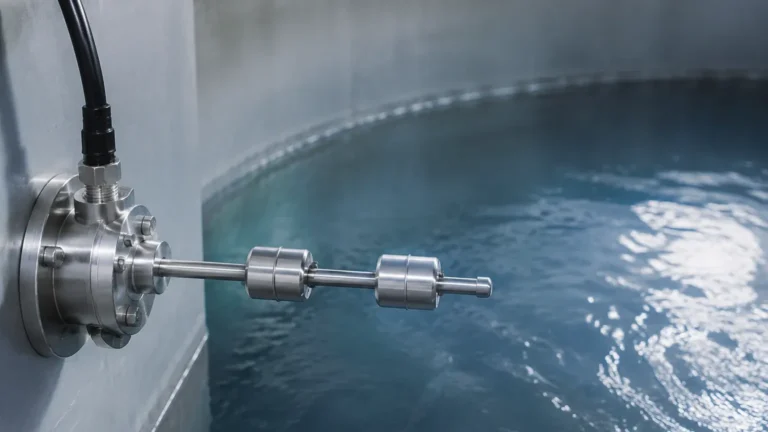
Operating on the principle of buoyancy, a float moves up or down with the liquid level. In many industrial units, the float contains a permanent magnet. As the float reaches a predetermined point, the magnetic field actuates a reed switch located inside a sealed stem. This method is purely mechanical and does not require power to sense the level, making it ideal for simple alarm circuits, though it is susceptible to mechanical wear and sticking if the liquid contains debris.
Capacitance Level Switches
The sensing probe and the tank wall (or a reference electrode) act as the two plates of a capacitor. As the medium displaces air around the probe, the dielectric constant changes, resulting in a change in capacitance. The level switch unit measures this change. This technology is versatile but requires calibration and can be sensitive to material buildup on the probe unless "active shield" technology is employed.
Rotary Paddle Switches
Designed specifically for bulk solids and powders, a motor slowly rotates a paddle. When the material reaches the paddle, it creates resistance, causing the motor to stall. This stall triggers a microswitch that changes the output state. These are robust units for silos and hoppers but are limited to solid media.
Ultrasonic and Optical Switches
These are non-contact or gap-sensing technologies. Ultrasonic switches use high-frequency sound waves to detect the presence of a medium, while optical switches use the refraction of an infrared light beam within a prism. These are often used in clean liquids or where mechanical contact must be minimized.
Engineering Selection Criteria for Level Switch Units
Choosing the right level switch unit involves more than just matching the pipe size. Engineers must evaluate the following factors to ensure long-term reliability:
1. Media State and Density: Is the medium a liquid, a slurry, or a granular solid? For liquids, what is the density? Float switches require a minimum specific gravity to function, while tuning forks have minimum density requirements (typically >0.5 g/cm³ for liquids).
2. Viscosity and Coating: Highly viscous liquids or materials that tend to coat surfaces (like resins or chocolate) can cause false triggers. In such cases, vibrating forks or specialized capacitance probes are preferred over mechanical floats.
3. Process Temperature and Pressure: Standard units may handle up to 80°C and 10 bar, but high-temperature versions with cooling fins can withstand up to 250°C or higher. Pressure ratings must also be verified, especially for flange-mounted units in pressurized vessels.
4. Chemical Compatibility: The wetted parts—usually Stainless Steel (SS304 or SS316), PP, PVC, or PTFE—must be resistant to the process medium to prevent corrosion and premature failure.
5. Output Requirements: Does the control system require a dry contact relay, or a solid-state output like a PNP/NPN transistor for high-speed switching?
Technical Comparison of Common Technologies
| Technology | Suitable Media | Max Temp (Typical) | Max Pressure (Typical) | Key Advantage |
| :— | :— | :— | :— | :— |
| Vibrating Fork | Liquids / Solids | -40°C to 150°C | Up to 40 bar | Maintenance-free; ignores foam/bubbles |
| Float Switch | Clean Liquids | -20°C to 120°C | Up to 20 bar | Simple; no power required for sensing |
| Capacitance | Liquids / Solids | -50°C to 200°C | Up to 100 bar | Can handle high pressure/temp |
| Rotary Paddle | Bulk Solids | -20°C to 80°C | Atmospheric | Robust for heavy powders/grains |
| Optical | Clean Liquids | -20°C to 100°C | Up to 25 bar | Very compact; fast response |
Installation Best Practices and Considerations
The performance of a level switch unit is often determined by how and where it is installed. Improper placement can lead to false alarms or failure to detect a critical level.
* Mounting Position: Units can be mounted horizontally (side-entry) or vertically (top-entry). For high-level alarms, top-entry is common to allow for adjustable insertion lengths. Side-entry is often used for low-level detection in small tanks.
* Avoid Turbulence: Do not install a level switch unit directly in the path of an incoming material stream. The force of the falling liquid or solid can damage the sensor or cause intermittent switching. If the tank has an agitator, ensure the sensor is placed in a "dead zone" or protected by a baffle.
* Nozzle Length: For vibrating forks and rotary paddles, ensure the sensing element extends fully into the tank. If the mounting nozzle is too long, material may get trapped inside the nozzle, preventing the sensor from detecting the actual tank level.
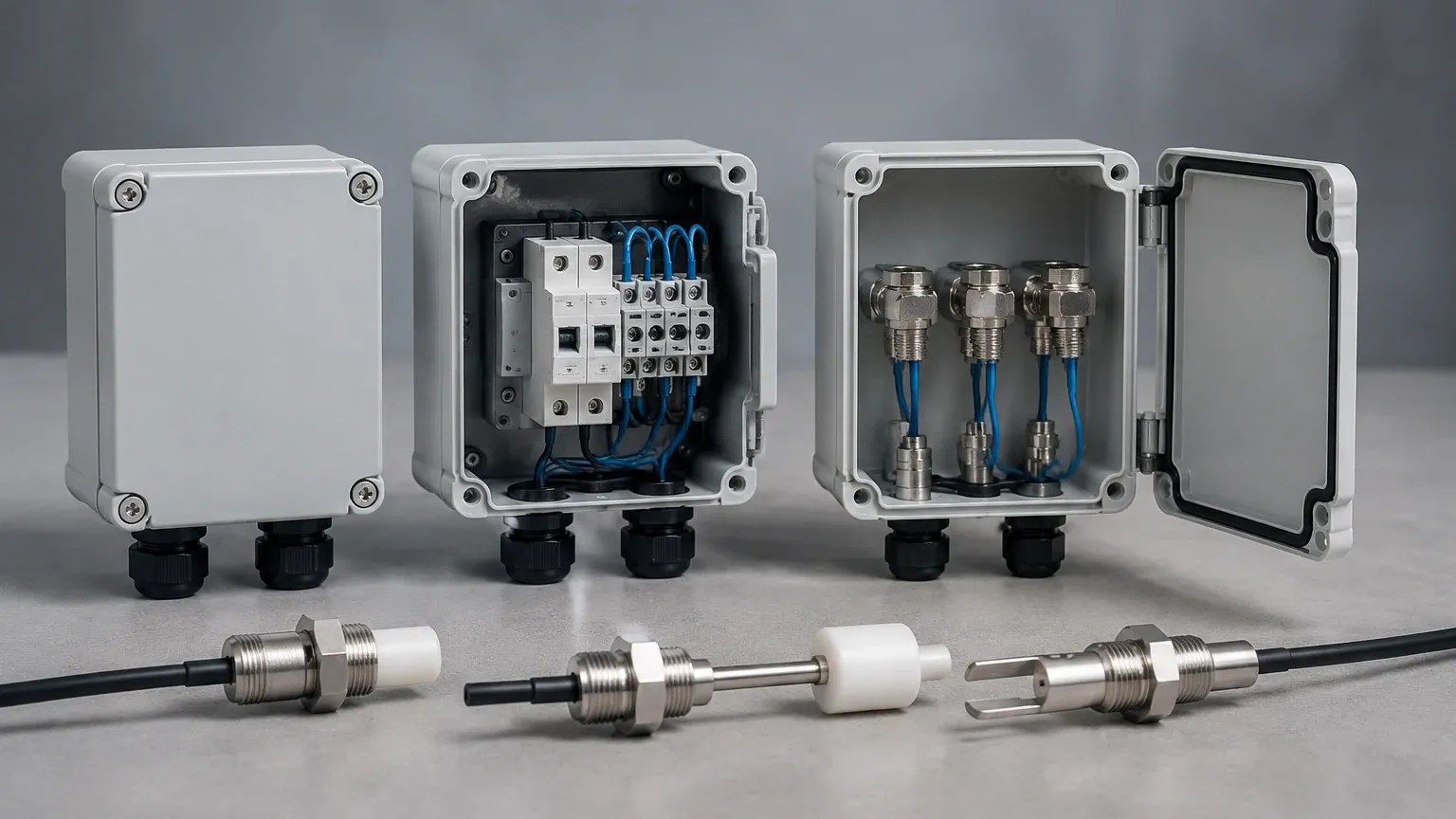
* Wiring and Grounding: Always use shielded cables for electronic level switches to prevent electromagnetic interference (EMI). Ensure the unit is properly grounded, especially capacitance types, as the tank wall often serves as the reference ground.
* Cable Glands: Direct cable entries should point downwards (forming a drip loop) to prevent moisture from entering the electronics housing through the conduit.
Common Risks and Limitations in Level Detection
While industrial level switch units are highly reliable, they are not infallible. Awareness of potential failure modes is essential for system design.
* Material Buildup: In solids or viscous liquids, material can bridge between the tines of a tuning fork or coat a capacitance probe, leading to a "permanent" high-level signal. Regular inspection or selecting a unit with a "coating rejection" feature is necessary.
* Turbulence and Sloshing: In tanks with high agitation, a float switch may bounce, causing the relay to chatter. Using a level switch unit with a built-in time delay (e.g., 1–5 seconds) can filter out these momentary fluctuations.
* Dielectric Changes: Capacitance switches are calibrated to a specific medium. If the process involves different liquids with significantly different dielectric constants, the switch may fail to trigger or trigger prematurely.
* Mechanical Fatigue: Rotary paddles and float switches have moving parts. Over millions of cycles, or in abrasive environments, these parts will eventually wear out. In critical safety applications, non-mechanical types like vibrating forks are often preferred for their longer service life.
Frequently Asked Questions (FAQ)
Q: Can a level switch unit be used for continuous level measurement?
No. A level switch is a point-level device. It only tells you if the material has reached a specific point. For continuous data (e.g., 0% to 100% full), you require a level transmitter, such as a radar or ultrasonic sensor.
Q: What is the difference between an SPDT and a DPDT output?
An SPDT (Single Pole Double Throw) relay has one set of contacts (Common, Normally Open, Normally Closed). A DPDT (Double Pole Double Throw) has two independent sets of contacts, allowing you to trigger two separate circuits (e.g., an alarm light and a pump starter) from a single level switch unit.
Q: How do I test a level switch unit without filling the tank?
Many modern electronic units, such as vibrating forks, feature a magnetic test point on the housing. Holding a magnet to this point simulates a change in state, allowing you to test the wiring and control logic without a physical medium. For float switches, the float must be manually moved.
Q: Is it necessary to calibrate a vibrating fork level switch?
Generally, no. Most vibrating fork units are factory-calibrated to detect standard liquid densities. They are "plug-and-play" devices. However, if you are measuring extremely light powders or highly aerated liquids, you may need to adjust the sensitivity via internal dip switches.
Q: Can these units be used in explosive environments?
Yes, but you must select a level switch unit with the appropriate hazardous area certification, such as ATEX or IECEx. These units are designed to be either intrinsically safe (limiting the energy available for a spark) or flameproof (encasing any potential explosion within the housing).
For more detailed technical specifications and to explore specific models for your application, you can Review product options and application support to find the ideal solution for your process requirements.