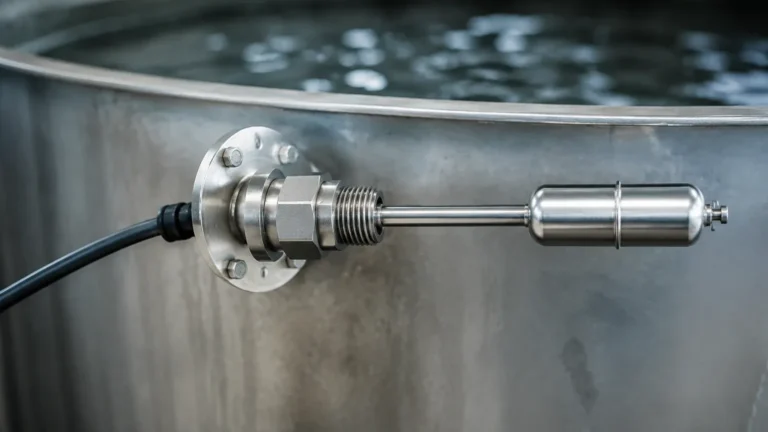
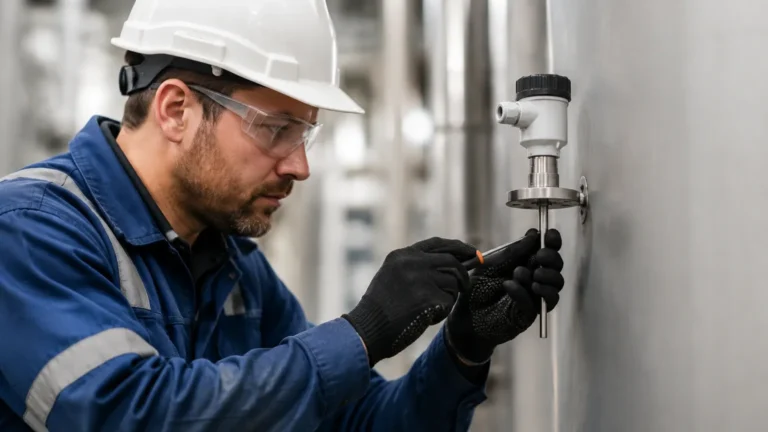
Level Switch Vegaswing 63
Level Switch Vegaswing 63
In the landscape of industrial automation, point level detection serves as a critical safety and process control mechanism. Among the various technologies available, the vibrating level switch—specifically the level switch vegaswing 63—has established itself as a robust solution for liquid applications. This article explores the engineering principles, technical specifications, and selection criteria necessary for integrating these instruments into complex industrial environments.
Understanding the Vibrating Level Switch Principle
Before evaluating specific models like the level switch vegaswing 63, it is essential to understand the underlying physics of vibrating fork technology. These instruments operate on the principle of a tuning fork being excited at its resonant frequency by a piezoelectric drive.
When the vibrating fork is in the air, it oscillates at its natural mechanical resonance frequency. As the liquid level rises and covers the fork, the density of the surrounding medium changes, causing the vibration frequency to drop. The integrated electronics monitor this frequency shift. Once the frequency crosses a predefined threshold, the device triggers a switching command.
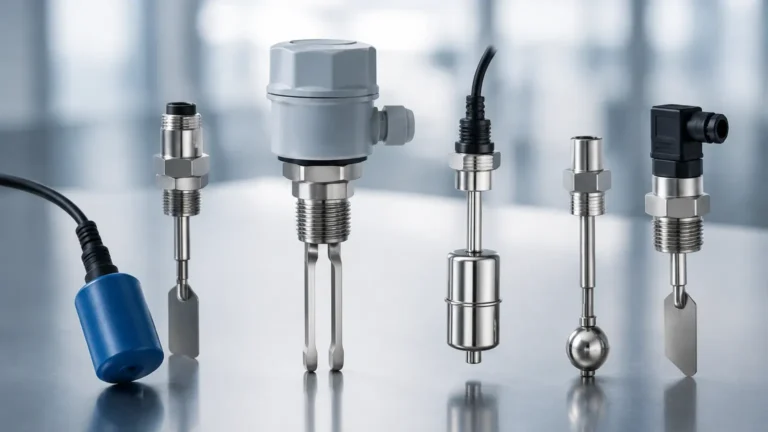
This method is inherently reliable because it is largely independent of the chemical and physical properties of the liquid, such as conductivity, dielectric constant, or pressure fluctuations. Unlike float switches, which rely on mechanical movement and buoyancy, vibrating switches have no moving parts subject to wear, making them ideal for high-cycle applications.
Technical Specifications and Capabilities of the Vegaswing 63
The level switch vegaswing 63 is designed as a universal level sensor for liquids. It is particularly noted for its ability to operate under extreme process conditions that would cause other sensors to fail.
Key Performance Parameters
* Temperature Range: The device can handle process temperatures ranging from -50 °C to +250 °C (-58 °F to +482 °F). This makes it suitable for both cryogenic applications and high-temperature chemical reactors.
* Pressure Resistance: It is rated for process pressures from -1 to +64 bar (-100 to +6400 kPa).
* Media Density: The switch is sensitive enough to detect liquids with densities as low as 0.5 g/cm³ (optional 0.42 g/cm³), allowing for use in light hydrocarbons and liquefied gases.
* Material Construction: Standard wetted parts are typically constructed from 316L stainless steel, though high-alloy materials like Hastelloy C22 are available for corrosive environments.
Mechanical Configurations
The level switch vegaswing 63 is available in various lengths. While the standard version is compact, the device can be supplied with an extension tube (up to 6 meters) for top-mounting in deep tanks or sumps. This flexibility ensures that the switching point can be precisely positioned according to the vessel's geometry.
Selection Criteria for Industrial Level Switches
Choosing the correct instrument requires a systematic evaluation of the process environment. While the level switch vegaswing 63 is highly versatile, engineers must confirm compatibility with the following factors:
1. Chemical Compatibility
Ensure the wetted materials (316L, Hastelloy, or coatings) are resistant to the process medium. In water treatment or standard oil applications, stainless steel is usually sufficient. However, in aggressive chemical processing, specialized alloys are mandatory to prevent stress corrosion cracking.
2. Viscosity and Solids Content
While vibrating forks are resistant to many media, extremely high-viscosity liquids (typically above 10,000 mPa·s) can dampen the vibration even when the fork is not fully submerged, leading to false triggers. Similarly, if the liquid contains large fibrous solids, they may become lodged between the fork tines.
3. Output Requirements
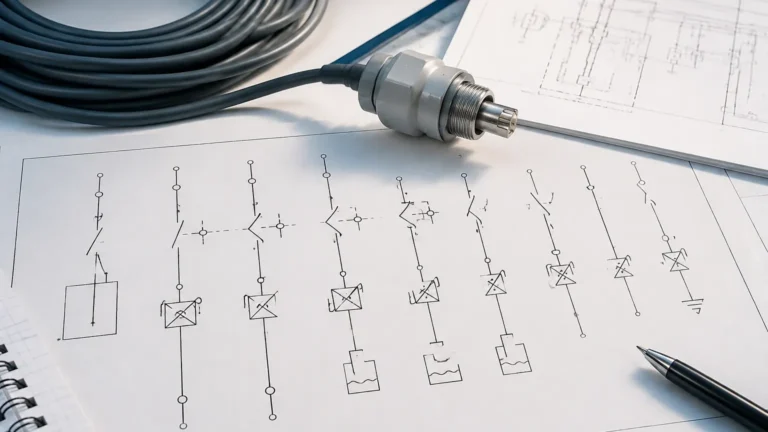
Integration into the control system (PLC or DCS) depends on the electronics version. Common options include:
* Relay (DPDT): For direct switching of pumps or valves.
* Transistor (NPN/PNP): For high-speed digital inputs.
* Two-wire (NAMUR): For intrinsically safe circuits in hazardous zones.
* Contactless Electronic Switch: For simplified wiring in series with a load.
For a comprehensive overview of available technologies and configurations, engineers often consult specialized manufacturers. Reviewing various Level Switches can provide insights into which electronic outputs and housing materials best suit a specific facility's infrastructure.
Selection Table: Vibrating Fork vs. Alternative Technologies
| Feature | Vibrating Fork (Vegaswing 63) | Ultrasonic Switch | Float Switch | Capacitance Switch |
| :— | :— | :— | :— | :— |
| Moving Parts | None | None | Yes | None |
| Media Density | Min 0.5 g/cm³ | Independent | Requires buoyancy | Independent |
| Coating/Buildup | High Resistance | Moderate | Low Resistance | Moderate |
| Temperature Max | 250 °C | 150 °C | 150 °C | 200 °C+ |
| Maintenance | Very Low | Low | Medium | Low |
| Typical Use | Overfill/Dry run | General Purpose | Simple Sump | High Temp/Pressure |
Installation Best Practices and Mounting Orientations
The reliability of the level switch vegaswing 63 is heavily influenced by how it is installed. Proper mounting prevents false alarms and extends the service life of the instrument.
Mounting Positions
* Side Mounting: This is the most common installation for high or low-level alarms. The fork should be oriented so that the liquid can drain easily from the tines. If the liquid is viscous, the tines should be oriented vertically (standing on edge) rather than horizontally to prevent the liquid from "bridging" between the forks.
* Top Mounting: Used for overfill protection. When using an extension tube, ensure the tube is supported if the tank experiences high turbulence or agitation.
Nozzle Considerations
When installing in a nozzle, the fork must protrude fully into the vessel. If the fork remains inside the nozzle, there is a risk that stagnant liquid or air pockets will trapped, leading to inaccurate switching. The length of the nozzle should be shorter than the length of the sensor's process fitting to the tip of the fork.
Wiring and Grounding
In industrial environments, electromagnetic interference (EMI) can affect signal integrity. Use shielded cables and ensure the housing is properly grounded. For hazardous areas (ATEX/IECEx), ensure the barrier or isolator matches the sensor's electronic insert specifications.
Operational Limitations and Risk Mitigation
Despite its robustness, the level switch vegaswing 63 has specific limitations that must be managed:
1. Turbulence and Aeration: In vessels with heavy agitation or aeration (bubbles), the effective density of the liquid may drop below the sensor's switching threshold. In such cases, a stilling well should be used to provide a calm measurement area.
2. Heavy Buildup: While the vibrating fork is designed to ignore some buildup, extremely adhesive media (like bitumen or heavy glues) can eventually dampen the vibration. Regular inspection or the use of a polished fork surface can mitigate this risk.
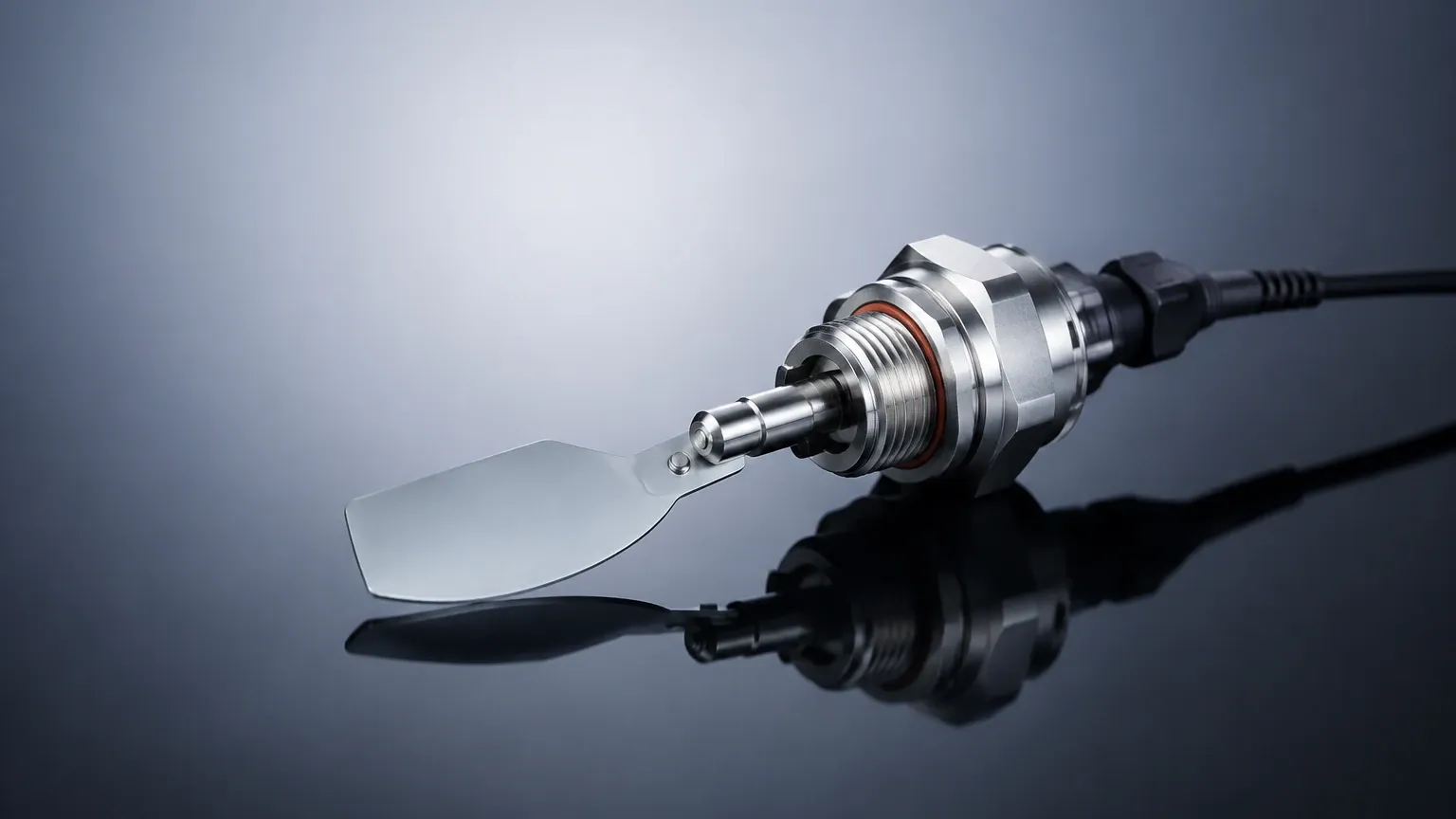
3. Mechanical Damage: The forks are precision-tuned components. Any physical damage, such as bending or filing of the tines, will change the resonant frequency and render the device inaccurate. During installation, avoid using the forks as a handle to screw the device into the process fitting; always use the hexagonal wrench flats provided.
Welk’s Role in Level Measurement
As a professional manufacturer of industrial level measurement instruments, Welk provides a range of solutions that complement or serve as high-performance alternatives to standard market models. Welk’s portfolio includes radar level meters, ultrasonic sensors, and diverse level switches designed for the chemical, water treatment, and oil and gas industries. By focusing on strict quality control and customized OEM/ODM services, Welk ensures that engineers have access to reliable, cost-effective measurement tools that meet the exact demands of their process applications.
Frequently Asked Questions (FAQs)
Q: Can the level switch vegaswing 63 be used for solids or powders?
A: No. The Vegaswing 63 is specifically designed for liquids. For bulk solids or powders, a different vibrating fork design (often with larger, more robust tines) or a rotary paddle switch is required to handle the different mechanical properties of the media.
Q: Does the device require calibration?
A: Generally, no. The device is factory-calibrated to switch at the density of water. If you are working with very light liquids (low density), there is usually a small switch or jumper on the electronic insert to adjust the sensitivity. No field calibration with the actual medium is typically necessary.
Q: How do I test the function of the switch without filling the tank?
A: Most modern vibrating switches include a test button or a magnetic test point on the housing. When activated, it simulates a frequency shift to verify that the electronics and the connected alarm circuits are functioning correctly.
Q: What is the impact of foam on the measurement?
A: Vibrating forks are generally excellent at ignoring light foam. They will only switch when the actual liquid level reaches the fork. However, very dense, "wet" foam may trigger the switch. If foam detection is specifically required or must be avoided, the sensitivity settings should be adjusted accordingly.
Q: Can it be used in hygienic applications?
A: Yes, there are versions of this technology with hygienic process fittings (like Tri-Clamp or Bolz) and polished surfaces (Ra < 0.8 µm) specifically for the food, beverage, and pharmaceutical industries.
Conclusion
The level switch vegaswing 63 represents a highly reliable standard for point level detection in liquids. Its immunity to most process variations makes it a "fit and forget" solution for many engineers. However, successful implementation relies on a thorough understanding of the media density, temperature, and potential for buildup. By following standard installation guidelines and selecting the appropriate material and electronic configurations, industrial operators can ensure long-term safety and efficiency in their level control processes.