Next Level Magnetic Switches
Next Level Magnetic Switches
In the landscape of industrial automation, the ability to accurately detect liquid levels is fundamental to process safety, efficiency, and inventory management. Magnetic level switches have long been a staple in this field due to their simplicity and reliability. However, as industrial processes become more complex—involving higher temperatures, corrosive chemicals, and extreme pressures—engineers are increasingly turning to next level magnetic switches to ensure uninterrupted performance. These advanced instruments offer a level of precision and durability that standard mechanical switches cannot match, providing a robust solution for critical point-level detection.
Understanding the Principles of Magnetic Level Measurement
Before selecting a specific device, it is essential to understand the underlying physics that drive magnetic level detection. Unlike mechanical limit switches that rely on physical contact and force to actuate a lever, magnetic level switches utilize the interaction between magnetic fields to trigger an electrical output.
The Reed Switch Mechanism
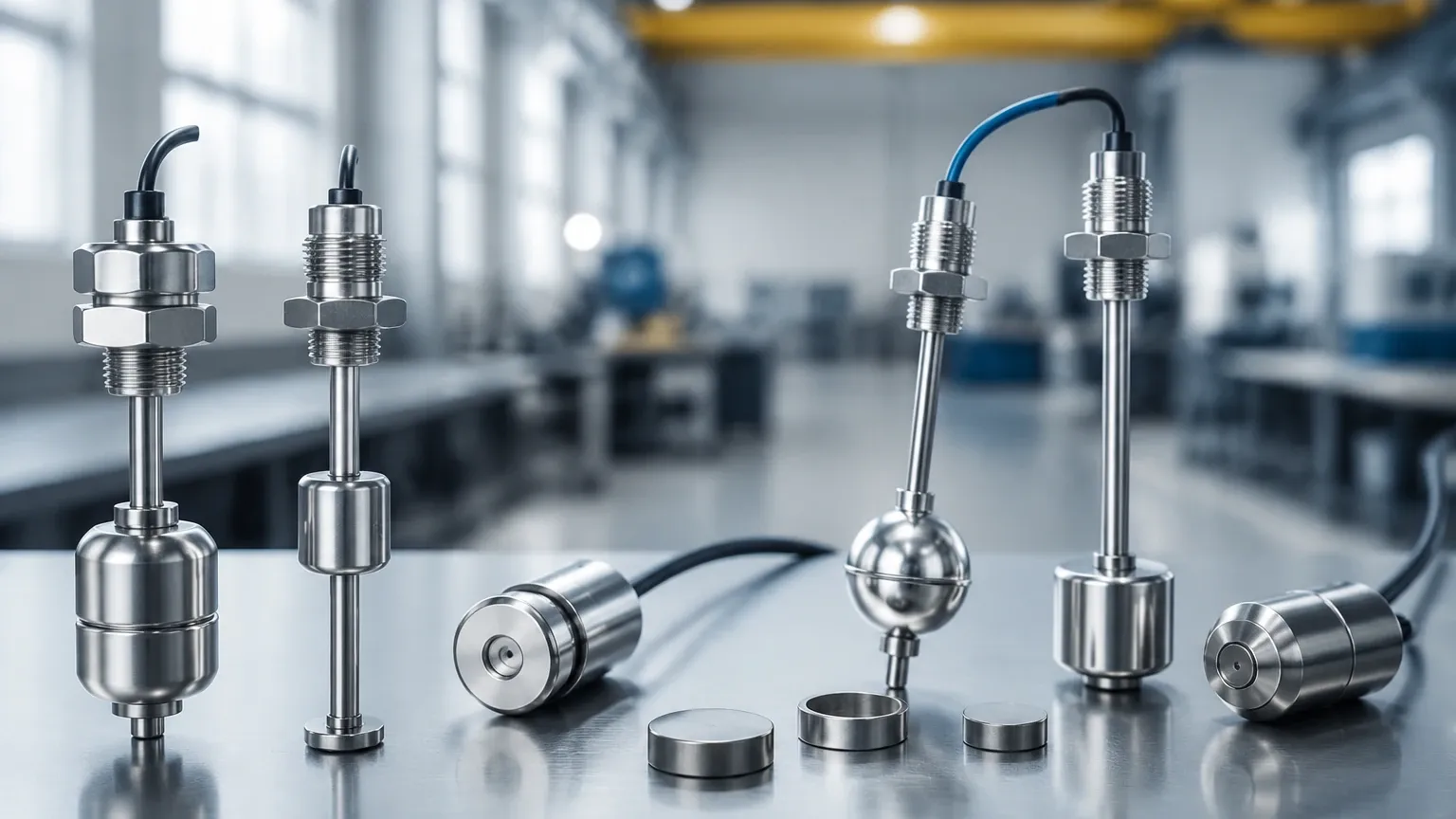
The most common configuration involves a hermetically sealed reed switch placed inside a stationary stem. A float, containing a permanent magnet, moves vertically along the stem as the liquid level changes. When the float reaches the position of the reed switch, the magnetic field causes the ferrous blades of the switch to touch, completing an electrical circuit. This non-contact actuation is a hallmark of Level Switches, as it eliminates the wear and tear associated with traditional mechanical linkages.
Magnetic Coupling and Bypass Systems
In more demanding applications, next level magnetic switches may utilize magnetic coupling through a chamber wall. In a magnetic bypass level indicator, a float resides inside a bypass chamber connected to the side of a tank. As the float moves, it coupled with an external switch mounted on the outside of the chamber. This design ensures that the electrical components never come into contact with the process media, making it ideal for toxic, flammable, or high-pressure fluids.
Key Features of Next Level Magnetic Switches
What distinguishes a "next level" switch from a standard component is the engineering focus on reliability under duress. Welk’s industrial-grade solutions incorporate several advanced features designed for the modern process plant:
1. Hermetic Sealing: High-tier switches use inert gas-filled reed switches or solid-state Hall effect sensors sealed in glass or ceramic. This prevents oxidation of the contacts and ensures a lifespan of millions of cycles.
2. High-Performance Magnets: The use of Samarium-Cobalt or high-grade Neodymium magnets allows these switches to operate at temperatures exceeding 300°C (572°F) without losing magnetic flux density.
3. Corrosion Resistance: Housings and floats are often constructed from 316L Stainless Steel, Titanium, or specialized plastics like PTFE and PVDF to withstand aggressive chemical environments.
4. Explosion-Proof Ratings: For oil and gas or chemical applications, next level magnetic switches are designed with ATEX or IECEx certifications, ensuring they can operate safely in hazardous zones.
Selection Criteria for Industrial Applications
Choosing the right magnetic switch requires a detailed analysis of the process environment. Engineers must look beyond simple "on/off" functionality and consider the following technical parameters:
Media Density (Specific Gravity)
The float must be lighter than the liquid it is intended to measure. For example, a float designed for water (SG 1.0) may not function in a light hydrocarbon (SG 0.6). Next level magnetic switches often offer customizable float weights to accommodate specific gravity ranges as low as 0.45.
Viscosity and Coating
If the liquid is highly viscous or prone to crystallization, a standard float may stick to the stem. In these cases, large-diameter floats or specialized "sludge-resistant" designs are required. For extremely sticky media, non-contact magnetic proximity switches or ultrasonic sensors may be more appropriate alternatives.
Pressure and Temperature
Standard plastic switches are typically limited to 2 bar (29 PSI) and 80°C (176°F). Industrial-grade stainless steel switches can handle pressures up to 100 bar (1450 PSI) and temperatures up to 400°C (752°F). It is critical to confirm that both the float and the switch housing are rated for the maximum possible process excursions.
Practical Selection Table: Magnetic Switch Technologies
| Feature | Miniature Magnetic Switch | Industrial Single-Point Switch | Multi-Point Magnetic Stem | External Magnetic Bypass Switch |
| :— | :— | :— | :— | :— |
| Typical Material | PP / PVDF / Nylon | 316L Stainless Steel | 316L / Titanium | 316L / Hastelloy |
| Max Temperature | 80°C (176°F) | 200°C (392°F) | 150°C (302°F) | 450°C (842°F) |
| Max Pressure | 5 bar (72 PSI) | 40 bar (580 PSI) | 30 bar (435 PSI) | 160 bar (2320 PSI) |
| Best Use Case | OEM Equipment / Small Tanks | Chemical Storage Tanks | Sumps / Multi-Level Control | High-Pressure Boilers |
| Mounting | Internal (Top/Bottom) | Internal (Top/Side) | Internal (Top) | External (Side-Side) |
Installation and Engineering Best Practices
Proper installation is as important as the selection of the hardware itself. Even the most advanced next level magnetic switches can fail if environmental factors are ignored.
* Avoid Magnetic Interference: Magnetic switches should be installed away from large motors, transformers, or ferromagnetic structures (like carbon steel tank walls). A minimum clearance of 100mm (approx. 4 inches) from steel walls is generally recommended to prevent the magnetic field from being distorted.
* Vertical Alignment: For stem-mounted switches, the unit must be installed within ±30° of vertical to ensure the float can move freely without binding. For side-mounted switches, horizontal alignment is critical for the pivot mechanism to function correctly.
* Switch Protection: While reed switches are durable, they are sensitive to high inductive loads (such as direct connection to a motor or a large solenoid). Using an intermediary relay or a protection circuit (like a varistor or RC snubber) will significantly extend the life of the switch contacts.
* Turbulence Management: In tanks with heavy agitation or splashing, the float may bounce, causing "chatter" in the electrical signal. Installing a stilling well (a perforated pipe that surrounds the stem) can stabilize the float and provide a clean signal.
Limitations and Operating Constraints
While magnetic level switches are versatile, they are not universal solutions. Engineers should be aware of the following limitations:
* Magnetic Particles: If the process fluid contains iron filings or magnetic scale, these particles will adhere to the float's magnet. Over time, this buildup will increase the float's weight or cause it to jam against the stem. In such environments, magnetic filters must be used upstream, or a non-magnetic technology (like ultrasonic or radar) should be considered.
* Physical Obstructions: Because these are moving-part sensors, they are susceptible to mechanical failure if the float is obstructed by debris or heavy scale buildup.
* Point vs. Continuous: Magnetic switches provide point-level detection (e.g., High, Low, or High-High). If the application requires knowing the exact percentage of the tank volume at all times, a magnetic level transmitter or radar level meter is required instead.
Frequently Asked Questions (FAQ)
Q: Can magnetic level switches be used in food and beverage applications?
A: Yes, provided they are constructed from food-grade materials like 316L stainless steel and feature sanitary fittings (e.g., Tri-Clamp). Welk provides customized OEM/ODM services to meet specific hygienic standards.
Q: What is the difference between a Normally Open (NO) and Normally Closed (NC) switch?
A: A Normally Open switch remains open (no current flow) until the float reaches the set point. A Normally Closed switch remains closed (current flows) until the float moves it to the open position. Most next level magnetic switches allow the user to reverse the action by simply flipping the float 180° on the stem.
Q: How do I test a magnetic level switch during maintenance?
A: The simplest method is to use a multimeter set to resistance (Ohms). Manually move the float along the stem and observe the meter. The resistance should drop to near zero when the switch is actuated and return to infinity when the float is moved away.
Conclusion
Investing in next level magnetic switches is a strategic decision for facilities aiming to reduce downtime and improve process safety. By understanding the principles of magnetic coupling and selecting materials that match the chemical and thermal demands of the application, engineers can implement a level control solution that lasts for years. Whether you are managing water treatment systems or high-pressure chemical reactors, the right magnetic switch provides the reliable "eyes and ears" necessary for automated success. For specific technical guidance or to explore custom configurations, professionals are encouraged to review product options and application support to ensure the selected hardware meets the precise needs of their project.