What Is a Level Switch Used for
What Is a Level Switch Used for
In the realm of industrial process control, maintaining the correct volume of liquids or solids within a vessel is critical for safety, efficiency, and equipment longevity. While continuous level transmitters provide a constant stream of data regarding the exact level, another class of instrument—the level switch—serves a more binary but equally vital role. Understanding what is a level switch used for requires a look at how these devices act as the "sentinels" of a tank, triggering specific actions when a material reaches a predetermined point.
A level switch is a point-level measurement device designed to detect the presence or absence of a substance at a specific height. Unlike a transmitter that outputs a 4-20mA or digital signal representing 0-100% volume, a level switch typically provides a relay output or transistor switch. This output is used to start or stop pumps, open or close valves, or trigger emergency alarms.
Measurement Principles and Technologies
Before exploring specific applications, it is essential to understand the physical principles that allow these devices to function. Different media and environmental conditions require different sensing technologies.
1. Buoyancy (Float Switches)
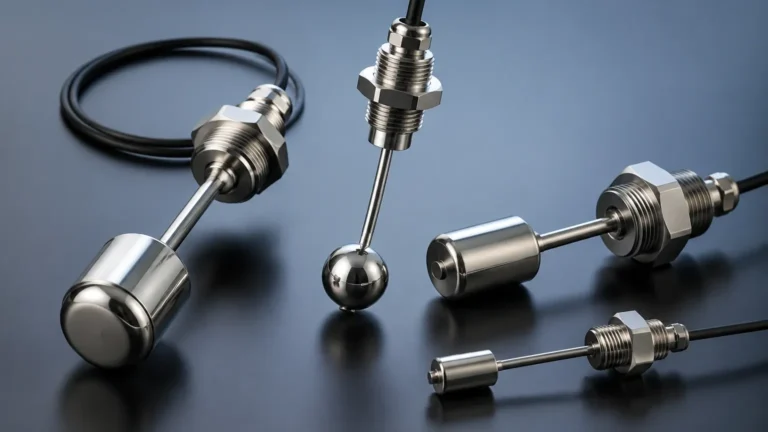
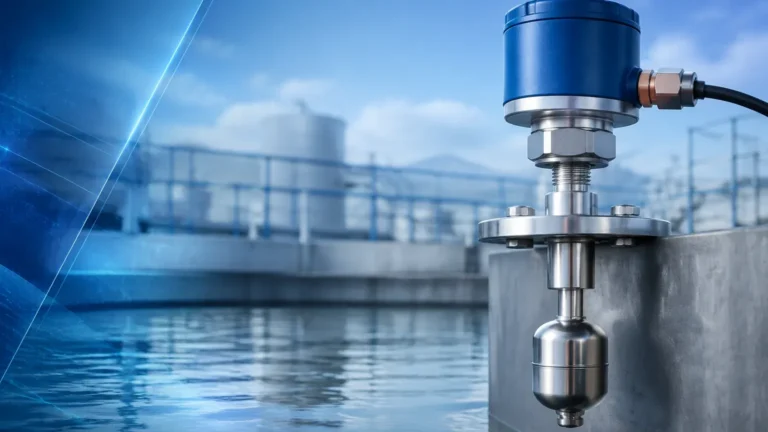
Float switches are among the most common and cost-effective technologies. They operate on the principle of buoyancy. A float containing a magnet moves with the liquid level. When the float reaches a specific point, the magnetic field actuates a reed switch or a microswitch. These are ideal for clean liquids like water or light oils but can struggle with viscous or coating-prone substances.
2. Vibration (Tuning Fork Switches)
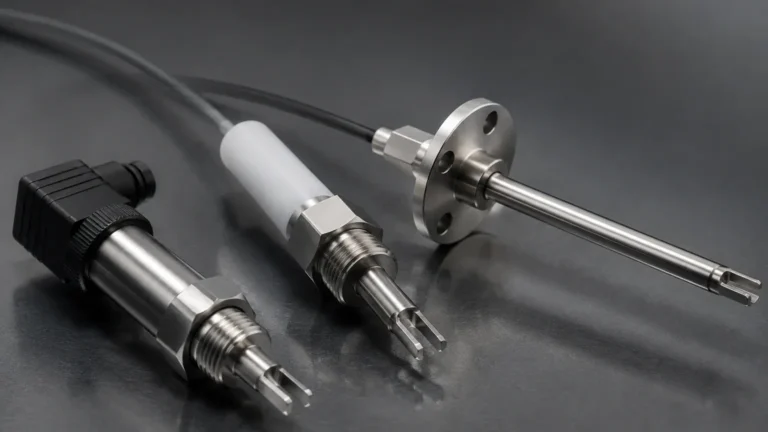
Often used for both liquids and granular solids, vibrating level switches utilize a sensing element shaped like a tuning fork. A piezoelectric crystal vibrates the fork at its natural resonant frequency in the air. When the fork is submerged in the medium, the frequency changes or the vibration is dampened. The electronics detect this change and switch the output. These are highly reliable as they are generally unaffected by flow, turbulence, bubbles, or foam.
3. Capacitance
Capacitive switches treat the sensor probe and the tank wall (or a second probe) as two plates of a capacitor. As the medium displaces air around the probe, the dielectric constant changes, thereby changing the capacitance. This technology is versatile but requires calibration to the specific dielectric constant of the material being measured.
4. Conductivity
Used exclusively for conductive liquids (usually water-based), these switches use a low-voltage electrode. When the liquid touches the electrode, it completes an electrical circuit between the probe and the tank wall (or a ground probe). This is a simple, no-moving-parts solution for wastewater and chemical processing.
5. Ultrasonic and Optical
Non-contact or semi-contact switches use sound waves or light refraction. Ultrasonic switches emit a high-frequency sound pulse that reflects off the material surface. Optical switches use an infrared LED and a light receiver; when liquid covers the sensing tip, the light is refracted into the liquid rather than reflected back to the receiver.
What Is a Level Switch Used for: Primary Industrial Roles
In industrial automation, Level Switches are deployed to solve four primary operational challenges.
High-Level Alarm and Overfill Protection
Perhaps the most critical use of a level switch is as a safety backup. In large storage tanks, particularly those containing hazardous chemicals or hydrocarbons, an overfill can lead to environmental disasters, fires, or significant financial loss. A high-level switch (often referred to as a "High-High" alarm) is installed at the very top of the tank. If the primary continuous level transmitter fails or the control system glitches, the level switch provides an independent hard-wired signal to shut down the inlet pump or close the feed valve immediately.
Low-Level Alarm and Dry Run Protection
Conversely, many industrial processes depend on a constant supply of fluid. If a tank runs dry, downstream pumps can suffer cavitation or mechanical seal failure, leading to expensive repairs and downtime. A level switch installed near the bottom of a tank ensures that the system is alerted before the liquid level drops below the pump intake. This is a standard requirement in cooling towers, boiler feed systems, and fuel supply lines.
Pump Control (Auto-Fill and Auto-Empty)
Level switches are frequently used in pairs to automate the filling or emptying of a vessel. For example, in a wastewater sump, a "Low" switch might turn the pump off, while a "High" switch turns the pump on. This creates a hysteresis loop that prevents the pump from "cycling" (turning on and off too rapidly), which would otherwise overheat the motor.
Interface Detection
In some specialized applications, particularly in the oil and gas or chemical industries, a level switch is used to detect the interface between two immiscible liquids, such as oil and water. By calibrating the switch (usually a float with a specific density or a capacitive probe) to react only to the denser liquid, operators can automate the draining of water from the bottom of an oil storage tank.
Application Selection Table
Choosing the right technology depends heavily on the physical properties of the media. The following table provides a general guideline for selection based on common industrial requirements.
| Technology | Best Suited For | Limitations | Typical Media |
| :— | :— | :— | :— |
| Float | Clean, non-coating liquids | Moving parts can jam; sensitive to density changes | Water, Diesel, Light Oils |
| Vibrating Fork | Liquids, powders, and granules | Not for very high viscosity or heavy build-up | Slurries, Grains, Acids |
| Capacitive | Aggressive chemicals, solids | Requires calibration; affected by moisture changes | Plastic Pellets, Corrosive Chemicals |
| Conductive | Simple water-based applications | Requires conductive media; probe coating issues | Wastewater, Fruit Juices |
| Ultrasonic | Non-contact requirements | Affected by heavy foam or vapor | Potable Water, Wastewater |
Engineering and Installation Considerations
To ensure a level switch performs its intended function reliably, several engineering factors must be addressed during the design and installation phase.
1. Mounting Orientation
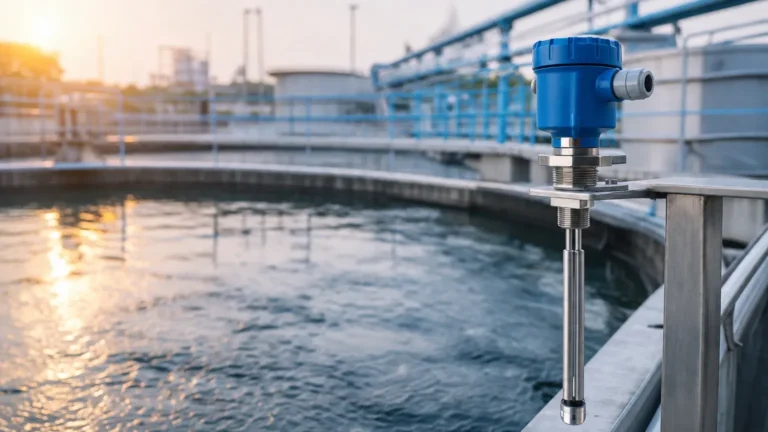
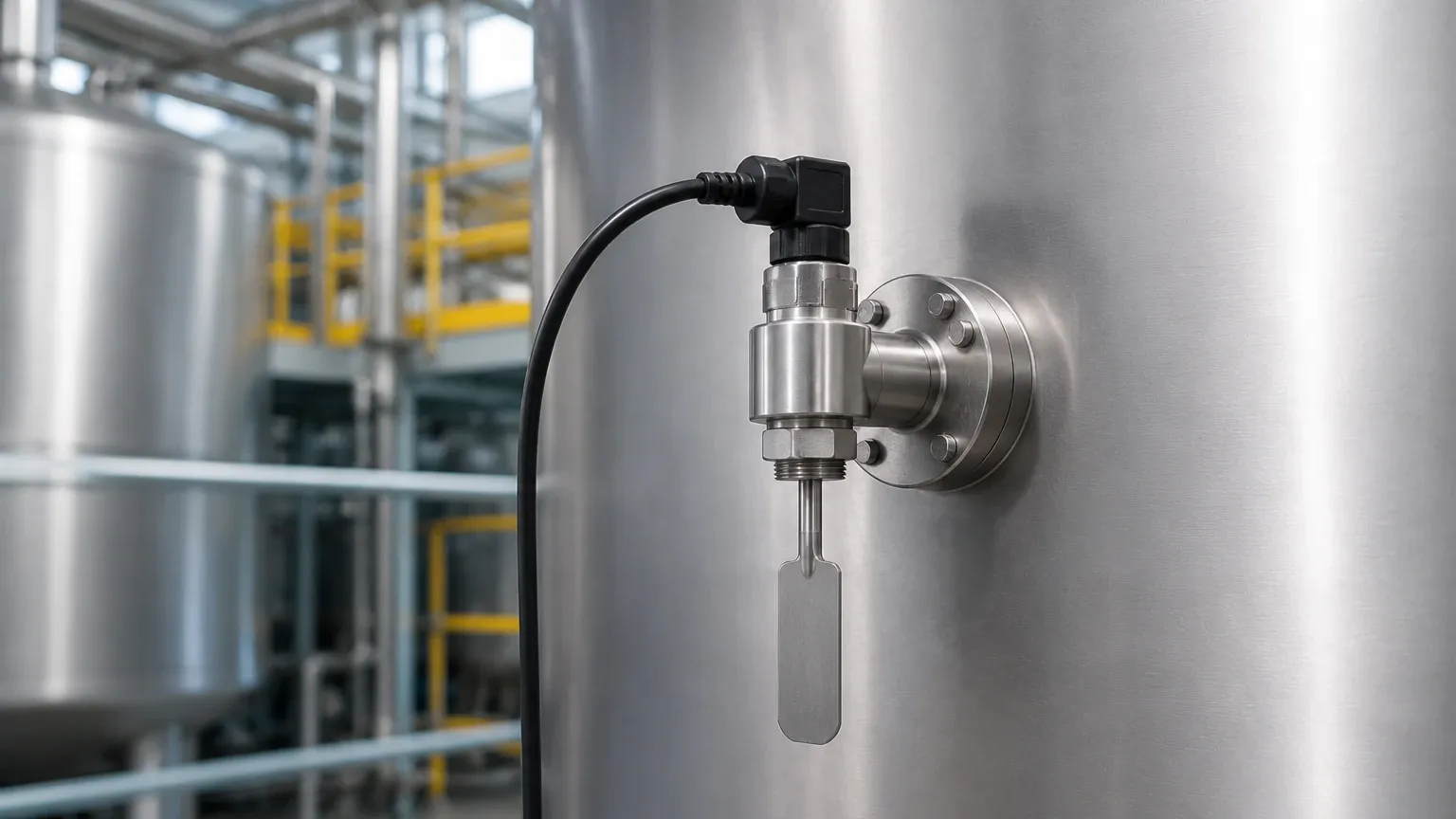
Level switches can typically be mounted either horizontally (through the side of the tank) or vertically (from the top). Side mounting is common for point-level detection because it allows for precise positioning of the switch point. However, top mounting is preferred for deep tanks or when side access is restricted by insulation or surrounding equipment.
2. Turbulence and Agitation
In tanks with mixers or high-velocity inflows, the liquid surface may be turbulent. This can cause a switch to "chatter," rapidly opening and closing. In these environments, engineers often use a stilling well (a pipe that surrounds the sensor to provide a calm surface) or select a switch with a built-in time delay (typically 1 to 10 seconds) to filter out momentary fluctuations.
3. Material Compatibility
The wetted parts of the switch—the components that actually touch the media—must be chemically compatible. While Stainless Steel (316L) is the industry standard, highly corrosive environments like hydrochloric acid storage require plastic coatings (like PTFE or PVDF) or specialized alloys (like Hastelloy).
4. Pressure and Temperature
Standard level switches are often rated for atmospheric pressure and moderate temperatures. However, in boiler applications or chemical reactors, switches must withstand pressures exceeding 40 bar and temperatures above 200°C. Always verify the process connection type (NPT, BSP, or Flanged) and its pressure rating.
Limitations of Level Switches
While level switches are indispensable, they are not universal solutions. One primary limitation is that they provide no information about the volume of material between the switch points. If a plant manager needs to know exactly how many liters of fuel are left in a tank at any given moment, a continuous level transmitter (such as a radar or ultrasonic sensor) is required.
Additionally, mechanical switches (like floats or paddles) are subject to wear and tear. Over time, pivots can corrode or magnets can lose their strength. In safety-critical applications, modern facilities are increasingly moving toward solid-state technologies like vibrating forks or radar-based point switches to minimize maintenance requirements.
Frequently Asked Questions (FAQs)
Q: Can a level switch be used for both liquids and solids?
A: Yes, but the technology must be chosen carefully. Vibrating fork switches and rotating paddle switches are excellent for solids like sand or grain, whereas float switches are strictly for liquids.
Q: What is the difference between a normally open (NO) and normally closed (NC) level switch?
A: This refers to the state of the electrical circuit when the switch is not activated. A "Normally Open" switch closes the circuit when the level reaches it, while a "Normally Closed" switch opens the circuit. For safety-critical high-level alarms, NC is often preferred because a broken wire will trigger the alarm, providing a "fail-safe" mechanism.
Q: Do level switches require regular calibration?
A: Most mechanical and vibrating switches do not require calibration. However, capacitive and some ultrasonic switches may need to be calibrated to the specific dielectric constant or density of the material being measured.
Q: Can I use a level switch in a tank with foam?
A: Foam can be challenging. Many switches, like ultrasonic or optical ones, may mistake the top of the foam for the liquid level. Vibrating forks are generally the best choice for foamy applications as they are designed to ignore the low density of foam and only trigger when submerged in the liquid.
Conclusion
When asking "what is a level switch used for," the answer lies in the fundamental need for automated protection and control. Whether it is preventing a pump from running dry in a municipal water treatment plant or acting as the final line of defense against a chemical spill, these devices are the backbone of industrial safety. By selecting the appropriate measurement principle—be it buoyancy, vibration, or conductivity—and adhering to rigorous installation standards, engineers can ensure reliable operation across a vast array of challenging environments. For those looking to implement these solutions, exploring a variety of specialized Level Switches is the best way to match the technology to the specific rigors of the application.