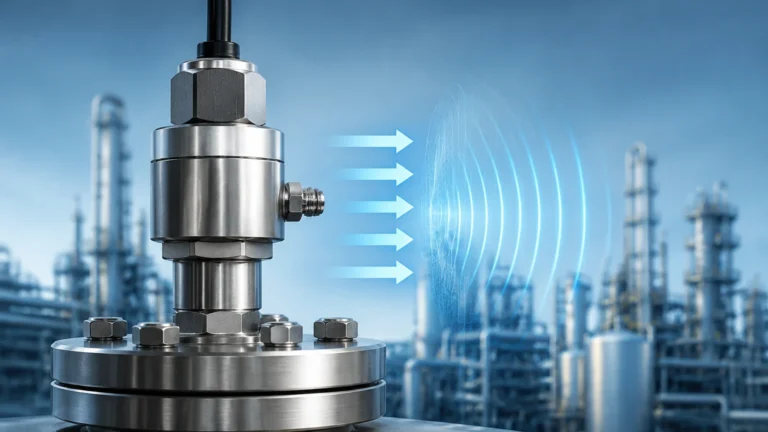
Industrial Ph Meter
Industrial Ph Meter
In the landscape of industrial process control, the measurement of liquid properties is as critical as the measurement of volume and level. An industrial ph meter is a precision instrument designed to measure the hydrogen-ion activity in water-based solutions, indicating its acidity or alkalinity expressed as pH. Unlike laboratory versions, industrial-grade pH meters are engineered to withstand harsh environments, including high pressures, extreme temperatures, and corrosive chemical exposures, providing continuous real-time data to automation systems.
For engineers managing complex tank systems or wastewater treatment plants, integrating liquid analysis with physical measurements—such as those found on the Main Page of instrumentation providers—ensures both the safety of the vessel and the quality of the medium. Understanding the underlying principles and selection criteria for these sensors is essential for maintaining process stability and regulatory compliance.
Measurement Principles of pH Sensors
The operation of an industrial ph meter is based on electrochemical principles, specifically the potential difference generated between two electrodes immersed in a solution. Most modern industrial systems utilize a combined electrode probe that houses both the sensing and reference elements in a single body.
The Glass Electrode
At the heart of the sensor is a pH-sensitive glass membrane. When this membrane comes into contact with an aqueous solution, a hydrated gel layer forms on both the outside and the inside of the glass. The hydrogen ions in the process liquid interact with the outer layer, while the internal buffer solution (usually with a neutral pH of 7) interacts with the inner layer. This creates a potential difference across the glass membrane that is proportional to the pH of the liquid, following the Nernst Equation.
The Reference Electrode
To measure the potential generated by the glass electrode, a stable reference point is required. The reference electrode provides a constant electrochemical potential, regardless of the pH of the solution. It typically consists of a silver/silver chloride (Ag/AgCl) element immersed in a concentrated potassium chloride (KCl) electrolyte. A junction, often made of porous ceramic or Teflon, allows a slow leakage of electrolyte into the process liquid to complete the electrical circuit.
Temperature Compensation
The Nernst Equation is temperature-dependent. As the temperature of the liquid rises, the voltage produced by the electrodes for a given pH change also increases. Therefore, an industrial ph meter must include an Automatic Temperature Compensation (ATC) element, usually a PT100 or PT1000 RTD sensor, to adjust the pH calculation based on the current process temperature.
Key Components of Industrial pH Systems
A complete industrial pH measurement loop consists of three primary components:
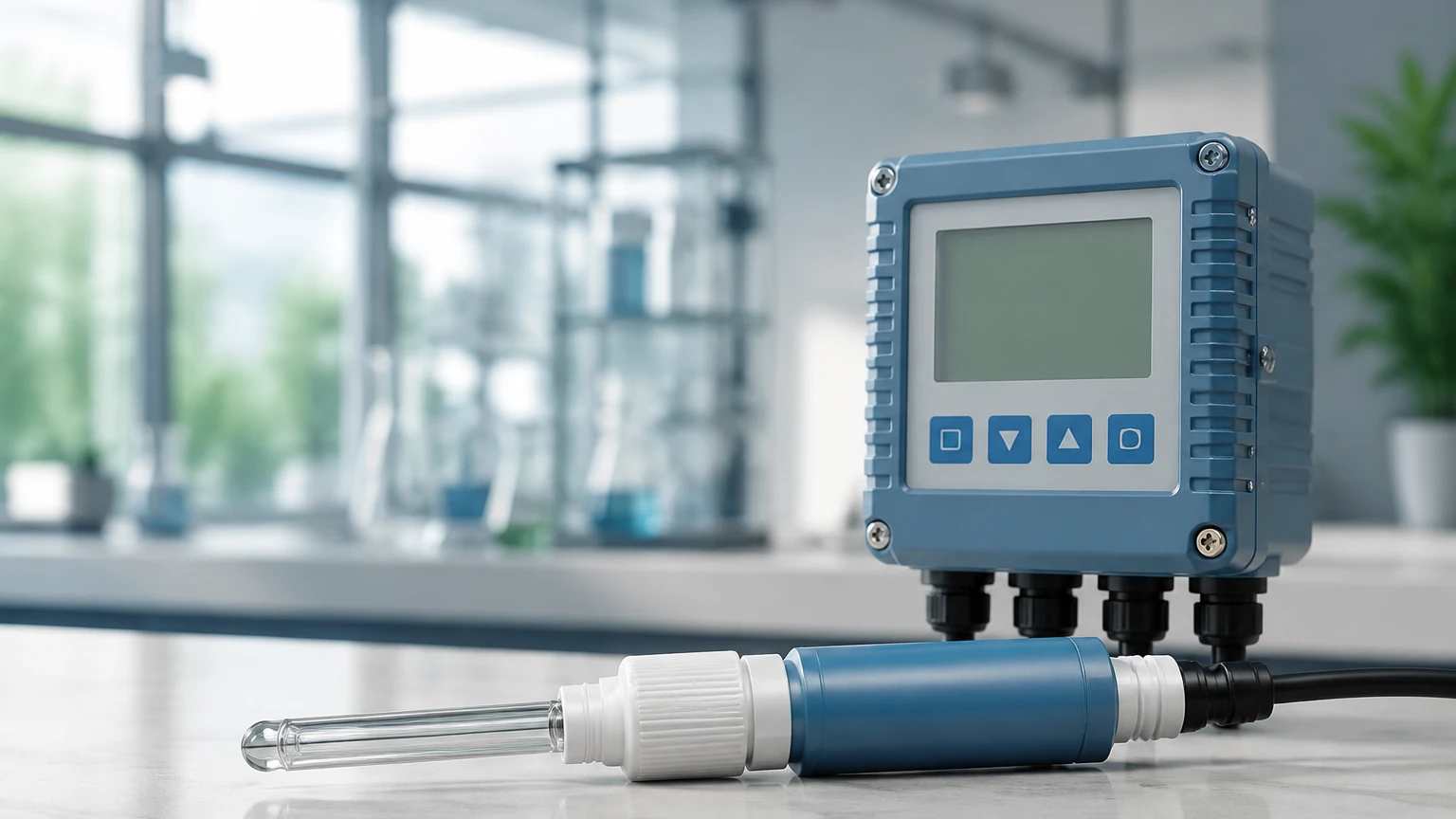
1. The Sensor (Electrode): The primary sensing element that contacts the fluid. In industrial settings, these are often designed as "heavy-duty" with thickened glass or specialized junctions to prevent fouling.
2. The Transmitter/Controller: This device receives the millivolt signal from the sensor, converts it into a pH value, and provides outputs such as 4-20mA, RS485 (Modbus), or HART. It also handles calibration routines and diagnostic alerts.
3. The Mounting Assembly: This includes immersion probes, flow-through cells, or retractable housings that allow the sensor to be inserted into pipes or tanks without shutting down the process.
Practical Selection Criteria for Industrial Ph Meters
Selecting the right industrial ph meter requires a thorough analysis of the process conditions. Using a generic sensor in a specialized application often leads to rapid electrode failure or frequent drift.
| Feature | Application Context | Recommendation |
| :— | :— | :— |
| Junction Type | Wastewater with high solids | Open junction or solid polymer electrolyte |
| Glass Type | High-temperature processes (>80°C) | High-temp resistant glass membrane |
| Body Material | Corrosive chemical tanks | PVDF, PTFE, or Stainless Steel |
| Pressure Rating | Inline pipe measurement | Rated for at least 6-10 Bar (0.6-1.0 MPa) |
| Reference System | Solutions containing sulfides or heavy metals | Double junction reference to prevent poisoning |
Chemical Compatibility
The materials of the sensor body and the O-rings must be compatible with the process medium. For example, in the chemical industry where hydrofluoric acid (HF) is present, standard glass electrodes will dissolve. In such cases, specialized HF-resistant glass or non-glass ISFET (Ion-Sensitive Field-Effect Transistor) sensors are required.
Installation Considerations and Best Practices
The physical placement of an industrial ph meter significantly impacts its longevity and accuracy. Unlike level measurement instruments like radar or ultrasonic sensors, pH electrodes are intrusive and require direct contact with the flow.
Mounting Angle
Standard glass pH electrodes should never be installed horizontally or upside down. They must be installed at an angle of at least 15° above the horizontal. This ensures that the internal electrolyte stays in contact with the glass membrane and that air bubbles do not become trapped inside the electrode bulb, which would break the electrical circuit.
Flow Rate and Turbulence
While some flow is necessary to ensure a representative sample and to keep the electrode clean, excessive velocity can cause "streaming potentials" (electrical noise) or physical erosion of the glass. Conversely, in stagnant areas, solids may settle on the sensor. A flow velocity between 0.5 m/s and 2 m/s is generally ideal for inline installations.
Grounding and Interference
Because pH sensors produce a high-impedance millivolt signal, they are susceptible to electromagnetic interference (EMI) and ground loops. Using shielded cables and ensuring the transmitter is properly grounded to the process piping is vital for stable readings.
Maintenance, Calibration, and Troubleshooting
An industrial ph meter is not a "fit and forget" device. It is a consumable item that degrades over time due to the depletion of the reference electrolyte and the aging of the glass membrane.
1. Calibration: Regular calibration using standard buffer solutions (typically pH 4.01, 7.00, and 10.01) is mandatory. In most industrial applications, this is performed weekly or monthly depending on the required precision.
2. Cleaning: Fouling of the glass membrane or clogging of the reference junction is the most common cause of sluggish response or drift. Sensors should be cleaned with appropriate agents—dilute HCl for mineral scales or detergents for oils and greases.
3. Storage: pH electrodes must never be stored dry. If the sensor is removed from the process, it should be kept in a storage solution (usually 3M KCl) to keep the hydrated gel layer active.
Limitations of Industrial pH Measurement
Despite their advanced design, industrial ph meters have inherent limitations. They cannot measure pH in non-aqueous solutions (like pure oils) without specialized solvent-compatible electrolytes. Furthermore, very low conductivity water (e.g., ultrapure water in power plants) presents challenges because the lack of ions makes it difficult to establish a stable electrical circuit between the sensing and reference electrodes. In these scenarios, flowing reference junctions with high electrolyte leak rates are necessary.
Integration with Level and Process Control
In many industrial sectors, such as chemical manufacturing and water treatment, pH monitoring is performed in tandem with level measurement. For instance, in a neutralization tank, a radar level meter monitors the volume of the effluent while the industrial ph meter controls the dosing pumps for acid or caustic reagents. Modern facilities often integrate these sensors into a unified SCADA system to ensure that tanks do not overflow and that the chemical discharge remains within environmental limits.
Welk, as a specialist in level measurement, recognizes that accurate process control requires a holistic view of the vessel's contents. While level meters provide the "how much," analytical instruments provide the "what state," and both are required for optimized industrial automation.
Frequently Asked Questions (FAQ)
Q: How long does an industrial pH electrode typically last?
A: In mild conditions, an electrode may last 12 to 24 months. In harsh conditions, such as high temperature or extreme pH, the lifespan may be reduced to 3 to 6 months.
Q: Can I use a standard cable to extend the distance between the sensor and transmitter?
A: No. pH signals are extremely high-impedance. You must use specialized low-noise coaxial cables. For distances exceeding 15-20 meters, a pre-amplifier or a digital sensor (where the signal is converted at the probe head) is recommended.
Q: What is the difference between a 2-wire and a 4-wire pH transmitter?
A: A 2-wire transmitter is loop-powered (the same two wires carry power and the 4-20mA signal), making it easier to wire in hazardous areas. A 4-wire transmitter has separate power and signal lines, often allowing for more powerful displays and additional relay outputs.
Q: Why does my pH reading drift after calibration?
A: This is often caused by temperature fluctuations if the ATC is not working, or by a clogged reference junction. It can also occur if the sensor was not allowed to stabilize in the buffer solution during the calibration process.
By carefully selecting the electrode geometry, junction type, and transmitter features, engineers can ensure that their industrial ph meter provides the reliable data necessary for safe and efficient process operations.