Vrxs 212
Vrxs 212
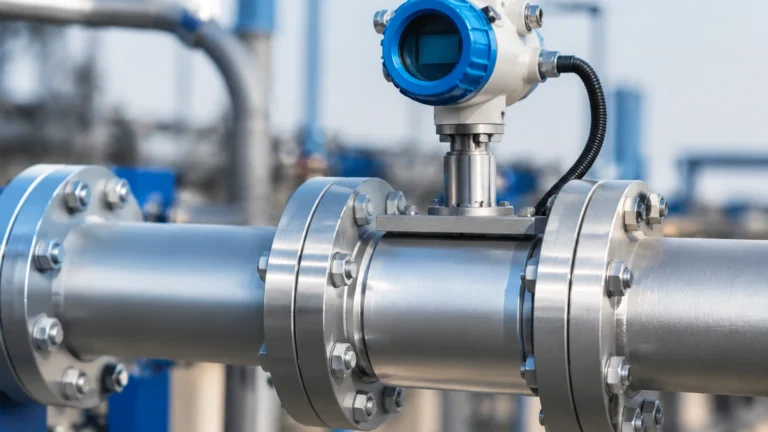
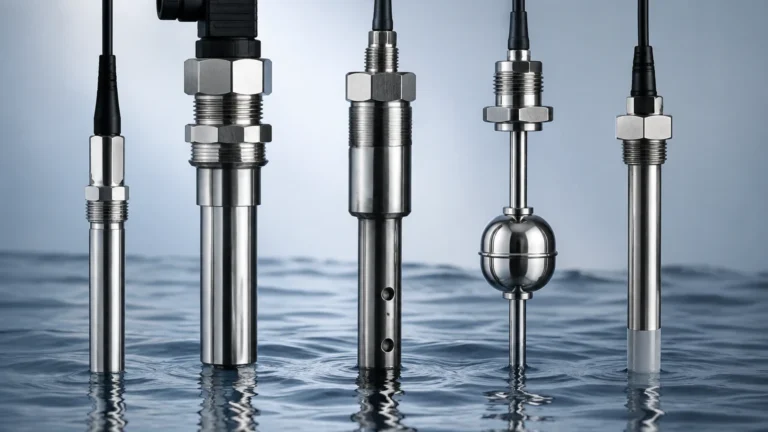
In the complex landscape of industrial process control, point level detection serves as a fundamental safety and operational layer. The vrxs 212 is a specialized vibrating level switch designed to provide high-precision monitoring of liquid levels in tanks, pipes, and vessels. As a critical component in automation, this instrument prevents tank overfills, protects pumps from dry running, and ensures that process sequences occur only when specific volume thresholds are met.
For engineers and procurement specialists evaluating level measurement technologies, understanding the mechanical and electronic nuances of the vrxs 212 is essential. This guide provides a technical deep dive into its operating principles, application suitability, and installation requirements to facilitate informed decision-making for industrial infrastructure.
Principle of Operation
The vrxs 212 operates on the principle of vibrating technology, often referred to as a "tuning fork" or "vibrating rod" sensor. The core of the device consists of a sensing element—typically a fork-shaped probe—that is energized by an internal piezoelectric crystal.
Piezoelectric Excitation
Under normal conditions, when the probe is in the air (or a gaseous headspace), the piezoelectric element drives the fork to vibrate at its natural resonant frequency. This frequency is precisely monitored by the integrated electronics. The vibration is maintained with minimal energy, as there is no physical resistance from the surrounding medium.
Damping and Frequency Shift
When the liquid level rises and comes into contact with the vibrating fork of the vrxs 212, the physical mass and viscosity of the liquid dampen the vibration. This contact causes a significant shift in the resonant frequency or a complete cessation of the vibration amplitude. The electronic module detects this change within milliseconds and converts it into a switching signal.
Because the measurement relies on physical damping rather than electrical properties like conductivity or dielectric constant, the vrxs 212 is largely unaffected by changes in the liquid’s chemical composition, pressure, or temperature, provided these remain within the hardware's rated specifications. This makes it a more reliable choice than traditional float switches or capacitive sensors in many demanding environments.
Technical Specifications and Material Construction
To ensure longevity in corrosive or high-pressure environments, the construction of the vrxs 212 follows strict industrial standards. Welk utilizes high-grade materials to ensure compatibility with a wide range of process fluids.
* Wetted Parts: Typically constructed from 316L stainless steel (1.4404/1.4435). For highly aggressive media, specialized coatings like PFA or ECTFE may be applied.
* Process Temperature: Standard models operate from -50°C to +150°C (-58°F to +302°F). High-temperature variants can extend this range up to +250°C (+482°F).
* Process Pressure: Designed to withstand pressures ranging from vacuum conditions up to 64 bar (928 psi), depending on the flange or thread connection used.
* Viscosity Range: Capable of handling liquids with viscosities up to 10,000 mPa·s, making it suitable for oils, syrups, and even some slurries.
* Density Requirements: The device is sensitive enough to detect media with densities as low as 0.5 g/cm³ (31.2 lb/ft³).
For a comprehensive overview of available configurations and how they integrate into broader automation systems, professionals can Review product options and application support on our Main Page.
Selection Criteria for Vrxs 212
Choosing the correct configuration of the vrxs 212 requires an analysis of the process environment and the desired output signal. The following table outlines the primary selection parameters for engineering teams.
| Feature | Standard Configuration | Extended/Specialized Version |
| :— | :— | :— |
| Probe Length | Compact (approx. 40mm / 1.57") | Extended tube (up to 3000mm / 118") |
| Output Type | Relay (DPDT) or Transistor (PNP) | Two-wire (8/16mA) or NAMUR |
| Housing Material | Plastic or Aluminum | Electropolished 316L Stainless Steel |
| Process Connection | G¾" or G1" Thread | ANSI/DIN Flanges or Tri-Clamp |
| Certifications | General Purpose / IP66/67 | ATEX/IECEx Explosion-proof |
When selecting a unit, engineers must confirm if the medium has a tendency to form heavy crusting or buildup. While the vrxs 212 is designed to ignore minor coatings, extremely viscous or "sticky" substances may require the use of a larger fork or a specific orientation to allow for self-cleaning.
Installation Guidelines and Best Practices
The reliability of the vrxs 212 is heavily dependent on correct physical installation. Improper mounting can lead to false triggers or mechanical damage over time.
Orientation and Positioning
* Side Mounting: When installed horizontally in the side of a tank, the fork tines should be oriented vertically (one above the other). This prevents liquid from "bridging" between the tines, which could cause a false high-level alarm as the liquid recedes.
* Top Mounting: For vertical installation, the probe length must be specified to reach the exact switching point. Ensure the probe is not positioned directly under a fill stream, as the impact of falling liquid can cause premature switching or mechanical fatigue.
Avoiding Mechanical Interference
* Clearance: Maintain at least 20mm (0.8") of clearance from tank walls or internal baffles to avoid acoustic interference or physical contact.
* Nozzle Length: If mounting in a nozzle, the vibrating tines must extend fully into the vessel. If the tines remain inside the nozzle, the confined space may cause the liquid to linger, preventing the sensor from resetting when the level drops.
Electrical Connection
Use shielded cables for signal integrity, especially in environments with high electromagnetic interference (EMI). Ensure the cable gland is tightened to maintain the IP rating of the housing, and always implement a "drip loop" in the cabling to prevent moisture from migrating into the electronics head.

Limitations and Environmental Considerations
While the vrxs 212 is highly versatile, it is not a "one-size-fits-all" solution. Engineers should be aware of the following limitations:
1. Turbulence and Aeration: In tanks with heavy agitation or aeration, the effective density of the liquid may drop below the sensor's threshold. In such cases, a stilling well may be required.
2. Solid Particles: While the sensor can handle some suspended solids, large chunks or heavy debris can become lodged between the tines, causing a permanent "covered" signal.
3. Vacuum Applications: In high-vacuum environments, the seal integrity of the process connection is paramount. Ensure that the selected vrxs 212 model is rated for the specific vacuum level of the process.
Maintenance and Troubleshooting
The vrxs 212 is designed for low-maintenance operation due to its lack of moving parts. However, periodic inspections are recommended in critical safety loops.
* Visual Inspection: Check for signs of corrosion on the tines or buildup of material. If buildup is present, clean the tines with a soft brush or appropriate solvent; do not use abrasive tools that could scratch the stainless steel surface.
* Function Test: Most modern vrxs 212 units include a test magnet or a button on the electronic insert. Activating this simulates a covered state, allowing the operator to verify that the relay or transistor output is functioning correctly without filling the tank.
* Troubleshooting False Alarms: If the sensor indicates a "full" state when the tank is empty, check for material bridging between the tines. If the sensor indicates "empty" when submerged, verify that the power supply meets the minimum voltage requirements and that the density of the medium is within the sensor's range.
Frequently Asked Questions (FAQ)
Q: Can the vrxs 212 be used for dry bulk solids?
A: While primarily designed for liquids, certain versions of vibrating switches are optimized for light solids (like flour or plastic pellets). However, for heavy grains or ores, a dedicated vibrating rod sensor with a higher torque rating is usually preferred to prevent mechanical damage.
Q: Does the sensor require calibration for different liquids?
A: No. One of the primary advantages of the vrxs 212 is that it is "plug and play." It does not require calibration for changes in density or conductivity, provided the density remains above the minimum threshold (typically 0.5 g/cm³).
Q: What is the response time of the switch?
A: The standard response time for the vrxs 212 is approximately 500 milliseconds for covering and 1000 milliseconds for uncovering. This is sufficient for most industrial pump control and overflow protection applications.
Q: Is it possible to shorten the probe in the field?
A: No. The vibrating frequency of the vrxs 212 is factory-tuned based on the specific length and mass of the probe. Cutting or welding the probe will change its resonant frequency and render the device inoperable.
Conclusion
The vrxs 212 is a cornerstone of modern point level measurement, offering a blend of reliability, ease of use, and resistance to environmental variables. By understanding the piezoelectric principles that drive its operation and adhering to strict installation standards, facilities can significantly reduce the risk of process interruptions and equipment damage. For those looking to integrate these sensors into a broader automation strategy, visiting the Main Page provides access to technical documentation and expert support tailored to specific industry needs.