Weed Oil Extraction Machine
Weed Oil Extraction Machine
In the rapidly evolving botanical processing industry, the efficiency and safety of a weed oil extraction machine depend heavily on precise instrumentation. These industrial systems, whether utilizing ethanol, hydrocarbons, or supercritical CO2, require rigorous monitoring of liquid levels to ensure process repeatability, prevent tank overfills, and protect expensive pump equipment. For engineers and facility managers, selecting the correct level measurement technology is a critical step in system design and operational maintenance.
Industrial extraction involves complex fluid dynamics, varying pressures, and volatile solvents. Level sensors provide the data necessary for automated control loops, ensuring that solvent recovery and oil collection stages function within specified parameters. This guide explores the measurement principles, selection criteria, and installation best practices for level instrumentation within the context of botanical extraction systems.
Measurement Principles for Extraction Processes
Before selecting a sensor for a weed oil extraction machine, it is essential to understand the underlying physical principles of common measurement technologies. Each method interacts differently with the solvents and oils used in the process.
Radar Level Measurement (Non-Contact and Guided Wave)
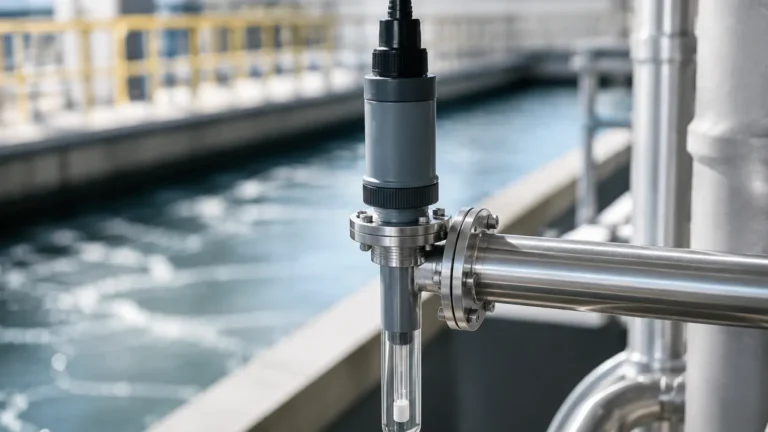
Radar technology relies on the emission of electromagnetic pulses. In non-contact radar, these pulses are transmitted through the air, reflect off the liquid surface, and return to the sensor. The time-of-flight determines the distance. Guided Wave Radar (GWR) uses a physical probe to direct the signal, which is particularly effective in low-dielectric liquids like hydrocarbons (butane/propane).
Ultrasonic Level Sensors
Ultrasonic sensors emit high-frequency sound waves. The time taken for the echo to return from the liquid surface is used to calculate the level. While cost-effective, these sensors are sensitive to air temperature, pressure changes, and the presence of heavy vapors or foam, which can attenuate the sound signal.
Hydrostatic Pressure Transmitters
This principle measures the pressure exerted by the liquid column at the bottom of a tank. Since pressure is directly proportional to the height of the liquid and its density ($P = \rho gh$), these sensors provide reliable continuous measurement. They are frequently used in large solvent storage tanks where the liquid density remains constant.
Magnetic Level Gauges
Magnetic gauges use a float containing a magnet that moves with the liquid level inside a bypass chamber. This magnet flips external flags for visual indication and can be paired with a reed chain transmitter for remote 4-20mA signaling. They are highly valued for their safety in high-pressure hydrocarbon extraction because they provide a physical visual backup without requiring power.
Level Measurement Applications in Extraction Systems
A professional weed oil extraction machine typically consists of several stages, each presenting unique challenges for level monitoring.
1. Solvent Storage Tanks: These tanks hold bulk ethanol or LPG. Level sensors here are used for inventory management and to prevent dry-running of delivery pumps. Guided wave radar is preferred here due to its immunity to turbulence during filling.
2. Extraction Vessels: This is where the solvent interacts with the plant material. Sensors must be able to withstand the specific solvent used and, in many cases, cryogenic temperatures (down to -40°C or -80°C).
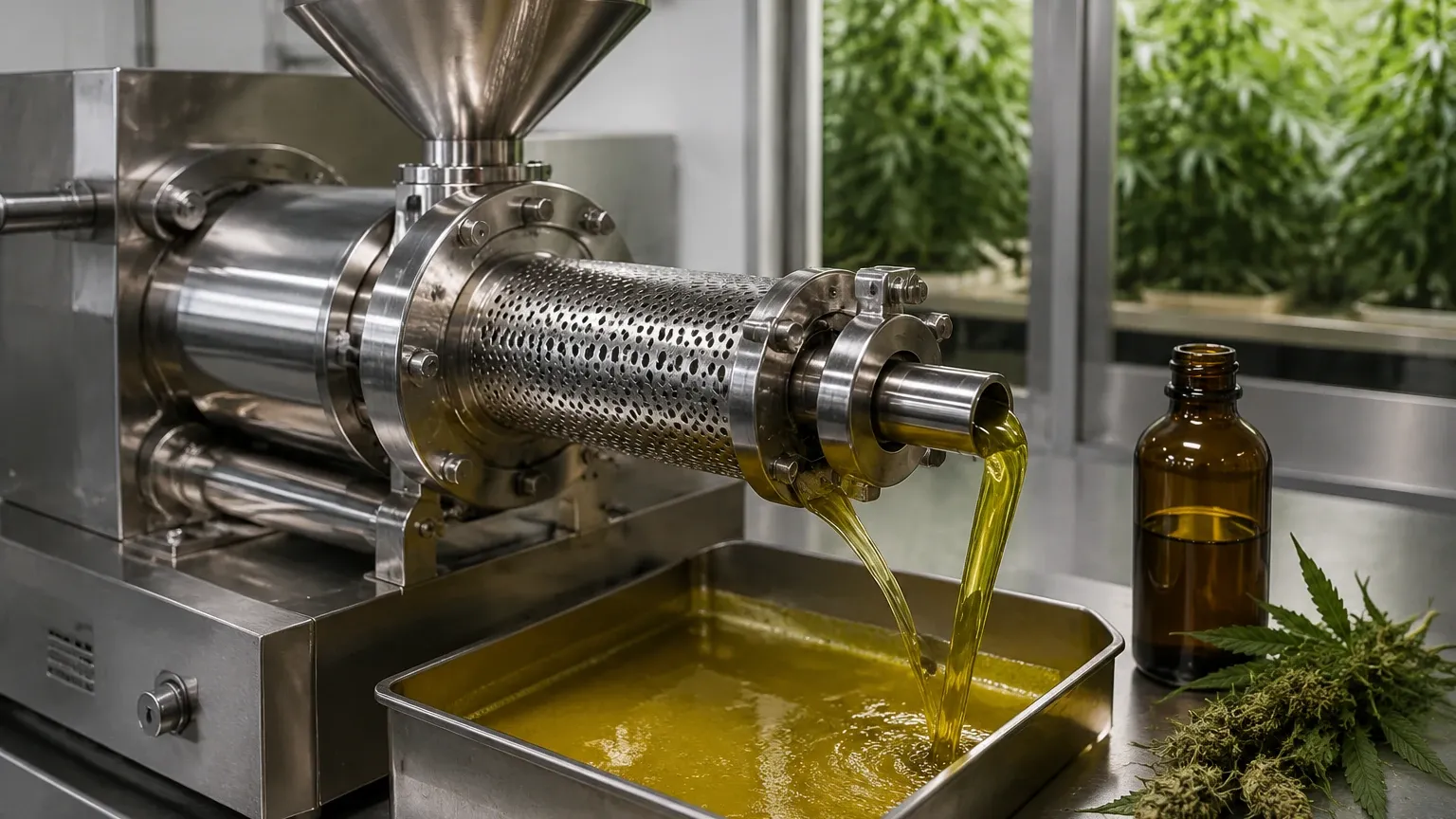
3. Separation and Collection Probes: After extraction, the solvent is evaporated, leaving the crude oil behind. Level sensors in the collection vessel must handle high-viscosity fluids. Non-contact radar is often the best choice here to avoid material buildup on the sensor probe.
4. Solvent Recovery Systems: Monitoring the level in the condenser and recovery tank is vital for ensuring the closed-loop system is balanced and that solvent is being reclaimed efficiently.
Technical Selection Criteria
Selecting the right instrument requires matching the sensor's capabilities with the physical properties of the media. The following table provides a general reference for typical extraction machine components.
| Application Stage | Typical Media | Recommended Technology | Key Reason |
| :— | :— | :— | :— |
| Bulk Storage | Ethanol / Hydrocarbons | Guided Wave Radar (GWR) | High accuracy in low-dielectric fluids. |
| Extraction Vessel | Solvent + Biomass | Magnetic Level Gauge | Visual safety and high-pressure resistance. |
| Recovery Tank | Reclaimed Solvent | Ultrasonic (Atmospheric) | Cost-effective for stable recovery tanks. |
| Crude Oil Collection | Concentrated Oil | 80GHz Non-contact Radar | No contact with viscous, sticky resins. |
| Waste/Water Buffer | Process Wastewater | Hydrostatic Transmitter | Reliable and easy to clean in large sumps. |
Installation and Safety Considerations
When integrating level sensors into a weed oil extraction machine, several engineering factors must be addressed to ensure long-term reliability and compliance with safety standards.
Hazardous Area Ratings
Most extraction processes involve flammable solvents (Class I, Division 1 or ATEX Zone 0/1 environments). All level sensors must carry the appropriate explosion-proof or intrinsically safe certifications. This includes not only the sensor head but also the cabling and barriers used in the control panel.
Sanitary Requirements
For systems producing food-grade or pharmaceutical-grade oils, the sensors must feature sanitary connections (such as Tri-Clamp fittings) and be constructed from 316L stainless steel. Surface finishes should meet Ra < 0.8 μm standards to prevent bacterial growth and facilitate Clean-in-Place (CIP) procedures.
Mounting Position
* Dead Zones: Every sensor has a "dead zone" or "blocking distance" at the top. Ensure the sensor is mounted high enough that the maximum fill level does not enter this zone.
* Obstructions: For radar and ultrasonic sensors, avoid mounting near fill pipes, agitators, or internal baffles that could cause false reflections.
* Stilling Wells: In tanks with high turbulence or foam, installing the sensor inside a stilling well can stabilize the liquid surface and provide a cleaner signal.
Limitations and Environmental Factors
No single technology is universal. Engineers must be aware of the limitations inherent in each measurement principle:
* Dielectric Constant ($ε_r$): Radar sensors rely on the dielectric constant of the liquid. Solvents like butane have very low $ε_r$ values (~1.4), which may require specialized high-sensitivity radar probes or Guided Wave Radar to ensure a strong return signal.
* Foam Interference: Heavy foam produced during the boiling or agitation of solvents can absorb ultrasonic and radar signals. In these cases, a magnetic level gauge or a displacement-based sensor may be more reliable.
* Temperature Extremes: Cryogenic ethanol extraction can cause standard sensor electronics to fail. Remote-mounted electronics or specialized thermal extensions are necessary for these applications.
* Vapor Layers: In pressurized hydrocarbon systems, the dense vapor layer can slow down the speed of sound, causing ultrasonic sensors to report inaccurate depths. Radar is generally unaffected by these vapor layers.
Frequently Asked Questions (FAQs)
Q: Can I use a single sensor for both solvent and oil measurement?
A: While possible, it is not recommended if the media properties differ significantly. For example, a hydrostatic sensor calibrated for ethanol will give an incorrect reading for crude oil due to the difference in density. Non-contact radar is the most versatile if the dielectric constant of both substances is within the sensor's range.
Q: How often do level sensors in an extraction machine need calibration?
A: Most modern digital sensors (Radar/Ultrasonic) are factory-calibrated and do not drift significantly. However, hydrostatic sensors should be checked annually as the diaphragm can experience fatigue or coating buildup over time.
Q: What is the benefit of 80GHz radar over 26GHz radar for this application?
A: 80GHz radar has a narrower beam angle, which allows it to avoid internal tank obstructions like agitator blades and cooling coils more effectively. It also provides better resolution when measuring through narrow nozzles.
Conclusion
Achieving precision in a weed oil extraction machine requires a nuanced understanding of how different fluids interact with measurement technologies. By prioritizing safety ratings, chemical compatibility, and the physical constraints of the extraction vessel, operators can significantly reduce downtime and improve product consistency. For a detailed look at specific sensor models and technical specifications for industrial level control, engineers should Review product options and application support on the Welk Main Page to find the most appropriate solution for their specific process requirements.