Z Ultrasonic Cleaner
Z Ultrasonic Cleaner
Ultrasonic technology has become a cornerstone of industrial process control and maintenance. Whether applied in high-precision cleaning systems like a z ultrasonic cleaner or in sophisticated monitoring via Ultrasonic Level Meters, the underlying physics of sound wave propagation remains constant. For engineers and facility managers, understanding how these waves interact with different media is essential for selecting the right equipment and ensuring long-term operational reliability.
This guide explores the fundamental principles of ultrasonic transducers, compares their application in cleaning and measurement, and provides a technical framework for implementing ultrasonic level sensing in industrial environments.
1. Measurement Principles: The Physics of Ultrasound
At the heart of both a z ultrasonic cleaner and an industrial level sensor is the ultrasonic transducer. This component typically utilizes the piezoelectric effect to convert electrical energy into mechanical vibrations (sound waves) and vice-versa.
The Piezoelectric Effect
When an alternating voltage is applied to a piezoelectric ceramic disk, the material expands and contracts at a specific frequency. This creates a mechanical longitudinal wave that travels through a medium (air, water, or chemical solvents). In cleaning applications, these waves are used to induce cavitation; in measurement applications, they are used to calculate distance.
Time of Flight (ToF) Principle
For level measurement, the instrument operates on the "Time of Flight" principle. The transducer emits a burst of ultrasonic pulses toward the surface of the material being measured. The waves travel through the air, hit the surface, and reflect back to the transducer.
The distance (D) is calculated using the formula:
D = (c × t) / 2
Where:
* c is the speed of sound in the medium (approximately 343 m/s in air at 20°C).
* t is the total time elapsed between emission and reception.
Because the speed of sound is highly dependent on air temperature, professional-grade Ultrasonic Level Meters include integrated temperature sensors to compensate for these variations in real-time, ensuring accuracy within ±0.25% of the measured range.
2. From Cleaning to Sensing: The Role of the Transducer
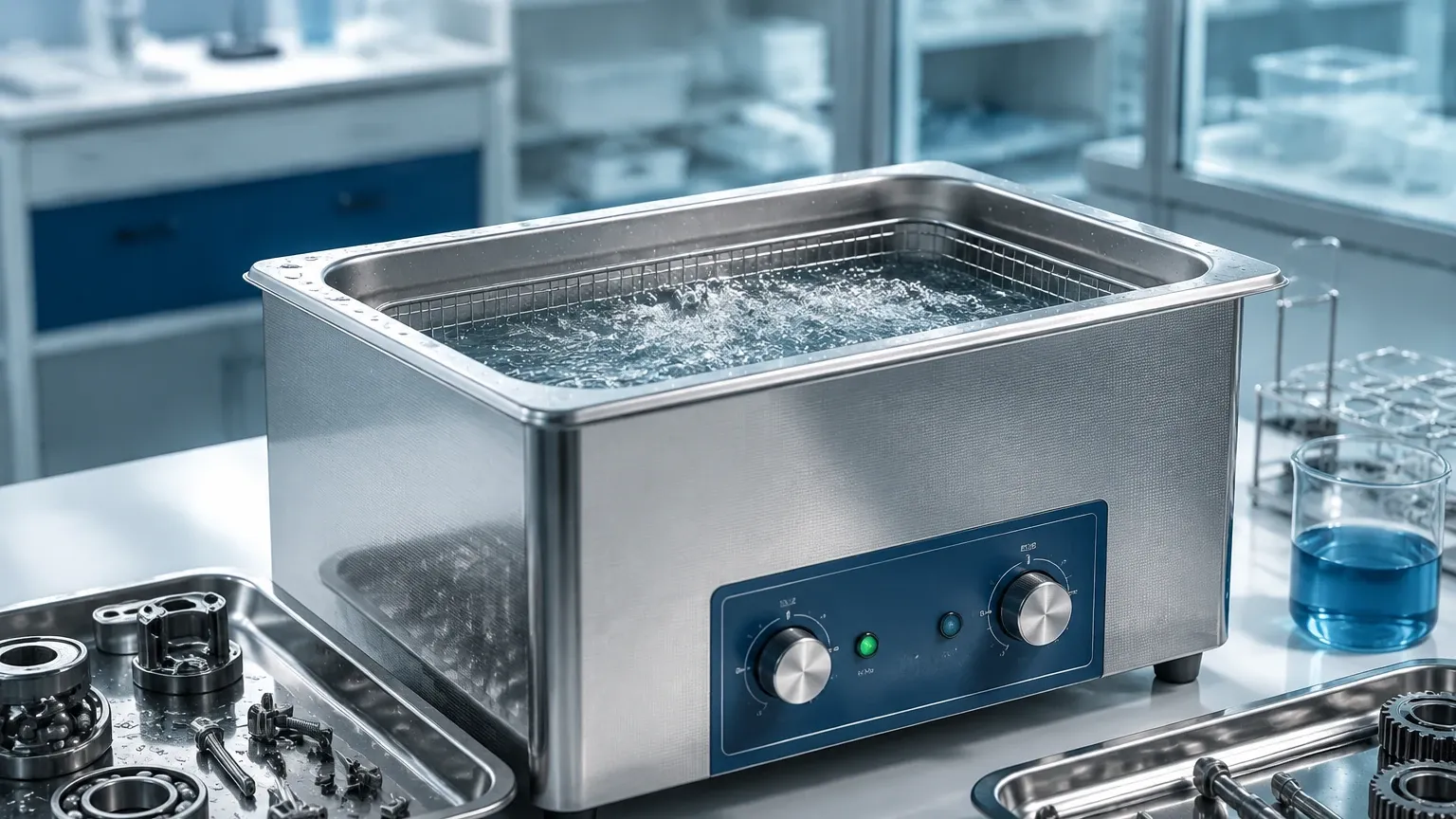
While the term z ultrasonic cleaner refers to a device designed to remove contaminants from parts through high-frequency sound in a liquid bath, the reliability of the transducers used in those systems mirrors the durability required for industrial level sensing.
In a z ultrasonic cleaner, the focus is on power density and frequency (often 28 kHz or 40 kHz) to create microscopic vacuum bubbles that implode (cavitation). In contrast, ultrasonic level measurement requires precise signal processing to distinguish the "true echo" from background noise caused by tank walls, agitators, or foam.
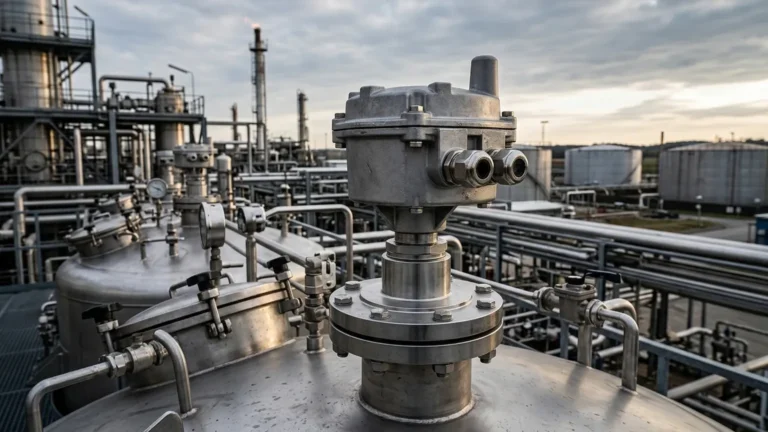
Engineers familiar with the maintenance of a z ultrasonic cleaner will recognize the importance of transducer housing materials. Just as a cleaner tank must resist chemical erosion, the face of an ultrasonic level meter must often be constructed from PVDF or PTFE to withstand corrosive vapors in chemical storage tanks.
3. Practical Selection Criteria for Ultrasonic Instruments
Selecting the correct ultrasonic instrument requires an analysis of the physical environment and the properties of the target medium. The following table provides a comparison of typical specifications for various industrial applications.
Selection Table: Ultrasonic Level Measurement Applications
| Application Type | Recommended Frequency | Typical Range | Housing Material | Key Consideration |
| :— | :— | :— | :— | :— |
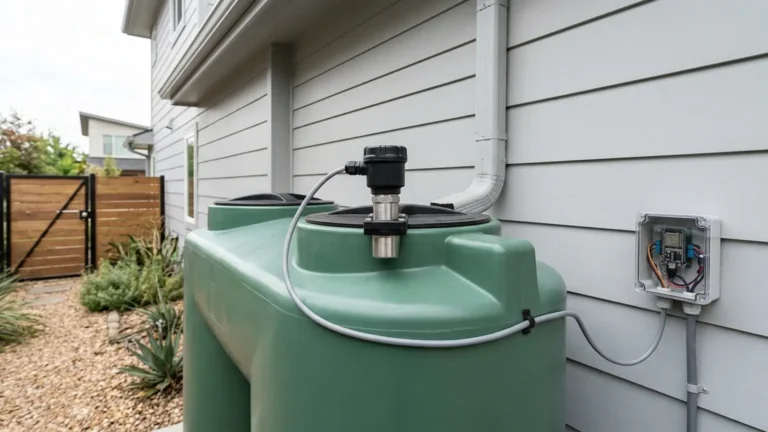
| Water/Wastewater | 40 kHz – 60 kHz | 0.25m – 15m | ABS / PVC | High humidity resistance |
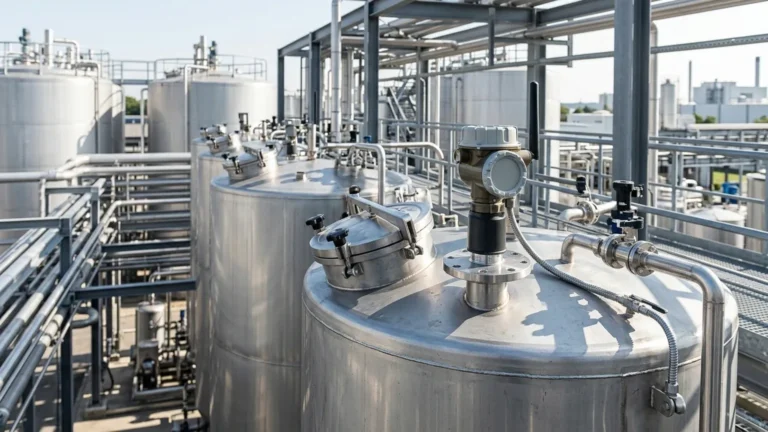
| Chemical Storage | 40 kHz (Shielded) | 0.25m – 10m | PVDF / PTFE | Resistance to corrosive vapors |
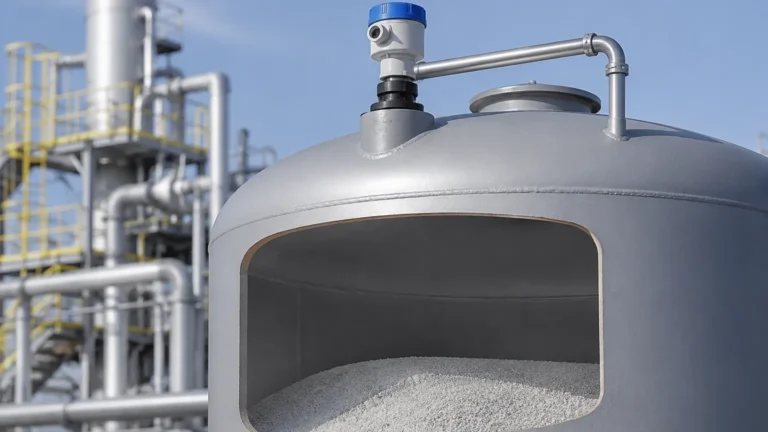
| Bulk Solids/Grain | 20 kHz – 30 kHz | 0.5m – 30m | Aluminum / Steel | Dust penetration capability |
| Small Vessels | 80 kHz + | 0.1m – 5m | Stainless Steel | Narrow beam angle for tight spaces |
4. Installation Considerations and Best Practices
To achieve reliable data from Ultrasonic Level Meters, proper mechanical installation is as critical as the electronic configuration. Unlike a z ultrasonic cleaner, where the object is submerged in the energy field, a level meter must have a clear "line of sight" to the target.
The Dead Zone (Blanking Distance)
Every ultrasonic sensor has a "dead zone" immediately in front of the transducer face where it cannot receive an echo. This is due to the time required for the piezoelectric crystal to stop vibrating after the pulse is sent. Typically, this ranges from 0.20m to 0.50m. The sensor must be mounted high enough that the maximum liquid level never enters this zone.
Beam Angle and Obstructions
The ultrasonic pulse spreads out in a cone shape, usually between 5° and 12°. Any internal tank structures—such as ladders, heating coils, or agitator blades—that intersect this cone will create a false echo.
* Rule of Thumb: Mount the sensor at least 0.5m away from the tank wall for every 3m of depth to avoid side-wall interference.
* Orientation: Ensure the transducer face is perfectly parallel to the liquid surface. A tilt of only a few degrees can cause the reflected signal to miss the receiver entirely.
Standpipe Installation
In tanks with heavy foam or turbulent surfaces, installing the sensor inside a standpipe (stilling well) can provide a calm surface for measurement. The pipe acts as a waveguide, focusing the ultrasonic energy and eliminating surface ripples.
5. Limitations and Environmental Factors
While ultrasonic technology is versatile and cost-effective, it is not a universal solution. Certain environmental conditions can attenuate the signal or provide false readings.
1. Vacuum and High Pressure: Ultrasonic waves require a medium (gas) to travel. They cannot function in a vacuum. High-pressure environments also change the density of the air, significantly altering the speed of sound beyond the compensation limits of standard software.
2. Heavy Foam: Some foams absorb ultrasonic pulses rather than reflecting them. In these cases, the sensor may report a "Loss of Echo" (LOE). If foam is persistent, a radar level meter or a hydrostatic transmitter may be more appropriate.
3. Extreme Dust: In applications like cement silos, heavy dust can scatter the ultrasonic signal. Using a lower-frequency transducer (e.g., 20 kHz) helps, as longer wavelengths can penetrate dust clouds more effectively than the high frequencies used in a z ultrasonic cleaner.
4. Temperature Gradients: If there is a significant temperature difference between the liquid and the air space (e.g., hot liquid in a cold tank), sound waves can refract or "bend," leading to measurement errors.
6. Maintenance and Troubleshooting
Industrial ultrasonic instruments are generally low-maintenance because they have no moving parts. However, regular checks are recommended to ensure peak performance.
* Transducer Face Cleaning: In some applications, condensation or dust buildup can occur on the transducer. A gentle wipe with a soft cloth is usually sufficient. Avoid using abrasive materials that could scratch the matching layer of the transducer.
* Signal Strength Monitoring: Most modern Ultrasonic Level Meters provide a diagnostic value for echo strength. A sudden drop in signal strength may indicate a change in process conditions, such as the onset of foaming or a misaligned sensor.
* Cable Integrity: Ensure that the shielded cable used for signal transmission is intact and away from high-voltage power lines to prevent electromagnetic interference (EMI).
7. Frequently Asked Questions (FAQ)
Q: Can I use a z ultrasonic cleaner transducer for level measurement?
A: No. While both use piezoelectric technology, a cleaner transducer is designed for continuous high-power output to induce cavitation in liquids. A level meter transducer is optimized for pulse-echo operation and sensitive signal reception in air.
Q: How does humidity affect ultrasonic level measurement?
A: High humidity increases the density of the air, which slightly increases the speed of sound. However, most professional level meters automatically compensate for this through their internal temperature and environmental algorithms.
Q: What is the maximum range for ultrasonic level sensing?
A: For liquids, standard industrial units can reach up to 15-20 meters. For solids, where the surface is uneven and absorbs more energy, the effective range is typically limited to 10-15 meters unless high-power, low-frequency transducers are used.
Q: Is ultrasonic technology safe for flammable liquids?
A: Yes, provided the instrument is intrinsically safe (Ex-rated). Because it is a non-contact measurement method, there is no risk of mechanical friction or electrical discharge within the medium, making it a preferred choice for many chemical applications.
By understanding the relationship between transducer frequency, environmental conditions, and installation geometry, engineers can leverage ultrasonic technology to achieve precise, non-contact control over their industrial processes. Whether maintaining a z ultrasonic cleaner or deploying a network of level sensors, the core principles of acoustics remain the most reliable guide for successful implementation.