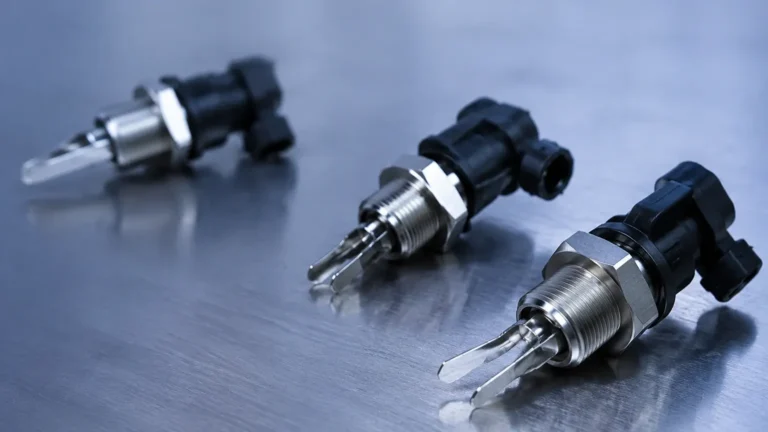
Level Switch Floating
Level Switch Floating
In the landscape of industrial automation and process control, the detection of liquid levels is a fundamental requirement for safety, efficiency, and inventory management. Among the various technologies available, the level switch floating mechanism—commonly referred to as a float switch—remains one of the most reliable and widely utilized methods. These devices leverage basic physical principles to provide discrete point-level detection, serving as critical components in pump control, high-level alarms, and dry-run protection systems.
This guide provides a comprehensive technical overview of level switch floating technology, exploring its operational physics, design variations, and the engineering considerations necessary for successful deployment in industrial environments.
Understanding the Principles of Float Level Measurement
The operation of a level switch floating device is governed by Archimedes' Principle, which states that any object, wholly or partially immersed in a fluid, is buoyed up by a force equal to the weight of the fluid displaced by the object. In practical terms, for a level switch to function, the float must be less dense than the liquid it is intended to measure.
The Buoyancy Mechanism
As the liquid level rises within a tank or vessel, the buoyant force eventually exceeds the weight of the float, causing it to rise. Conversely, as the liquid level falls, gravity pulls the float downward. This mechanical movement is then converted into an electrical signal through various methods, the most common being the magnetic reed switch.
Magnetic Reed Switch Operation
In a standard vertical magnetic float switch, the float contains a permanent magnet. The stem of the switch, which is stationary and submerged in the liquid, houses a hermetically sealed reed switch. When the float moves into proximity with the reed switch, the magnetic field causes the reed contacts to either close (Normally Open – NO) or open (Normally Closed – NC). Because the electrical components are sealed within the stem, they are protected from the process media, ensuring a long operational life even in corrosive environments.
Types of Level Switch Floating Designs
Industrial applications vary significantly in terms of space constraints, pressure requirements, and liquid characteristics. To meet these needs, several distinct designs of Level Switches have been developed.
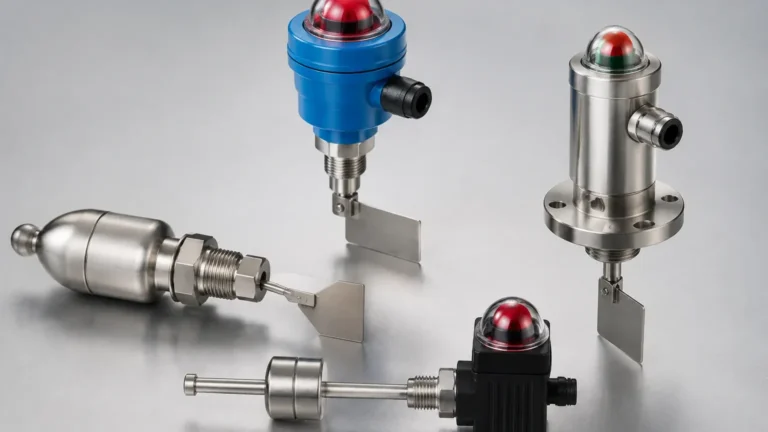
1. Vertical Float Switches
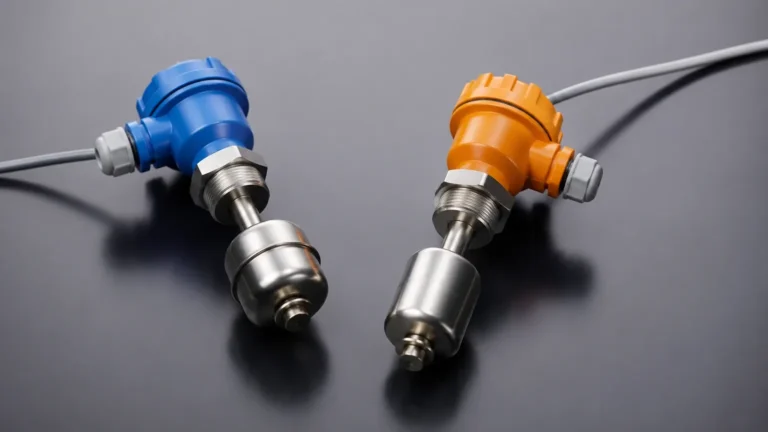
Vertical switches are typically mounted at the top or bottom of a tank. They are ideal for high-accuracy point detection. Multi-point vertical switches can house several reed switches within a single stem, allowing one device to monitor multiple levels (e.g., low-level pump start, high-level pump stop, and high-high alarm).
2. Side-Mounted (Horizontal) Float Switches
Side-mounted switches are used when the top or bottom of the tank is inaccessible or when a single point of detection is required at a specific height. These devices often use a hinged float arm. As the float pivots upward with the rising liquid, it moves a magnet toward a reed switch or actuates a microswitch located outside the process vessel.
3. Cable-Suspended Float Switches
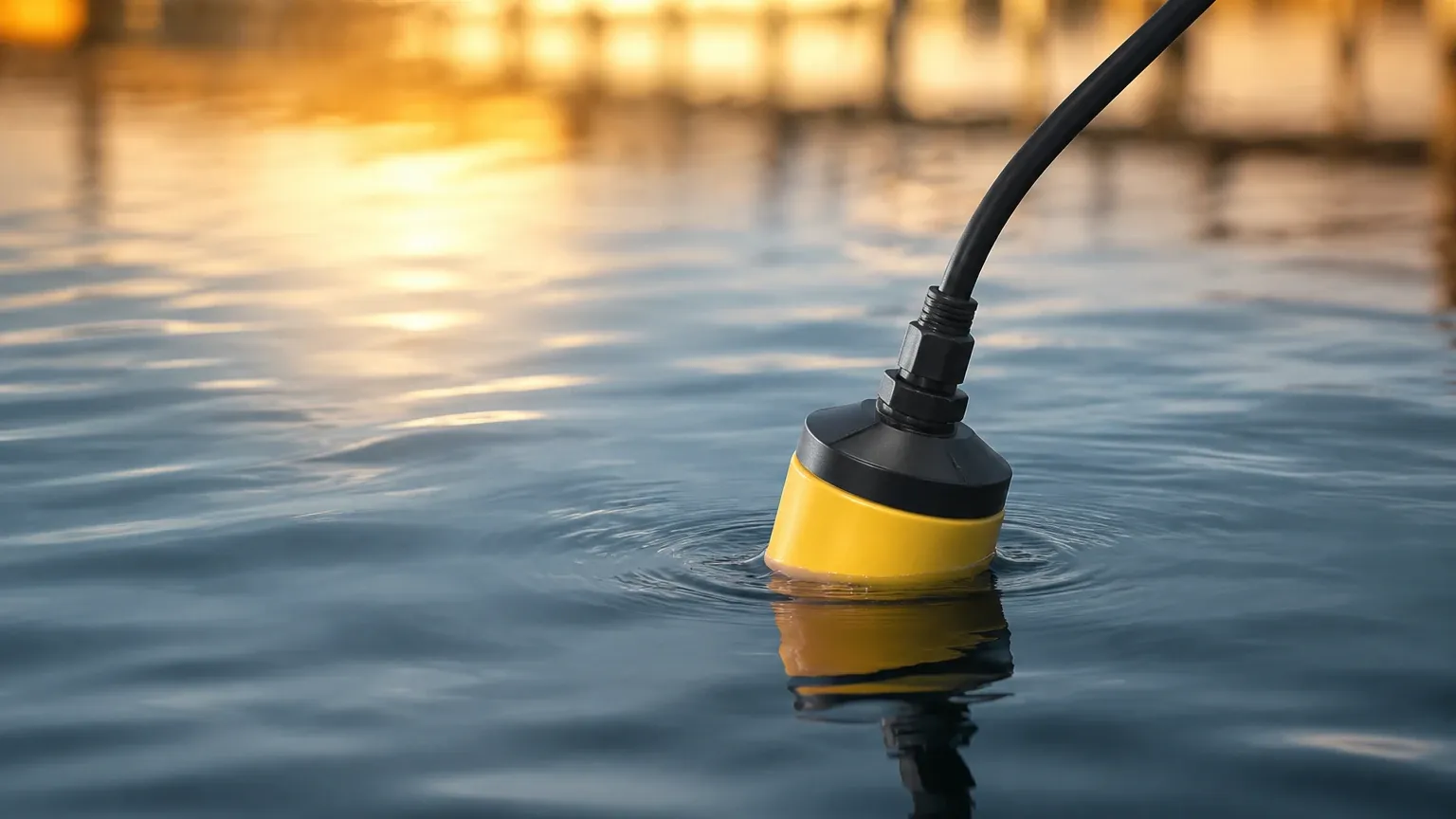
Commonly used in wastewater and sump applications, these switches consist of a float tethered by a flexible cable. Inside the float is a mechanical ball or a mercury-free tilt switch. When the liquid level rises, the float tilts, triggering the internal switch. These are preferred for large tanks or open pits where turbulence and debris might foul a rigid stem switch.
4. Displacer Switches
While similar to float switches, displacers are heavier than the liquid and do not float on the surface. Instead, they rely on the change in apparent weight (buoyancy) as they are submerged. These are often used in high-pressure or heavy-duty industrial applications where standard floats might be crushed or fail due to turbulence.
Key Selection Criteria for Industrial Applications
Selecting the correct level switch floating assembly requires a detailed analysis of the process conditions. Failure to account for these variables can lead to premature mechanical failure or inaccurate switching.
Specific Gravity (SG)
The specific gravity of the liquid is perhaps the most critical factor. The float must be designed to displace enough liquid to overcome its own mass. Most industrial floats are designed for liquids with an SG of 0.80 or higher. If the liquid is lighter (e.g., certain hydrocarbons or liquefied gases), a specialized low-density float must be specified.
Material Compatibility
The materials of construction must resist corrosion and chemical attack from the process media. Common materials include:
* 304/316 Stainless Steel: Suitable for high-temperature, high-pressure, and food-grade applications.
* Polypropylene (PP): Ideal for acidic or alkaline chemicals and general water treatment.
* Polyvinylidene Fluoride (PVDF): Used for highly aggressive chemicals and high-purity applications.
* PVC/CPVC: Cost-effective options for water and mild chemical solutions.
Temperature and Pressure
Standard plastic floats may deform or lose buoyancy at elevated temperatures. Stainless steel floats can typically withstand temperatures up to 200°C (392°F) and pressures exceeding 30 Bar (435 PSI). Always verify the maximum ratings, as the pressure-bearing capacity of a float decreases as the temperature increases.
Electrical Load
Reed switches have specific voltage and current limits. Switching high-inductive loads (like a pump motor) directly through a small reed switch will cause the contacts to weld together. In most industrial B2B applications, the level switch should trigger a relay or a PLC input rather than the load itself.
Comparative Selection Table
The following table provides a general comparison of common float switch configurations to assist in the initial selection process.
| Switch Type | Typical Mounting | Max Temp Range | Max Pressure | Best Use Case |
| :— | :— | :— | :— | :— |
| Mini Vertical (Plastic) | Top/Bottom | -10°C to 80°C | 2 – 5 Bar | Small tanks, OEM equipment, HVAC |
| Stainless Steel Vertical | Top/Bottom | -40°C to 200°C | 30+ Bar | Oil & Gas, High-temp chemicals |
| Side-Mounted Pivot | Side Wall | -20°C to 150°C | 20 Bar | Side access only, high-level alarm |
| Cable Tilt Switch | Top (Suspended) | 0°C to 60°C | 2 Bar | Wastewater, sumps, large reservoirs |
| Multi-Point Stem | Top | -40°C to 150°C | 25 Bar | Complex pump control (Start/Stop/Alarm) |
Installation and Maintenance Best Practices
Proper installation is vital to the longevity of a level switch floating system. Engineers should follow these guidelines to ensure reliable operation:
1. Avoid Turbulence: Do not install a float switch directly near a tank inlet or agitator. The resulting turbulence can cause "contact chatter," leading to electrical failure and pump wear. If turbulence is unavoidable, use a stilling well (a perforated pipe) to shield the float.
2. Orientation: Ensure vertical switches are mounted within the specified tolerance (usually within 30° of vertical). Excessive tilt can increase friction between the float and the stem, causing the float to stick.
3. Clearance: Maintain adequate clearance between the float and the tank walls or other internal structures. Scale buildup or debris on the tank wall can impede the float's movement.
4. Wiring Protection: Use appropriate cable glands and conduits to prevent moisture from entering the switch housing via capillary action through the wires.
5. Routine Inspection: In applications involving crystalline or viscous liquids, the float and stem should be cleaned periodically. Buildup on the stem can prevent the float from sliding, while buildup on the float can change its buoyancy.
Limitations and Prohibitions
While highly versatile, level switch floating technology is not suitable for every application. Engineers should be aware of the following limitations:
* Viscosity: Highly viscous liquids (like heavy syrups or crude oil) can prevent the float from moving freely. In these cases, non-contact methods like ultrasonic or radar level meters are preferred.
* Coating and Scaling: If the liquid tends to coat surfaces or form scale, the mechanical movement of the float will eventually be compromised.
* Magnetic Particles: In magnetic float switches, metallic particles in the liquid can be attracted to the float's internal magnet, eventually weighing it down or jamming it against the stem.
* Mechanical Wear: Because these are moving parts, they are subject to wear over millions of cycles. In critical safety applications, redundant switches or diverse technologies should be employed.
Frequently Asked Questions (FAQs)
Q: Can I use a float switch in a tank with a vacuum?
A: Yes, but you must ensure the float is rated for vacuum conditions. Some hollow floats can collapse under external pressure or expand/burst if the internal pressure is significantly higher than the vacuum in the tank.
Q: How do I change a switch from Normally Open (NO) to Normally Closed (NC)?
A: For many vertical float switches, this is achieved by removing the retaining clip and flipping the float 180 degrees on the stem. This reverses the position of the internal magnet relative to the reed switch.
Q: What is the minimum specific gravity for a stainless steel float?
A: Most standard stainless steel floats require an SG of at least 0.70 to 0.80. However, specialized thin-walled or oversized floats can be engineered for liquids with an SG as low as 0.45.
Q: Can float switches be used in hazardous (Ex) areas?
A: Yes, but they must be used in conjunction with an intrinsically safe (IS) barrier or be housed in an explosion-proof enclosure, depending on the local regulations and the zone classification.
Conclusion
The level switch floating principle remains a cornerstone of industrial level control due to its simplicity and cost-effectiveness. By understanding the relationship between liquid density, material compatibility, and mechanical design, engineers can specify solutions that provide years of maintenance-free service. For complex applications involving high pressures or aggressive chemicals, consulting with a professional manufacturer like Welk ensures that the selected instrumentation meets the rigorous demands of the modern industrial environment.