Cisco Level 3 Switches
Cisco Level 3 Switches
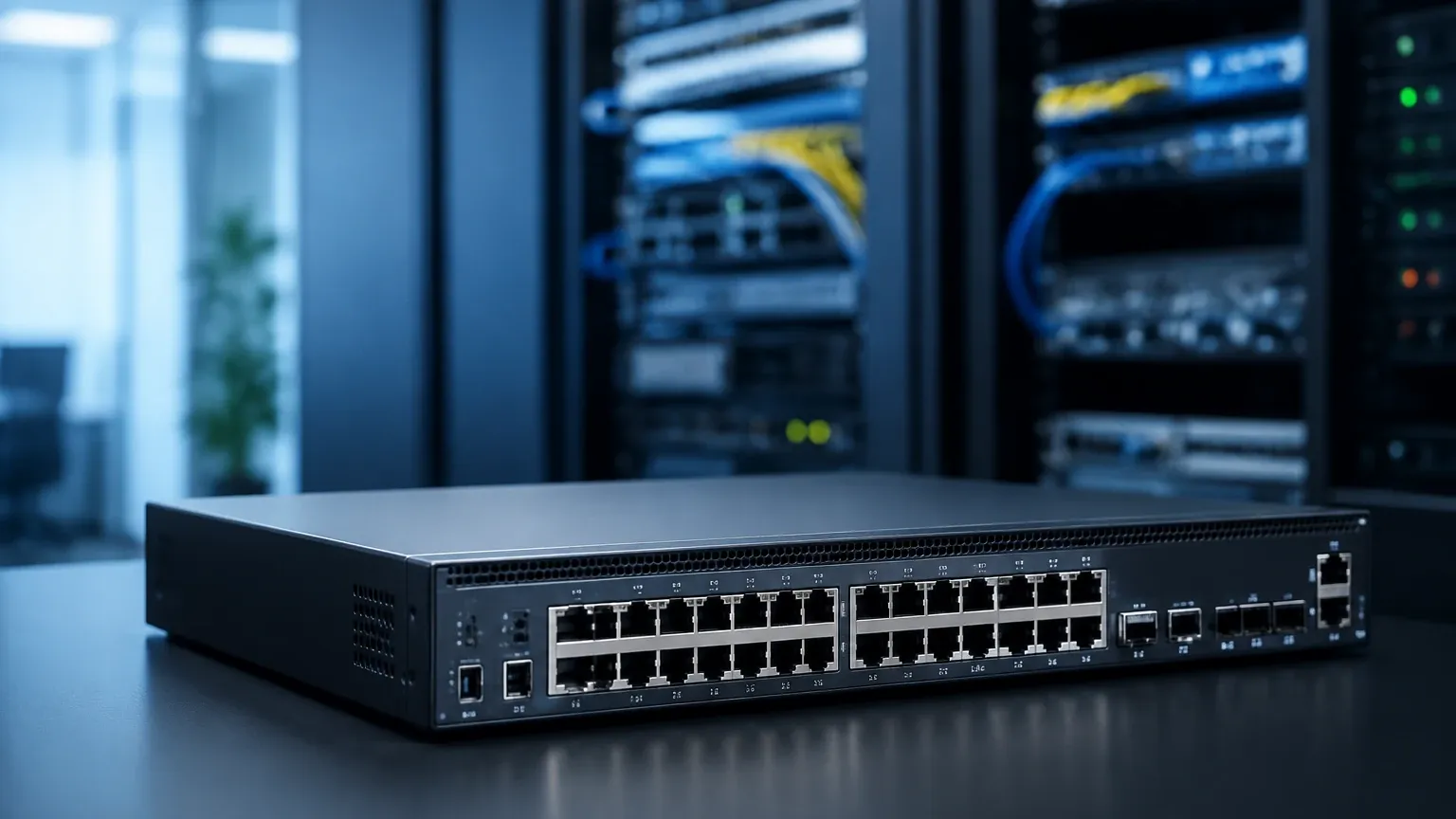
In the landscape of modern industrial automation, the distinction between field-level instrumentation and high-level networking infrastructure is becoming increasingly blurred. While Level Switches provide the critical physical data regarding the presence or absence of media in a vessel, the transmission and routing of this data often rely on robust enterprise-grade hardware. For many large-scale processing plants, cisco level 3 switches serve as the backbone of the Industrial Ethernet network, bridging the gap between the Operational Technology (OT) on the factory floor and the Information Technology (IT) systems in the data center.
Understanding how level switches function and how they integrate into a network managed by cisco level 3 switches is essential for process engineers and system integrators. This guide explores the fundamental principles of level measurement, selection criteria for switches, and the networking considerations necessary for a cohesive control system.
Measurement Principles of Industrial Level Switches
Before selecting a device for integration into a control architecture, it is necessary to understand the physics behind point-level detection. Level switches operate on various principles, each suited to specific media and environmental conditions.
Vibrating Point Level Switches (Tuning Fork)
These switches utilize a tuning fork-shaped sensing element that is vibrated at its resonant frequency by internal piezoelectric crystals. When the fork is immersed in a liquid or solid, the frequency of vibration changes or stops. The internal electronics detect this shift and trigger a switching output. These are highly reliable for both liquids and granular solids because they are largely unaffected by flow, turbulence, bubbles, or foam.
Float Level Switches
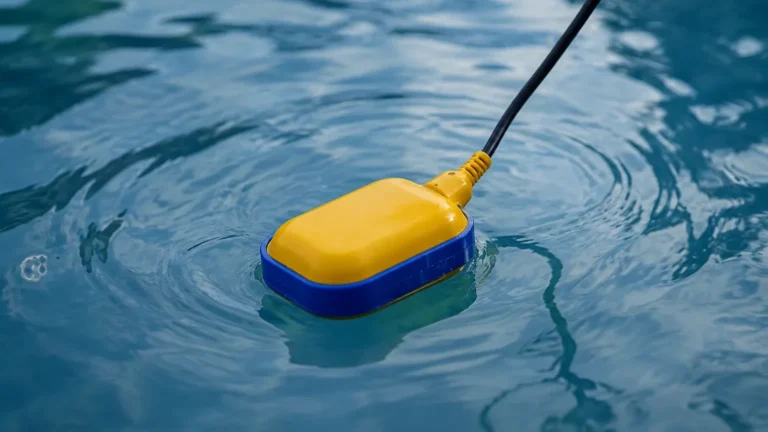
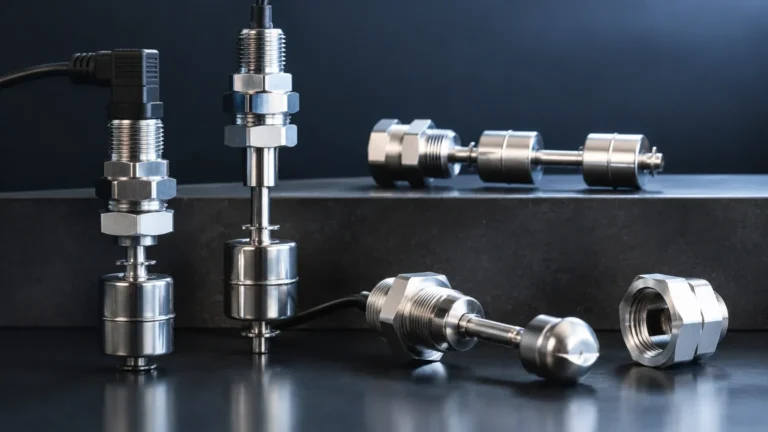
Operating on the principle of buoyancy, float switches consist of a float containing a magnet that moves up and down a stem. As the liquid level rises, the float moves, actuating a reed switch located inside the sealed stem. This is a purely mechanical-to-electrical interface, making it ideal for simple water treatment applications, though it is susceptible to mechanical wear and fouling in viscous or debris-laden liquids.
Capacitive Level Switches
Capacitive sensors treat the probe and the tank wall (or a reference probe) as two plates of a capacitor. The dielectric constant of the medium between the plates changes as the level rises. When the measured capacitance exceeds a pre-set threshold, the switch changes state. These are excellent for detecting powders, granulates, and liquids, particularly where non-contact through a non-metallic tank wall is required.
Ultrasonic Level Switches
These devices emit high-frequency sound waves that reflect off the surface of the medium. For point-level detection, the sensor is typically mounted at a specific height; when the sound waves are blocked or reflected back within a certain time window, the switch is triggered. These are non-contact and ideal for corrosive or sticky media where physical contact would lead to sensor failure.
Data Integration: From Field Sensors to Cisco Level 3 Switches
In a traditional setup, a level switch provides a simple relay or PNP/NPN output to a local controller. However, in the era of IIoT (Industrial Internet of Things), this data is increasingly digitized. The transition from a physical state in a tank to a data packet on a network involves several layers:
1. Field Layer: The Level Switches detect the medium. If using smart switches, they may output signals via IO-Link or Modbus RTU.
2. Control Layer: A Programmable Logic Controller (PLC) or Remote Terminal Unit (RTU) aggregates these signals.
3. Network Layer: The PLC connects to an Industrial Ethernet switch. In large facilities with multiple subnets (e.g., separate VLANs for the tank farm, the bottling line, and the utility room), cisco level 3 switches are used to perform inter-VLAN routing.
Using cisco level 3 switches at the distribution layer of an industrial network allows for advanced traffic management. For instance, if a high-level switch in a chemical reactor triggers an emergency shutdown, the level 3 switch ensures that this high-priority traffic is routed across the network with minimal latency, bypassing lower-priority data like routine diagnostic logs. This routing capability is what differentiates a Level 3 (Network Layer) switch from a Level 2 (Data Link Layer) switch, which can only move data within a single local network segment.
Key Selection Criteria for Industrial Level Switches
Selecting the correct level switch requires a detailed analysis of the process conditions. Failure to account for these variables can lead to false positives or premature sensor failure.
Media Characteristics
* State: Is the medium a liquid, a slurry, or a bulk solid? Vibrating forks are versatile, while floats are strictly for liquids.
* Dielectric Constant: Critical for capacitive switches. Low-dielectric materials (like oils) require more sensitive probes.
* Viscosity and Coating: Sticky media can "bridge" the tines of a tuning fork or weigh down a float. In these cases, capacitive switches with active shield technology or non-contact ultrasonic switches are preferred.
Environmental Conditions
* Pressure: Standard switches might handle up to 10 bar (145 psi), but high-pressure reactors may require specialized housings rated for 100 bar or more.
* Temperature: Standard electronics often fail above 80°C (176°F). For high-temperature steam or molten materials, remote-mounted electronics or cooling fins are necessary.
* Chemical Compatibility: The wetted parts (316L stainless steel, PTFE, PP, or Hastelloy) must be resistant to the process media to prevent corrosion.
Output Requirements
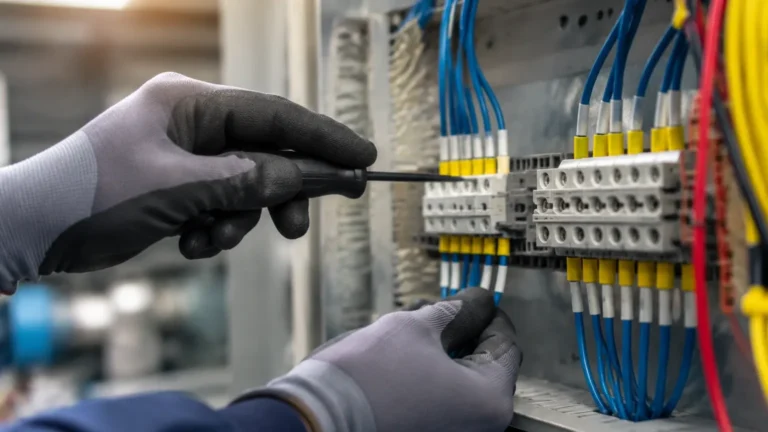
Engineers must decide between a simple relay contact (for direct pump control) or a digital output (PNP/NPN) for PLC integration. For modern systems integrated with cisco level 3 switches, choosing switches with IO-Link capabilities allows for more granular diagnostic data to be sent over the network.
Installation Considerations and Best Practices
Proper installation is as critical as device selection. Even the most advanced switch will fail if placed in an unsuitable location.
1. Avoid Turbulence: Do not install level switches directly in the path of an inlet flow. The constant movement can cause "chatter" in the switch or mechanical fatigue in floats and forks. Use a stilling well if turbulence is unavoidable.
2. Nozzle Length: For vibrating forks and ultrasonic sensors, ensure the sensing element extends far enough into the tank to clear the mounting nozzle. If the fork is partially inside a narrow nozzle, it may detect the nozzle wall as the medium.
3. Orientation: While many switches can be mounted horizontally or vertically, horizontal mounting is generally preferred for point-level detection to ensure a sharp trip point. When mounting horizontally, ensure the cable entry points downward to prevent moisture from entering the housing via the conduit.
4. Dead Zones: Ultrasonic switches have a "blind zone" near the transducer face where measurements are impossible. Ensure the maximum high-level of the tank does not enter this zone.
Comparative Analysis of Level Switch Technologies
| Technology | Best For | Max Temp (Typical) | Max Pressure (Typical) | Limitations |
| :— | :— | :— | :— | :— |
| Vibrating Fork | Liquids & Solids | -50°C to 150°C | 40 bar | Potential for material buildup between tines |
| Float Switch | Clean Liquids | -20°C to 80°C | 10 bar | Moving parts; prone to fouling |
| Capacitive | Powders & Slurries | -40°C to 200°C | 25 bar | Requires calibration for different media |
| Ultrasonic | Corrosive Liquids | -40°C to 80°C | 3 bar (Non-contact) | Affected by heavy foam or vapor |
| Optical | Clear Liquids | -20°C to 100°C | 50 bar | Fails if the sensor tip is dirty |
Common Risks and Limitations
When integrating field devices into a network managed by cisco level 3 switches, security and reliability are paramount. One common risk is the lack of segmentation; if the level switches and the corporate Wi-Fi are on the same flat network, a security breach in the office could theoretically allow unauthorized access to the industrial control system. Using the routing and Access Control List (ACL) features of a Level 3 switch can mitigate this risk by isolating the OT traffic.
Another limitation involves the power supply. Many industrial level switches operate on 24V DC. In large-scale deployments, voltage drops over long cable runs can lead to intermittent switch behavior. Engineers should confirm the power budget and consider using local power supplies or PoE (Power over Ethernet) injectors if the sensors support it.
Frequently Asked Questions (FAQ)
Q: Can a level switch be used for continuous level measurement?
No. A level switch is a point-level device that only indicates if the level has reached a specific height. For continuous monitoring (0-100%), a radar or ultrasonic level transmitter is required.
Q: How do I test a level switch without filling the tank?
Most modern vibrating forks and capacitive switches include a "test" magnet or a button on the housing that simulates a change in state, allowing for loop testing without process downtime.
Q: Why would I use cisco level 3 switches instead of Level 2 switches in my plant?
Level 3 switches allow you to route traffic between different subnets. This is essential for large plants where you want to separate different production areas for better performance and security while still allowing a central SCADA system to collect data from all of them.
Q: What is the maintenance schedule for a level switch?
For non-mechanical switches like vibrating forks, an annual visual inspection and functional test are usually sufficient. Float switches may require more frequent cleaning if the liquid contains solids or scale.
For engineers looking to optimize their process control, selecting the right Level Switches is the first step toward a reliable system. By ensuring these devices are supported by a high-performance network infrastructure, including cisco level 3 switches, facilities can achieve the high levels of uptime and data integrity required in today's industrial environments.