Level Sensor Ibc
Level Sensor Ibc
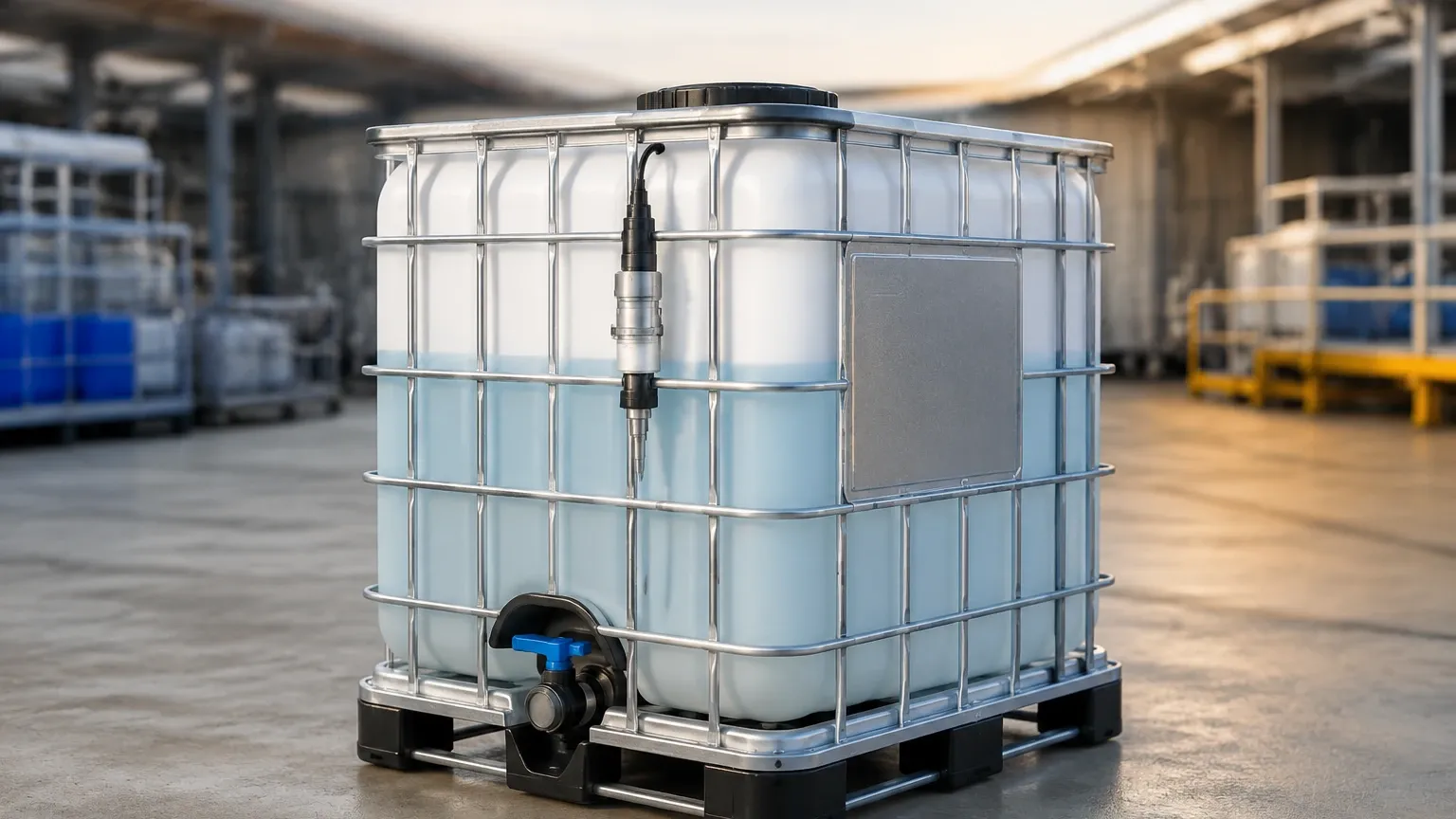
Intermediate Bulk Containers (IBCs) are the backbone of modern industrial fluid handling. Capable of transporting and storing between 500 and 3,000 liters of liquid, these containers are used across the chemical, pharmaceutical, food and beverage, and water treatment sectors. However, managing the inventory within these mobile tanks presents unique challenges. Implementing a reliable level sensor IBC system is essential for preventing overflows, ensuring process continuity, and optimizing supply chain logistics.
Selecting the right instrumentation requires an understanding of both the physical properties of the media and the structural constraints of the IBC itself. This guide examines the measurement principles, selection criteria, and installation best practices for monitoring levels in intermediate bulk containers.
Measurement Principles for IBC Monitoring
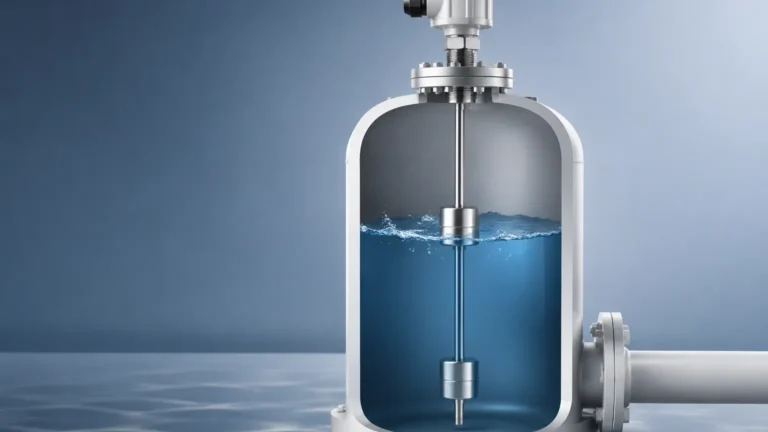
Level measurement in IBCs is generally divided into two categories: point level detection and continuous level measurement. Point level detection uses Level Switches to trigger alarms at specific heights, while continuous sensors provide a real-time percentage or volume reading of the tank contents.
Ultrasonic Level Measurement
Ultrasonic sensors are among the most common choices for IBCs. These devices emit high-frequency sound pulses that reflect off the liquid surface. By measuring the "time-of-flight"—the duration it takes for the pulse to return to the transducer—the sensor calculates the distance to the liquid. Since IBCs are relatively shallow (typically around 1 to 1.2 meters in height), ultrasonic sensors must have a small "dead zone" (the area directly beneath the sensor where measurement is impossible) to be effective when the tank is nearly full.
Radar (Microwave) Level Measurement
Radar sensors, particularly those operating at 80 GHz, offer high precision and are less affected by vapors, temperature fluctuations, or dust compared to ultrasonic units. A significant advantage of radar for IBC applications is its ability to measure through the plastic (HDPE) walls of the container. This allows for completely non-invasive installation, where the sensor is mounted above the IBC without ever coming into contact with the medium.
Hydrostatic Pressure Measurement
Hydrostatic transmitters measure the pressure exerted by the liquid column at the bottom of the IBC. This pressure is directly proportional to the liquid height and density. For IBCs, submersible pressure transducers are often lowered through the top opening, or threaded sensors are attached to the bottom discharge valve. This method is highly reliable for vented tanks but requires accurate knowledge of the liquid's specific gravity.
Capacitive and Tuning Fork Point Level Detection
When the goal is simply to prevent an overfill or indicate when a tank is empty, point level switches are utilized.
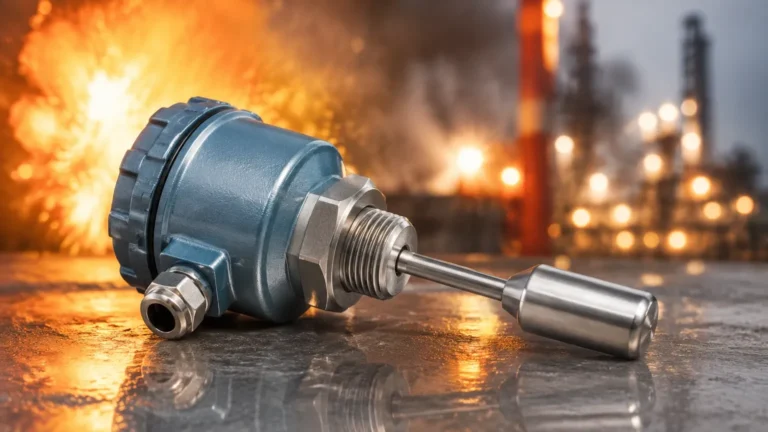
- Tuning Fork Switches: These vibrate at a specific frequency. When submerged in liquid, the frequency shifts, triggering a switch. They are ideal for high-level alarms.
- Capacitive Sensors: These detect changes in electrical capacitance. Some capacitive sensors can be mounted on the outside of a plastic IBC wall, detecting the presence of liquid inside without a hole being drilled in the tank.
Selecting the Right Level Sensor IBC Solution
Choosing the correct sensor depends on the chemical compatibility of the liquid, the need for mobility, and the physical environment. Below is a practical selection table for common IBC applications.
Selection Table: IBC Level Measurement Technologies
| Technology | Contact Type | Best For | Advantages | Limitations |
| :— | :— | :— | :— | :— |
| Ultrasonic | Non-contact | Water-based liquids, oils | Cost-effective, easy setup | Sensitive to heavy foam and vapors |
| 80GHz Radar | Non-contact | Corrosives, solvents, acids | Measures through plastic lids, high accuracy | Higher initial investment |
| Hydrostatic | Contact | Heavy liquids, sludges | Unaffected by foam or surface turbulence | Requires density compensation |
| Tuning Fork | Contact | Overfill protection (High/Low) | Extremely reliable, no calibration | Requires contact with media |
| Capacitive | Non-contact | Plastic IBCs, non-conductive liquids | No tank modification required | Sensitive to coating/buildup on walls |
Key Evaluation Criteria for IBC Applications
When specifying a level sensor IBC system, engineers must confirm several technical parameters to ensure long-term reliability.
1. Chemical Compatibility
IBCs often carry aggressive chemicals like sulfuric acid, sodium hydroxide, or various solvents. If using a contact-based sensor (like a hydrostatic probe or a tuning fork Level Switches), the wetted materials must be resistant to corrosion. Common materials include 316L stainless steel, PTFE (Teflon), or PP (Polypropylene).
2. Tank Geometry and Obstructions
Standard IBCs have a large top opening (usually 150mm or 225mm) and a metal cage. Sensors must be positioned to avoid "seeing" the sides of the opening or internal components like agitators if the IBC is being used as a mixing vessel. Radar sensors with narrow beam angles are preferred in these scenarios to avoid false reflections.
3. Mobility and Power
Since IBCs are frequently moved by forklifts, the sensor system must be either easily detachable or ruggedly integrated. For remote monitoring, battery-powered sensors with wireless transmission (LoRaWAN, NB-IoT, or Cellular) are increasingly popular, allowing operators to track inventory levels across a large facility or during transit.
4. Accuracy vs. Cost
For simple inventory checks, an ultrasonic sensor with 1% accuracy is usually sufficient. However, for high-value chemicals or precise dosing applications, a radar sensor or a high-precision hydrostatic transmitter may be required to achieve accuracies of ±2mm or better.
Installation Considerations
Proper installation is critical to the performance of any level sensor IBC configuration.
* Top Mounting: Most IBC sensors are mounted on the lid. If the IBC is replaced frequently, a custom-drilled lid with a bulkhead fitting allows the sensor to be moved quickly from an empty tank to a full one.
* Avoiding the Fill Path: Never install a level sensor directly under the fill inlet. The turbulence and splashing during filling will cause erratic readings and may damage the sensor.
* Ventilation: For hydrostatic and ultrasonic sensors, the tank must be properly vented. A vacuum or pressure buildup inside the IBC can significantly distort measurement accuracy.
* Non-Invasive Radar Setup: If using radar to measure through the plastic lid, ensure there is no metal reinforcement directly between the sensor and the liquid. The radar should be mounted securely to prevent vibration, which can introduce noise into the signal.
Limitations and Risks
While modern sensors are highly capable, certain conditions can lead to measurement errors in IBCs:
1. Foam: Heavy surface foam can absorb ultrasonic signals, leading to a "loss of echo." In these cases, radar or hydrostatic sensors are superior.
2. Condensation: In outdoor environments or temperature-controlled processes, condensation can form on the sensor face. Sensors with specialized coatings or those using radar technology are less susceptible to this issue.
3. Agitation: If the liquid is being stirred, the surface will be turbulent. Digital filters in the sensor software can help smooth out the reading, but a stilling well may be necessary for extreme cases.
4. Crystallization: Some chemicals may crystallize as they dry. This can coat the vibrating forks of a level switch or the diaphragm of a pressure sensor, leading to false readings or mechanical failure.
Digital Integration and Industry 4.0
In modern B2B environments, the data from a level sensor IBC is rarely used in isolation. Most systems now output a 4-20mA signal, Modbus RS485, or a wireless protocol to integrate with a Central Control Room (CCR) or a cloud-based inventory management system.
By linking IBC level data to an ERP system, companies can automate reordering processes. For example, when a coagulant IBC in a water treatment plant reaches a 10% threshold, the system can automatically generate a purchase order or alert the logistics team to swap the container. This prevents downtime and reduces the labor costs associated with manual tank inspections.
Frequently Asked Questions (FAQs)
Q: Can I use one sensor for different types of IBCs?
A: Yes, provided the sensor is calibrated for the specific height of the tank. Non-contact sensors like radar and ultrasonic are the most versatile for this purpose as they can be easily reconfigured for different depths.
Q: Is it possible to measure the level without opening the IBC?
A: Yes. 80GHz radar sensors can measure through the plastic top of an IBC. Additionally, external capacitive Level Switches can be mounted on the side of the tank to detect point levels through the wall.
Q: How do I handle IBCs containing flammable liquids?
A: For hazardous areas, you must use sensors with appropriate explosion-proof ratings (such as ATEX or IECEx). Intrinsically safe hydrostatic transmitters or radar sensors are commonly used in these applications.
Q: What is the maintenance requirement for these sensors?
A: Non-contact sensors require very little maintenance, usually just a periodic check to ensure no significant buildup has occurred on the transducer face. Contact sensors should be inspected regularly for corrosion or clogging, especially when used with viscous or corrosive media.
Summary for Project Engineering
Before finalizing a level sensor IBC specification, project managers should confirm the following:
- The exact chemical composition and concentration of the liquid.
- Whether the application requires continuous monitoring or simple point-level alarms.
- The physical dimensions of the IBC lid and the available mounting space.
- The requirement for local display versus remote data transmission.
By matching the measurement principle to the specific needs of the application, industrial operators can ensure accurate, maintenance-free level monitoring that enhances both safety and operational efficiency.